




Effective disaster preparedness in Canada requires both a well-stocked 72-hour emergency kit and the clinical skills to use it. Public Safety Canada recommends every household maintain at least 4 litres of water per person per day and a CSA Z1210:24-compliant first aid kit, but supplies alone are insufficient when professional EMS is delayed by damaged infrastructure. Canadian Red Cross Intermediate / Standard First Aid certification, covering field triage, severe bleeding control, shock management, and High-Performance CPR, is the most critical component of individual and household disaster readiness.
Find a First Aid Course Near You
Canadian Red Cross certified courses at 30+ locations across Canada for individuals, families, and organizations.
72 hrs
minimum self-sufficiency window before government mobilization after a major disaster
4 L/day
minimum water per person per day recommended by Public Safety Canada
3 Years
validity of a Canadian Red Cross first aid and CPR certificate
Why Does Emergency Preparedness Matter More Than Ever in Canada?
Natural disasters and large-scale medical emergencies are an unavoidable reality of life in Canada. From the paralyzing ice storms and blizzards of Ontario and Quebec to the aggressive wildfires in British Columbia and Alberta, Canadians face a diverse range of hazards that demand rigorous preparation and the ability to act decisively under extreme pressure. When professional emergency services are overwhelmed, as they inevitably are during a mass-casualty event, the safety of your family depends on your individual CPR and AED training and resourcefulness.
In recent years, the frequency and severity of weather-related disasters have increased significantly. Climate change has contributed to more intense storms, prolonged heat waves, and unprecedented flooding. The lessons learned from the Fort McMurray wildfires and the recurring Calgary floods prove that disaster can strike any municipality regardless of its perceived safety. Being prepared is no longer optional. Neighbors supporting each other during disasters is equally crucial; community readiness and individual preparedness together form the strongest possible defense against mass-casualty events. Mastering the clinical skills to respond is the most impactful step you can take today.
What Regional Hazards Do Canadians Need to Prepare For?
Effective disaster preparedness begins with understanding the specific risks in your geographic region. Canada’s vast landscape means different provinces face distinct primary threats. While the Prairies are susceptible to high-velocity tornadoes and severe thunderstorms, British Columbia must prepare for major seismic events and rapid-onset wildfires. Apartment and house fires remain a common emergency across all regions, requiring immediate response skills. Atlantic Canada remains vulnerable to hurricanes and nor’easters, while the central corridor of Ontario and Quebec manages seasonal ice storms and extreme urban heat events.
Beyond natural phenomena, Canadians must also prepare for human-caused crises such as industrial accidents, hazardous material spills, and critical infrastructure failures. The 2003 Northeast Blackout, which left 55 million people without power, demonstrated how quickly modern life can be disrupted. During such events, individuals who had completed first aid training were significantly better equipped to manage the heat-related illnesses and traumatic injuries that followed.
How Do You Build a 72-Hour Emergency Preparedness Kit?
Every Canadian household is encouraged to maintain an emergency kit capable of sustaining all members for at least 72 hours without external assistance. This “self-sufficiency window” accounts for the time it takes for provincial and federal agencies to mobilize resources to the hardest-hit areas. According to Public Safety Canada, your kit should be stored in a waterproof, accessible container. Keep additional kits in your vehicle and workplace so you are prepared wherever an emergency occurs:
- Water: Minimum 4 litres per person per day for drinking and basic sanitation. A 7-to-14-day supply is increasingly recommended for extended scenarios.
- Nutrition: Non-perishable food requiring no heat or water to prepare, plus a manual can opener.
- Communication: A battery-powered or hand-crank radio to receive Alert Ready broadcasts, plus a high-decibel whistle for signaling.
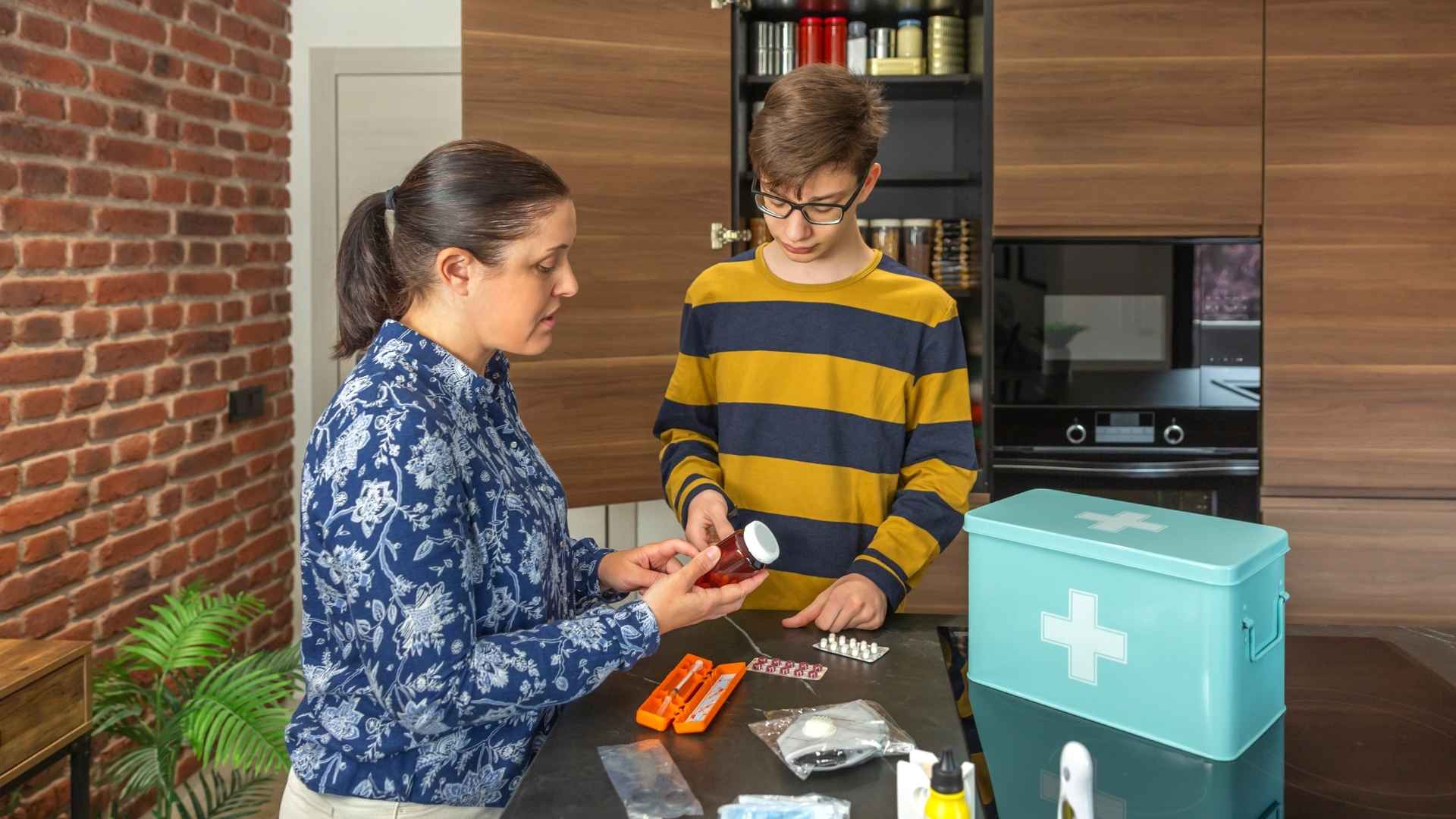
- Medical Supplies: A CSA Z1210:24-compliant first aid kit including barrier devices and a minimum 3-day supply of essential prescription medications. Disaster medical situations require having the right supplies to manage injuries until professional care is available.
- Power: Flashlights with extra batteries and a high-capacity portable power bank for mobile devices.
- Documentation: Waterproof copies of identification, insurance policies, and cash in small denominations.
- Shelter: Emergency thermal blankets, tarps, or other materials to provide protection from the elements if you must evacuate.
What Region-Specific Supplies Should Your Disaster Kit Include?
Standard emergency kit guidance covers the basics, but regional hazards demand targeted additions. Tailoring your kit to the primary threats in your area meaningfully improves your household’s resilience:
- Wildfire Regions (BC, Alberta, Okanagan): N95 respirator masks to filter fine particulate matter from wildfire smoke; burn cream, cooling burn gel, and sterile burn dressings for fire-related injuries; goggles for smoke and debris protection; and a shut-off wrench for gas and water lines.
- Earthquake Zones (BC Lower Mainland): Crush injury supplies, heavy-duty work gloves for debris handling, a pry bar for light search and rescue, and a comprehensive bleeding control kit including a commercial tourniquet and hemostatic gauze.
- Winter Storm and Cold Weather (All Provinces): Hand and body warmers, a multi-day supply of warm layered clothing, and knowledge of how to create a heat-concentrated micro-environment in a single room when the furnace fails.
- All Regions: A commercial tourniquet, sterile gauze rolls, adhesive bandages, nitrile gloves, hand sanitizer, and eye wash solution. Include supplies for any household members with special medical needs, such as extra eyeglasses, hearing aid batteries, and an extended medication supply.
What Role Does First Aid Training Play in Disaster Response?
During a large-scale disaster, professional medical infrastructure is often compromised. Hospitals may be operating on backup generators, and ambulances are frequently delayed by debris-choked roads or vertical response delays in high-rise buildings. In these scenarios, the trained bystander becomes the most vital link in the chain of survival.
Certified responders can perform “field triage,” identifying life-threatening injuries and prioritizing care among multiple victims. Intermediate / Standard First Aid courses teach you to manage crush injuries common in earthquakes or structural collapses, control massive arterial bleeding with tourniquets, and manage medical shock using proper positioning techniques. Mastering the Chest Compression Fraction (CCF) ensures that if a cardiac event occurs during the stress of a disaster, you can keep the victim’s brain oxygenated until advanced help arrives. Community members who are trained also play a vital role in supporting professional first responders and reducing the demand on overwhelmed emergency services.
Watch: How to Perform High-Quality CPR
How Do You Create and Rehearse a Family Emergency Plan?
A survival kit is only as effective as the plan behind it. A well-rehearsed family emergency plan ensures that every household member knows exactly how to respond when panic sets in. Conducting regular household drills significantly improves actual response performance during a real event. Your 2026 plan should include:
- Safe Meeting Places: One location immediately outside your home for fires, and one outside your neighborhood for mandatory evacuations.
- Out-of-Area Contacts: Local cellular networks often fail during disasters due to high traffic. Designate a contact in a different province to act as a central hub for family check-ins.
- Utility Mastery: Ensure every adult and teenager knows how to safely shut off the main gas, water, and electricity valves to prevent secondary disasters such as explosions or flooding.
- Evacuation Routes: Map out multiple paths out of your area and practice them, accounting for the fact that major urban highways may be gridlocked or closed during a large-scale evacuation.
What Are the Specific Risks of Winter and Extreme Cold Emergencies in Canada?
In Canada, winter disasters present the highest risk of mortality from environmental exposure. Prolonged power outages in sub-zero temperatures can lead to rapid-onset hypothermia and carbon monoxide poisoning from the improper use of generators and combustion heaters indoors. First aid training covers the identification of early hypothermia symptoms, including uncontrolled shivering, slurred speech, and unusual fatigue, as well as the correct “Physiology of Rewarming” approach.
Never use barbecues, camp stoves, or portable gas heaters indoors. Instead, focus on creating a thermal micro-climate in one interior room using layers of blankets and shared body heat. Recognizing frostbite, characterized by a waxy texture, pale or grey skin, and numbness in the extremities, is equally essential for those in rural or isolated communities where evacuation may be delayed by weather conditions.
Which Canadian Professionals Are Required to Have Disaster-Level First Aid Skills?
Many Canadian professionals are legally required to maintain disaster-level first aid skills to comply with WSIB Regulation 1101. These roles require an unexpired certificate to maintain their licence or employer insurance:
- Security Guards and Property Managers: Often the first to respond during urban disasters or high-rise evacuations, requiring Intermediate / Standard First Aid to legally maintain their provincial security licence.
- Daycare Staff and Early Childhood Educators: Must hold CPR Level C to manage pediatric emergencies including anaphylaxis and infant choking during high-stress evacuations.
- Site Foremen and Construction Safety Officers: Required to manage industrial trauma, control severe bleeding, and use oxygen administration tools in remote work environments.
- Healthcare Providers: Require annual Basic Life Support (BLS) to manage clinical team dynamics and advanced resuscitation during crisis surges.

How Does Psychological First Aid Fit Into Disaster Response?
Disaster response is not only physical; it is deeply psychological. Canadian Red Cross certification introduces foundational concepts of Psychological First Aid, teaching you to recognize acute stress reactions in yourself and others and to provide a stabilizing presence during the chaotic aftermath of an emergency. The “Listen, Protect, Connect” framework helps responders support survivors after the immediate physical danger has passed, reducing the risk of acute trauma escalating into longer-term psychological harm.
This holistic approach to readiness ensures that trained Canadians are not just physically capable of managing injuries and cardiac events, but are also mentally resilient leaders who can stabilize their households and neighbors during the disorienting hours and days following a disaster.
Build Your CPR and AED Skills for Any Emergency
Hands-on CPR and AED certification that prepares you to respond to cardiac events wherever they occur.
What Training Options Are Available for Disaster First Aid Certification?
Coast2Coast First Aid and Aquatics offers Intermediate / Standard First Aid and CPR courses across Canada for individuals, families, and organizations. For those with scheduling constraints, the blended online learning format allows you to complete the medical theory at your own pace before attending a condensed in-person practical skills session. This approach satisfies all WSIB and CSA Z1210:24 requirements while minimizing time away from work or family.
Taking a first aid course also helps you understand how to use every item in your disaster kit effectively. Knowing the clinical rationale behind each supply turns a passive collection of gear into an active, practiced response capability. For organizations, private on-site training can be arranged to certify entire teams at once.
Train Your Entire Team for Disaster Readiness
Private group first aid and CPR sessions at your workplace, customized for your organization’s environment and hazards.
Key Takeaway
A disaster kit without the clinical skills to use it is just a collection of supplies. The 72-hour window that Public Safety Canada describes is not a passive waiting period; it is the interval during which trained bystanders become the primary line of medical care for their families and neighbors. Canadian Red Cross Intermediate / Standard First Aid certification, covering severe bleeding control, shock management, field triage, and High-Performance CPR, is the single most important investment any Canadian household can make in disaster readiness. The supply kit supports the skills; the skills make the difference.
Get Intermediate / Standard First Aid Certified Today
Two-day Canadian Red Cross Intermediate / Standard First Aid course covering trauma, shock, CPR, and all major WSIB and CSA Z1210:24 requirements.
Frequently Asked Questions: Disaster Preparedness and First Aid in Canada 2026
More FAQs: Kit Contents, Certification, Seizures, Bleeds, and Wildfire Supplies
Sources and Further Reading
- Public Safety Canada: Emergency Preparedness Guide for Canadian Households (2024)
- Canadian Red Cross: Intermediate / Standard First Aid and CPR Course Guidelines, 2025 Curriculum Edition
- CSA Group: CAN/CSA-Z1210:24 First Aid in the Workplace (National Standard of Canada)
- WSIB Ontario: Regulation 1101, First Aid Requirements (O. Reg. 1101)
- Pelmorex (Alert Ready): National Public Alerting System Overview, Canada


