




A holiday first aid giveaway, or a first aid gift such as a CPR and first aid course, gives someone the practical skills to respond to choking, burns, cardiac arrest, and other emergencies long after the season ends. Unlike most presents, first aid training does not wear out. The knowledge stays with the recipient for life, even though the certification itself needs periodic renewal, which makes it one of the most meaningful and lasting gifts you can give a family member, friend, or coworker.
Why Is First Aid Training the Perfect Holiday Gift?
Most holiday gifts are forgotten within weeks. First aid training is different. It is a gift that can last a lifetime, and it can save one. When you give someone a first aid course, you are giving them the confidence to act when it matters most, whether that is a child choking at the dinner table or a relative collapsing in the living room. That is why a first aid giveaway or a gifted course has become such a popular way to mark the season of giving. It pairs the spirit of the holidays with a present that offers real, lasting protection and genuine peace of mind.
A Gift That Protects the Whole Family
When one family member learns first aid, the entire household benefits. A parent who knows CPR can help their child. A teenager who knows how to respond to choking can help a grandparent. A spouse who knows how to control bleeding can help their partner. First aid training creates a ripple effect of safety that reaches far beyond the individual who took the course. In an emergency, the person who happens to be closest is the one who responds, so the more people in a home who are prepared, the faster help arrives. Gifting training is really a way of protecting everyone the recipient loves.
Skills That Never Expire
Material gifts break, wear out, or become obsolete. The knowledge gained through first aid training stays with you. While certifications carry an expiry date and should be kept current through a recertification course, the core skills and awareness become a permanent part of who you are. Years after taking a course, graduates consistently report that their training still gives them the confidence to step in during an emergency. That is something no ordinary present can offer. It is one of the few gifts that becomes more valuable over time, because the recipient carries it with them for the rest of their life.
A Gift for Every Age and Interest
First aid training is universally relevant, which makes it an ideal gift for nearly anyone on your list. For the outdoors enthusiast, it builds knowledge that is useful for hiking, camping, and remote adventures. For the frequent driver, it offers reassurance on road trips and short trips alike, since a car emergency can happen anywhere. For people who enjoy international travel to countries with limited medical care, basic first aid skills are genuinely valuable. For new parents, it provides peace of mind and the skills to protect a baby. For teens, it offers a credential for babysitting and employment. For older adults, it brings the confidence to respond to a medical emergency at home.
What First Aid Gifts Can You Give This Season?
A holiday first aid giveaway can take several forms, and the best choice depends on the recipient. The strongest gifts combine practical supplies with the skills to use them. Here are the most meaningful options to consider this season, each one a great choice that delivers lasting value rather than fleeting novelty.
A First Aid and CPR Course
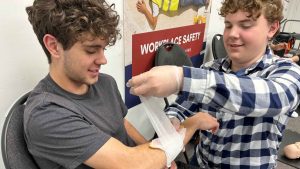
A course is the most impactful first aid gift you can give. A comprehensive Intermediate / Standard First Aid course covers a wide range of emergencies, from wounds and burns to breathing and cardiac problems, and includes CPR. If the recipient mainly wants the single most life-saving skill, a focused CPR and AED certification is a shorter, targeted option. For a teen on your list, a babysitting course teaches age-appropriate first aid alongside child-care basics. In every case, you are giving a credential and a capability that the recipient keeps for years.
A First Aid Kit as a Thoughtful Gift
A good first aid kit is a practical and thoughtful present, particularly when it is paired with the knowledge to use it. A kit signals that you care about the recipient’s safety, and it gives them something genuinely useful for everyday emergencies, road trips, and camping. A first aid kit on its own is helpful, but a kit combined with training is far more powerful, because supplies only help when someone knows how to use them confidently under pressure. Think of the kit as the companion to the real gift, which is the ability to respond.
Group and Family Training
Sometimes the best gift is a shared experience. Private group training lets a whole family, friend group, or team learn together in one session. It turns a holiday gathering into something memorable and useful, and it leaves everyone in the group better prepared. Group sessions can be arranged at a time and place that suits the participants, which makes them a flexible and inclusive option when you want to give a gift that several people can enjoy at once.
Give a CPR and AED Certification
CPR is the single skill most likely to save a life in a cardiac emergency. Give a focused certification this season.
How Can You Stay Safe During the Holidays?
The season is a time of celebration, but it also brings a predictable spike in home injuries. Knowing how to prevent the most common hazards, and how to treat minor injuries when they happen, helps keep your gathering joyful. Here are the areas where a little awareness goes a long way.
Kitchen Safety
Holiday cooking means more time at the stove and more opportunity for burns, cuts, and fires. Never leave cooking unattended, keep pot handles turned inward, and keep a fire extinguisher accessible. If a grease fire starts, never throw water on it. Cover the pan with a lid or use the extinguisher. Keep children and pets away from hot surfaces, and take special care with deep fryers, which cause many burns each season. For a minor burn, cool it under cool running water and cover it loosely. Anything larger or deeper needs medical attention.
Decoration Safety
Inspect electrical decorations for frayed wires, broken sockets, or loose connections before use, and do not overload outlets or extension cords. Keep candles away from flammable materials and never leave them unattended. Secure a natural tree in a sturdy stand and keep it well watered so it does not become a fire hazard. Remember that small ornaments and decoration parts can be choking hazards for young children and pets, so place them out of reach. A little preparation while decorating prevents the most common seasonal accidents.
Choking Prevention
Holiday meals, small toy parts, and the excitement of the season all raise choking risk, especially for young children and older adults. Cut food into small, manageable pieces for young children, supervise them while they eat and play with new toys, and watch for common hazards such as hard candy, nuts, grapes, popcorn, and small toy components. Knowing how to respond to choking, a skill taught in every first aid course, lets you act in the seconds that matter. Quick back blows and abdominal thrusts can clear an airway before an everyday emergency becomes a tragedy.
Winter Weather Safety
Canadian winters bring slippery surfaces, extreme cold, and carbon monoxide risks from heating systems. Keep walkways and stairs clear of ice and snow, dress in warm layers, and protect extremities from frostbite. Make sure your home has working carbon monoxide detectors, especially if you use a fireplace, gas furnace, or space heaters. Learn the early signs of hypothermia and frostbite, because prompt recognition and treatment prevent serious complications. A cold-weather emergency can escalate quickly, so awareness and a calm, practised response make a real difference.
Train the Whole Family or Team Together
Turn a holiday gathering into a shared, life-saving experience. Book a private group session for your family, friends, or workplace.
Key Takeaway
The best holiday gift is one that can save a life. A first aid and CPR course, a quality first aid kit, or a spot in a family training session gives the people you love the confidence and skills to handle emergencies, from choking at the dinner table to a winter fall, long after the decorations come down. It is a present that protects, prepares, and keeps on giving for years.
Find a Class and Begin the New Year Ready to Help
Give yourself or a loved one the gift of first aid training this season. Find a class at a location and date that works for you.
Frequently Asked Questions: Holiday First Aid Gifts 2026
Q1: What is a holiday first aid giveaway?
A: A holiday first aid giveaway is a seasonal program that makes life-saving education more accessible through free or discounted course registrations and first aid kit bundles. The goal is to put practical skills, such as CPR, choking response, and bleeding control, into the hands of more families and workplaces during the season of giving. Many people also use the phrase to describe giving first aid training itself as a holiday gift, since enrolling a loved one in a course is one of the most useful presents you can offer.
Q2: Why is first aid training a good holiday gift?
A: First aid training is a good holiday gift because it gives someone the confidence and skills to respond to real emergencies, from choking and burns to cardiac arrest. Unlike most presents, it does not break, wear out, or go out of style. The recipient keeps the knowledge for life, even though the certification needs periodic renewal. It is also universally relevant, so it suits almost anyone on your list, including parents, teens, travelers, and older adults who want to feel prepared at home.
Q3: Can you give a CPR course as a gift?
A: Yes. A CPR course makes an excellent gift because it teaches a skill that can directly save a life. Immediate bystander CPR can double or triple the chance of surviving cardiac arrest, so the recipient gains a genuinely powerful ability. You can gift a focused CPR and AED course or a comprehensive first aid program that includes CPR. Many providers offer flexible scheduling and group bookings, so the person you are gifting can choose a date and location that works for their schedule.
Q4: Is a first aid kit a good holiday present?
A: Yes. A good first aid kit is a practical and thoughtful present, especially when paired with the knowledge to use it. A kit shows the recipient you care about their safety and gives them something useful for everyday emergencies, road trips, and camping. The most valuable version of this gift combines the kit with a first aid course, so the person not only has the supplies but also knows how to respond confidently when an injury happens.
Q5: What first aid gift is best for new parents?
A: For new parents, a first aid and CPR course focused on infants and children is one of the most reassuring gifts you can give. It teaches how to respond to infant choking, fever emergencies, and breathing problems, which are among the situations new parents worry about most. The skills offer real peace of mind during a stressful and exciting time. A quality first aid kit sized for a baby bag is a useful companion gift that complements the training.
Q6: What is the best first aid gift for a teenager?
A: For a teenager, a babysitting or first aid course is a practical gift that doubles as a credential for work. Teens who learn first aid gain a valuable skill for babysitting, summer jobs, and volunteering, along with the confidence to help a sibling or friend in an emergency. The training is engaging and hands-on, and the certification can strengthen a resume. It is a gift that supports both safety and early career and employment goals.
Q7: Are first aid courses suitable for older adults?
A: Yes. First aid courses are suitable and valuable for older adults. Many older adults want the confidence to respond if a spouse, grandchild, or neighbor has a medical emergency at home. Courses move at a manageable pace and focus on practical skills such as recognizing a stroke, responding to choking, and using an AED. The training helps older adults feel prepared and capable, which makes it a thoughtful and empowering holiday gift rather than a token present.
More FAQs: Holiday Gifts and Seasonal Safety
Q8: How long does a first aid certification last?
A: A Intermediate / Standard First Aid and CPR certification typically stays valid for up to three years. After that, the recipient can keep their skills current through a recertification course, which is shorter than the full program. The underlying skills and awareness, however, last far longer. Graduates often report that years after a course they still feel ready to act in an emergency. This is part of what makes the training such a lasting gift compared with most seasonal presents.
Q9: Can the whole family take a first aid course together?
A: Yes. Families can take a first aid course together through group or private bookings. Training as a group is a meaningful holiday activity that leaves everyone better prepared. When more than one household member learns first aid, the whole family benefits, because any person present can step in during an emergency. Group sessions can be arranged for families, teams, or organizations that want to learn together at a time and place that suits them, which makes it a great choice for a shared gift.
Q10: What are the most common holiday injuries?
A: The holidays bring a spike in home injuries. Common examples include burns and cuts from increased cooking, falls related to decorating and icy walkways, and choking from holiday foods and small toy parts. Winter also raises the risk of cold-related injuries and carbon monoxide exposure from heating systems. Knowing how to treat these common injuries and respond to everyday emergencies turns a stressful moment into a manageable one, which is exactly why first aid training is so useful during the season.
Q11: How can I prevent kitchen burns during holiday cooking?
A: To prevent kitchen burns during holiday cooking, never leave cooking unattended, turn pot handles inward, and keep children and pets away from the stove and hot surfaces. Take extra care with deep fryers, which cause many burns and fires each season. If a grease fire starts, never throw water on it. Cover the pan with a lid or use a fire extinguisher. If a burn does happen, cool it under cool running water and seek medical care for anything more than a minor surface burn.
Q12: What should I do if someone chokes at a holiday meal?
A: If someone is choking and cannot cough, speak, or breathe, act immediately. For a responsive adult or child, give firm back blows followed by abdominal thrusts until the object clears or the person becomes unresponsive. If they become unresponsive, call emergency services and begin CPR. Choking response is taught in every first aid course, and practising it gives you the confidence to act fast at a holiday gathering. Cutting food into small pieces and supervising young children helps prevent choking in the first place.
Q13: Why are carbon monoxide detectors important in winter?
A: Carbon monoxide detectors are important in winter because fireplaces, gas furnaces, and space heaters all increase the risk of this odourless, colourless gas building up indoors. Carbon monoxide poisoning can cause headache, dizziness, confusion, and, at high levels, death. Working detectors give an early warning so a family can get to fresh air and call for help. Many provinces, including Ontario, legally require carbon monoxide alarms in homes with fuel-burning appliances or an attached garage, so it is both a safety step and a legal one.
Q14: Is online or blended first aid training a good gift?
A: Blended learning can be a convenient gift because it lets the recipient complete the knowledge portion online at their own pace, then attend an in-person session for hands-on skills. The in-person component matters, because skills like CPR and choking response must be practised on a manikin to be performed correctly. A purely online certificate is not a substitute for hands-on training. Blended options give flexibility while still ensuring the recipient leaves able to actually perform the skills under pressure.
Q15: When is the best time to give first aid training as a gift?
A: Any time is a good time, but the holidays and the new year are especially popular. Many people set goals to feel more prepared and capable, so a course gifted in December or January fits naturally with that intention. Practically, you can purchase the gift now and let the recipient choose a class date that suits their schedule, since courses run throughout the year. Giving the gift around the holidays simply pairs a meaningful present with a season focused on family and safety.
About the author and review
Written by Ashkon Pourheidary, co-founder of Coast2Coast First Aid & Aquatics, holder of a B.Sc. Hons in Neuroscience and Canadian Red Cross certified since 2011. Reviewed for accuracy against current first aid and seasonal safety guidance. Coast2Coast First Aid & Aquatics is a proud Canadian Red Cross Training Partner.
Source: Health Canada home and garden safety guidance on carbon monoxide and seasonal hazards. Health Canada.