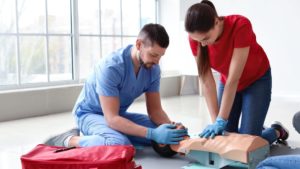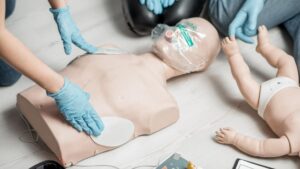

First aid and CPR are fundamental life skills every Canadian should learn, not just healthcare professionals. Approximately 35,000 out-of-hospital cardiac arrests occur in Canada each year, and immediate bystander CPR can double or triple survival rates. Formal certification through an accredited program teaches High-Performance CPR, AED use, and severe bleeding control so you are prepared to act in the critical minutes before emergency services arrive.
Find a First Aid Course Near You
Canadian Red Cross certified courses for individuals, families, and organizations across Canada.
35,000
out-of-hospital cardiac arrests in Canada each year
~10%
national survival rate without bystander CPR intervention
3 Years
validity of a Canadian Red Cross first aid and CPR certificate
Why Are First Aid and CPR Considered Essential Life Skills?
First aid and CPR are not niche, highly technical skills reserved exclusively for paramedics, nurses, and firefighters. They are fundamental, empowering life skills that every single person should possess, regardless of age, profession, or lifestyle. Medical emergencies happen every day in private homes, corporate workplaces, schools, parks, shopping centres, and on public transit. When a life-threatening event occurs, the person standing closest to the victim has the greatest power to influence the outcome.
The national statistics paint a compelling and urgent picture. According to the Heart and Stroke Foundation, approximately 35,000 cardiac arrests occur outside of hospitals each year in Canada. The survival rate for out-of-hospital cardiac arrest hovers around a grim 10 percent nationally. However, when a bystander who has completed formal CPR training performs high-quality chest compressions immediately, those survival rates can double or even triple. Despite this clear evidence, fewer than 40 percent of cardiac arrest victims actually receive bystander CPR. Closing that gap is exactly why accessible, community-based certification matters.
Are Medical Emergencies Really That Common in Everyday Life?
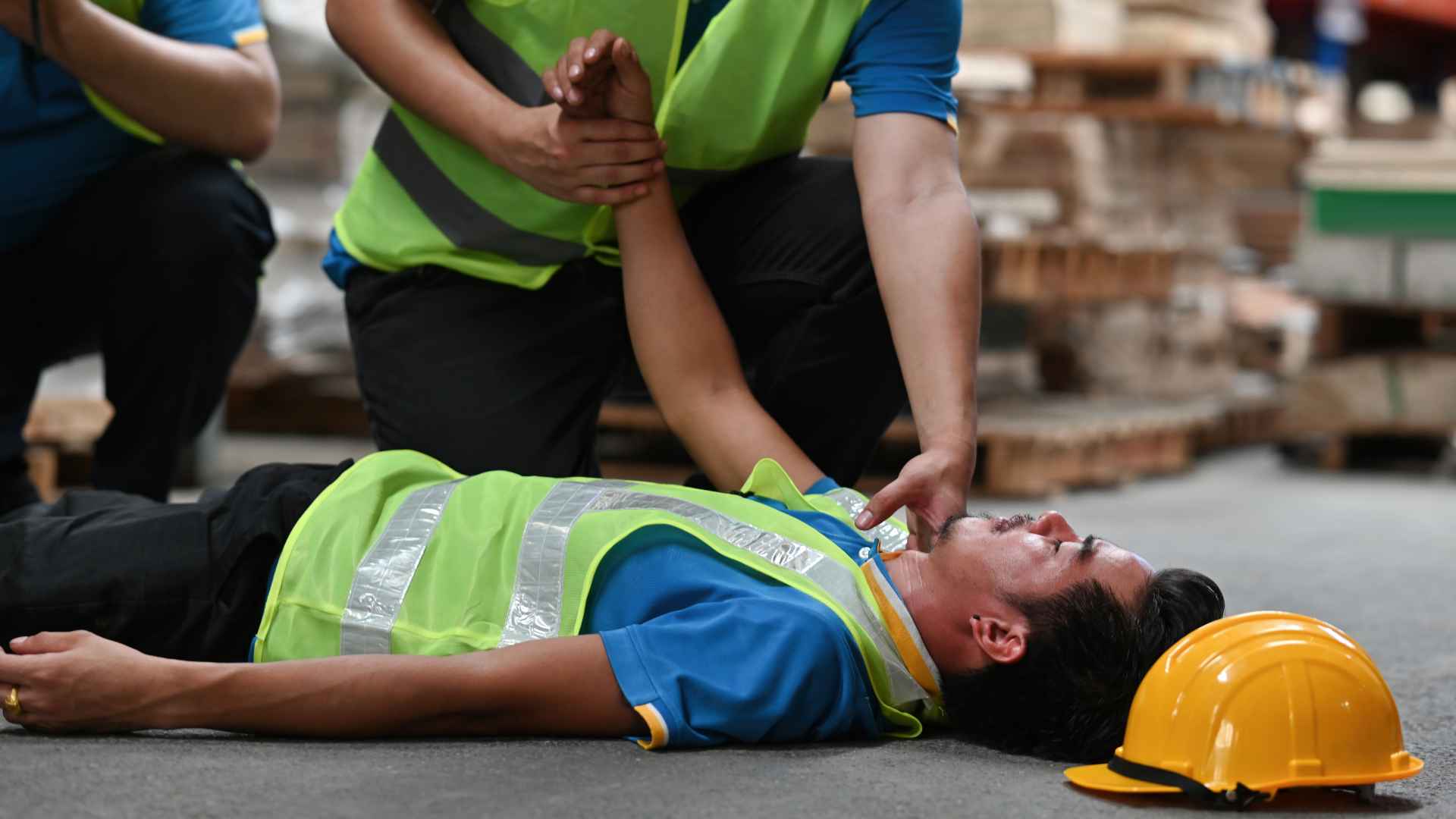
Many people incorrectly assume that severe medical emergencies are rare anomalies that only happen to “other people.” In reality, the average Canadian will encounter at least one critical situation in their lifetime where formal first aid or CPR skills are urgently needed. Sudden heart attacks, cardiac arrest, strokes, severe choking incidents, massive arterial bleeding, anaphylactic reactions, seizures, and diabetic emergencies are all surprisingly common occurrences that can affect anyone, anywhere, at any time.
What makes these situations particularly dangerous is that they almost always happen in uncontrolled settings where professional medical help is not immediately available. Nearly 80 percent of cardiac arrests occur at home, where the victim’s spouse, child, or parent is often the only person present. Choking is a leading cause of accidental injury and death in young children, typically happening during family meals at home or at daycare settings. Falls, severe thermal burns, and deep lacerations frequently occur during everyday activities like cooking, home renovation, gardening, or playing amateur sports.
In each of these scenarios, the physiological window for effective intervention is extremely short. For sudden cardiac arrest, irreversible brain damage begins within four to six minutes of oxygen deprivation. Having the hands-on training to accurately recognize the emergency and respond immediately with the correct technique is what separates a positive outcome from a tragic one.
What Is High-Performance CPR and Why Does It Matter?
Taking a modern Canadian Red Cross course goes far beyond the outdated advice of simply “pushing on the chest.” In 2026, the medical curriculum is driven by international resuscitation science and incorporates instructional video content to reinforce skills. Instructors emphasize High-Performance CPR, a clinical methodology designed to maximize the patient’s hemodynamic pressure and keep the brain oxygenated throughout a resuscitation attempt.
Understanding Chest Compression Fraction (CCF)
A core concept taught in these courses is the Chest Compression Fraction (CCF). CCF represents the total percentage of time during a rescue attempt that a responder spends actively compressing the chest. By learning to minimize physical pauses, such as when switching rescuers, giving rescue breaths, or applying Automated External Defibrillator (AED) pads, you drastically improve the victim’s chances of survival.
To master this, students work with high-fidelity feedback manikins that measure compression depth (at least 2 inches for adults) and rate (100 to 120 compressions per minute). Students are also trained on the use of barrier devices, such as one-way pocket masks, which are essential for safely delivering rescue breaths while preventing the transmission of infectious diseases.
Watch: How to Perform High-Quality CPR
Is First Aid Training a Legal Requirement for Canadian Workplaces?
Beyond personal preparedness, first aid training is a strict legal requirement across the Canadian workforce. Whether your employer is governed by WSIB in Ontario, WorkSafeBC, another provincial occupational health and safety (OHS) board, or must meet OSHA standards, businesses must maintain a specific ratio of certified first aiders on every shift.
For companies, investing in widespread staff training drastically reduces corporate liability. When an employer demonstrates proactive due diligence by ensuring their team passes a practical skills assessment and written examination, they protect themselves against “failure to rescue” claims. Furthermore, many commercial insurance providers offer premium reductions to businesses with robust safety cultures.
Who Needs First Aid and CPR Certification for Their Career?
Holding a valid, unexpired Canadian Red Cross certificate is a significant asset for career advancement. In today’s competitive job market, possessing your certification prerequisites proves to hiring managers that you are responsible, capable of handling high-stress situations, and dedicated to public safety. Several professional categories rely heavily on this training:
- Security Guards and Loss Prevention: Personnel patrolling commercial buildings must hold Intermediate / Standard First Aid to maintain their provincial security licences and manage crowd medical emergencies.
- Construction Foremen and Industrial Workers: High-risk job sites demand leaders trained in severe bleeding control, crush injuries, and spinal immobilization.
- Daycare Staff and Camp Counselors: Early childhood educators are legally required to hold CPR Level C to safely address pediatric emergencies, including anaphylaxis and infant choking.
- Hospitality and Retail Staff: Hotel managers and restaurant workers must be prepared to respond to sudden cardiac events in crowded public environments.
- Healthcare Providers and Professionals: Doctors, nurses, dental hygienists, and clinic staff require Basic Life Support (BLS) to master rapid pulse checks, team-based resuscitation, and oxygen administration with Bag-Valve-Masks.
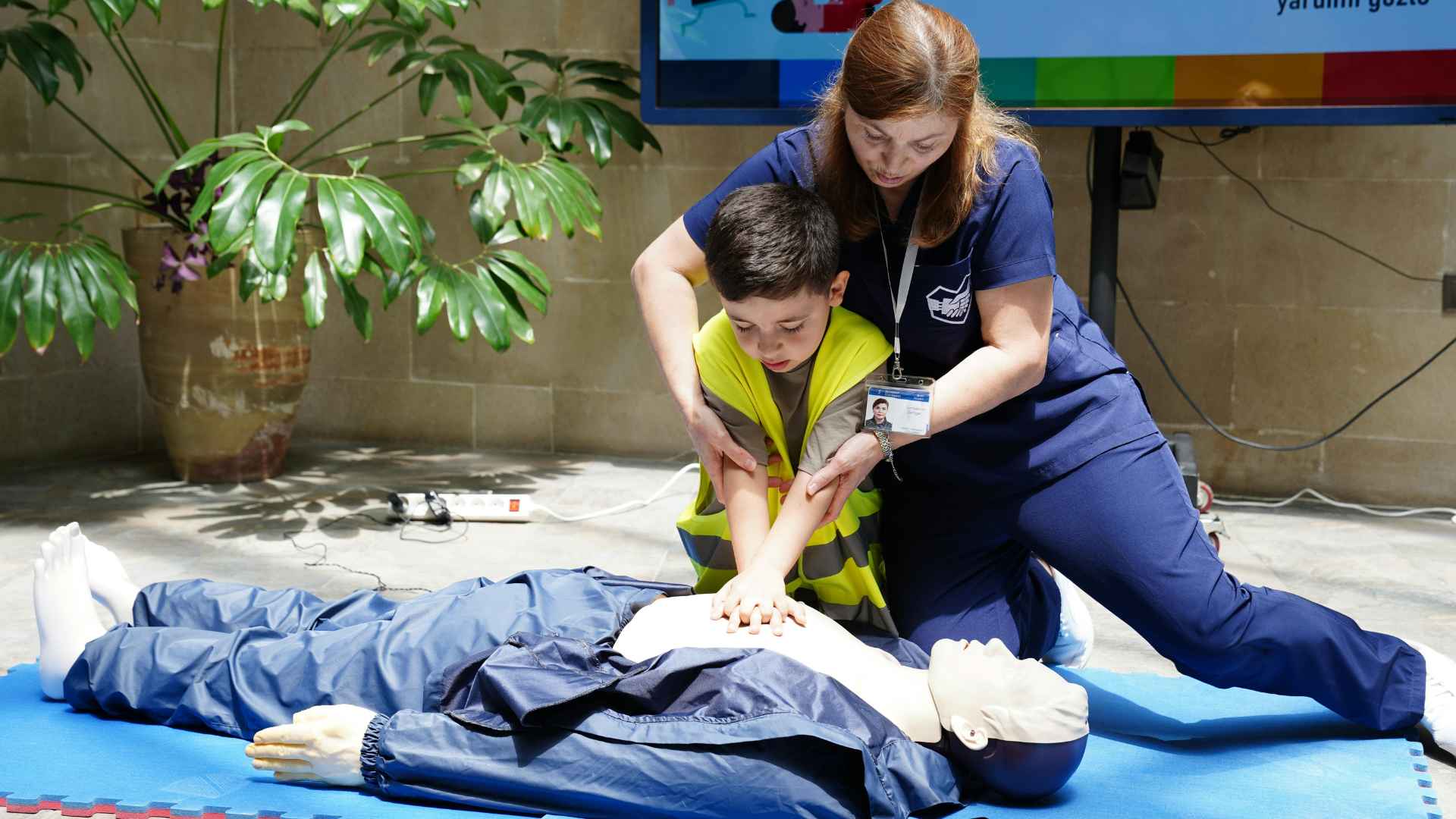
Learn CPR and AED in a Real Classroom
Hands-on CPR and AED skills training with Canadian Red Cross certified instructors.
What Are the Personal Benefits of Getting Certified?
Confidence in emergencies is one of the most immediate and profound personal benefits of certification. People who have completed formal training consistently report feeling calmer and more capable when faced with real-world medical emergencies. Instead of panicking or freezing, trained individuals know how to systematically assess the scene, take appropriate action, and communicate effectively with 911 dispatchers.
For parents and caregivers, this training provides unparalleled peace of mind. Knowing that you possess the physical skills to respond if your child chokes on a toy, has a severe allergic reaction, or suffers a serious fall provides a level of comfort that no amount of reading or video watching can replicate. The muscle memory built during a hands-on practical class ensures you act on instinct when seconds count.
What Course Options Are Available for Individuals and Organizations?
Coast2Coast First Aid and Aquatics offers a wide range of first aid and CPR courses providing structured learning opportunities for individuals and groups with different needs and schedules. All programs use high-quality training materials, including online resources, interactive practical activities, and printed handouts, to build both knowledge and physical skill.
Course Formats by Level
The CPR/AED course focuses on cardiac emergency response. The Emergency First Aid course adds comprehensive wound care, choking response, and recognition of common medical conditions in a fast-paced one-day format. The Intermediate / Standard First Aid course provides an in-depth two-day experience that satisfies all major provincial workplace requirements under CSA Z1210:24.
For those who want to minimize classroom time, a blended learning format allows you to complete the medical theory component online at your own pace before attending a shorter in-person practical session. Employers looking to train their entire staff can arrange private group sessions delivered directly at their facility. Digital course completion records and eCards are available online for added convenience.
Train Your Whole Team On-Site
Private group training sessions delivered at your facility for workplaces, schools, and organizations.
Key Takeaway
First aid and CPR certification is not optional for anyone who wants to be prepared for life’s emergencies. With 35,000 cardiac arrests occurring annually in Canada and over 80 percent happening at home, the most important first responder in most emergencies is the trained person who happens to be in the room. Certification gives you the skills, the confidence, and the legal protection to act, and it may be the single most important thing you do this year for yourself and the people you care about.
Get Your Intermediate / Standard First Aid Certification Today
Two-day Canadian Red Cross Intermediate / Standard First Aid course that satisfies all major provincial workplace requirements.
Frequently Asked Questions: First Aid and CPR Certification in Canada 2026
More FAQs: Workplace Requirements, Course Types, and Certification Rules
Sources and Further Reading
- Heart and Stroke Foundation of Canada: Out-of-Hospital Cardiac Arrest Statistics (2024)
- CSA Group: CAN/CSA-Z1210:24 First Aid in the Workplace (National Standard of Canada)
- Canadian Red Cross: First Aid and CPR Course Guidelines, 2025 Curriculum Edition
- Occupational Health and Safety Act (Ontario): Workplace First Aid Requirements