



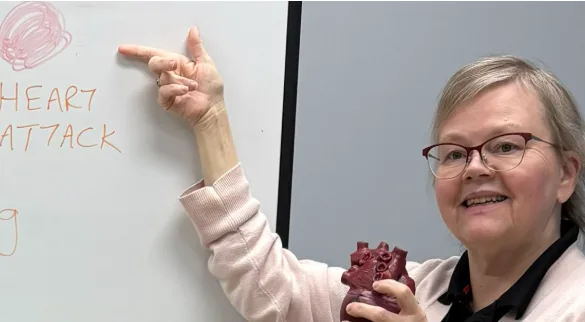
An Emergency Medical Responder (EMR) is a trained pre-hospital care provider who delivers immediate lifesaving interventions at the scene of an emergency before paramedics arrive. The EMR course is an 80-hour Canadian Red Cross certified program covering patient assessment, airway management, oxygen therapy, trauma care, pharmacology, and multi-casualty response. Upon successful completion, graduates receive a certificate valid for three years and qualify for roles in ambulance services, fire departments, industrial sites, ski patrol, and other emergency response settings across Canada.
(8-day program)
Validity
in Upgrade Course
What is an Emergency Medical Responder (EMR)?
An Emergency Medical Responder (EMR) is a pre-hospital care provider trained to deliver immediate lifesaving interventions at the scene of any type of emergency. EMRs are typically the first trained professionals to arrive, often before paramedics or ambulance crews, and they operate with the equipment on hand until additional resources arrive.
The EMR designation represents the highest level of first aid and CPR/AED certification available through the Canadian Red Cross. Unlike standard workplace first aid, the EMR program is built around the core competencies of professional pre-hospital care: systematic patient assessment, advanced airway techniques, hemorrhage control, and the ability to assist higher-level personnel during transport and extrication.
EMR programs exist in various forms internationally, with training durations ranging from 24 to 150 hours depending on the jurisdiction. In Canada, the Canadian Red Cross EMR course is the recognized national standard for this level of pre-hospital training.
What Does an EMR Do at the Scene of an Emergency?
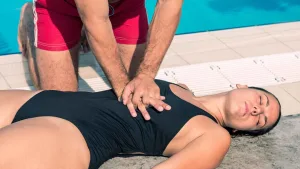
Emergency responders in the EMR role are trained to provide assistance across a wide range of emergency situations. At the scene, an EMR conducts a rapid primary assessment, establishes and maintains an airway, controls threatening hemorrhages, manages shock, and initiates care for acute and chronic medical emergencies while emergency medical services are in transit.
Specific interventions within an EMR’s scope of practice include:
- Airway management and ventilation support
- Oxygen therapy delivery
- Automated external defibrillation (AED use)
- Hemorrhage control and soft tissue trauma care
- Spinal precautions and musculoskeletal injury stabilization
- Management of sudden medical emergencies including cardiac and respiratory events
- Pregnancy emergencies and assisting with labour
- Crisis intervention and patient communication
- Multi-casualty incident triage and management
- Reaching and extricating patients from difficult environments
Once higher-level personnel arrive on scene, EMRs provide assistance to paramedics and other medical responders during patient transportation and handover. This collaborative role means EMRs must not only be skilled clinically but also capable of working effectively as part of a broader emergency response team.
EMR vs. Paramedic: What is the Difference?
A common question is how the EMR role compares to a Primary Care Paramedic (PCP) or other levels of paramedicine. The distinction comes down to scope of practice, training length, and authorized interventions.
EMR Scope of Practice
An EMR completes an 80-hour course and is authorized to conduct basic to intermediate lifesaving interventions, including oxygen therapy, automated external defibrillation, patient assessment, and trauma management. EMRs do not independently administer medications beyond those within their defined scope, though that scope may include limited administration such as epinephrine for allergic reactions or naloxone for opioid overdoses, and they do not transport patients independently in an ambulance service capacity.
Paramedic Scope of Practice
A Primary Care Paramedic (PCP) completes a significantly longer college-level program, typically one to two years in duration. PCPs can administer a broader range of medications, perform intravenous therapy, and transport patients independently as part of an organized ambulance service. Advanced Care Paramedics and Critical Care Paramedics operate at even higher levels, with more complex pharmacology and procedural skills.
For many candidates, the EMR course serves as an important gateway. It provides the foundational pre-hospital knowledge and field experience that supports a later application to a paramedic association program or college-level paramedicine training. In British Columbia, candidates interested in joining BC Emergency Health Services or the BC Ambulance Service often hold EMR certification as a baseline credential before pursuing additional training at the paramedic level.
What is Included in the EMR Course Curriculum?
The EMR program is structured to take participants from foundational knowledge through to advanced pre-hospital competency across both theoretical and hands-on practical learning. Below is an overview of the major topic areas covered throughout the course.
Foundational Sciences and Patient Assessment
Participants begin with anatomy and physiology, establishing the medical knowledge base required to understand how the body responds to trauma and illness. Patient assessment skills are developed through structured primary and secondary survey techniques, preparing EMRs to quickly identify life-threatening conditions and prioritize interventions.
Airway, Respiratory, and Circulatory Emergencies
Airway management is one of the most practiced skills in the EMR curriculum. Participants learn to open and maintain airways using manual techniques and adjuncts, deliver oxygen therapy, and support ventilation using bag-valve masks. Circulatory emergencies including cardiac arrest, abnormal rhythms, and the use of automated external defibrillation are covered in depth, alongside respiratory emergencies such as asthma, anaphylaxis, and pulmonary conditions.
Trauma, Shock, and Musculoskeletal Injuries
A significant portion of the curriculum addresses traumatic injuries. Participants practice controlling threatening hemorrhages, managing soft tissue wounds, recognizing and treating shock, and stabilizing musculoskeletal injuries including fractures, dislocations, and suspected spinal injuries. Head and spine injury management is emphasized given the high stakes of incorrect handling.
Medical Emergencies, Pharmacology, and Special Situations
The EMR course covers acute and chronic medical emergencies including diabetic crises, seizures, stroke, and poisoning. A foundational pharmacology module introduces medications within the EMR scope, helping prepare participants to understand when limited medication use is appropriate and how to administer or assist with specific drugs. Pregnancy emergencies, including normal and complicated labour, are also covered. The course concludes with advanced topics: multi-casualty incident management, crisis intervention, patient extrication in rescue scenarios, transporting patients, and the responsibilities of emergency responders under workplace legislation.
How Long is the EMR Course and What Are the Upgrade Options?
The EMR course is 80 hours in total, delivered over approximately 8 full days of instruction and practical training. Most sessions are structured across two consecutive weeks, though courses are also available across four weekends for participants who cannot commit to weekday attendance. The format allows working professionals to complete the program without extended time away from their employment. In Alberta, some certificate pathways are structured as two courses plus a Ride Along requirement supporting EMS professionals in real pre-hospital settings.
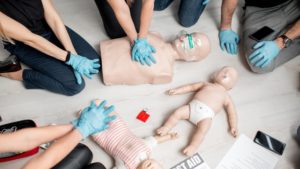
The balance between classroom theory and hands-on practice is a defining feature of the program. Participants spend significant time on scenario-based learning, applying their knowledge to simulated emergencies with state-of-the-art medical equipment. This approach ensures that graduates enter the field with both the theoretical understanding and the practical confidence to perform under pressure.
Upgrade and Recertification Options
For candidates who have already completed a basic first responder program, the EMR Upgrade course provides an additional 40 hours of theoretical and hands-on training to reach full EMR certification. The upgrade is a time-efficient route for experienced responders who already possess foundational pre-hospital skills.
Recertification is completed through a 4-day course taken before the three-year certificate expires. The recertification course is essential not only to maintain a valid credential but also to stay current with updated techniques, protocols, and equipment. Allowing a certificate to lapse can affect employment eligibility and may require undertaking the full 80-hour course rather than the shorter recertification program.
Train at the EMR Level with Canadian Red Cross Certification
The 80-hour EMR course is available for individuals and returning responders. Canadian Red Cross certified. Certificate valid for 3 years.
Who Should Take the EMR Course?
The EMR program is intended for individuals who serve, or plan to serve, as first responders in professional, industrial, or community settings where advanced pre-hospital care is required. Because the course is significantly more intensive than standard first aid, candidates should be prepared for a rigorous commitment of time and practical engagement.
Typical candidates who take the EMR course include:
- Industrial health and safety personnel at remote worksites, mines, and resource extraction operations
- Fire department personnel in volunteer or composite departments where pre-hospital response is part of the role
- Ski patrol members responding to on-hill injuries and medical emergencies at alpine resorts
- Marine and fishing industry workers in environments where emergency medical services are delayed or limited
- Security and enforcement professionals in high-risk or remote locations
- Rural and volunteer community responders in areas with limited EMS coverage
- International students studying in Canada who plan to pursue pre-hospital or emergency care careers
The EMR course is also a widely used stepping stone for those who want to gain employment in emergency medical services before beginning a formal paramedic program. Holding an EMR certificate demonstrates a serious commitment to pre-hospital care and strengthens applications to college-level paramedicine programs or positions with emergency medical service organizations.
For teams of eight or more, private group training is available, making it practical for fire departments, industrial operators, and large organizations to train their entire response team through a single coordinated session.
EMR Certification, Renewal, and Employment Pathways
Upon successful completion of all sections of the EMR course, candidates receive a Canadian Red Cross Emergency Medical Responder certificate. The certificate is valid for three years from the date of issue and is recognized by employers across Canada in ambulance services, fire departments, industrial operations, and emergency management, although recognition may also depend on whether the training provider and program meet locally approved standards where required.
Successful completion requires passing all theoretical and practical components. Candidates who do not meet the required standard in any section will need to undertake remediation before the certificate is issued. This ensures that every certified EMR has demonstrated the full range of core competencies expected at this level of pre-hospital care.
The 4-day recertification course must be completed before the certificate expires. A lapsed certification is not recertifiable through the shortened program; candidates with expired certificates may be required to complete the full 80-hour course again depending on how long the certificate has been expired and the training provider’s policies. Many employers in regulated industries maintain documentation tracking certificate expiry dates to ensure continuous compliance.
Roles in Emergency Medical Services
In British Columbia, organizations such as BC Emergency Health Services and the BC Ambulance Service recognize EMR certification as a foundational credential for entry-level roles in pre-hospital care. EMR-certified candidates who want to advance into full paramedic careers often use their certification and the field experience it provides to strengthen their application to Primary Care Paramedic college programs, paramedic association pathways, or advanced training. Hospital-based roles in patient transportation and emergency department support may also require or recognize EMR certification.
Industrial, Remote, and Community Roles
Beyond formal EMS employment, the EMR credential supports roles across a wide spectrum of industries. Mining operations, oil and gas sites, construction firms, and forestry companies operating in remote British Columbia and across Canada require on-site EMRs to provide immediate pre-hospital care when emergency services may be more than 30 minutes away. Ski patrol, marine vessel operations, and rural volunteer fire departments also rely on EMR-certified personnel.
For candidates working toward a career in emergency medical response, the EMR course provides both the technical skills and the recognized credential that Canadian employers expect. The combination of Canadian Red Cross certification, hands-on training hours, and demonstrated competency in lifesaving interventions makes EMR graduates competitive across a wide range of first responder roles. Candidates interested in broader first aid course options can explore the full range of Canadian Red Cross programs to find the level that best fits their goals.
Train Your Whole Response Team
Private group EMR training is available for organizations with eight or more participants. One session. Full team certification.
Key Takeaway
The Emergency Medical Responder course is the most advanced first aid and CPR/AED certification available through the Canadian Red Cross, requiring 80 hours of intensive training across patient assessment, airway management, trauma care, pharmacology, and multi-casualty response. EMRs are the first trained professionals on scene in many pre-hospital emergencies, and the credential is recognized by ambulance services, fire departments, industrial employers, and emergency management organizations across Canada. The certificate is valid for three years and must be renewed through a 4-day recertification course before expiry.
Join Thousands of Certified Canadian First Responders
Find a CPR/AED or first aid course near you and build the skills to respond when it matters most.
Frequently Asked Questions: Emergency Medical Responder 2025
More FAQs: EMR Training, Careers, and Renewal
About the Author & Sources
Ashkon Pourheidary holds a B.Sc. (Hons) in Neuroscience and has been a Canadian Red Cross certified first aid and CPR instructor since 2011. He is co-founder of Coast2Coast First Aid & Aquatics, a Canadian Red Cross Training Partner operating across Canada.
Regulatory Reference: Emergency Medical Responder scope of practice and pre-hospital care standards in Canada are governed provincially. In British Columbia, BC Emergency Health Services (BCEHS) sets the standards for EMR and paramedic certification within the province’s ambulance service system.
Content reviewed: May 2025. Coast2Coast First Aid & Aquatics · contact-us · 1-866-291-9121