
Quick Answer
First aid training in Canada is standardized through nationally recognized Canadian Red Cross programs governed by provincial occupational health and safety boards. Under the 2026 CSA Z1210:24 standards, training emphasizes High-Performance CPR and Chest Compression Fraction (CCF) to maximize cardiac arrest survival. Most workplace certificates are valid for three years, while CPR/AED skills are recommended to be refreshed annually; employers in Ontario must comply with WSIB Regulation 1101 regarding certified staff ratios and on-site first aid equipment requirements.
3 yrs
Certificate validity (Red Cross)
100–120
CPR compression rate (bpm)
30+
C2C training locations in Canada
What You’ll Learn
- How the Check, Call, Care framework structures emergency response
- The difference between Emergency First Aid and Intermediate / Standard First Aid under CSA Z1210:24
- What topics are covered in a first aid course and what skills you will practise hands-on
- How specialized first aid training is tailored for children, parents, and healthcare professionals
- Which professions legally require Red Cross certification in Canada
- What Chest Compression Fraction (CCF) is and why it improves cardiac arrest survival
- How WSIB Regulation 1101 governs workplace first aid requirements in Ontario
- How blended online learning works for first aid certification
What Is First Aid Training and Why Does It Matter?
First aid training teaches you the essential knowledge and life-saving skills to recognize a medical emergency, perform a rapid scene assessment, and provide high-stakes care until professional emergency medical services (EMS) arrive. Whether someone is experiencing a sudden cardiac arrest, massive arterial bleeding, or a severe allergic reaction, the actions taken in the first three to five minutes are the most decisive factors in their survival. In critical moments like these, the confidence and skills gained through hands-on training can make all the difference between life and death.
In a country as geographically diverse as Canada — where urban traffic can delay ambulances and remote job sites are miles from a hospital — knowing basic first aid is an essential safety skill for everyone. First aid training is not only about responding to major trauma; it also equips people to manage minor injuries, assist someone in distress, and protect the people around them while waiting for professional help.
In Canada, first aid education is strictly standardized through nationally recognized programs governed by provincial occupational health and safety (OHS) boards. Coast2Coast First Aid & Aquatics delivers these accredited programs across more than 30 training locations across Canada. Our 2026 curriculum integrates the latest resuscitation science, ensuring that every graduate — from new parents to corporate safety officers — is prepared for the psychological and physical demands of a real rescue.
What Is the Check, Call, Care Framework?
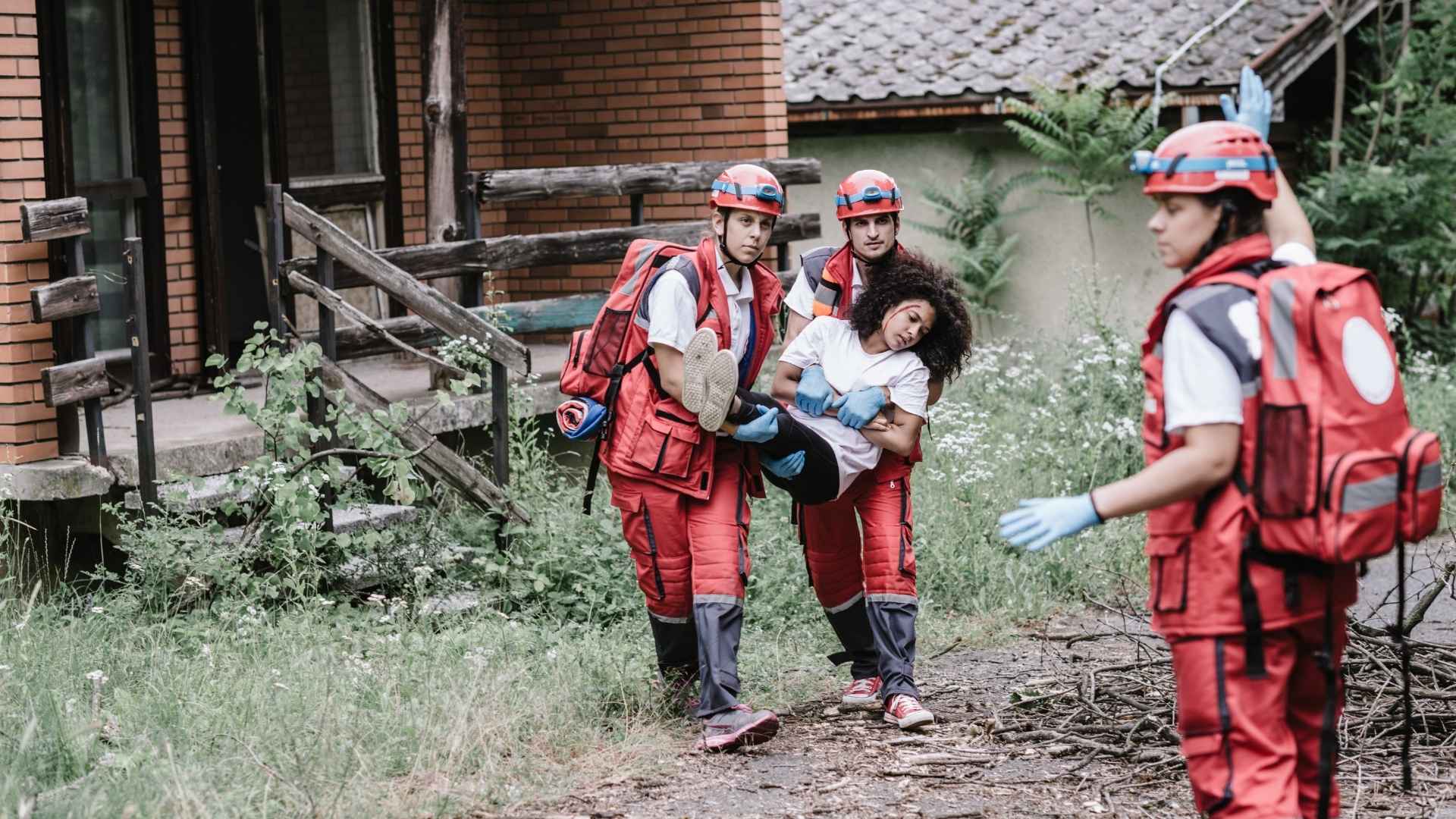
Every accredited Canadian Red Cross course begins with the foundational “Check, Call, Care” framework. This systematic protocol is designed to prevent bystander freeze by providing a repetitive, logical sequence of actions. In 2026, this framework has been refined to address the physiology of a successful save — focusing on speed and scene management from the first moment of contact.
Step 1: CHECK — The Scene and the Victim
Before you touch a patient, you must assess the scene for safety. Look for environmental hazards such as oncoming traffic, downed electrical wires, or aggressive individuals. Once the scene is safe, perform a primary assessment: tap the victim’s shoulder and call out, “Are you okay?” If they are unresponsive and not breathing normally, they are in a life-threatening crisis and you must act immediately. Training helps you recognize these signs quickly and respond with confidence rather than hesitation.
Step 2: CALL — Activate the EMS System
If the victim is unresponsive, call 911 without delay. In high-density locations, simultaneously direct a specific bystander to retrieve the nearest Automated External Defibrillator (AED). Point to individuals by clothing to overcome the Bystander Effect — for example, “You in the red jacket — call 911 right now.” Clear, directed instructions dramatically increase the speed of the emergency response chain and ensure professional help is on the way while you begin to assist.
Step 3: CARE — Clinical Intervention
This is where you provide lifesaving care based on your primary assessment. Depending on the emergency, this may involve beginning High-Performance CPR, controlling severe bleeding with direct pressure, managing severe allergic reactions, or administering naloxone for a suspected opioid overdose. Your role as a trained responder is to maintain the victim’s stability until paramedics arrive — bridging the crucial gap between the emergency and the arrival of medical professionals.
2026 Compliance Update
Under the 2026 CSA Z1210:24 standards, the use of barrier devices — such as one-way valve pocket masks — is now a mandatory component of all “Care” protocols. These devices ensure rescue breaths are delivered safely and protect the responder from infectious disease transmission. Confirm your training provider includes this requirement in their curriculum.
Emergency vs. Intermediate / Standard First Aid: Which Course Do You Need?
In Canada, first aid courses are organized into certification levels that correspond to workplace size, staff ratios, and industry risk. Understanding the CSA Z1210:24 standards will help you choose the right course for your professional or personal needs. As a general rule under provincial OHS legislation, Emergency First Aid is mandatory for shifts with 1 to 5 workers, while Intermediate / Standard First Aid is required for shifts with 6 or more workers — though exact thresholds vary by province and hazard classification.
Emergency First Aid (Basic Level)
This is a one-day program of approximately eight hours, focused on immediate life-threatening emergencies. It is the minimum certification requirement for many small Ontario workplaces under WSIB Regulation 1101. Topics covered include High-Performance CPR, AED usage, choking response, wound care, and management of massive bleeding and medical shock. Most basic first aid courses have no formal prerequisites — they are designed to be accessible to anyone, with instructional materials written to a Grade 8 reading level. Enroll in an Emergency First Aid course to meet this requirement.
Intermediate / Standard First Aid (Intermediate Level)
This is the comprehensive two-day course required for the majority of Canadian industries. Building on the Emergency level, the second day adds complex trauma management. Additional topics covered include head and spinal injuries, bone and joint immobilization, environmental emergencies such as hypothermia and heat stroke, poisons, and multiple-casualty management. If you work in construction, security, education, or healthcare support roles, Intermediate / Standard First Aid is almost certainly the correct course for your needs.
Advanced First Aid (Remote & High-Risk Environments)
Advanced First Aid is a detailed multi-day program designed for remote workplaces, industrial response teams, and individuals working in high-risk environments far from hospital access. It goes well beyond Intermediate / Standard First Aid to prepare participants for patient assessment and management over extended periods without access to medical professionals. Workers in forestry, mining, offshore operations, and wilderness guiding commonly require this level of training.
Watch: Essential First Aid and CPR Skills
What Topics Are Covered in a First Aid Course?
First aid courses cover a wide range of skills for managing medical emergencies across many scenarios. While the exact topics covered depend on the certification level, most accredited programs address the following areas:
- CPR and AED operation: How to perform CPR correctly on adults, children, and infants, and how to safely operate an Automated External Defibrillator (AED) to respond to cardiac arrest.
- Choking response: Techniques for clearing airway obstructions in conscious and unconscious persons, including infants.
- Wound care and bleeding control: How to clean, dress, and bandage wounds, apply direct pressure, and recognize signs of infection or shock from blood loss.
- Allergic reactions and anaphylaxis: How to recognize the signs of a severe allergic reaction, administer an epinephrine auto-injector, and provide supportive care while waiting for professional help.
- Burns and injuries: Correct assessment and management of minor and major burns, fractures, sprains, and dislocations.
- Stroke recognition: Applying the FAST method (Face drooping, Arm weakness, Speech difficulty, Time to call 911) to recognize the signs of stroke in critical moments.
- Medical emergencies: Responding to heart attacks, diabetic emergencies, seizures, and loss of consciousness.
- First aid equipment and supplies: How to correctly use the contents of a workplace first aid kit, including bandages, gauze, tourniquets, barrier devices, and rescue masks.
All of these skills are taught through a combination of instruction, practical demonstrations by the trainer, and hands-on training where students actively participate — practising techniques on manikins and training aids under the supervision of a certified instructor. Hands-on training is not optional; it is the component that builds the muscle memory and confidence needed to actually perform CPR or assist in a real emergency.
What Specialized First Aid Training Is Available in Canada?
First aid training in Canada can be tailored to meet the needs of specific groups and environments. Beyond standard workplace certification, a number of specialized training programs teach participants relevant skills for their particular context.
First Aid Training for Children
The Canadian Red Cross Stay Safe! program is designed for children aged 9 to 13, teaching basic first aid skills such as wound care, how to call 9-1-1, and fundamental safety rules. For older children aged 11 to 16, the Babysitting course covers emergency care for younger children, managing difficult situations, and the basics of CPR. These programs teach children that they can assist in an emergency even before adults or professional help arrives — a genuinely life-saving lesson that builds confidence and responsibility.
First Aid Training for Parents
Specialized first aid courses for parents equip them with essential life-saving skills including infant and child CPR, choking response for infants, wound care, and how to recognize and respond to severe allergic reactions in children. These are the skills most crucial for protecting a child in an emergency in the moments before professional medical help arrives. Parents who complete certified first aid and CPR training have the knowledge and practical confidence to act decisively when it matters most.
CPR and AED Courses for the General Public
CPR courses are available as standalone programs for individuals who want to focus specifically on cardiovascular emergencies. CPR/AED training is essential for equipping people with the skills to respond to cardiac arrest effectively — and it is the area where bystander action most directly saves lives. These courses include comprehensive hands-on practice, allowing participants to gain the confidence and physical technique needed to correctly perform CPR when every second counts. The Canadian Red Cross recommends that CPR/AED training be updated annually to keep skills sharp and current with evolving guidelines.
Basic Life Support (BLS) for Healthcare Professionals
Healthcare professionals — including nurses, paramedics, medical students, and allied health workers — require a higher level of resuscitation training than the general public. Basic Life Support (BLS) is the specialized training standard for this audience, covering team-based CPR, two-rescuer resuscitation, bag-valve-mask ventilation, and clinical decision-making during cardiac arrest. BLS recertification is typically required annually for most healthcare roles.
Which Professions Require First Aid Certification in Canada?
In 2026, holding a valid, unexpired Canadian Red Cross certificate is a strict legal prerequisite for many professional roles. Having a first aid certificate may be required for certain jobs, enhance a resume in competitive fields, and is increasingly expected even in roles that don’t legally mandate it. The following industries are most directly affected by certification requirements:
- Security Guards & Loss Prevention: Must hold Intermediate / Standard First Aid to legally maintain their provincial security guard license and assist during public safety incidents.
- Daycare Staff & Early Childhood Educators: Legally required to hold CPR Level C to respond to pediatric choking, anaphylaxis, and infant resuscitation.
- Construction & Industrial Workers: High-risk job sites require site safety officers trained in trauma management, oxygen administration, and multiple-casualty response.
- Healthcare Professionals: Nurses, medical students, and allied health workers require annual BLS certification to maintain team-based clinical resuscitation standards.
- Hospitality & Fitness Professionals: Restaurant managers and personal trainers are frequently the first to respond during cardiac events in crowded public venues, and certification builds the confidence to act correctly.
What Is High-Performance CPR and Why Does Chest Compression Fraction Matter?
Modern first aid training has moved well beyond basic compressions into evidence-based, metric-driven resuscitation. A core concept taught in 2026 courses is the Chest Compression Fraction (CCF) — the percentage of total rescue time spent actively performing chest compressions. The science is unambiguous: keeping CCF as high as possible is one of the strongest predictors of cardiac arrest survival, and it is one of the key reasons hands-on training matters so much.
Even a 10-second pause — to check a pulse or prepare an AED — causes blood pressure to drop to zero, and it then takes multiple compressions to rebuild adequate cerebral perfusion pressure. This is why trained responders learn to pre-position the AED and minimize all transitions. During a practical skills assessment, students use high-fidelity feedback manikins that provide real-time digital data on compression depth (at least 2 inches for adults) and rate (100–120 bpm), allowing instructors to coach to measurable performance standards. This kind of practical demonstration and guided practice is how students develop the correct technique needed to actually perform CPR effectively under pressure.
Students also learn the FAST method for stroke recognition (Face drooping, Arm weakness, Speech difficulty, Time to call 911) and how to manage the Vertical Response Delay that commonly occurs in high-rise residential and commercial buildings, where elevator wait times can add critical minutes to EMS response.
How Does WSIB Regulation 1101 Govern Workplace First Aid in Ontario?
For Ontario employers, first aid training is not optional — it is a statutory requirement. WSIB Regulation 1101 specifies the number of certified first aid workers required relative to the number of employees at a worksite, as well as the type of first aid kit (Type 1, 2, or 3) required based on workplace size and hazard classification. Employers are also required to supply appropriate first aid equipment, maintain treatment logbooks, and ensure a designated first aider is on duty at all times. Failure to maintain current, unexpired certifications can result in Ministry of Labour fines and significant corporate liability if a workplace injury occurs.
To be valid for workplace compliance, training must be conducted through a recognized, approved provider. In Canada, major approved providers include the Canadian Red Cross, St. John Ambulance Canada, the Heart & Stroke Foundation, and the Lifesaving Society. Most provincial boards will also accept out-of-province first aid certificates, provided they meet the CSA Z1210 standard. Always confirm with your provincial OHS authority that your chosen provider is approved before booking.
Coast2Coast helps organizations meet these standards efficiently through private group training. Instructors bring professional equipment directly to your facility, ensuring your team is assessed in the actual environment where an emergency is most likely to occur — whether that is a corporate office, logistics warehouse, or school gymnasium.
What Should You Expect During a First Aid Course?
Understanding what to expect when you participate in a first aid course helps you prepare and get the most from your training. Here is a clear overview of what a typical accredited course involves:
Classroom Instruction and Practical Demonstrations
The course begins with structured classroom instruction covering emergency recognition, assessment protocols, and the skills specific to your certification level. Instructors use practical demonstrations to show correct technique — including how to perform CPR, apply bandages, use an AED, and manage bleeding with the correct first aid supplies from a workplace kit. Instructional materials are written to a Grade 8 reading level to ensure accessibility for all participants.
Hands-On Training and Skills Practice
After instruction and demonstration, students actively participate in hands-on training exercises. You will physically perform CPR on manikins, practise using an AED, apply wound care techniques, and simulate responding to a variety of medical emergencies. This is the critical component of the course — the point where knowledge becomes a practised skill. Students receive real-time feedback from instructors on depth, rate, and technique, building the confidence to respond correctly in a real emergency.
Written Examination and Practical Assessment
To graduate and receive certification, trainees must successfully pass both a multiple-choice written examination and a physical skills evaluation. The written test assesses knowledge of emergency protocols, anatomy basics, and decision-making under pressure. The practical assessment evaluates whether you can correctly perform CPR, use the AED, and respond to the core emergency scenarios covered in the course. Both components must be completed in person with a certified instructor present.
How Does Blended Online Learning Work for First Aid Certification?
To make certification more accessible for working Canadians, Coast2Coast offers a blended online learning format. This hybrid model allows learners to complete all medical theory modules online at their own pace, on any device. Once the online portion is finished, students attend a shortened in-person session focused entirely on hands-on skills evaluation and a written examination — meeting the mandatory practical component required for a valid workplace certificate under provincial OHS legislation.
This approach substantially reduces the time required in a classroom without compromising the quality of assessment. It is especially practical for employers scheduling multiple staff certifications, shift workers with irregular hours, or individuals balancing family and work commitments. Many training providers now offer blended learning options for recertification as well, combining online theory review with a condensed in-person practical session.
Key Takeaway
First aid certification in Canada is a three-year credential governed by provincial OHS legislation and CSA Z1210:24 standards, with CPR/AED skills recommended for annual renewal. Courses cover a comprehensive range of topics — from CPR and AED use to wound care, allergic reactions, and stroke recognition — taught through hands-on training and practical demonstrations. The 2026 curriculum prioritizes High-Performance CPR with measurable Chest Compression Fraction targets, and training must be completed through an approved provider to be valid for workplace compliance. Both Emergency and Intermediate / Standard First Aid certifications are available in-person and through blended online learning.
Get Certified — Find a Course Near You
Coast2Coast offers WSIB-approved Emergency and Intermediate / Standard First Aid courses at 30+ locations across Canada, plus blended online learning options. Find a date that works for your schedule.
Frequently Asked Questions: 2026 First Aid Training in Canada
Sources & Regulatory References
- CSA Group — CSA Z1210:24: First Aid for the Workplace (2024 edition, effective 2026)
- Ontario Workplace Safety & Insurance Board (WSIB) — Regulation 1101: First Aid Requirements
- Canadian Red Cross — First Aid & CPR/AED Program Standards, 2026 curriculum
- Ontario Ministry of Labour, Immigration, Training and Skills Development — Occupational Health and Safety Act (OHSA)
- Ontario Ministry of Community Safety and Correctional Services — Private Security and Investigative Services Act, 2005
- American Heart Association / International Liaison Committee on Resuscitation (ILCOR) — Guidelines for CPR and Emergency Cardiovascular Care, 2020 update (in effect)
- St. John Ambulance Canada — Workplace First Aid Standards
- Heart & Stroke Foundation of Canada — CPR & AED Program
Content reviewed by Ashkon Pourheidary, B.Sc. (Hons), Emergency Medical Responder Instructor, Canadian Red Cross Instructor Trainer. Last reviewed March 6, 2026.