


Executive Summary: Equipping students with First Aid and CPR skills ensures schools are prepared to meet the critical 120-second response rule during campus emergencies. Our American Red Cross and AHA-approved programs strictly align with modern guidelines, including the robust CSA Z1210:24 standards. Offering Basic and Intermediate levels valid for two years, these certifications empower the next generation with essential, life-saving readiness.
First aid is an essential life skill that empowers individuals to take action during emergencies. Teaching first aid in schools not only equips students to manage unexpected situations but also fosters a culture of care, responsibility, and preparedness. This blog explores why first aid education is vital in United States schools and how it benefits students, teachers, and the broader community.
This blog explores why first aid should be taught in US schools and how it empowers students to respond confidently in emergencies. First aid education creates safer, more resilient school communities. Learn how your school can implement effective programs and prepare the next generation of lifesavers.
Why First Aid Education Belongs in American Schools
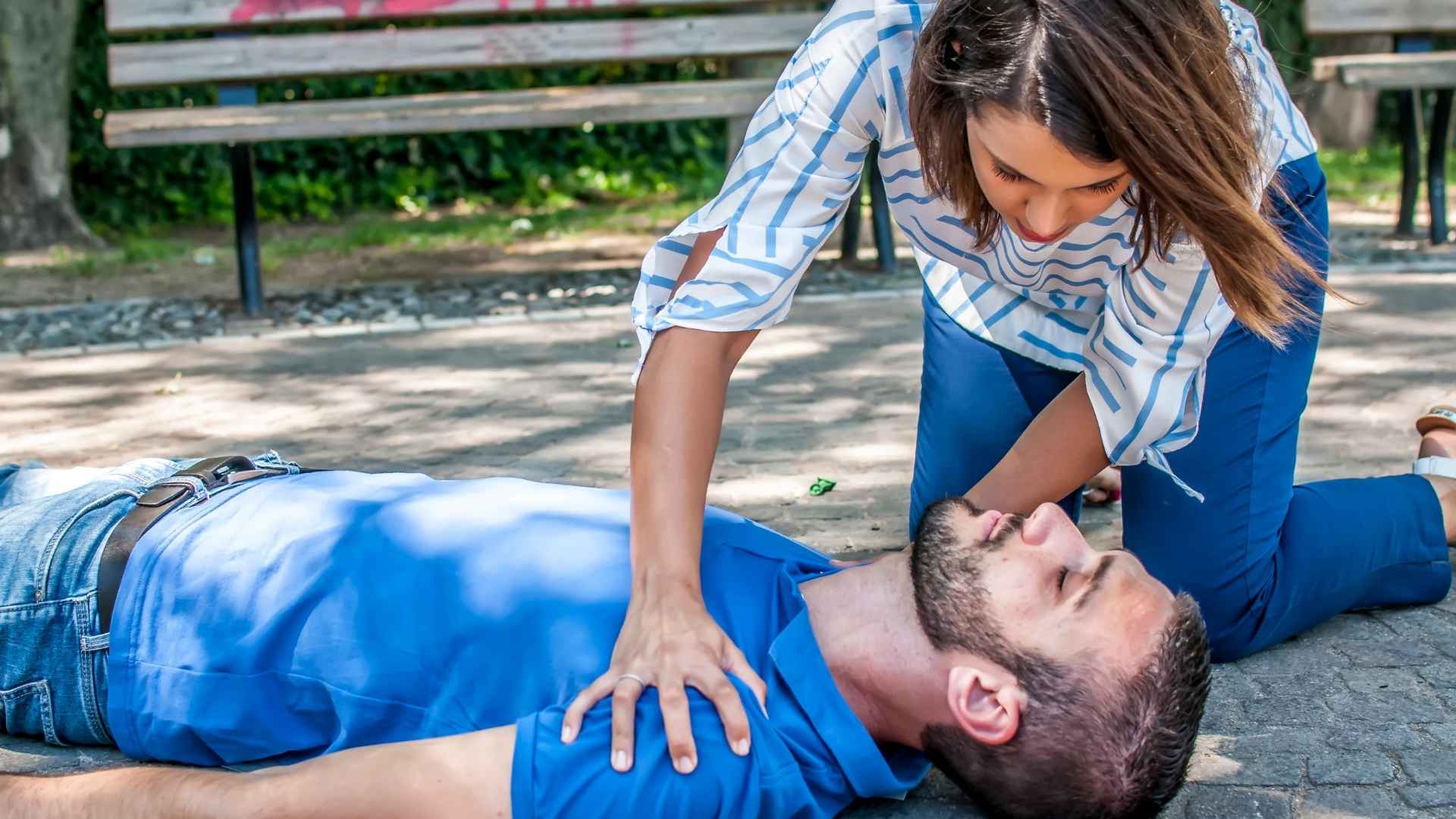
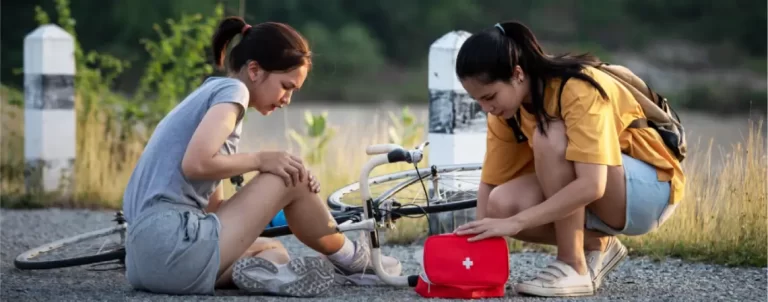
Emergencies can happen anywhere; at home, in public spaces, and of course, in schools. First aid training gives students the knowledge and confidence to address common emergencies, from minor injuries like cuts and sprains to more serious situations such as cardiac arrest, severe bleeding, asthma attacks, or choking.
In the United States, organizations like Coast2Coast First Aid & Safety emphasize that quick action during emergencies significantly improves outcomes. Giving young people the tools to recognize and respond to crises can help save lives, reduce preventable injuries, and create safer school environments.
Integrating first aid into the school curriculum is more than an educational add-on. It’s a critical investment in student and community safety!

The Case for First Aid Education in California Schools
California is home to over 6 million students enrolled in public schools, making it the largest school system in the nation. Despite this, first aid and CPR education remain optional in most school districts. Advocates argue that integrating life-saving skills into the standard curriculum would create lasting benefits for students, families, and communities across the state. Organizations like the American Heart Association actively support legislation requiring CPR instruction before high school graduation.
Age-Appropriate First Aid Training Programs
⚠️ Compliance Alert for Employers
To remain fully compliant with the CSA Z1210:24 standard, ensure you register for the correct level: Basic (formerly Emergency) for low-risk environments, or Intermediate (formerly Standard) for high-risk or larger workplaces.
First aid education can be adapted for every age group. Elementary students can learn basic wound care, how to call 911, and the importance of telling an adult during an emergency. Middle school students are ready to learn the recovery position, basic bandaging techniques, and how to recognize common medical emergencies. High school students should receive hands-on CPR and AED training that meets nationally recognized certification standards.
Building Confidence and Reducing Bystander Effect
One of the most significant barriers to effective emergency response is the bystander effect, where people hesitate to act because they assume someone else will help. Students trained in first aid develop the confidence to take action during emergencies rather than freezing or looking away. This training empowers young people to become active participants in their community’s safety net, a mindset that carries forward throughout their entire lives.
Benefits Beyond the Classroom
Students who learn first aid bring that knowledge home to their families. A child who knows how to recognize the signs of a heart attack or stroke may save a grandparent’s life. A teenager trained in Basic Life Support can respond to a choking emergency at a family gathering. The ripple effect of school-based first aid education extends far beyond the classroom walls, creating safer homes and neighborhoods throughout California.
How Schools Can Get Started
Implementing first aid education does not require a complete curriculum overhaul. Many schools start by hosting annual first aid and CPR workshops during health class or as special assemblies. Private group courses can be arranged for entire grade levels, making training accessible and cost-effective. Teachers and staff should also maintain current certifications to serve as first responders on campus during school hours.
Legislative Progress and State Requirements
Several states have already passed legislation requiring CPR training before high school graduation, and California has taken steps in this direction with Assembly Bill 1719 which encourages but does not mandate CPR instruction in schools. Supporters of mandatory training point to the fact that nearly 350,000 out-of-hospital cardiac arrests occur in the United States each year, and survival rates more than double when a bystander performs CPR. By training students in first aid and emergency response, California could significantly increase the number of trained citizens prepared to act during cardiac emergencies and other life-threatening situations.
Schools that adopt first aid training programs also report improved student engagement, greater empathy among peers, and a stronger sense of community responsibility. These social and emotional learning benefits complement the practical life-saving skills students acquire, making first aid education a valuable addition to any school curriculum in the state.
The long-term economic benefits are equally compelling. Communities with higher rates of CPR-trained citizens experience better cardiac arrest survival rates, reducing the burden on emergency healthcare systems and lowering long-term disability costs across the state.
Watch: Why First Aid Training Matters
If you are an educator, school administrator, or parent who wants to bring first aid training to your California school, contact Coast2Coast First Aid & Aquatics to discuss youth training programs available at locations in Los Angeles, Pasadena, Anaheim, and across the state.
Benefits of Teaching First Aid to Students
First aid education offers numerous long-term benefits, such as:
- Greater confidence and calm under pressure – students learn to stay composed, assess situations, and take thoughtful action
- A culture of care and responsibility – when students understand how to help others, they develop empathy and a stronger sense of community
- Practical life skills – decision-making, problem-solving, communication, and leadership all grow through first aid practice
Teaching first aid in schools helps students become capable, caring individuals, impacting not only their own lives but the safety of the communities they belong to.
Register for CPR or First Aid Training
Register today for a CPR or First Aid training course at one of our 30+ locations across Canada and the U.S. Check out our facilities and book your spot now.
Developing Responsibility and Confidence Through First Aid
Knowing how to respond in a crisis empowers students and builds confidence. Whether a student witnesses someone faint in the hallway, sees a sibling choke during dinner, or encounters an injured person in a public place, first aid training helps them act instead of panicking.
This ability to step in and help nurtures responsibility, leadership, and maturity. All of these are qualities that benefit students far beyond the classroom.
Skills that Save Lives and Improve Emergency Outcomes
One of the most impactful reasons to teach first aid in schools is its ability to reduce long-term injury and improve survival outcomes. Students trained in CPR, bleeding control, and wound care can provide immediate assistance until EMS professionals arrive.
Early intervention is critical. In emergencies such as cardiac arrest, severe bleeding, or an allergic reaction, even a few minutes can make the difference between life and death.

How Schools Can Successfully Introduce First Aid Programs
Successfully introducing first aid education requires proper planning and certified instruction. Schools should:
- Partner with certified training providers who follow American Red Cross guidelines, such as Coast2Coast First Aid & Safety
- Choose age-appropriate programs that build skills progressively
- Train both students and staff to ensure a comprehensive school-wide approach
- Integrate first aid into the health curriculum or offer it as an extracurricular or special program
With the right structure, first aid programs can become a seamless and impactful part of US education.
Why Teachers and Staff Should Be First Aid Certified Too
While student training is important, teachers and staff play a critical role in emergency response during school hours. Many US school districts strongly encourage, and in some states require, educators, coaches, and childcare staff to maintain current CPR and first aid certification.

FAQs About First Aid Education in US Schools
At what age should children begin First Aid training?
Children as young as 5 or 6 can start learning the basics, like how to recognize emergencies, call 911, or help someone who is hurt. As they grow, they can progress to more advanced skills such as CPR, bleeding control, and AED use. Most formal certification programs recommend age 12+ for completing official first aid and CPR courses.
How much does first aid training cost for schools?
Costs vary depending on:
- Class size
- Course level
- Materials needed
- Location
Many providers offer discounted rates for schools. Coast2Coast First Aid & Safety works with schools to create affordable packages through private first aid training that meet their safety goals.
Preparing the Next Generation with Life-Saving Skills
Teaching first aid in US schools equips students with life-saving skills that extend far beyond the classroom. By empowering young people to act confidently in emergencies, we strengthen families, schools, and communities.
If you’re an educator or administrator looking to bring first aid training to your school, explore the comprehensive programs offered by Coast2Coast First Aid & Safety and take the first step toward building the next generation of lifesavers.
Ready to Make a Difference?
Inquire Today
Recommended Courses
First Aid & CPR Courses

Coast2Coast CPR/AED Courses Information

Private First Aid & CPR/AED Programs
| Course Level (2026 Standards) | Target Audience | Duration | Validity |
|---|---|---|---|
| Basic (Emergency) First Aid & CPR | Students, teachers, low-risk classrooms | 1 Day | 2 Years |
| Intermediate (Standard) First Aid & CPR | School nurses, physical education staff, coaches | 2 Days | 2 Years |
| Basic Life Support (BLS) | Campus security, medical staff, specialized response teams | 4-5 Hours | 1 Year |
Comprehensive School First Aid FAQs
Question 1: Why should US schools teach first aid to students?
Answer: Teaching first aid equips students to manage unexpected health crises, fosters a culture of preparedness, and creates a generation of capable responders who can address life-threatening situations until EMS arrives.
Question 2: What is the 120-second response rule in schools?
Answer: The 120-second response rule refers to the critical window in which a trained responder must recognize an emergency, access the victim, and begin resuscitation or intervention to prevent irreversible brain damage.
Question 3: Does California mandate CPR training in high schools?
Answer: While California Assembly Bill 1719 heavily encourages CPR instruction in high schools, it is not universally mandated across all districts. Advocates are actively pushing for state-wide requirements.
Question 4: How long is an American Red Cross CPR certification valid for a student?
Answer: An American Red Cross Basic or Intermediate First Aid and CPR certification earned by a student is valid for exactly two years from the date of course completion.
Question 5: What age is appropriate for hands-on CPR and AED training?
Answer: Research shows that children as young as 9 can learn effective CPR techniques, but formal certification courses involving adult-level compressions and AED use are typically recommended for ages 12 and up.
Question 6: What is the CSA Z1210:24 standard and does it apply to schools?
Answer: The CSA Z1210:24 standard is an internationally recognized, stringent framework for first aid training. School staff completing approved Basic or Intermediate courses will meet these high compliance benchmarks.
Question 7: Can a student legally use an AED during an emergency?
Answer: Yes. With proper training, a student is fully capable of deploying an Automated External Defibrillator (AED), which provides verbal instructions and will not administer a shock unless a lethal arrhythmia is detected.
Question 8: What is the difference between Basic and Intermediate first aid for school staff?
Answer: Basic (formerly Emergency) First Aid is a 1-day course suitable for standard classrooms. Intermediate (formerly Standard) First Aid is a comprehensive 2-day course covering complex injuries, ideal for coaches and PE teachers.
Question 9: Do teachers and coaches need BLS certification?
Answer: Standard teachers generally only need Basic or Intermediate CPR/First Aid. Basic Life Support (BLS) is an advanced professional level typically required for school nurses and specialized campus security.
Question 10: Does Coast2Coast offer private first aid group training for schools?
Answer: Yes, Coast2Coast First Aid & Aquatics offers private, on-site group training for students and faculty, bringing certified American Red Cross instructors and equipment directly to your school campus.
Question 11: How does first aid training help reduce the bystander effect in youth?
Answer: First aid training provides students with muscle memory and clinical knowledge. By understanding exactly what steps to take, they gain the confidence to act rather than waiting for someone else to intervene.
Question 12: Is the American Heart Association (AHA) curriculum used in school programs?
Answer: Coast2Coast provides both American Heart Association (AHA) and American Red Cross approved curricula, ensuring the training aligns with the most current scientific guidelines for resuscitation.
Question 13: How does school CPR training impact community cardiac arrest survival rates?
Answer: Teaching CPR to large student populations exponentially increases the number of trained citizens. Communities with higher rates of CPR-trained individuals see out-of-hospital cardiac arrest survival rates more than double.
Question 14: Can first aid education be integrated into standard health classes?
Answer: Absolutely. Many schools successfully embed first aid and CPR workshops directly into their physical education or health science classes without needing to overhaul their entire curriculum.
Question 15: What skills are taught in a standard youth first aid workshop?
Answer: Standard workshops cover recognizing medical emergencies, calling 911 effectively, basic wound care, choking relief, the recovery position, and foundational CPR and AED deployment.
About the Author
Ashkon Pourheidary, B.Sc. (Hons) — Co-Founder, Coast2Coast First Aid & Aquatics
Ashkon has been a certified First Aid and CPR instructor since 2011 and an Instructor Trainer since 2013… Connect on LinkedIn