

Executive Summary: A tourniquet is a life-saving device used to control severe limb bleeding when direct pressure fails. Proper application can prevent fatal blood loss within the critical 120-second window. Coast2Coast First Aid offers American Red Cross and AHA-approved training across California, covering tourniquet use, wound management, and full first aid certification.
Imagine yourself in a life-or-death scenario where someone is bleeding profusely due to a severe limb injury. In such life-changing moments, being aware of when and how to use a tourniquet can literally save a life or be left standing doing nothing. Being first aid trained, particularly in tourniquet application, sets you ready to act quickly when every second counts.
Learning About Tourniquets
A tourniquet is a medical device designed to avoid excessive bleeding by constricting blood vessels in an injured limb (arm or leg). Its primary function is to control life-threatening bleeding until professional medical assistance arrives. Emergency medical technicians emphasize that tourniquets should only be applied as a last resort following direct pressure and other measures, as they are harmful.
Types of Tourniquets
If there is copious blood loss, it is necessary to have the equipment available to apply direct pressure. Commercial tourniquets are included in most first aid kits transported by health professionals, but improvised tourniquets can also be employed in an emergency situation.
Commercial Tourniquets
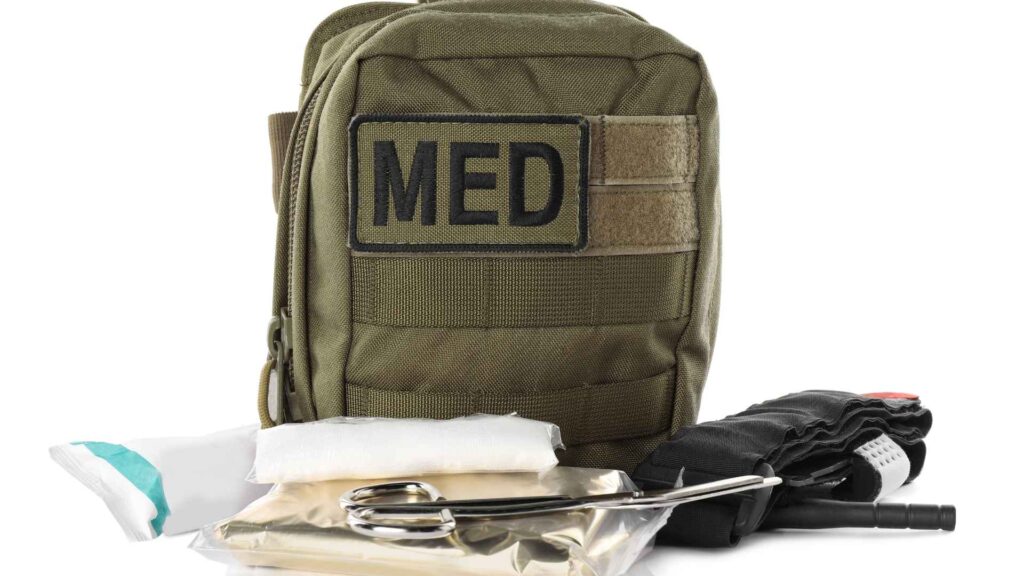
Commercial tourniquets are specially crafted medical devices applied for immediate bleeding control. They are typically made of rigid materials such as nylon or elastic straps with mechanical locking devices to provide stability when applied. Unlike improvised models, commercial tourniquets are designed with quick-release systems to allow use once medical assistance becomes available. Commercial tourniquet brands such as the Combat Application Tourniquet (CAT), the SOF Tactical Tourniquet (SOFTT), and the Emergency Bandage, or the Israeli bandage, are popular.
Improvised Tourniquets
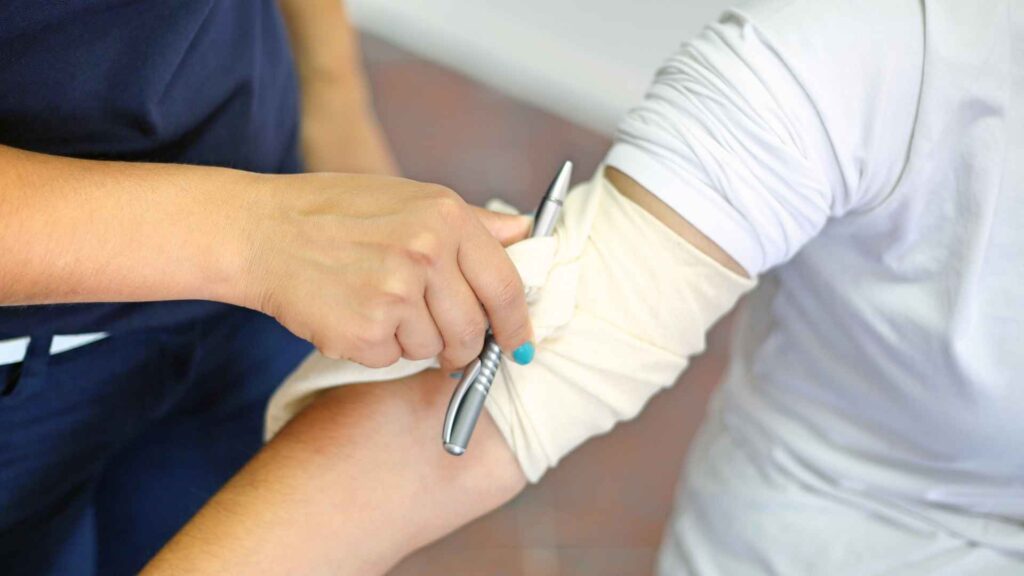
In situations where a commercial tourniquet is not available, an improvised tourniquet can be used as an interim measure. Daily-use items like belts, ropes, garments, or sticks can be improvised to form a tourniquet to impede blood flow. Improvised tourniquets tend to be less effective and reliable than commercial ones. They can however only be used until the moment a proper medical-grade tourniquet is available.
When to Use a Tourniquet
Last Resort Option
Uncontrolled hemorrhage is life-threatening within seconds, yet tourniquets are never the first way of controlling bleeding. Direct pressure is always the initial best way of managing massive bleeding. However, if the bleeding does not stop or if the wound is too large to be managed using direct pressure, a tourniquet may become unavoidable. The following are important scenarios that may require tourniquet application:
- Profuse or Uncontrolled Bleeding of a Limb: Where arterial bleeding occurs, which can be defined as bright red spouting blood or oozing heavy bleeding uncontrolled by pressure, an instantaneous action involving the use of a tourniquet must be initiated.
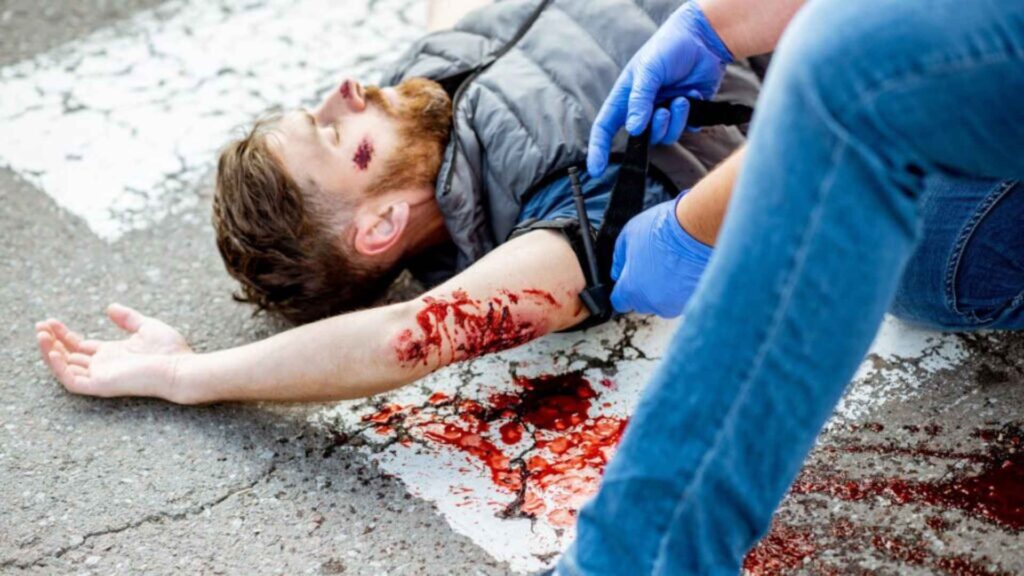
- Severe Lacerations, Puncture Wound, or Amputation: In the case where a large trauma to the limb results in rapid blood loss and direct pressure is ineffective, the tourniquet can be applied to end life-threatening exsanguination.
- Remote or Tactical Situations: When expert medical assistance is not readily at hand—like in wilderness environments, areas of disaster, or combat—the tourniquet can be lifesaving by avoiding further loss of blood until evacuation becomes feasible.
How to Use a Tourniquet Properly
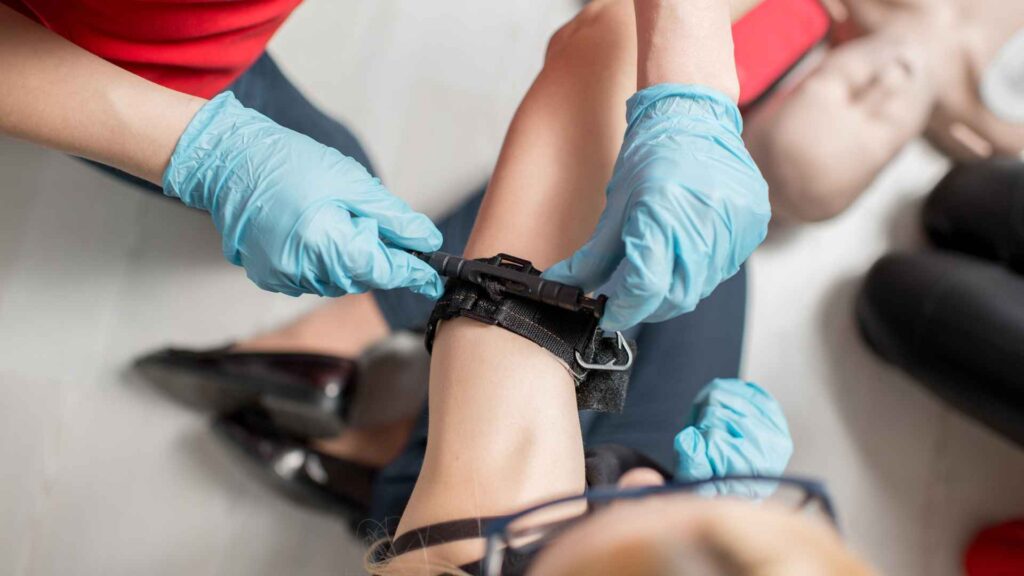
Understanding how to use a tourniquet correctly is as important as understanding when to use one. Tourniquets must be applied tightly enough to stop the bleeding but not so tightly that they cause more harm. To use effectively, do the following:
- Position the tourniquet: Position the tourniquet approximately 2–4 inches (5–10 cm) from the wound. Where an injury overlaps a joint, apply the tourniquet above the joint to best compress the blood vessels.
- Secure Tourniquet: Wind securely around the limb with the tourniquet and clamp per instructions (for commercially manufactured tourniquets) or twist per improvised technique.
- Tighten until Bleeding Ceases: Tighten the tourniquet to the degree that it prevents blood from circulating. If there is still bleeding, tighten the tourniquet further.
- Check the Patient: Verify that bleeding has stopped. If bleeding persists, reposition and tighten the tourniquet again.
- Document the Application Time: Record the exact time the tourniquet was applied. This is vital information for medical staff, since prolonged tourniquet use can cause problems.
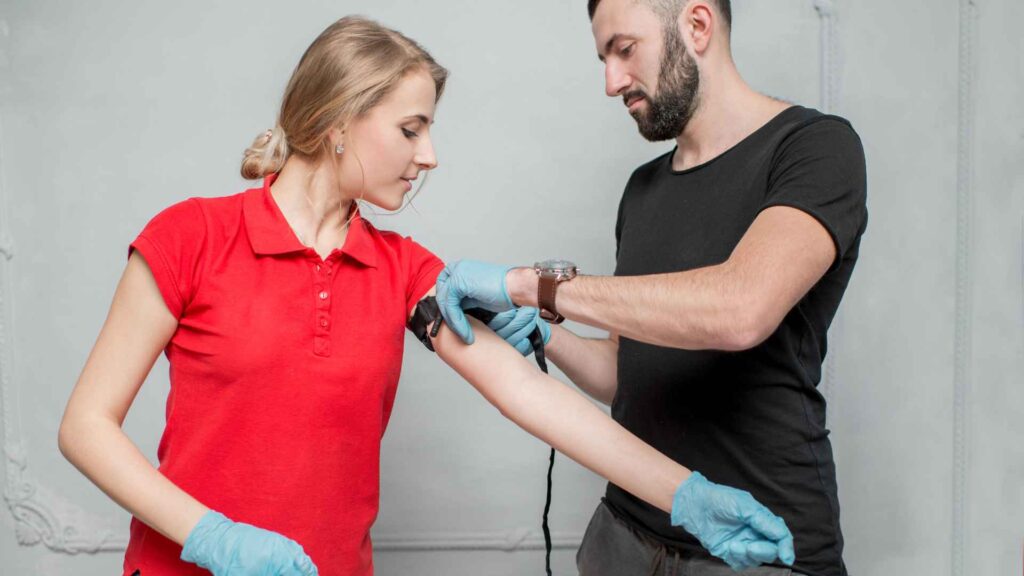
The following video is an American Red Cross tutorial on how to use a tourniquet to control life-threatening injuries.
Register for CPR or First Aid Training
Register Now
Potential Risks and Considerations
Tourniquets work extremely well to control gross bleeding, but should only be applied where it is absolutely necessary because they do carry some risk, including:
- Nerve Damage: Excessive or prolonged pressure on a limb may result in nerve damage, leading to numbness, tingling, or even permanent loss of sensation.
- Limb Ischemia and Tissue Damage: A tourniquet applied for too long can cut off the limb’s oxygen supply, causing tissue damage and, in extreme cases, permanent damage or loss of a limb.
Tourniquets should always be applied with caution and removed as soon as possible professional medical care is available to prevent unnecessary complications.
Statistics and Metrics in the United States
Understanding the epidemiology and circumstances that require use of a tourniquet underscores proper training and readiness.
Emergency Department Visits Involving Tourniquet Use
While there are few detailed national data available on emergency department (ED) visits with tourniquet use specifically, evidence indicates that tourniquet use, while critical in some cases, is not highly prevalent in civilian settings. For example, a civilian extremity trauma study found that tourniquets were applied in 50.6% of the cases in the prehospital setting, 39.1% in the emergency department, and 10.3% in the operating room.
Common Accidents in California Requiring Tourniquet Application
In California, common causes of severe limb injuries requiring a tourniquet include:
- Motor vehicle accidents: High-speed collisions often result in severe limb injuries.
- Industrial and construction site accidents: Heavy machinery and power tools can cause severe lacerations and amputations.
- Violent incidents: Gunshot wounds and knife-related injuries are frequent causes of severe bleeding.
- Outdoor and wilderness accidents: Hikers, climbers, and campers may suffer injuries in remote locations where immediate medical help is not available.
First Aid Instruction For Tourniquet Usage
In today’s unpredictable world, it is always safe to be ready for emergencies. The know-how to react in life-threatening situations is all that might be between saving a life and making matters worse. To learn how to apply a tourniquet correctly is only possible through intensive first aid training.
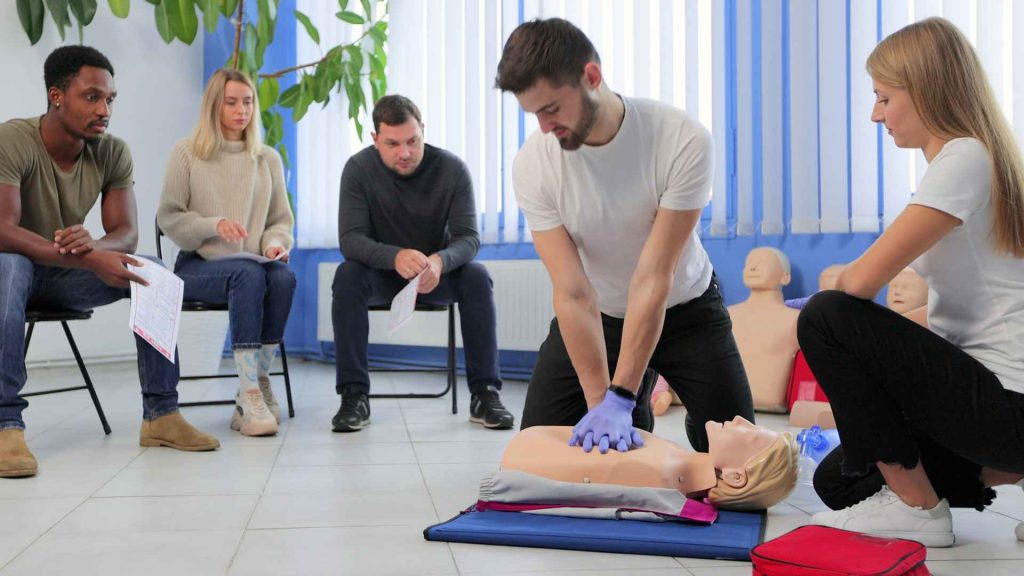
An investment in first aid training allows one to acquire life-saving skills and knowledge. Practical instruction imparts useful lessons about when and under what situations a tourniquet should be used and under what circumstances another method will prove more effective. Students are taught proper usage methods, possible dangers, and quick-and-sure movement when acting on an emergency. Not only does personal preparedness increase through having first aid training, but it also equips one with the ability to enable others to save lives.
For those who want to acquire professional first aid training, Coast2Coast First Aid and Safety offers professional courses in Los Angeles and has also recently established a branch in Long Beach, CA. Their courses offer hands-on experience and certification in lifesaving techniques, including the use of tourniquets.
A Key Skill for Emergencies
Knowing how and when to apply a tourniquet is an important skill that can be a lifesaver in the event of an emergency. As a medical practitioner, first responder, or a regular person, having this life-saving skill can be the difference between life and death in an emergency.
Watch: First Aid and Bleeding Control Training
Get Trained in Bleeding Control and Emergency First Aid
Tourniquet application and severe bleeding management are critical skills covered in our first aid courses at Coast2Coast First Aid. Our American Heart Association-certified training programs provide hands-on practice with tourniquets, wound packing, and pressure application techniques that prepare you for real emergencies. Training is available throughout California, including Los Angeles, Long Beach, San Diego, Irvine, and Riverside.
We offer Basic Life Support for healthcare workers, CPR and AED courses for general certification, and private group sessions for workplaces and organizations. Employers seeking OSHA compliance will find our workplace workshops an effective way to ensure all staff can respond to bleeding emergencies. Visit our FAQ page or contact us for more details.
The Stop the Bleed national campaign, supported by the American College of Surgeons, has made tourniquet training more accessible than ever. By combining this knowledge with comprehensive first aid certification from Coast2Coast, you become a critical asset in any emergency situation. Explore our loyalty points program for savings on course renewals, and check our blog for regular updates on first aid best practices and techniques.
Register for CPR or First Aid Training
Register today for a CPR or First Aid training course at one of our 30+ locations across Canada and the U.S. Check out our facilities and book your spot now.
Frequently Asked Questions About Tourniquet First Aid
Question 1: When should you use a tourniquet?
Answer: Use a tourniquet only when severe limb bleeding cannot be controlled by direct pressure alone. It’s reserved for life-threatening hemorrhage from extremity injuries where immediate blood flow restriction is necessary to prevent fatal blood loss.
Question 2: Can you use a tourniquet on any part of the body?
Answer: No, tourniquets should only be applied to limbs (arms or legs). Never apply a tourniquet to the neck, torso, or head. Position it 2-4 inches above the wound on the affected limb.
Question 3: How tight should a tourniquet be?
Answer: A tourniquet must be tight enough to completely stop arterial blood flow. Tighten until bleeding stops completely. If bleeding continues, reposition and tighten further. Pain and discomfort are expected.
Question 4: How long can a tourniquet stay on safely?
Answer: While there’s no absolute time limit, tourniquets should be removed by medical professionals as soon as possible. Most sources suggest limiting application to 2 hours when feasible, though lifesaving priority trumps time concerns in emergencies.
Question 5: Should you loosen a tourniquet periodically?
Answer: No, never loosen or remove a tourniquet once applied. Only trained medical professionals should remove tourniquets. Loosening can cause resumed bleeding and potential complications from reperfusion.
Question 6: What can I use if I don’t have a commercial tourniquet?
Answer: Improvised tourniquets can be made from belts, rope, cloth strips, or similar materials at least 1.5 inches wide. Use a stick or rod as a windlass to tighten. Commercial tourniquets are far more effective and reliable.
Question 7: Can a tourniquet cause permanent damage?
Answer: Yes, prolonged tourniquet use can cause nerve damage, tissue ischemia, and in extreme cases, limb loss. However, the immediate priority is preventing fatal hemorrhage. Proper application and rapid medical care minimize risks.
Question 8: Do I need training to use a tourniquet?
Answer: While anyone can apply a tourniquet in an emergency, proper first aid training significantly improves technique, confidence, and outcomes. Coast2Coast First Aid offers hands-on tourniquet training as part of comprehensive first aid courses.
Question 9: Where exactly should I place the tourniquet?
Answer: Place the tourniquet 2-4 inches (5-10 cm) above the wound, between the injury and the heart. If the wound is near a joint, position the tourniquet above the joint. Never place directly over the wound.
Question 10: What’s the difference between a tourniquet and a pressure bandage?
Answer: A tourniquet completely stops blood flow to a limb by constricting vessels. A pressure bandage applies direct pressure to a wound to slow bleeding. Tourniquets are for severe, uncontrolled hemorrhage; pressure bandages for moderate bleeding.
Question 11: Are there different types of tourniquets for arms vs legs?
Answer: Most commercial tourniquets work for both arms and legs. However, legs may require more pressure due to larger blood vessels. Some heavy-duty models are specifically designed for thigh application.
Question 12: What should I do after applying a tourniquet?
Answer: After application: (1) Note the exact time, (2) Write the time on the tourniquet or patient’s forehead if possible, (3) Call 911 immediately, (4) Do not remove or loosen, (5) Keep the patient calm and warm, (6) Monitor for shock.
Question 13: Can you apply two tourniquets on the same limb?
Answer: Yes, if one tourniquet fails to stop bleeding completely, apply a second tourniquet directly above the first. Some tactical medicine protocols recommend dual tourniquets for severe injuries.
Question 14: Is tourniquet training required for workplace first aid certification?
Answer: Requirements vary by industry and location. High-risk workplaces (construction, manufacturing, law enforcement) increasingly include tourniquet training. California OSHA recommends comprehensive bleeding control training including tourniquets for workplace first aid teams.
Question 15: Where can I get certified tourniquet training in California?
Answer: Coast2Coast First Aid offers tourniquet training as part of first aid certification courses across California, including Los Angeles, Long Beach, San Diego, Irvine, and Riverside. Our American Heart Association and Red Cross certified courses include hands-on practice with commercial tourniquets.
About the Author
Greg — Content Contributor, Coast2Coast First Aid & Aquatics
Greg is a certified first aid and CPR instructor with Coast2Coast First Aid & Aquatics. He brings practical experience in emergency response training to help prepare individuals and organizations for life-saving situations.