
Keep Your CPR Certificates Up To Date With CPR Recertification

There are many different CPR and first aid courses out there, but the majority of them are given for a period of 2 years. After that, CPR re-certification will be required to keep the license.

Here are several reasons why you’d really want to do this.

Keeping your CPR skills sharp.

It is always good to plan in advance and sign up for CPR re-certification classes at least six months before your current license expires. Even if you don’t need the certification for work, it is still crucial to maintain this skill in top notch condition so that you don’t panic or freeze should anything happen.

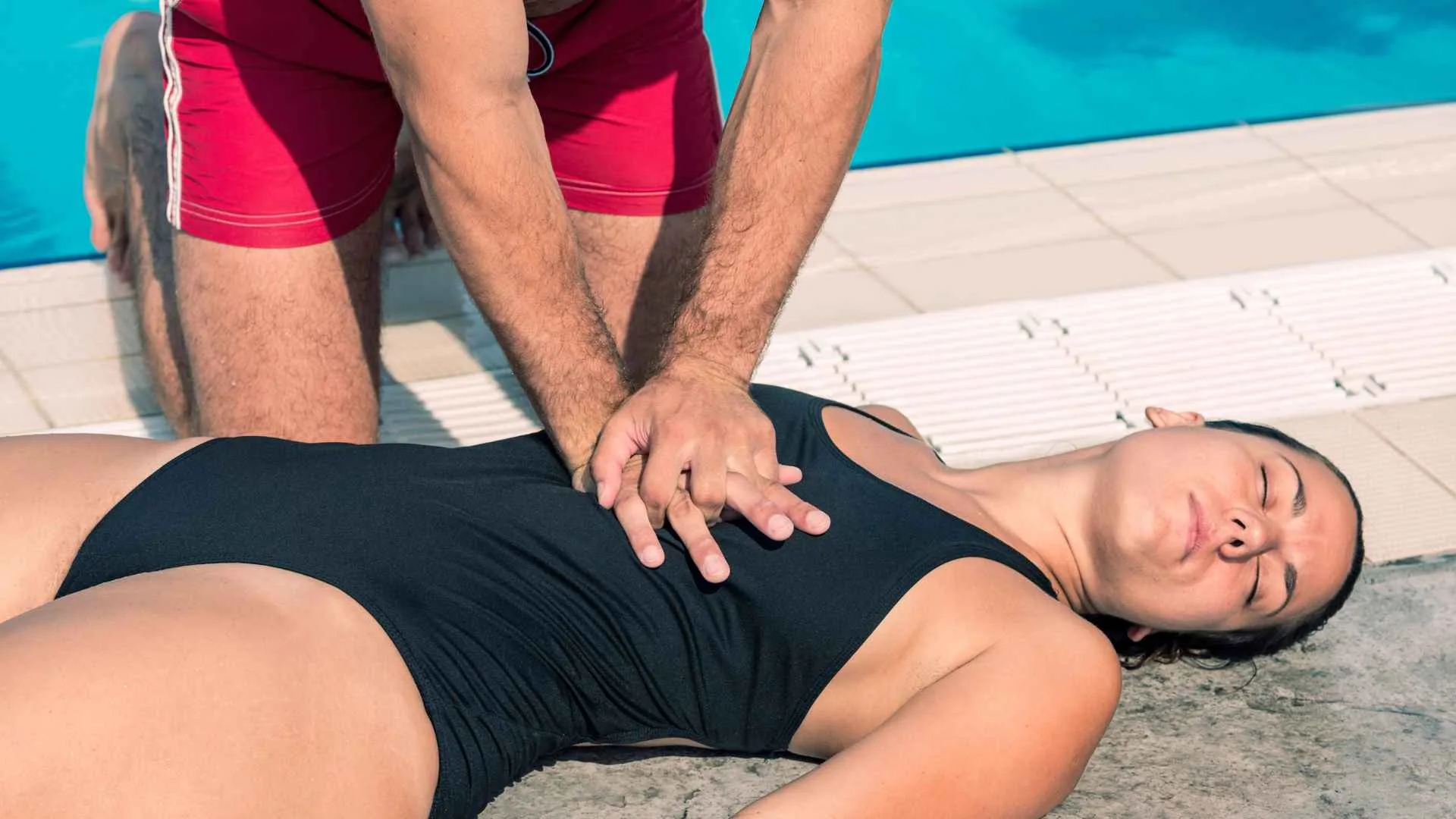
That and the additional fact that CPR, while not a complex practice to learn, can be physically taxing. Giving chest compressions to an unconscious person, keeping the compressions strong and delivering them at the right intervals for more than a few minutes will tire even a trained professional. You need to develop strength and muscle memory around the practice to be able to do it well. Practicing every two years is the very bare minimum if you want to keep it sharp.

A fast and precise response to an emergency is the main goal of those classes.

Follow and learn more advanced CPR techniques

Additionally, medicine as a practice, is based on science and as such never stands in one place. Procedures are improved and developed all the time. This means you will likely not only get a new licence when you get re-certified, but also learn a few new valuable things about the procedure.

For example, did you know that mouth to mouth resuscitation is no longer considered not only necessary but even simply more efficient. This happened in three stages.

First it was the only way of delivering CPR. Then it was accepted that CPR without mouth to mouth is almost as good. Now we know there is no evidence to support mouth to mouth resuscitation at all, since the procedure works just as well without it. Nowadays chest compressions are widely accepted as the more efficient method. We don’t know what will be discovered next; organizations like the National CPR foundation are continuously examining common practices and their results to develop more efficient CPR and first aid techniques.

Finally, re-certification can now be done at least partially online. Online CPR renewal, while slightly less efficient than full CPR recertification, is still much better than no CPR re-certification at all.

We urge everyone to get your licence renewed on a regular basis so that you have a better chance to save a life in an emergency.

Register for CPR or First Aid Training

Register today for a CPR or First Aid training course at one of our locations across Ontario! Check out our facilities and book your spot now.

Save A Person’s Life With CPR Training In Toronto

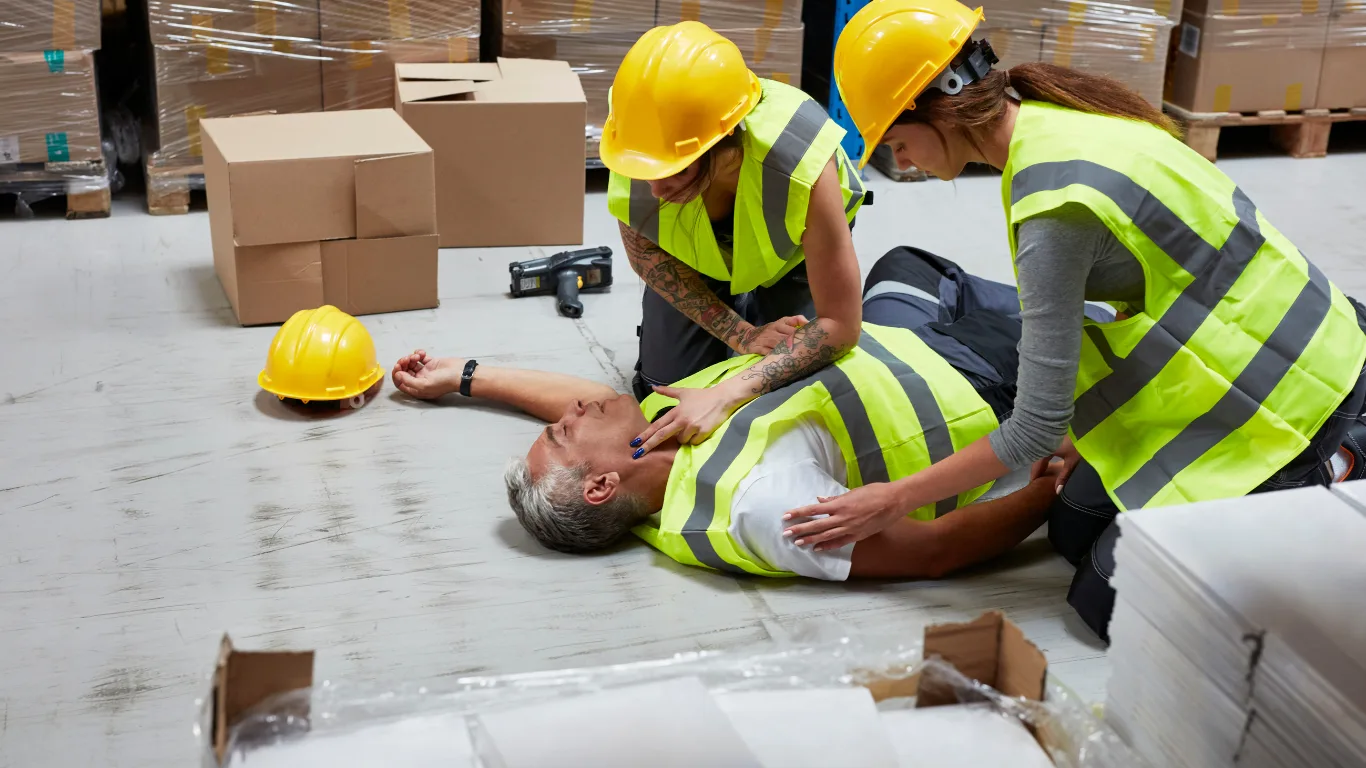
In a bewildering,near-tragic incident reported by CBC News early this year, a Toronto woman saved the life of a man who went into sudden cardiac arrest during a gym workout. The woman later told how she was shocked that everyone just froze in fear and no one intervened. If it wasn’t for her, the man would have died there and then, with no one to save him from a terrible, senseless death. She decided to intervene when she saw a staff member walk over to the man as he was lying on the floor, face blue. The employee then leaned down, put a defibrillator on the floor beside the man and stood back in dumbfounded confusion.

It was lucky for the victim that the 29 year old woman received her CPR training Toronto earlier, and knew how to deliver cardiopulmonary resuscitation. She had the training done when she enrolled to work as a flight attendant, and if she weren’t there, the man’s life would have ended, and even if the paramedic team does arrive on time to save the person’s life, permanent brain damage is almost entirely inevitable. It sets in just four minutes into the episode. If you ever find yourself in such a dire situation, we wrote more here on what to do during a medical emergency.

In his case, it was all thanks to her. The ambulance pulled in some 10 minutes after he fell unconscious and it was only her knowledge of CPR that saved his life. She began compressions and managed to keep them up for the entire time they waited for help to arrive.

CPR Training Toronto

In a big city, there’s always a chance someone will know CPR First Aid and will be able to help, but consider this – in a large Toronto gym, only one person knew this life saving technique. One person in an entire room full of people. Not just regular people, but health – conscious individuals who work out on a regular basis, and gym staff that should know how to deliver CPR.

Humans are fragile creatures, and can easily get hurt. It is our goal and mission to help society increase the number of people who know and are certified in this crucial skill. No one wants to ever have to deal with such situations, but sometimes we are forced to, by sheer tragic circumstance. Take a Toronto CPR training course and stay safe.

It is better to be prepared. Even going above and beyond to be prepared for responding to a cardiac emergency with CPR training! We owe it to each other. That’s why at Coast2Coast, we offer one of the top training courses in CPR.

Get Trained in Toronto!

Join our First Aid Training in Toronto and equip yourself with vital skills to handle emergencies confidently. Our expert instructors provide hands-on training to prepare you for real-life situations.

How To Handle A CPR Emergency in North York?

A CPR emergency can be one of two things – a terrifying, mind numbing disaster, or a challenge. A frightful challenge, to be sure, but one that you can overcome, given the necessary tools and knowledge necessary for the struggle.

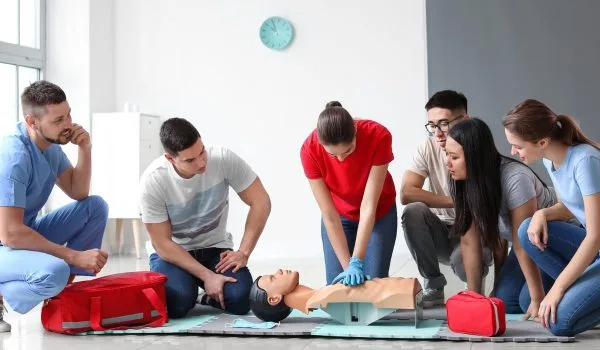
Our North York CPR courses are here to provide people with the necessary skills to determine whether CPR is needed, and then provide this lifesaving technique with calm efficiency.

In this blog we will cover a few basic mistakes that can make an inexperienced or overly stressed person fail in performing CPR.

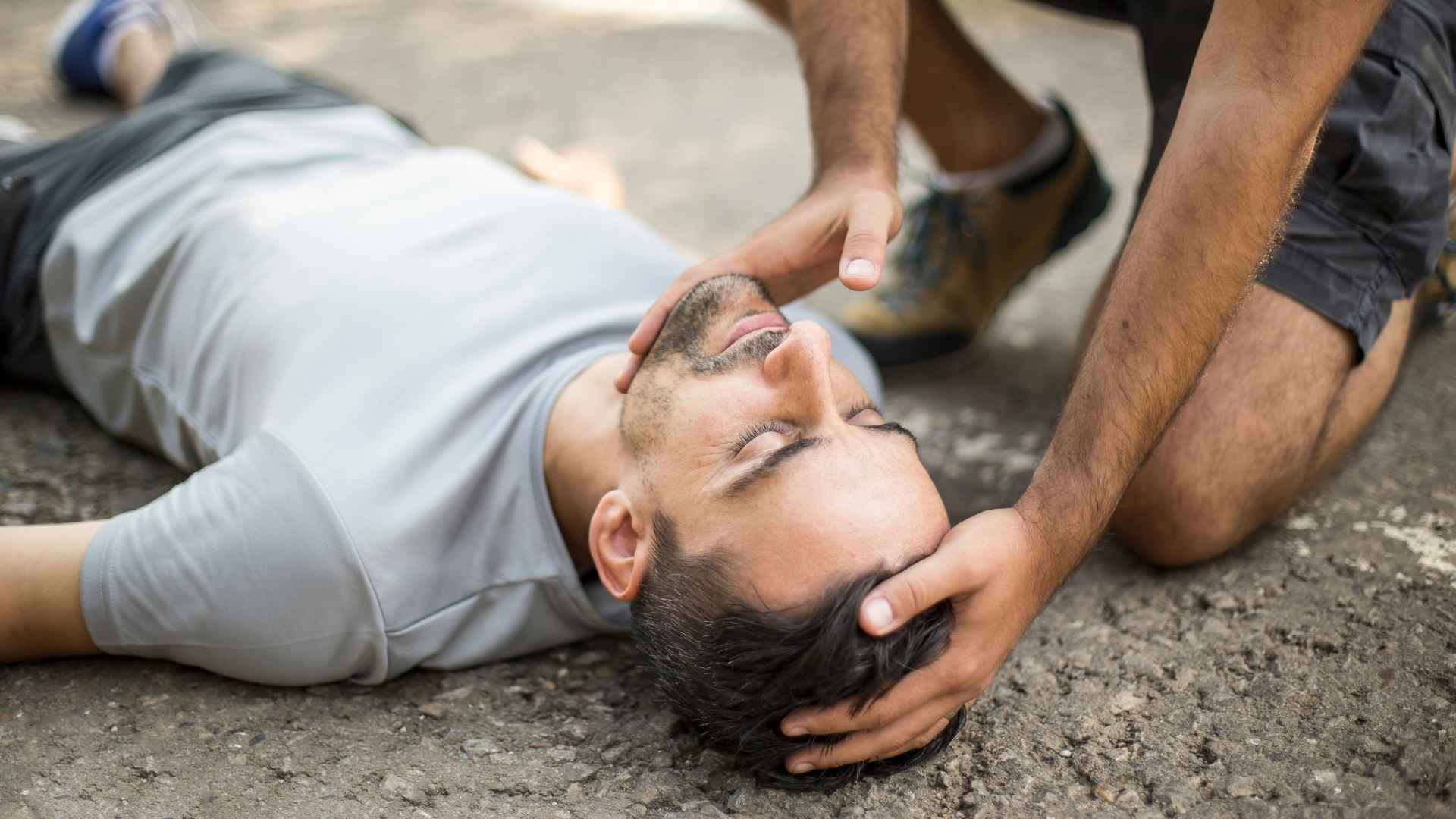
Always tilt the victim’s head back. Being unconscious often means the victim is suffering from a breathing obstruction. The purpose of CPR is to deliver oxygen-rich blood to their brain. Not allowing for the oxygen to enter the lungs by positioning the victim’s head at a specific angle is the first bad mistake you can make and will likely result in loss of life.

Count out every pump. Performing at least a hundred artificial heart beats a minute over the course of several minutes is physically exhausting. Keeping yourself concentrated on the effort by counting it out loud is necessary. Especially if you need to be replaced by someone else and they’ll need to know the count in order to continue exactly from where you left off.

Apply adequate pressure. This is one of the most important components of our CPR training in North York. It is also emphasized by the standard Red Cross CPR training program. Adequate pressure is essential to keep the blood circulating. There is an understandable fear of hurting the victim, but in this type of emergency it’s misguided and dangerous.

Focus on the compressions. Prioritizing mouth to mouth resuscitation has been proven to be a mistake. When you pump on the victim’s chest, the lungs also contract and draw in fresh air. When you pause to give breath, you stop pumping, which is far more important.

Always assess the victim’s response. Check the carotid vessel for pulse before starting and repeat the check for pulse at regular intervals. There will be no breathless awakening like in the films. Chances are the breath and pulse will be restored (not necessarily in that order) but the victim will still remain unconscious. It’s up to you to register their condition when it changes.

This advice is not by any means a substitute for proper CPR training. It is here to show you there are many things to learn if you want to save a life one day.

We honestly hope this day never comes, but it’s our job and commitment to help you be prepared for it, if and when it does. Call us now to enroll to our North York CPR training and get your cardiopulmonary certification.

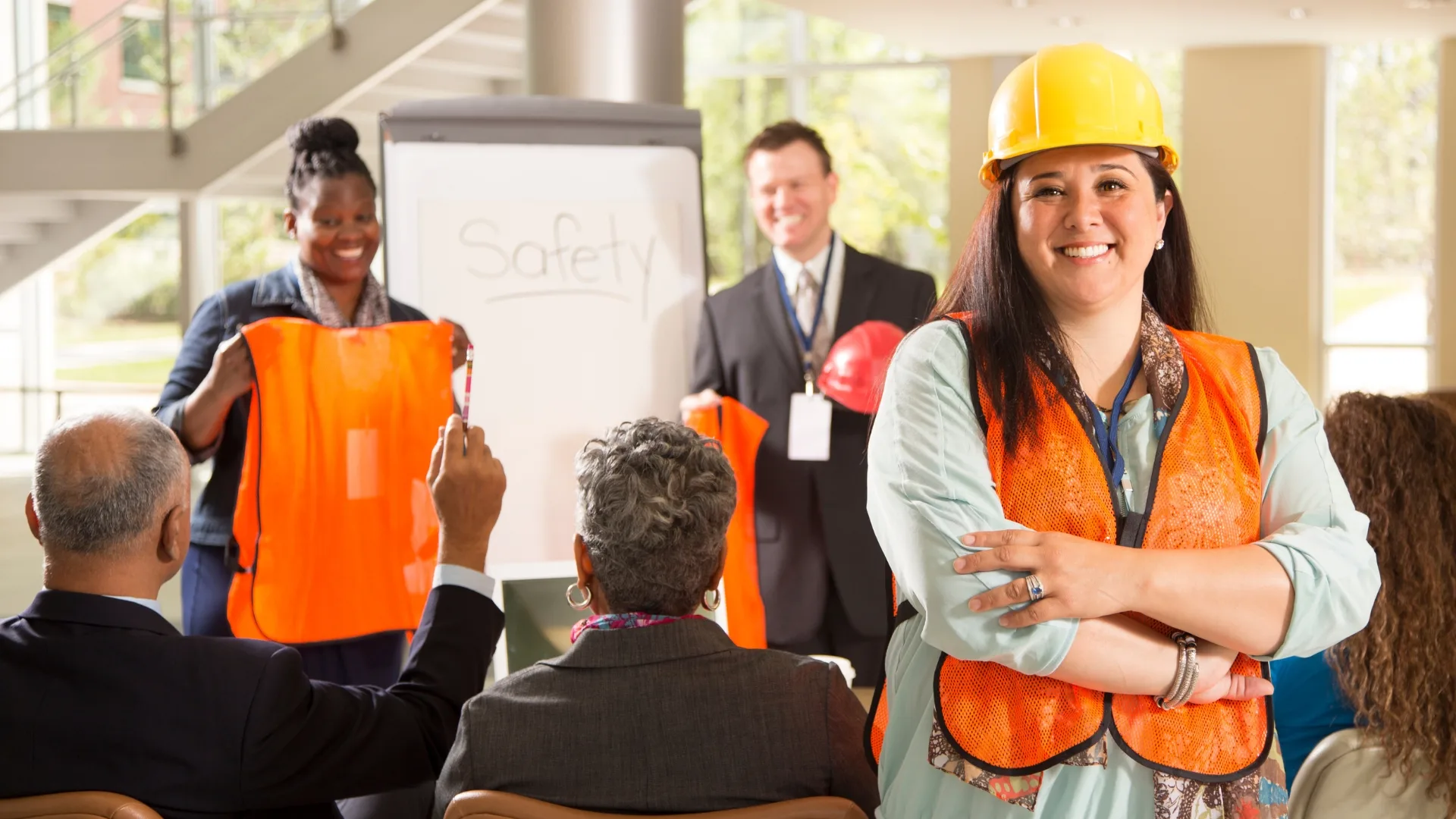
Should First Aid & CPR Training Be Mandatory In Offices?

This is a debate that’s been going on for quite a time now.

It has a partial answer, with certain workplaces making red cross first aid and CPR training mandatory, but the phenomenon is far from being commonplace.

It is no small thing to be prepared for a medical emergency, especially in lines of work such as mechanical garages, construction sites and chemical labs. Some of those even have an in-house medical facility or infirmary to treat emergencies quickly on the spot.

Most other places are only required to carry a fully stocked first aid kit per number of employees, located in visible, easily reached places.

Let us examine Canadian law regarding first aid in the workplace.

Standards and Regulations

The Occupational Safety and Health Administration (OSHA) has a defined outline of what the contents of the first aid kit should be and how many kits should be in place. The first aid kit should contain 1-2 of each of its items in case of a small business (up to three employees). When the number of employees increases, the stock of first aid items in the kit has to be increased.

This is only first aid equipment however. What about red cross first aid and CPR training?

Police officers, Child Care Providers, Adult Family Home Providers and Resident Managers, Confined Space Workers, Logging Operations Workers, Electric Power Generation, Members of a Dive Team, Construction Subpart Transmission/Distribution Workers and only a handful of other professions are actually required to get red cross first aid certified.

The sad thing is there is no such obligation in most other workplaces, with every employer making their own rules.

We gave the example of OSHA regulations for first aid kits to emphasize a point. There is a government regulated rule as to what to keep on the site for cases of burns, cuts or bruises, but nothing, nothing at all, about teaching people how to use those tools. Or how to react when those tools are inadequate, such as during a cardiac or respiratory arrest.

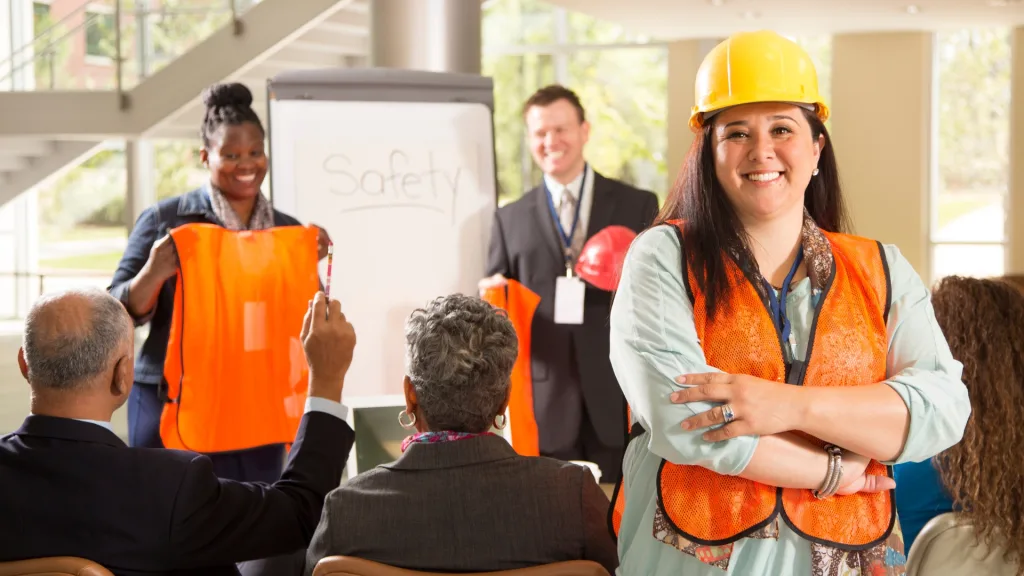
Happily, many businesses are becoming aware of the practical sense of having a staff that knows how to deal with a medical emergency. Offices take the steps to get their staff Red Cross first aid and CPR certified to increase everyone’s safety.

If your workplace is not on board with this yet, now is the time. Get your employees red cross first aid and CPR trained and create a better, safer workplace.

Register for First Aid Training

Register today for a First Aid Training course and learn how to deal with emergencies and keep your loved ones safe! Check out our facilities and book your spot now.

Save Life With First Aid Course In Toronto

Every season has its own set of dangers, and winter hasn’t quite left us this year. Let’s therefore talk about cold-related health hazards and how our first aid course in Toronto can help you deal with them.

It’s true that Canadian winter has been coming and going a lot in recent years, but it’s still notoriously cold.

We love spending time outdoors. Skiing, sledding, skating and even camping in the cold, crisp weather, are only a few of the favourite Canadian pastimes.

But with fun in extreme weather also come cold-related risks that we need to be able to recognize, prevent, and – in case that didn’t work – deal with, very very quickly. And all those risks usually sum up to one major risk – hypothermia.

Hypothermia is a cold-caused medical crisis with various degrees of danger, ranging from health failure all the way to severe risk of death. Let’s examine different degrees of this condition.

Mild Hypothermia – there’s no risk to the person’s life yet. The symptoms will be numbness of their fingers and toes, a sensation of cold and possibly mild weakness. You don’t need to take a Toronto first aid course to be able to treat this. The person needs to be warmed up, no urgent measures are necessary.

Moderate Hypothermia – this is where your Toronto first aid course may already come in handy. There is still no grave danger, but the risk of going into severe hypothermia is very high. The core temperature of the body, not only the extremities, begins to decline. It is usually marked by rapid shivering, with the thinking becoming sluggish and clouded. Warm the person up but do it slowly, to avoid the danger of heart arrhythmias.

Severe Hypothermia – here is where the person faces a risk of losing their life. Advanced medical care is needed and quickly. This condition happens when the core temperature declines below 30 degrees, cooling the blood and internal organs so much they may actually fail. This condition is recognizable however. The person will be so numb as to stop complaining about the cold. The shivers will cease, but their behavior will remain impaired with loss of coordination and a possibility of losing consciousness.

The reason everyone needs to take a Toronto first aid course is to be able to tell those conditions apart and to be able to treat them correctly.

We are here for you and also have standard first aid and CPR C recertification courses available for those who need to renew them. Get certified today, save a life tomorrow. Visit our Toronto CPR & first aid training facilities at Coast2Coast today.

Why Do You Need CPR Training In Toronto?

This question is simple and the answer seems simple enough as well – to help someone who’s been injured, or fell badly ill. This is true enough, but definitely not elaborate enough.

The fact is most of us go through our daily lives practically without knowing how dangerous it can become. And it always becomes dangerous all of a sudden. Accidents and health failures never send us an advance notice. And the sheer number of things that can happen is sometimes shocking.

Here are a few reasons why we should all seek, and encourage others to take a course for CPR certification in Toronto.

Treating Children.

A parent who doesn’t know CPR is taking a great risk. Those small individuals are devilishly cunning at putting themselves in harm’s way. Falling down, running into things and suffocating on toys or candy are among the most popular ways they entertain themselves. When the injury is severe and the child’s heart has stopped or there is no breathing, regular CPR performed on adults can make things worse. You need to be trained for Childcare First Aid and CPR.

Seeing Trouble in Advance.

When you take training CPR in Toronto, you won’t only know how to deal with a heart attack – you might be able to prevent it or at least mitigate the effect. It will simply be obvious what’s happening from the first symptoms – something you might confuse for hyperventilation from a run otherwise. Then you will have time, maybe moments, but moments more than you’d have had should you not know it for what it is. Those moments are often all the time you need. Having them is crucial when saving a life.

When Help is Far Away.

Do you travel? How about outdoor picnics? Near water? Maybe with a BBQ set? Far from the city where response times are faster. Where you’re the only person who can help your injured loved one – you’ll wish you knew what to do. Trips, falls, burns, drownings – all those happen in back yards too, but they are far more deadly out there, on the road or in the park.

Those were only a few reasons that make our CPR training and heart 2 heart first aid CPR in Toronto Ontario very important and necessary for everyone.

Help us help you save a life, and all of us will have a better, safer place to live.

Become a Red Cross Certified First Aid and CPR Instructor

Red Cross Instructor Course

There’s a question frequently asked by people who’d taken CPR classes online or attended one of our Red Cross CPR courses. What’s the next step? How can you become a Red Cross first aid instructor to even better help people in need?

Well, first there are different types of Red Cross instructors, divided by specialisation and level of training, and while you might wish to qualify for all of them, the courses should be taken one at a time.

Once you know exactly what you want to learn, there’s also a list of prerequisites you need to have in order to qualify for the course. In order to instruct a Red Cross CPR course or teach First Aid, you need to:

  • Have a valid Red Cross Standard First Aid CPR HCP/AED certificate.
  • Be at least 18 years of age, or
  • Hold a valid instructor certificate from a recognised provider (optional)

The last one is not necessary, but if you have the certificate, it can speed you up in the process by possibly qualifying you for an instructor transfer course.

Let’s however examine the scenario when you have no training or certification.

This is when you need to go and get your Red Cross Standard First Aid and CPR HCP/AED certificate. Then you qualify for the next step, and can now take the 32 hour Red Cross instructors’ course. Fill out a form here to get on board, and we’ll offer you a choice of dates and CPR course locations to choose for your convenience. We can also provide any additional information you require to get the training and certification.

Coincidentally, if you are currently a certified Red Cross instructor and wish to find employment and lead first aid training in Brampton or in one of our many centers, contact us and we’ll be happy for you to join our family.

Finally, if you hold a certification for first aid and/or CPR instruction from another organisation and wish to get it validated to qualify as a Red Cross instructor, we can help you with that as well.

Contact us today and see what the process is. It only requires a brief refresher and a quick exam instead of the full training a certification from scratch would entail.

Any questions we haven’t answered? Don’t hesitate to call, comment or email us. We’ll gladly answer all of them.

Register for First Aid and CPR/AED Instructor Course

Register today for a First Aid and CPR/AED Instructor Course and train to become a Certified Red Cross Instructor. Check out our facilities and book your spot now.

Getting Red Cross Instructor Certification

Benefits of becoming a Red Cross Certified First Aid and CPR Instructor

Discover the invaluable skills and opportunities available through Red Cross certification as a First Aid and CPR instructor. Teaching these critical techniques not only equips individuals with life-saving abilities but also enhances personal knowledge, fosters community resilience, and opens doors to fulfilling career paths. Dive into the world of emergency preparedness and make a tangible difference in your community.
  1. Ability to Educate and Empower: You can teach life-saving skills to others, empowering them to respond effectively in emergencies and potentially save lives.
  2. Enhanced Personal Knowledge: Deepen your understanding of first aid and CPR principles through teaching, reinforcing your own skills and confidence.
  3. Professional Development: Certification enhances your resume and demonstrates your commitment to safety and emergency preparedness.
  4. Community Impact: Contribute positively to your community by equipping individuals and workplaces with essential life-saving skills.
  5. Leadership Opportunities: Gain experience in leadership and instructional roles, fostering communication and teaching abilities.
  6. Continuous Learning: Stay updated with the latest techniques and protocols in first aid and CPR through ongoing training and instructor updates.
  7. Job Opportunities: Increase your employability in fields such as healthcare, education, fitness, and safety training.
  8. Personal Fulfillment: Experience the satisfaction of knowing you’ve equipped others with skills that can make a significant difference in emergency situations.

CPR Training: Be prepared to Respond in a Cardiac Emergency!

There’s a saying – home is where the heart is.

It is sadly ironic, because it’s also very true with respect to the statistic covering cardiac arrest and heart attack cases.

Most of them occur at home.

The reason it’s sad is because you are less likely to die of cardiac arrest  else. In a mall, airport or on the street there’s a better chance that someone can save your life by administering CPR.

When your family member is having a seizure or cardiac arrest, you can call 911 almost immediately, but that may not be good enough. Once this type of medical disaster strikes – minutes and even seconds are crucial to the outcome. Does the victim live or die, and if they live, will he or she recover fully or partially? Those fleeting moments of oxygen loss may result in brain injury and loss of speech, motoric functions, and more.

The only thing that can guarantee the damage is truly minimized is to have someone at home who knows CPR and First Aid procedures. If your loved one is having a cardiac arrest, it is imperative to act fast.

How does CPR work?

The procedure is simple, almost primitive, which is another reason why absolutely everyone should know it.

Once you called for help – always the first step in such situations – you need to begin cardiovascular resuscitation.

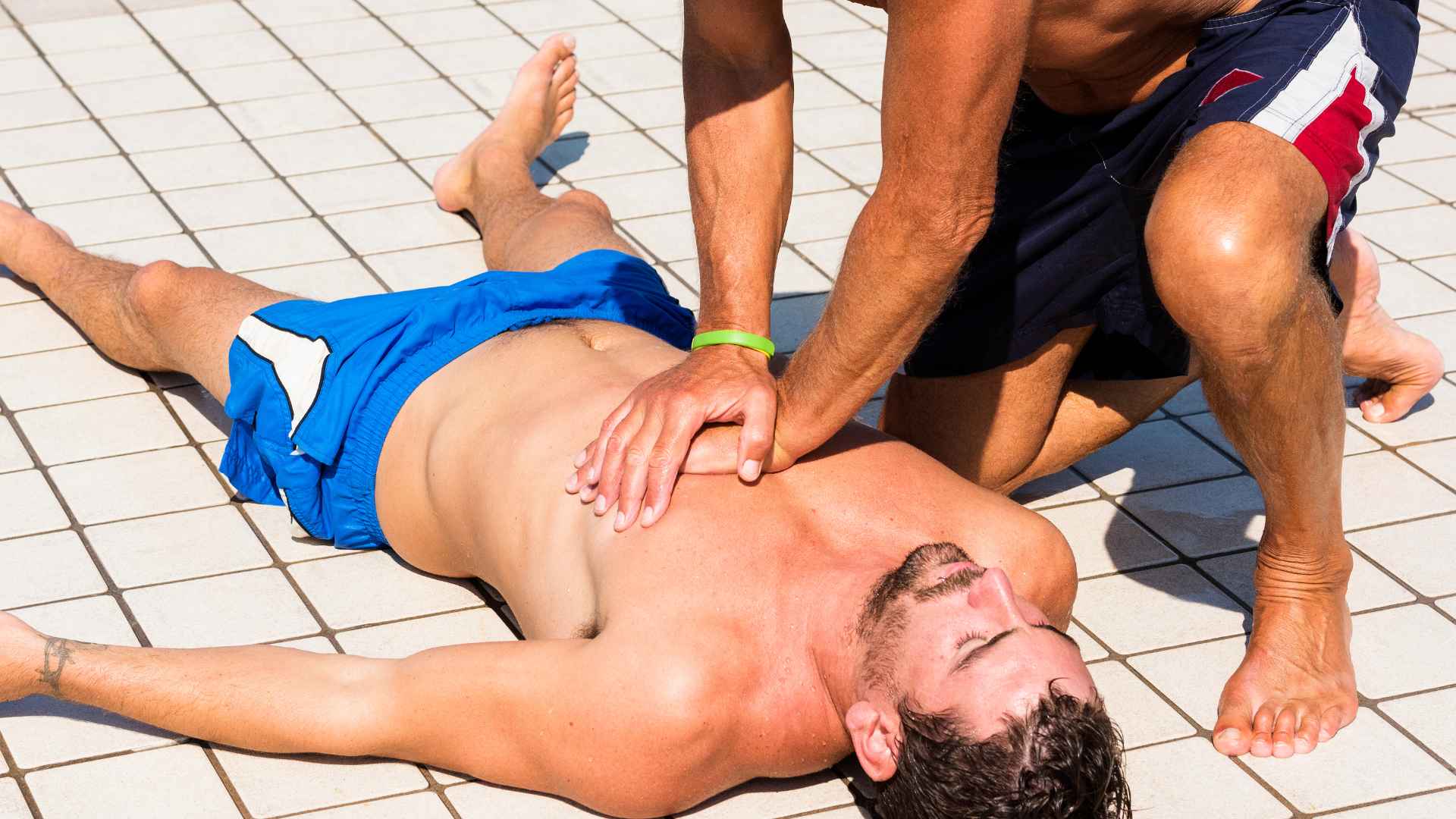
It is performed by simply pressing on the victim’s chest in a series of consecutive motions. One hand is positioned on their chest, the other hand rests on top of the first. You firmly press down to push the chest inward, leaning on the victim to add your weight to the push if necessary. Once the chest returns back up, push it back again. The ideal rhythm should be about a hundred such pushes a minute.

There is usually no acute need to give breath. Just pushing until the ambulance arrives raises the chances of survival significantly by pumping blood into the victim’s brain, keeping him or her alive.

The classes in our CPR training Toronto facility and other locations also give information about checking the breathing tract for obstructions, keeping an eye on the pulse, as well as other best practices, but it’s the pushing that does most of the work.

Don’t push your luck, when it comes to CPR and First Aid training.

We have First Aid training centers in Toronto and the GTA. We teach CPR in North York and other locations. Pick one and enroll to save someone’s life in an emergency.

Register for CPR or First Aid Training

Register today for a CPR or First Aid training course at one of our locations across Ontario! Check out our facilities and book your spot now.

Do you Know How to Deal With Shock?

Shock occurs when a person’s organs and tissue do not receive enough blood. The lack of blood denies the organs of oxygen, and they begin to shut down. If not treated, shock can lead to death. Our First Aid and CPR/AED courses, taught at our Brampton facility, will explain in detail how to treat a person experiencing shock. If you think a person is suffering from shock, you should call your local Emergency Medical Services (EMS).

Causes

The most common reasons for shock are infections, excessive blood loss, emotions from the effect of an event, large burns, a weak heart, and too much fluid loss because of diarrhea and vomiting (usually in children).

Signs to look out for

When taking our Standard First Aid and CPR course, you will be practicing scenarios with people experiencing shock. Signs to look out for are nausea and vomiting, extreme thirst, drowsiness or loss of consciousness, anxiety, weakness, paler than normal skin, fast breathing, cool and moist skin, and confusion.

What can you do?

While waiting for EMS to arrive, you should have the person relax and tend to the reason of the shock. Make sure the person stays warm and make sure they are breathing. Shock can be a traumatic experience so remember to reassure and comfort the person. By taking a First Aid and CPR/AED course you will learn how to properly take care of an injured individual.

Register for CPR or First Aid Training

Register today for a CPR or First Aid training course at one of our locations across Ontario! Check out our facilities and book your spot now.

CPR Recertification – An Overview

This blog is here to guide you through the process of getting your CPR recertification, as well as alleviate any doubts as to why you might need it.

To lay the groundwork for this, here are a few reasons why anyone already certified should still get re-certified every three years, or more frequently if you are a medical practitioner.

  1. Skill Retention Concerns

Once you’d gone through your initial training, you received all the knowledge and skill necessary to perform this lifesaving technique on another person. As the years go by, however, can you be absolutely sure that all the knowledge and skills you attained during that first course are still with you? Moreover, are you willing to find it out in a life-threatening situation? Just as is the case with any acquired skill, a lack of practice dulls the reflexes and erodes memory. Refreshing it is as vital as learning it in the first place.

  1. New Practices and Rules

The medical field, just as everything else in our lives, does not stand still. Better, more efficient and innovative methods are developed rapidly. The CPR and first aid courses you took three years ago taught the best practices known at the time. Learning newer methods now will increase your efficiency at dealing with the emergency.

  1. Laws and Liabilities

This may be a source of some frustration, but the fact is that the law treats a person who knows CPR yet doesn’t have a valid certificate, as if they weren’t trained at all. There is much damage that can result in someone applying CPR when they are untrained, and this is a precaution set in place to prevent it. Of course, if there is no other choice, an untrained (or not recertified) individual may decide to step in and assist, but the legal implications may be bad.

How to get CPR Recertified?

The good news is that recertification is even faster than initial first aid courses or first time cpr courses you took. The process of CPR recertification is pretty simple – you get to take a quick online refresher course for the knowledge set needed to perform CPR, and then proceed to a quick skill test in one of our many CPR training facilities conveniently located all around the Greater Toronto Area.

And finally, don’t look at this as an obstacle, but an opportunity.

An opportunity to enhance your skills, learn new ones and ultimately be better equipped to help save someone’s life.