We offer courses in Canada and the US. If you are experiencing issues with our website and need help to register, or if you have questions, please call us at 866-291-9121.
If you are facing any issues with your online course, registration, or training, please click here to submit a help request.
If you are facing any issues with your online course, registration, or training, please click here to submit a help request.
The importance of first aid training goes far beyond workplace requirements. It gives everyday people the skills and confidence to respond to emergencies at home, work, school, and in public. Learn what first aid training covers in Canada, why it matters, and how it helps build safer communities.
Staying certified in CPR is essential for workplace requirements and personal preparedness. This guide walks you through how to renew your CPR certification in Ontario, covering recertification requirements, step-by-step renewal instructions, certificate validity, and where to get CPR recertification in the GTA.
This year, Coast2Coast First Aid & Aquatics is thrilled to celebrate a major milestone—our 10th anniversary. Over the past decade, we’ve been dedicated to empowering individuals with the skills needed to respond confidently in emergencies, and we’re marking this special occasion with an exciting initiative that highlights our commitment to giving back to the community.
As winter makes its grand entrance, draping the mountains in a blanket of snow, it’s the perfect time to dive into the thrilling world of snowboarding and skiing. Picture this: the cool mountain breeze gently touching your hair, the crisp air invigorating your senses, and an electrifying excitement surging through your veins. It’s more than just an activity; it’s a chance to craft unforgettable memories that will stick with you for a lifetime.
Whether you’re an adventurous winter enthusiast or just dealing with the cold in your daily routine, here are some first aid skills you must know in the winter to ensure safety.
More than 300 thousand people die because of cardiac arrest every year. The risk of heart disease is higher in senior citizens. 70% of adults above the age of 60 have some kind of cardiac problem in their lifetimes. There are many different types of health issues that can be the cause of cardiac arrest as well as other social factors that can lead to this situation of life or death. Knowing CPR can save lives.
Last Updated: March 4, 2026 Medical Review: Aryan Sekhavati, Director at Coast2Coast
Bystander CPR can double or triple cardiac arrest survival rates by maintaining brain oxygenation until paramedics arrive. Performing chest compressions within the first 2–4 minutes is critical to preventing permanent neurological damage. This 2026 guide covers WSIB-approved techniques, AED use, and legal protections under Ontario’s Good Samaritan Act.
The Reality of Cardiac Arrest in Canada
Every 12 minutes, someone in Canada suffers a cardiac arrest outside of a hospital setting. In the Greater Toronto Area (GTA) alone, paramedics respond to thousands of cardiac emergencies annually. The survival rate for these events depends almost entirely on what happens in the first few minutes—the “Platinum Minutes”—before professional medical help arrives. Bystander CPR is the single most important factor in determining whether a cardiac arrest victim survives.
Knowing CPR and AED use transforms you from a helpless observer into a lifesaver. The skills are straightforward, the training takes less than a day, and the potential impact is immeasurable. A person trained in CPR carries the ability to save a life wherever they go—at home, at work, in a shopping mall, or on public transit. Coast2Coast First Aid and Aquatics, a Canadian Red Cross Training Partner, has certified thousands of Canadians at training locations across the GTA, ensuring that our communities are prepared for the unexpected.
Understanding Cardiac Arrest: An Electrical Malfunction
Cardiac arrest is often confused with a heart attack, but the two are clinically distinct. A heart attack is a “plumbing” problem caused by a blockage in the blood vessels supplying the heart. In contrast, cardiac arrest is an “electrical” problem where the heart suddenly stops beating effectively. The heart begins to quiver chaotically (ventricular fibrillation) instead of pumping blood.
Without blood flow, the brain begins to suffer permanent damage within four to six minutes. Death follows within eight to ten minutes without intervention. This unpredictable malfunction can strike anyone, at any age. While heart disease and high blood pressure are risk factors, cardiac arrest also affects seemingly healthy athletes and young adults due to undiagnosed heart defects or “commotio cordis”—a cardiac arrest caused by a blow to the chest. This is why widespread Basic Life Support (BLS) training for professionals and Level C training for the public is so critical.
Safety Tip: If you are alone and witness a cardiac arrest, call 911 first and put your phone on speaker. Then begin chest compressions immediately. Push hard and fast in the center of the chest at a rate of 100 to 120 compressions per minute. Do not stop compressions until help arrives or you are too exhausted to continue.
The Physiology of CPR: How Chest Compressions Work
Many people ask, “How can pushing on someone’s chest actually save them?” The answer lies in the Manual Pump Theory. When you perform high-quality chest compressions, you are physically squeezing the heart between the breastbone (sternum) and the spine. This action creates enough internal pressure to force oxygenated blood out of the heart and up to the brain.
During CPR, you aren’t just “beating” the heart; you are maintaining a artificial circulatory system. Even though CPR only provides about 25–30% of normal blood flow, that is often enough to keep the brain cells alive until an Automated External Defibrillator (AED) can be used to restart the heart’s natural rhythm.
Watch: How To Perform CPR – Coast2Coast Official
The Critical Minutes: Why Bystander Intervention is Non-Negotiable
When someone collapses, a countdown begins. For every minute that passes without CPR, the chance of survival decreases by 7% to 10%. By the time ten minutes have passed without intervention, survival is statistically unlikely. In a sprawling metropolis like the GTA, traffic conditions and high call volumes can push ambulance response times to 8 minutes or longer.
Bystander CPR serves as the “Bridge to Life.” When a bystander begins compressions within the first two minutes, survival rates can exceed 40%. These statistics prove that the most important link in the Chain of Survival is not the doctor in the ER, but the person standing next to the victim when they fall.
Safety Tip: If you witness a collapse, call 911 and put your phone on speaker. Begin chest compressions immediately. Push hard (at least 2 inches deep) and fast (100–120 beats per minute) in the center of the chest. Do not stop until help arrives or an AED is ready to analyze the victim.
CPR Combined with AED Use: The Ultimate Life-Saving Duo
While CPR maintains blood flow, it rarely “restarts” the heart. That is the job of the AED. These portable devices analyze the heart’s rhythm and deliver a targeted electrical shock to “reset” the electrical system. When CPR and AED use are combined within the first few minutes, survival rates can climb as high as 75%.
AEDs are now standard in public spaces across Ontario—from Union Station to local community centers. They are designed for use by anyone, providing step-by-step voice instructions. However, taking a CPR and AED course removes the “fear factor.” In a high-stress emergency, you won’t have to read the manual for the first time; you will act on instinct.
Overcoming the Fear of Action: The Good Samaritan Act
The biggest barrier to bystander intervention is fear—fear of doing it wrong, fear of breaking ribs, or fear of being sued. In Ontario, the Good Samaritan Act (2001) protects you from these concerns.
Legally, you cannot be held liable for damages while providing emergency assistance in good faith, provided you act within the scope of your training and without gross negligence. Furthermore, it is important to remember that a person in cardiac arrest is clinically dead; you cannot make their situation “worse” by attempting to save them. Yes, ribs may crack during effective CPR, but as the saying goes: “Broken ribs heal; death does not.”
Professional vs. Public: Which CPR Course Do You Need?
Not all CPR training is the same. It is vital to choose the level that matches your needs or workplace requirements:
CPR Level C: The standard for the general public, parents, and most workplaces. It covers adult, child, and infant CPR.
Basic Life Support (BLS): Formerly known as Healthcare Provider (HCP) CPR. This is required for nurses, doctors, paramedics, and firefighters. It focuses on team-based high-performance rescue.
Emergency First Aid: A shorter course for those who need a basic overview of life-saving skills.
All our courses are certified by the Canadian Red Cross and meet 2026 WSIB compliance standards.
Building a Safer Community through Certification
When you get certified, you aren’t just gaining a certificate; you are gaining the power to change the outcome of a tragedy. Coast2Coast offers Blended Online Learning so you can complete the theory at home, followed by a brief in-person practical session at one of our GTA branches.
Frequently Asked Questions: 2026 CPR Guidelines
1. Do I need to give mouth-to-mouth during CPR?
For untrained bystanders, “Hands-Only CPR” (compressions only) is highly effective and recommended by the Red Cross for adult victims. However, in our courses, we teach you how to use pocket masks and provide rescue breaths, which are critical for drowning and pediatric victims.
2. Can I use an AED on a child or infant?
Yes. Most modern AEDs have pediatric pads or a “child mode.” If those are not available, you can use adult pads, ensuring they do not touch each other (typically one on the chest and one on the back for infants).
3. What is the “4-Minute Rule” in CPR?
The brain can only survive for approximately four minutes without oxygen before permanent damage begins. This is why immediate bystander CPR is necessary; you must keep the brain oxygenated until professional help arrives.
4. How often do I need to recertify?
In Canada, CPR certifications are valid for three years. However, many healthcare and workplace settings require annual recertification to ensure skills remain sharp and up-to-date with the latest medical guidelines.
5. How hard should I actually push during compressions?
For an adult, you must compress the chest at least 2 inches (5 cm). It requires significant force, which is why we practice on mannequins to help you gauge the necessary pressure.
6. Can I use an AED if the person has a pacemaker?
Yes. You can still use an AED. Simply avoid placing the AED pad directly over the visible lump of the pacemaker (place it at least an inch away). The AED will still function correctly.
7. Does the Good Samaritan Act protect me if I make a mistake?
Yes. As long as you act in good faith and trying to help the victim to the best of your ability, the law protects you from liability in Ontario.
Be the Difference: Get Certified Today
Cardiac arrest doesn’t wait for a convenient time. Be ready to save a life by getting certified in First Aid and CPR with Coast2Coast.
Last Updated: March 5, 2026 Reviewed by: Aryan Sekhavati, Director at Coast2Coast
The Evidence: Decades of medical data confirm that immediate bystander CPR can double or triple a victim’s chance of survival. In 2026, the Canadian Red Cross curriculum emphasizes high-performance CPR and rapid AED integration—the two most critical factors in successful resuscitation. By following CSA Z1210:24 standards, Coast2Coast ensures responders have the muscle memory to act during the “Platinum Minutes” of a cardiac emergency.
Can First Aid and CPR Really Save Lives?
The answer is an unequivocal yes. Every year across Canada, thousands of lives are saved because a bystander knew how to perform CPR, stop severe bleeding, or manage an airway obstruction. The evidence supporting the life-saving power of first aid and CPR training is overwhelming, and the statistics paint a clear picture of just how critical these skills are in emergency situations.
In Canada, approximately 35,000 cardiac arrests occur outside of hospital settings each year. When a bystander performs CPR immediately, the victim’s chance of survival can double or even triple. Yet despite these compelling numbers, only a fraction of Canadians hold current CPR certification. This gap between the need for trained responders and the number of people who actually have the skills represents one of the most significant public health challenges in our communities.
Coast2Coast First Aid and Aquatics, a Canadian Red Cross Training Partner, is working to close this gap by making high-quality first aid and CPR training accessible to people across the Greater Toronto Area and beyond. With more than 30 training locations and flexible scheduling options, there has never been an easier time to learn these life-saving skills.
The Science Behind CPR
When a person experiences cardiac arrest, their heart stops pumping blood effectively. Within four to six minutes without oxygenated blood flow, the brain begins to suffer irreversible damage. After ten minutes without intervention, survival becomes extremely unlikely. This narrow window of time is why immediate bystander CPR is so critically important.
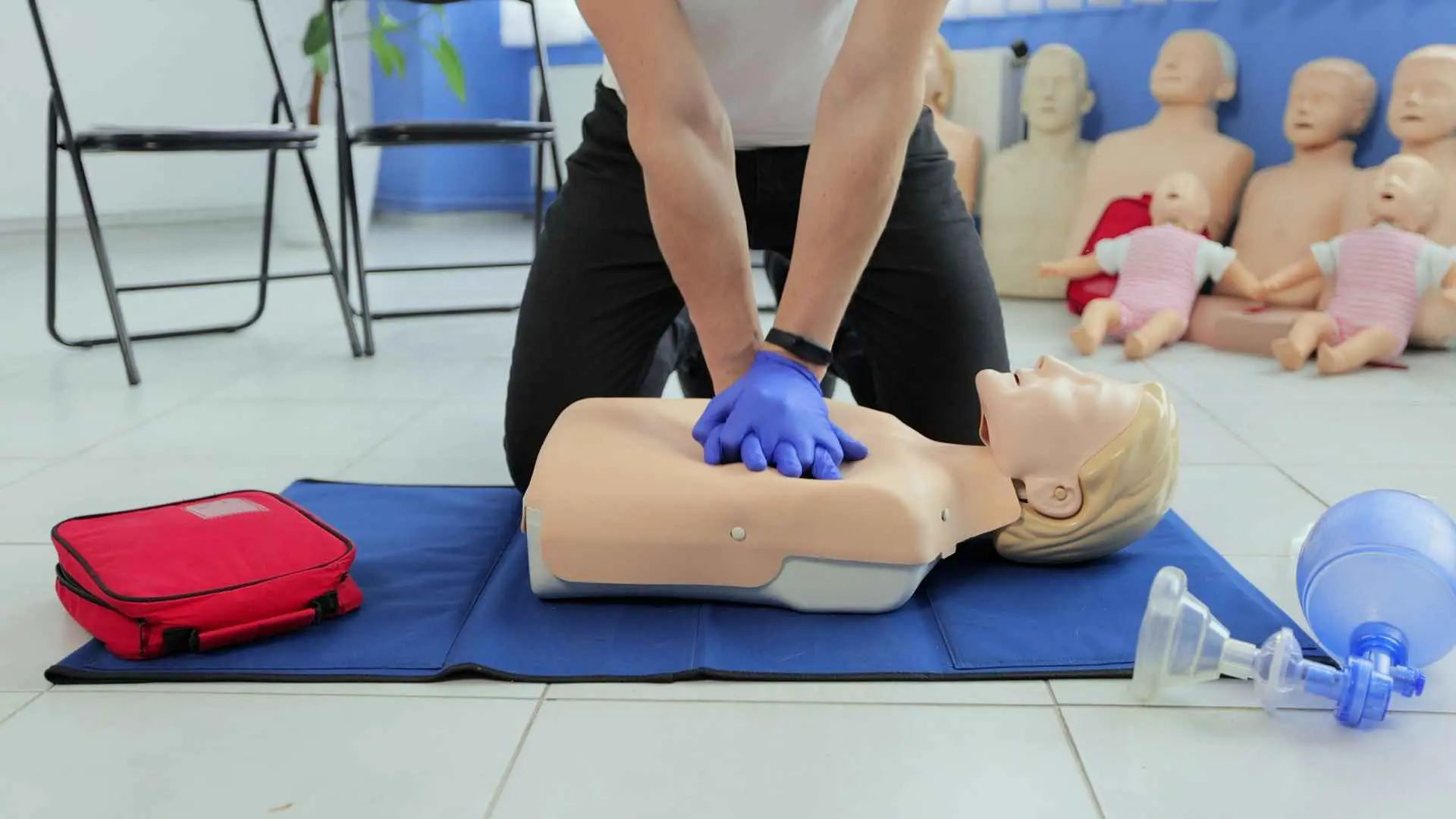
CPR works by manually pumping the heart through chest compressions, which forces blood to circulate through the body and deliver oxygen to vital organs. While CPR alone may not restart the heart, it maintains blood flow and buys precious time until paramedics arrive with advanced equipment or an automated external defibrillator can be applied to restore a normal heart rhythm.
Research published in medical journals consistently demonstrates that communities with higher rates of bystander CPR have significantly better cardiac arrest survival rates. Cities that have invested in widespread CPR training programs have seen survival rates increase by as much as 50 percent compared to communities where fewer residents are trained.
Real-World Impact of First Aid Skills
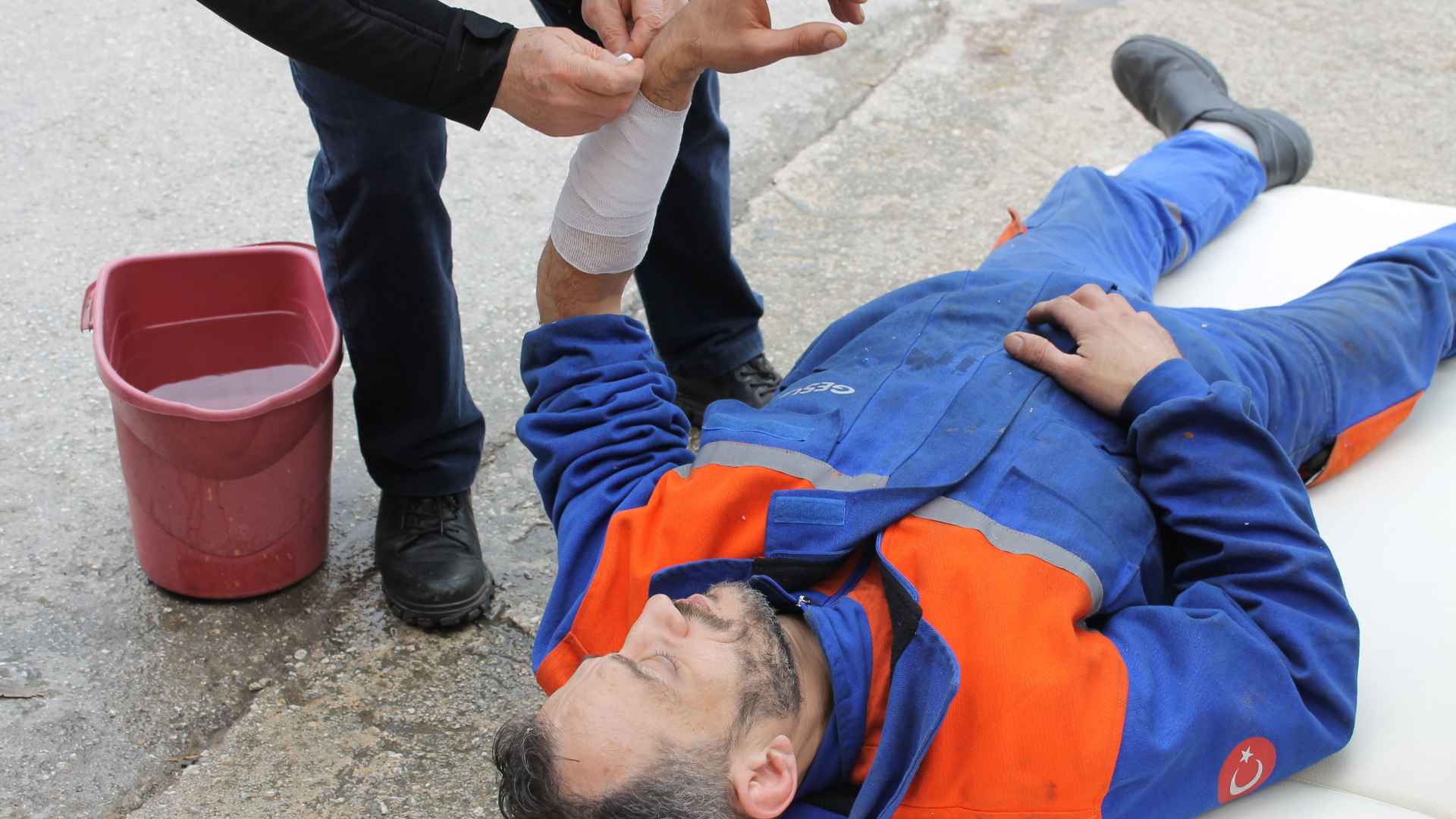
First aid training extends far beyond cardiac emergencies. Trained first aiders save lives and prevent injuries from worsening in countless everyday situations. A parent who recognizes the signs of anaphylaxis and administers an epinephrine auto-injector can save their child from a fatal allergic reaction. A coworker who knows how to apply direct pressure to a severe wound can prevent life-threatening blood loss before paramedics arrive.
Choking is another common emergency where immediate first aid intervention is essential. The Canadian Red Cross reports that choking is a leading cause of injury death in children under four years of age. A caregiver trained in back blows and abdominal thrusts can clear an airway obstruction in seconds, turning what could be a tragedy into a momentary scare.
In workplace settings, trained first aiders respond to falls, burns, electrical injuries, chemical exposures, and heat-related illnesses every day. The presence of certified first aiders in the workplace is not just a legal requirement under Ontario’s Workplace Safety and Insurance Act — it is a practical necessity that protects employees and reduces the severity of workplace injuries.
Safety Tip: When you witness a cardiac emergency, call 911 first, then begin CPR immediately. Do not waste time checking for a pulse if you are not a healthcare professional. If the person is unresponsive and not breathing normally, start chest compressions right away.
Manual Perfusion: Keeping the Brain Alive
When the heart stops, the “internal clock” for brain death begins. CPR isn’t just a physical action; it is a clinical bridge. By performing deep, rapid compressions, you are creating manual perfusion. This process forces oxygenated blood that is already in the lungs into the carotid arteries and up to the brain. In 2026, we focus on Chest Compression Fraction (CCF)—the goal is to keep your hands on the chest at least 80% of the time to maintain the blood pressure required to keep the brain “primed” for a successful shock from an AED.
The Chain of Survival
Emergency medical professionals use a concept called the Chain of Survival to describe the series of actions that give a cardiac arrest victim the best chance of survival. Each link in the chain is critical, and the strength of the chain depends on every link being executed quickly and effectively.
Watch: The Life-Saving Power of CPR
The first link is early recognition and calling for help. Recognizing that someone is in cardiac arrest and calling 911 immediately ensures that professional help is dispatched without delay. The second link is early CPR, which is where bystander training makes the biggest difference. Starting compressions within the first few minutes of cardiac arrest can double the victim’s chance of survival.
The third link is early defibrillation. AEDs are now installed in many public buildings, shopping centres, sports facilities, and transit stations across Toronto. These devices are designed to be used by anyone, even without formal training, but CPR and AED training dramatically increases a bystander’s confidence and effectiveness when using one. The fourth link is early advanced care provided by paramedics and hospital emergency departments.
Why Everyone Should Get Trained
One of the most common barriers to bystander intervention is fear — fear of doing something wrong, fear of hurting the victim, or fear of legal consequences. First aid and CPR training directly addresses all of these concerns. When you have practiced the skills in a classroom setting, you develop the muscle memory and confidence needed to act decisively in a real emergency.
Canada’s Good Samaritan laws provide legal protection to anyone who provides emergency assistance in good faith. As long as you act reasonably and within the scope of your training, you are protected from liability. This legal framework exists specifically to encourage bystanders to help without hesitation.
The emotional impact of being prepared should not be underestimated either. People who have used their first aid training to help someone in an emergency consistently report a profound sense of purpose and accomplishment. Conversely, people who witness an emergency and feel helpless because they lack training often experience lasting regret and emotional distress.
Getting Certified Is Easy and Affordable
Coast2Coast First Aid and Aquatics offers a range of certification options to fit every schedule and budget. Whether you prefer a full in-person course, a blended online learning format, or private group training at your workplace, there is an option that works for you.
Courses are available at multiple locations across the GTA including Toronto, Mississauga, Brampton, North York, Oakville, and Hamilton. With weekday, weekend, and evening classes available, even the busiest Torontonians can find time to learn these critical skills. Certifications are valid for three years and can be renewed through shorter recertification courses.
Learn to Save a Life Today
First aid and CPR skills save lives every day across Canada. Get certified with Coast2Coast First Aid and Aquatics and be ready to make a difference when it matters most.
CPR alone typically does not restart the heart. Its primary purpose is to maintain blood flow to the brain and vital organs until an AED or advanced medical care can be used. However, CPR is essential because without it, the chances of successful defibrillation drop dramatically with every passing minute.
How effective is bystander CPR?
Studies show that bystander CPR can double or triple the survival rate from out-of-hospital cardiac arrest. In communities with high rates of bystander CPR, survival rates of 20 percent or higher have been achieved, compared to less than 10 percent in areas with low bystander intervention rates.
Is first aid training only for healthcare workers?
Absolutely not. First aid training is designed for everyone, regardless of their profession or background. Parents, teachers, coaches, office workers, construction workers, and seniors all benefit from knowing how to respond in an emergency. The skills you learn in a first aid course are applicable in every area of your life.
What age can children start learning first aid?
Children as young as nine or ten can begin learning basic first aid concepts. Teenagers are physically capable of performing effective CPR and many schools now include first aid awareness in their curriculum. Teaching children early builds a culture of preparedness that benefits entire communities.
A
About the Author
Ashkon Pourheidary, B.Sc. (Hons) — Co-Founder, Coast2Coast First Aid & Aquatics
Ashkon has been a certified First Aid and CPR instructor since 2011 and an Instructor Trainer since 2013. He is also a certified Emergency Medical Responder (EMR) instructor, Psychological First Aid instructor, and BLS (Basic Life Support) instructor. Ashkon graduated with honours with a Bachelor of Science in Neuroscience from the University of Toronto in 2016. As co-founder of Coast2Coast First Aid & Aquatics, he has helped grow the organization to over 30 locations across Canada and into the United States. Ashkon has served on the First Aid Council for the Canadian Red Cross. He spends his time coaching the team of over 100 instructors at Coast2Coast to ensure that students training at Coast2Coast locations receive the best training experience. Connect on LinkedIn