
When an extreme winter storm hits Calgary, the city can shift from a functioning metropolis to a near standstill within hours. Heavy snow, high winds, and plunging temperatures create a cascade of highway closures, flight delays, and health risks that affect the whole region.
This guide covers what happens during a major Calgary winter storm, how to read the warnings correctly, what belongs in a proper emergency kit, and what to do if you find yourself stranded until help arrives.
What Makes an Extreme Winter Storm Dangerous in Calgary?
A blizzard is officially defined as sustained winds or gusts of at least 40 km/h combined with visibility reduced below 400 metres for four hours or more, and Calgary storms routinely meet or exceed that threshold under true blizzard conditions. A major storm can drop 10 to 25 centimetres of snow in 24 hours across southern Alberta, but the real danger often comes from the wind: strong gusts funnelling down the Bow River valley and across open prairie can lift snow back into the air as blowing snow long after the snowfall itself has stopped, creating whiteout conditions on exposed roadways.
Environment and Climate Change Canada issues warnings, watches, and advisories based on these thresholds, and residents can receive alerts directly through the agency’s app or website. During the most severe storms, wind chill values can push conditions close to −40°C, and gusts can reach 70 to 90 km/h. Terms like blizzard warning, extreme cold warning, and travel not recommended are not casual suggestions, they indicate that conditions have crossed a genuinely dangerous threshold, and checking current alerts before heading out is one of the simplest ways to stay safe.
Inside a Major Calgary Winter Storm: How Conditions Escalate
To understand why these storms catch so many Calgarians off guard, it helps to walk through how one typically unfolds. A wall of snow often sweeps in from the northwest before sunrise, driven by strong wind well ahead of the heaviest snowfall. By morning, visibility can already be dropping as blowing snow reduces sightlines on open roadways, even before accumulation looks severe. Temperatures that sit around −15°C in the early morning can fall toward −24°C by evening, with wind chill values pushing conditions closer to −30°C or colder as the wind picks up through the afternoon.
Heavy snowfall of 10 to 25 centimetres can blanket the city within 24 hours, with much deeper drifts piling up along overpasses, open stretches near the Bow River valley, and anywhere wind has a clear path. Blowing snow warnings are often issued mid morning, covering Calgary and nearby communities such as Airdrie and Cochrane, well before the worst of the storm arrives. By the time evening commutes begin, many Calgarians find themselves driving home in conditions that started the day looking like an ordinary snowfall.
Even after the snow tapers off and a sunny morning follows, the danger is far from over. Ice covered roads, fog settling in low lying river valleys, and meltwater that refreezes overnight remain hazardous for drivers and pedestrians alike, sometimes for days after the storm itself has passed.
Highway and Travel Disruptions During a Calgary Winter Storm
When a storm peaks, Calgary’s highway network becomes one of the most hazardous environments in the city. During a major storm on a Wednesday in December 2025, Calgary police reported 192 collisions across the city in a single day, according to CTV News, as multiple collisions piled up under whiteout conditions and reduced visibility overwhelmed drivers with little warning. Highway 2, also known as the QEII Highway, between Calgary and Red Deer, and sections of Highway 1 east of Calgary have both seen extended road closures during past storms, at times marked travel not recommended, due to multi vehicle collisions and jackknifed trucks blocking traffic.
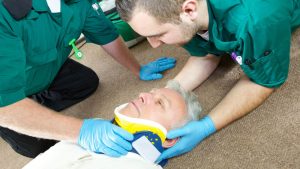
Safe winter driving habits reduce this risk substantially. Use winter tires, since all season tires lose meaningful grip below about −7°C, and keep your gas tank at least half full to avoid fuel line issues in extreme cold. Check tire pressure regularly, since it drops as temperatures fall, and make sure windshield wipers are in good condition and washer fluid is topped up with a formula rated for extreme cold. Motorists who must be on the road should slow down significantly, increase following distance, and keep headlights on even during the day to improve visibility to other drivers. Increased collision risk during a major storm means bystanders may need to help manage bleeding, shock, or cold exposure until EMS arrives, since ambulances themselves can face access delays on unploughed or blocked roads.
Case Study: A Recent Calgary Storm Day
One recent example shows how quickly conditions can spiral. On a Wednesday in December 2025, Environment and Climate Change Canada had already issued alerts overnight, warning that a significant system was moving into southern Alberta. By early morning, temperature readings across the city had already dropped several degrees, and by the afternoon, wind driven snow had reduced visibility on several highways to near zero.
Calgary police reported 192 vehicle collisions across the city that Wednesday, according to CTV News, a number that continued climbing as the evening commute began and roads that had been merely slippery in the morning became genuinely hazardous by nightfall. Multiple road closures were reported that day, including sections of Highway 2 and Highway 1, and Calgary airport experienced flight delays as crews worked to keep runways clear for arriving and departing aircraft.
By the time the worst of the Wednesday storm had passed, several vehicles remained stranded overnight, and municipal crews continued clearing major routes well into the following morning. Alerts from Environment and Climate Change Canada stayed in effect through the next day, a reminder that conditions can remain hazardous even after the heaviest snowfall itself has ended and a sunny morning has returned.
Vehicle Safety and Winter Driving Preparedness
Keeping your vehicle itself storm ready matters just as much as knowing how to drive in bad conditions. Winter tires provide meaningfully better traction than all season tires once temperatures drop consistently, and checking tire pressure regularly matters too, since cold air causes pressure to drop and can leave tires under inflated without any visible change in appearance.
A full tank of gas reduces the risk of fuel line freeze up and gives you options if you need to reroute or wait somewhere safe for conditions to improve. If visibility disappears suddenly while you’re driving, reduce speed immediately, and if conditions become unsafe, pull off at the nearest safe location, turn on hazard lights, and wait rather than continuing to push through a whiteout.
Calgary Airport Delays and Flight Disruptions
Calgary International Airport (YYC) can suspend flights entirely during the height of a major storm, grounding departures and preventing incoming aircraft from landing safely. Runways, taxiways, and aprons all require aggressive clearing before any airline can safely resume operations, and crews often close runways on rotation so snowplows, sweepers, and sanders can keep pace with continued snowfall.
Flight suspensions typically begin in the morning or early afternoon and can stretch into the evening before even one runway reopens, once visibility improves past the minimum threshold required for safe operations. De-icing queues can back up significantly once flights resume, since every aircraft needs treatment before it can safely depart in freezing conditions.
For travellers, checking your airline’s app or the airport’s departures board before leaving home, rather than after arriving at the terminal, saves significant time and frustration. Allow extra time for winter driving to the airport, or consider postponing non-essential travel entirely if a storm warning is already in effect.
Impact on Schools, School Boards, and Local Services
Calgary school boards typically keep school buildings open as warm, supervised spaces even during severe storms, while cancelling bus routes rather than closing schools outright. This approach means kids who make it to school have a safe, heated place to wait out delays, even when transportation across the city has effectively slowed to a crawl.
Each school board publishes real time updates on bus cancellations and late arrivals, and parents are encouraged to check school websites directly rather than assume normal schedules will hold. Calgary Transit also faces significant delays during major storms, with buses struggling on uncleared streets and steep hills, and municipal crews prioritize clearing major arterial roads and emergency routes first, meaning side streets can stay snow packed for days after a storm passes.
Reading Storm Warnings and Deciding When to Stay Home
During a severe storm, the safest choice is often to postpone non-essential travel entirely. Checking 511 Alberta for road conditions and Environment Canada alerts before heading out, rather than after you are already on the road, gives you the chance to change your plans while it is still easy to do so.
Winter storms also disrupt flights out of Calgary airport, since heavy snowfall means runways need to be cleared repeatedly to ensure aircraft can taxi safely, and schools often keep buildings open as a warm, supervised space even when buses and transit face major delays. If you are travelling, checking your airline’s app and allowing significant extra time, or simply postponing the trip, is usually safer than rushing to make a departure during an active storm.
Winter Health Risks Worth Knowing
Extreme cold creates genuine medical risks beyond the roads. Hypothermia and frostbite are the most well known, but shovelling heavy snow is also a documented trigger for cardiac events, since cold exposure increases the heart’s workload, and breathing extremely cold air can trigger asthma flare ups in people with existing respiratory conditions. Carbon monoxide poisoning is another serious risk during power outages, when portable heaters, generators, or vehicles left running in enclosed spaces can allow gas to build up unnoticed. Dressing in windproof, insulating layers and covering exposed skin, ears, and fingers is the most effective way to prevent frostbite before it starts.
Checking in on older neighbours, family members, or anyone with a chronic health condition is especially important during severe winter weather, since they may be less able to manage cold exposure or respond safely to a power outage on their own. For the full first aid steps on recognizing and responding to hypothermia and frostbite, see our complete guide to hypothermia and frostbite first aid. Every home should also have a working carbon monoxide detector, and anyone shovelling snow, especially those with a heart condition, should pace themselves and stop immediately if they feel chest pain, dizziness, or unusual shortness of breath.
Building a Winter Emergency Kit for Home, Vehicle, and Workplace
The City of Calgary recommends every household keep a 72 hour emergency kit on hand, and winter conditions make that especially important. A home kit should include bottled water, non-perishable food, flashlights with extra batteries, a battery powered or crank radio, extra blankets and warm clothing, a working carbon monoxide detector, and enough prescription medication to last through an extended outage.
A vehicle kit deserves just as much attention, since a stranded car in extreme cold is a genuine emergency. Keep a small shovel, traction aids, booster cables, extra warm clothing and blankets, high energy snacks and water, and a compact first aid kit with hand warmers in your vehicle throughout the winter months, not just when a storm is forecast.
Workplaces and schools benefit from the same thinking: accessible first aid stations and AEDs, backup lighting, and enough spare clothing and food on hand to shelter people safely if travel becomes impossible for a few hours.
Homes need attention too before a winter storm hits. Sealing drafts and having your heating system inspected can prevent unnecessary heat loss, and heavy snow or freezing rain can put real risk on roofs and exposed plumbing across Alberta, so clearing snow buildup where it’s safe to do so and insulating vulnerable pipes are worthwhile precautions each winter.
What to Do If You’re Stranded in Your Vehicle
If you become stranded during a whiteout, stay with your vehicle unless shelter is clearly visible and very close. Disorientation can happen within minutes once visibility drops, even in a familiar area, and a vehicle is far easier for rescuers to find than a person on foot.
Run the engine intermittently for warmth, roughly ten minutes each hour, but check that snow has not blocked the exhaust pipe first, since this is exactly the kind of situation where carbon monoxide can build up inside the cabin. Use hazard lights and interior lights to improve visibility, and tie a bright piece of cloth to your antenna or mirror if you can. Keep everyone in the vehicle warm and dry, watch for signs of hypothermia such as shivering, confusion, or drowsiness, and call 911 with your location as soon as you have cell service.
Regional Impacts Across Southern Alberta
A powerful winter storm centred on Calgary rarely stays contained to the city limits. These systems typically move across southern Alberta as a whole, affecting Red Deer along the QEII Highway corridor, Airdrie, Cochrane, and communities well beyond the immediate metro area at the same time. Provincial transportation crews and municipal governments across Alberta coordinate road clearing and emergency response together, since a storm severe enough to close Highway 2 near Red Deer or Highway 1 rarely affects just one jurisdiction, and sustained wind is often the common thread linking disruptions across the whole region.
Mountain passes connecting Alberta to British Columbia can also see closures during the same systems, and avalanche control work sometimes adds further delays on routes through the Rockies. The collision and stranding risk on secondary and rural roads across southern Alberta often persists well after major highways have reopened, since crews prioritize the busiest corridors first. Environment and Climate Change Canada continues to monitor these systems as they move across Canada, and warning signs posted along affected highways, indicating travel not recommended, should be treated as a serious signal rather than a routine caution.
Preparing Your Workplace, School, or Family for Winter Storm Season
Employers, school boards, and families that plan ahead of winter storm season put people in a much better position when conditions turn severe. Clear policies that support staff and students choosing safety over travel, along with reliable ways to receive alerts about closures and delays from the school board, Calgary airport, or a workplace directly, reduce the number of people caught out unnecessarily by road closures or last minute cancellations.
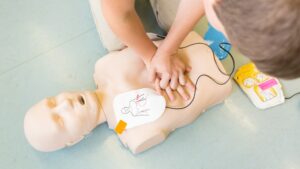
Making sure staff know which level of first aid training fits their role, and keeping certifications current before winter sets in, means more people are ready to help if a storm related injury happens on site. Courses covering Basic First Aid (formerly Emergency First Aid) and Intermediate First Aid (formerly Standard First Aid) both include cold-injury recognition alongside other common workplace emergencies. Coast2Coast’s workplace first aid training and youth-focused babysitting and safety courses both cover skills relevant to winter incidents, from slips and falls to cold exposure and cardiac emergencies.
Learn CPR for Cold-Weather Cardiac Emergencies
Prepare Your Workplace for Winter
Key Takeaway
Extreme winter storms can close Calgary’s highways and airport within hours. Checking warnings before you travel, keeping a proper emergency kit at home and in your vehicle, and knowing what to do if you’re stranded are the most effective ways to stay safe until conditions improve or help arrives.
Frequently Asked Questions: Calgary Winter Storm Safety
Q1: What should I do if I get stranded in my car during a Calgary winter storm?
A: Stay with your vehicle unless shelter is clearly visible and very close, disorientation can happen within minutes once visibility drops, even in a familiar area, and a vehicle is far easier for rescuers to find than a person on foot. Run the engine intermittently for warmth, roughly ten minutes each hour, but check that snow has not blocked the exhaust pipe first, since this is exactly the kind of situation where carbon monoxide can build up inside the cabin. Use your hazard lights and interior lights to improve visibility, keep everyone warm and dry, watch for signs of hypothermia such as shivering, confusion, or drowsiness, and call 911 with your location as soon as you have cell service.
Q2: What should I keep in a winter emergency kit for my car in Calgary?
A: A basic winter car kit should include a small shovel, traction aids, and booster cables, along with extra warm clothing, blankets, high energy snacks, and water. A compact first aid kit with hand warmers and basic dressings rounds out the essentials. Keep this kit in your vehicle throughout the winter months rather than only when a storm is forecast, since sudden weather shifts and black ice conditions can develop with very little warning in Calgary.
Q3: How do I know if a Calgary winter storm is too dangerous to drive in?
A: Check 511 Alberta for current road conditions and Environment and Climate Change Canada alerts before heading out. Phrases like travel not recommended, blizzard warning, and whiteout conditions are not casual suggestions, they mean conditions have crossed a genuinely dangerous threshold. If you are already on the road and visibility drops suddenly, reduce speed, turn on your headlights, and if conditions become unsafe, pull off at the nearest safe location and wait rather than continuing to push through a whiteout.
This article is provided for general informational purposes and does not replace personalized medical advice or official emergency guidance. In an active emergency, call 911 and follow instructions from local authorities and Environment and Climate Change Canada rather than relying on this guide alone.
Reviewed By
Reviewed by Ashkon Pourheidary, B.Sc. Hons Neuroscience, Co-Founder and Canadian Red Cross Instructor Trainer at Coast2Coast First Aid Inc. Storm and collision reporting referenced from CTV News. Emergency kit guidance referenced from the City of Calgary’s emergency preparedness recommendations.
About Coast2Coast First Aid
Coast2Coast First Aid Inc. is a Canadian Red Cross Training Partner and dedicated provider of first aid and CPR programs across Alberta, for individuals, workplaces, and organizations. For more information, visit c2cfirstaidaquatics.com.