

Executive Summary: Administering CPR to drowning victims within the critical 120-second response rule can prevent irreversible brain damage and save lives. Our American Red Cross and AHA-approved First Aid and CPR courses strictly align with the latest CSA Z1210:24 standards. With Basic and Intermediate certifications valid for two years, California residents are fully equipped to handle aquatic emergencies.
Drowning remains one of the leading causes of accidental death in the United States, and California’s extensive coastline, countless swimming pools, and warm climate make water safety an especially critical concern for residents. According to the Centers for Disease Control and Prevention (CDC), approximately 4,000 people die from unintentional drowning each year in the US, and thousands more are treated in emergency departments for non-fatal submersion injuries. Knowing how to perform CPR on a drowning victim can be the single most important factor in saving their life.
Understanding Drowning and Its Impact
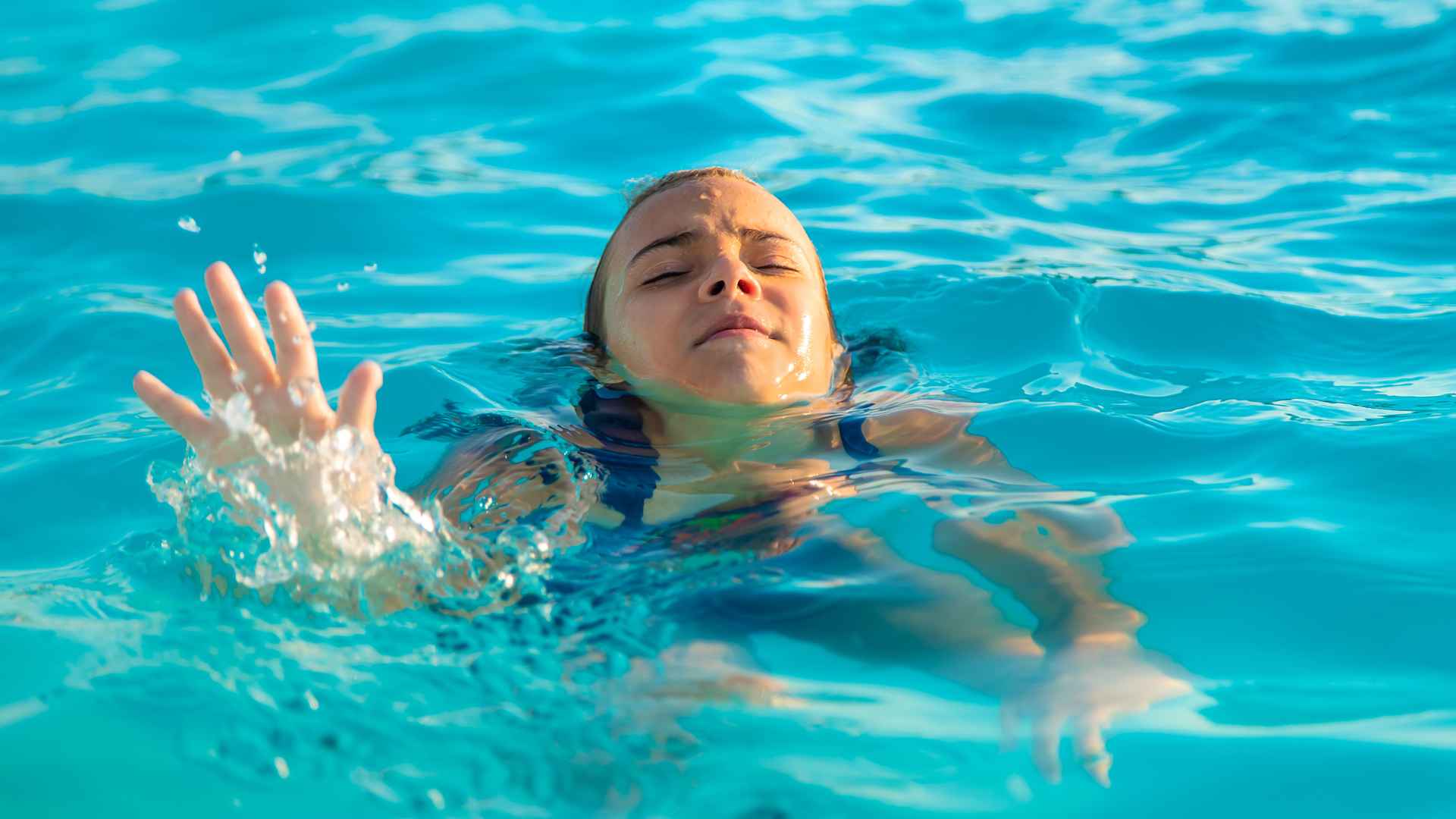
Drowning happens quickly and often silently. Unlike what movies portray, most drowning victims do not splash or call for help. Instead, they slip beneath the surface quietly, sometimes in as little as 20 to 60 seconds. Children are particularly vulnerable — drowning is the leading cause of death for children ages one through four in the United States. In California, where backyard pools are common and beaches are a way of life, understanding the risks and knowing how to respond is essential for every resident.
When a person drowns, their airway becomes blocked by water, cutting off oxygen to the brain and vital organs. Brain damage can begin within just four to six minutes of oxygen deprivation. This narrow window makes immediate bystander intervention absolutely critical. Every second counts, which is why having first aid and CPR training is so valuable.
Common Drowning Locations in California
California’s diverse geography creates numerous water hazards. Residential swimming pools account for the highest number of drowning incidents, especially among young children. Beaches along the Pacific coast present dangers from rip currents, large waves, and cold water temperatures that can cause hypothermia and muscle cramps. Lakes, rivers, and reservoirs throughout the state also contribute to drowning statistics, particularly during summer months when recreational water use peaks.
Public pools, water parks, and even decorative fountains and ponds can pose risks. Understanding the specific dangers of each environment helps you prepare appropriately and respond effectively if an emergency occurs.
CPR for Drowning Victims: A Step-by-Step Guide
Performing CPR on a drowning victim follows a modified approach compared to standard CPR. Because drowning is primarily a respiratory emergency, rescue breaths are especially important. Here is the step-by-step process recommended by the American Heart Association (AHA):
Step 1: Ensure Scene Safety. Before approaching the victim, make sure the scene is safe. Do not enter the water unless you are a trained lifeguard or water rescue professional. Use reaching assists, throw ropes, or flotation devices to bring the victim to safety.
Step 2: Call 911. As soon as the victim is out of the water, call 911 or have someone nearby make the call immediately. Time is critical in drowning emergencies.
Step 3: Check for Responsiveness. Tap the victim’s shoulders and shout to check if they are responsive. If there is no response, begin emergency care immediately.
Step 4: Open the Airway. Tilt the head back gently and lift the chin to open the airway. Check for breathing by looking for chest rise, listening for breath sounds, and feeling for air on your cheek for no more than 10 seconds.
Step 5: Give Rescue Breaths. For drowning victims, start with five initial rescue breaths. Pinch the nose, create a seal over the mouth, and deliver each breath over one second, watching for chest rise. Rescue breaths are crucial for drowning because the primary problem is lack of oxygen.
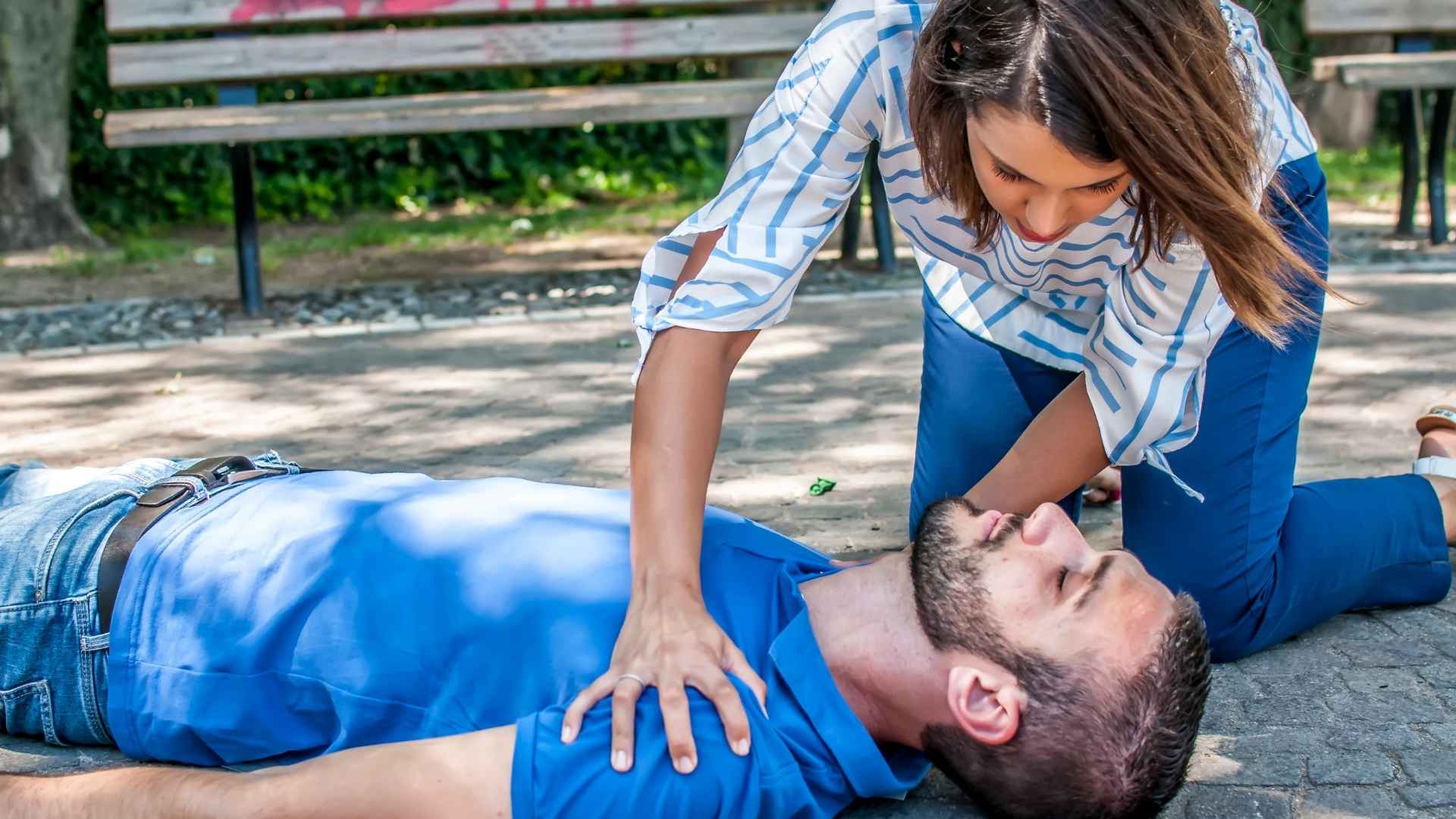
Step 6: Begin Chest Compressions. If the victim is still not breathing normally after rescue breaths, begin chest compressions. Push hard and fast in the center of the chest at a rate of 100 to 120 compressions per minute, at a depth of at least two inches for adults. Follow a ratio of 30 compressions to 2 breaths.
Step 7: Use an AED if Available. If an automated external defibrillator is nearby, use it as soon as possible. Dry the victim’s chest before applying the pads. Follow the voice prompts from the device. Learning to use an AED is covered in our CPR and AED courses.
Step 8: Continue Until Help Arrives. Do not stop CPR until emergency medical services take over, the victim starts breathing on their own, or you are physically unable to continue.
The Importance of Timely CPR and Bystander Response
Research published by the AHA shows that immediate bystander CPR can double or triple survival rates in cardiac arrest cases, including those caused by drowning. In many drowning incidents, the victim’s heart is still beating when they are pulled from the water — rescue breathing alone may be enough to revive them. However, if the heart has stopped, full CPR with chest compressions becomes essential.
California law protects Good Samaritans who provide emergency care in good faith. Under the California Good Samaritan Act, you cannot be held liable for injuries resulting from your reasonable attempt to help someone in an emergency. This legal protection should give you confidence to act without hesitation when someone’s life is at stake.
Watch: CPR and Water Safety Training
Drowning Prevention Tips for California Residents
Prevention is always better than response. There are several important steps California residents can take to reduce drowning risks. Always supervise children closely around any body of water, and install proper fencing around residential pools with self-closing, self-latching gates. Enroll children in swimming lessons as early as possible, and ensure all family members know basic water safety rules.
When visiting California beaches, always swim near a lifeguard station and pay attention to posted warning flags. Learn to identify and escape rip currents by swimming parallel to shore rather than fighting against the current. Never consume alcohol before or during water activities, as it impairs judgment, balance, and swimming ability. Wear properly fitted life jackets during boating and other watercraft activities.
Get Trained to Save Lives Around Water
⚠️ Compliance Alert for Employers
To remain fully compliant with the CSA Z1210:24 standard, ensure you register for the correct level: Basic (formerly Emergency) for low-risk environments, or Intermediate (formerly Standard) for high-risk or larger workplaces, including professional aquatic facilities.
Whether you are a parent, a pool owner, a teacher, or someone who simply enjoys California’s beaches and waterways, CPR certification is one of the most valuable skills you can have. Coast2Coast First Aid offers American Heart Association-certified training at locations across California, including Los Angeles, Long Beach, San Diego, San Francisco, and Irvine.
Our courses include hands-on practice with CPR manikins and AED trainers, giving you the real-world skills and muscle memory needed to perform confidently in an actual emergency. We also offer Basic Life Support (BLS) courses for healthcare professionals, babysitting and child care training for caregivers, and private group courses for organizations. Browse our blog for more water safety tips, or visit our FAQ page for course details.
| Course Level (2026 Standards) | Target Audience | Duration | Validity |
|---|---|---|---|
| Basic (Emergency) First Aid & CPR | Parents, pool owners, babysitters, general public | 1 Day | 2 Years |
| Intermediate (Standard) First Aid & CPR | Teachers, camp counselors, aquatic facility staff | 2 Days | 2 Years |
| Basic Life Support (BLS) | Professional lifeguards, EMS, healthcare providers | 4-5 Hours | 1 Year |
Understanding Secondary Drowning and Dry Drowning
Many people are unaware that drowning complications can occur hours after a water incident. Secondary drowning, also known as delayed drowning, happens when water that has entered the lungs causes inflammation and fluid buildup over the following hours. Symptoms include persistent coughing, difficulty breathing, chest pain, extreme fatigue, and changes in behavior or mood. If someone has experienced a near-drowning event, it is essential to monitor them closely for at least 24 hours and seek medical attention immediately if any of these symptoms appear.
Dry drowning is another condition where water causes the vocal cords to spasm and close, blocking the airway even though little or no water enters the lungs. Both conditions are medical emergencies that require prompt professional treatment. Educating yourself about these risks through a comprehensive first aid course ensures you know the warning signs and can respond appropriately.
Water Safety Resources for California Communities
Several organizations in California provide water safety education and resources. The American Red Cross, local fire departments, and community recreation centers often host free or low-cost water safety programs. The California Department of Parks and Recreation posts ocean conditions and safety advisories for state beaches. Many California cities, including Santa Ana, Glendale, Orange, and Thousand Oaks, also have community pool programs that include swimming lessons and water safety instruction for residents of all ages.
Combining community resources with professional CPR certification creates a comprehensive approach to drowning prevention. By investing in your training through first aid and CPR workshops, you not only protect your own family but also contribute to a safer community. Have questions about getting started? Visit our contact page or explore our loyalty points program for savings on future courses.
The statistics are clear — communities with higher rates of CPR-trained individuals see significantly better outcomes in drowning emergencies. Being part of that trained community starts with a single decision to get certified. Whether you are looking for standard first aid certification or advanced Basic Life Support training, Coast2Coast has a course designed to fit your needs and schedule.
Register for CPR or First Aid Training
Register today for a CPR or First Aid training course at one of our 30+ locations across Canada and the U.S. Check out our facilities and book your spot now.
Frequently Asked Questions
Question 1: What is the 120-second response rule for drowning victims?
Answer: The 120-second response rule dictates that a rescuer must recognize the emergency, safely extract the victim from the water, and begin ventilation and CPR within two minutes to prevent irreversible brain damage caused by oxygen deprivation.
Question 2: How is CPR for drowning victims different from standard CPR?
Answer: Unlike typical sudden cardiac arrest, drowning is primarily a respiratory failure. Therefore, CPR for drowning specifically emphasizes delivering five initial rescue breaths before starting chest compressions to quickly restore oxygen to the lungs and bloodstream.
Question 3: Does California law protect bystanders who perform CPR?
Answer: Yes, under the California Good Samaritan Act, bystanders who voluntarily provide emergency medical care, including CPR or using an AED, in good faith are legally protected from civil liability.
Question 4: How long is an American Red Cross CPR certification valid?
Answer: Basic and Intermediate CPR, First Aid, and AED certifications issued by the American Red Cross and the American Heart Association (AHA) are valid for exactly two years from the date of completion.
Question 5: What is the CSA Z1210:24 standard for first aid?
Answer: The CSA Z1210:24 standard represents the most modern, rigorous guidelines for workplace and environmental first aid training. Completing a compliant course ensures you are prepared for high-risk situations, including aquatic emergencies.
Question 6: Can anyone use an AED on a drowning victim?
Answer: Yes, but you must ensure the victim has been pulled out of the water and their chest is wiped dry before applying the AED pads. The device will guide you with clear voice prompts on what to do next.
Question 7: Do I need Basic or Intermediate first aid for pool management?
Answer: Basic First Aid is often sufficient for general staff or residential pool owners. However, Intermediate First Aid is highly recommended and often required for managers of high-risk commercial or public aquatic facilities.
Question 8: What is secondary drowning?
Answer: Secondary drowning occurs hours after a water rescue when residual water in the lungs causes inflammation and fluid buildup. Symptoms include persistent coughing, lethargy, and difficulty breathing, requiring immediate medical care.
Question 9: Are Coast2Coast courses AHA and Red Cross approved?
Answer: Yes, Coast2Coast First Aid & Aquatics provides comprehensive curricula that are fully approved by both the American Heart Association (AHA) and the American Red Cross, ensuring you receive industry-standard training.
Question 10: At what age should children start swimming lessons?
Answer: The American Academy of Pediatrics recommends that children can safely start basic swimming and water survival skills lessons as early as age 1 to significantly reduce their risk of drowning.
Question 11: Should I perform hands-only CPR on a drowning victim?
Answer: No. Because drowning is a respiratory emergency causing profound oxygen depletion, traditional CPR combining chest compressions with essential rescue breaths is critical to survival.
Question 12: How deep should chest compressions be for an adult drowning victim?
Answer: For an adult victim, compress the center of the chest hard and fast to a depth of at least two inches, maintaining a rate of 100 to 120 compressions per minute.
Question 13: Do I need Basic Life Support (BLS) training?
Answer: BLS is designed specifically for healthcare providers, EMS personnel, and professional lifeguards. If you are a parent, pool owner, or teacher, a standard Basic or Intermediate CPR/First Aid course is perfectly appropriate.
Question 14: What is dry drowning?
Answer: Dry drowning happens when a sudden intake of water causes the vocal cords to severely spasm and close, blocking the airway entirely even though water never actually reaches the lungs.
Question 15: Does Coast2Coast offer private CPR group training in California?
Answer: Yes, we provide customized, on-site private group training for families, schools, and corporate aquatic facilities, bringing our certified instructors and equipment directly to your location.
About the Author
Ashkon Pourheidary, B.Sc. (Hons) — Co-Founder, Coast2Coast First Aid & Aquatics
Ashkon has been a certified First Aid and CPR instructor since 2011 and an Instructor Trainer since 2013… Connect on LinkedIn