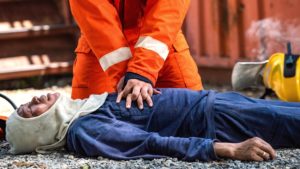

First aid is emergency care given immediately to an injured person to minimize injury and prevent further disability. Basic first aid knowledge can save lives in emergencies. In Toronto, WSIB Regulation 1101 requires certified first aiders in all workplaces. Brain damage begins within three to four minutes of cardiac arrest without CPR. First aid certifications are valid for three years. Under CSA Z1210:24, Emergency First Aid is now Basic First Aid and Intermediate / Standard First Aid is now Intermediate First Aid.
✓ Canadian Red Cross Certified
First Aid Training in Toronto
Emergency First Aid, Intermediate / Standard First Aid, CPR Level C, and BLS at 30+ GTA locations. Weekday, weekend, and evening formats. Private group training available.
Important First Aid Facts Every Torontonian Should Know
Toronto is a world-class city with an extensive healthcare system, but when a medical emergency strikes, professional help is never instantaneous. In the critical minutes between the onset of an emergency and the arrival of paramedics, the actions of a trained bystander can determine whether someone lives, dies, or suffers permanent disability. First aid training gives you the knowledge and skills to fill that gap.
First aid is emergency care given immediately to an injured person, aimed at minimizing injury and future disability, and in serious cases, it may be necessary to keep the victim alive. Basic first aid knowledge can save lives in emergencies and prevent a serious issue from becoming life threatening by stopping an injury from getting worse before medical assistance arrives. First aid knowledge is crucial as it allows individuals to respond quickly and correctly in emergencies, potentially saving lives and preventing further injury.
First aid basics aim to stabilize the individual until professional medical help arrives. Immediate and appropriate first aid can significantly reduce recovery time by preventing complications and promoting faster healing. Quick intervention stops injuries from deteriorating and reduces the severity of injury and permanent disability risks. Immediate and appropriate aid treatment applied properly can make the difference between a minor recovery and a life-altering outcome.
Key first aid facts every person in Toronto should know include the following. Signs of a stroke include facial drooping, arm weakness, and speech difficulties: use the FAST framework and call 911 immediately. It is important to recognize signs of a heart attack and manage seizures using correct first aid practices. Direct pressure should be applied to a wound using clean gauze or cloth to control bleeding, and it is crucial to maintain pressure on a bleeding wound without removing soaked bandages. Ice should not be applied directly to a burn as it can cause further skin and tissue damage. Instead, cool water should be run over a burn for at least 10 minutes to mitigate damage. If a person feels faint, help them lie down and elevate their feet to restore blood flow.
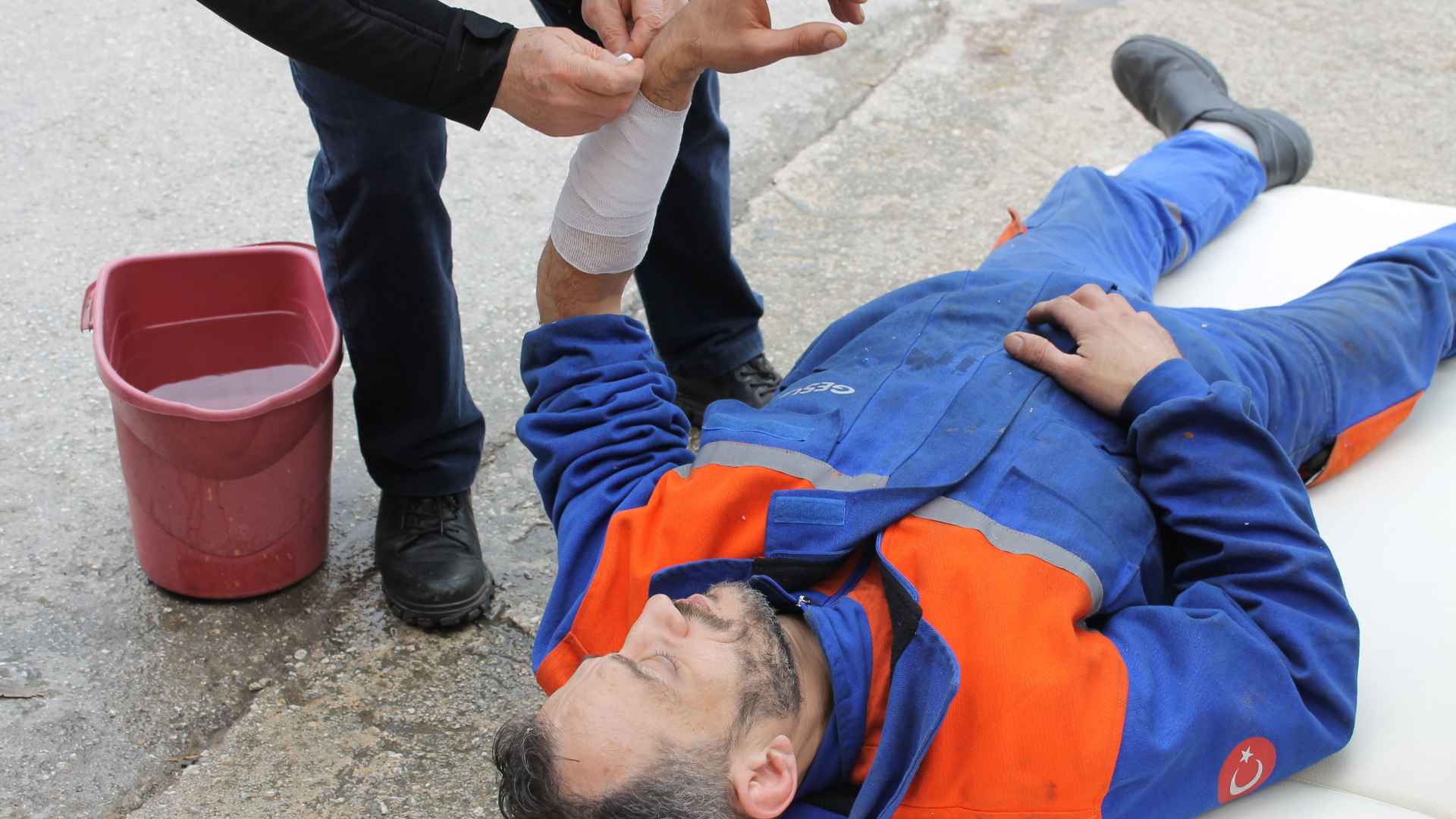
First Aid Training in Toronto: What the Law Requires
All Canadian jurisdictions require workplaces to provide at least some level of first aid, with specific requirements for training and equipment depending on the type of workplace and associated risks. In Ontario, WSIB Regulation 1101 establishes the minimum standards for workplace first aid coverage. First aid requirements and first aid regulations vary by workforce size and industry risk level, and employers must follow current best practices to remain compliant.
First aid regulations require that employers maintain certified first aiders on staff, properly stocked first aid kits, and documented emergency procedures. First aid kits in workplaces must meet the Canadian Standards Association (CSA) standard Z1220-17, which outlines the minimum requirements for first aid kits and equipment based on workplace factors.
Aid Requirements Under WSIB Regulation 1101
Under WSIB Regulation 1101, workplaces with 1 to 5 employees require Emergency First Aid (Basic First Aid) with CPR Level C at minimum. Workplaces with 6 or more employees require Intermediate / Standard First Aid (Intermediate First Aid). First aid requirements specify that a certified first aider must be able to reach any injured worker within 120 seconds. Failure to maintain certified first aiders on staff during all working hours can result in Ministry of Labour fines and increased liability.
In 2026, Ontario has fully transitioned to the CSA Z1210:24 national training standards. Courses are now officially referred to as Basic First Aid (Level 1) and Intermediate First Aid (Level 2), replacing the legacy Emergency First Aid and Intermediate / Standard First Aid terminology. Legacy certificates remain valid until expiry.
Aid Assessment: What Employers Must Do
Employers must conduct a written first aid assessment for each workplace to determine the appropriate first aid services needed, including the minimum first aid kit supplies and equipment required, as per WorkSafeBC regulations effective November 1, 2024 and equivalent Ontario requirements under WSIB. This written aid assessment identifies workplace-specific dangers and hazards, the severity of potential injuries, and the appropriate level of first aid coverage needed to protect workers properly.
Employers are encouraged to keep records of employee certifications and recertifications to ensure compliance with workplace safety regulations and to facilitate training updates as needed. Larger workplaces and those in high-risk industries may also be required to designate a first aid room stocked with specific supplies and accessible to all workers during operating hours. The first aid attendant designated for each workplace must hold current certification appropriate to the risk level of the workplace.
Learn This Skill in a Real Classroom
Intermediate / Standard First Aid with CPR Level C
Two-day comprehensive Canadian Red Cross course. Meets WSIB Regulation 1101 for most Ontario workplaces. Covers CPR, AED, bleeding control, spinal injuries, environmental emergencies, and multiple casualty management.
First Aid Knowledge: Core Aid Procedures and Techniques
First aid treatment covers a wide range of emergency scenarios. First aid knowledge prepares individuals to respond to life-threatening situations including cardiac arrest, choking, severe bleeding, burns, fractures, stroke, anaphylaxis, and environmental emergencies. Understanding core aid procedures and aid treatment techniques ensures that bystanders can provide effective care in critical situations before professional medical assistance arrives. The goal of every first aid procedure is to treat the injury properly, prevent the injury from getting worse, and reduce the severity of harm until an ambulance arrives.
The Check, Call, Care protocol guides responses in emergencies. Check means surveying the scene for danger before approaching. Call means activating 911 to dispatch professional help. Care means providing immediate first aid based on the victim’s condition and your level of training.
Direct Pressure and Bleeding Control
Direct pressure is the primary technique for controlling severe bleeding. Direct pressure should be applied to a wound using clean gauze or cloth. Key injury responses involve applying direct pressure to control bleeding, using dressings to cover burns, and splinting broken bones. It is crucial to maintain pressure on a bleeding wound without removing soaked bandages, as removing them makes the injury worse by disrupting clotting. Correctly applying pressure or a tourniquet to stop critical bleeding before it becomes fatal is one of the most important first aid skills any person can develop.
Aid Procedures for Burns, Fractures, and Choking
Burns must be cooled immediately. Cool water should be run over a burn for at least 10 minutes to mitigate damage to the skin and underlying tissue. Ice should not be applied directly to a burn as it can cause further skin damage and worsen the injury. After cooling, cover the burn with a clean non-stick dressing to protect the skin from infection. A well-equipped first aid kit should include trauma dressings for burn and wound management.
For choking, encouraging coughing is recommended if the person can cough forcefully as they may dislodge the object from a blocked airway themselves. A blocked airway is a serious issue that can become fatal within minutes if the severity is not recognized immediately. If a person cannot breathe, deliver 5 back blows followed by 5 abdominal thrusts using the Heimlich maneuver. For unconscious choking victims, begin CPR immediately.
The recovery position is used for unconscious patients who are breathing, to keep the airway open and prevent choking on vomit or fluids. Placing an unconscious but breathing person on their side reduces the danger of aspiration and airway obstruction while waiting for an ambulance to arrive.
First Aid Certification Levels in Toronto 2026
First aid certification in Toronto covers two primary levels for the general public and workplace compliance, plus specialized courses for healthcare professionals and parents. Understanding which level matches your specific requirements ensures full compliance with first aid regulations and maximum preparedness.
Emergency First Aid (Basic First Aid) is a one-day course covering CPR, AED use, choking response, and severe bleeding control. It is the minimum standard for low-risk Ontario workplaces with 1 to 5 employees. Intermediate / Standard First Aid (Intermediate First Aid) is a two-day comprehensive course adding head and spinal injuries, environmental emergencies, and multiple casualty management. It is required for workplaces with 6 or more employees and is the most widely recognized certification across Canada.
Aid Certification and the CSA Z1210:24 Update
Recertification for first aid and CPR training is typically required every three years to ensure that individuals maintain their skills and knowledge in emergency response. The recertification process may involve completing a refresher course or demonstrating proficiency in first aid and CPR skills, depending on the certifying organization. CPR and AED certification is essential for individuals in various settings, including workplaces and community groups, to ensure preparedness for emergencies that require immediate response.
In 2026, all Canadian Red Cross courses follow CSA Z1210:24 standards. Courses use feedback-enabled manikins that provide real-time performance data on compression depth and rate, ensuring that every student meets the clinical standards required to save a life in the field.
First Aid Kit Requirements for Toronto Workplaces
A well-equipped first aid kit should include trauma dressings and a guide. First aid kits in workplaces must meet the Canadian Standards Association (CSA) standard Z1220-17, which outlines the minimum requirements based on workplace factors including workforce size and industry risk level. Employers are required to supplement existing first aid kits with any new contents required by updated regulations and properly maintain all supplies and equipment.
Minimum first aid kit contents for most Ontario workplaces include barrier devices for CPR, sterile dressings, bandages, trauma dressings, scissors, and a first aid manual. High-risk workplaces such as construction sites, manufacturing facilities, and industrial settings require more extensive kit contents including tourniquets and wound packing supplies. Larger workplaces may be required to maintain a designated first aid room with additional supplies and equipment, accessible to all workers and managed by a certified first aid attendant. All first aid kit supplies and equipment should be inspected regularly and restocked after any use.
Train Your Whole Team
Private Group Training for Toronto Businesses
Coast2Coast brings certified instructors and all equipment directly to your Toronto workplace. WSIB approved. Ideal for construction, manufacturing, offices, daycares, and healthcare facilities. Weekday, evening, and weekend scheduling available.
Aid Training Formats for Busy Torontonians
First aid training is available in several formats to accommodate demanding GTA schedules. Traditional in-person courses offer the most immersive experience with hands-on practice throughout the entire program and direct feedback from certified instructors. Blended online learning allows participants to complete the theory portion at their own pace before attending a shorter in-person practical skills assessment session.
The practical skills assessment is mandatory for Canadian Red Cross certification regardless of the format chosen, as hands-on skills cannot be assessed online. For organizations training multiple employees, private group training brings certified instructors and all equipment directly to your Toronto workplace, minimizing disruption while ensuring compliance with first aid requirements.
First Aid Facts: CPR, AED, and the Science of Survival
CPR is a critical life-saving skill that helps maintain blood flow and oxygen to vital organs during cardiac arrest until professional medical help arrives. CPR should be performed at a rate of 100 to 120 compressions per minute. Brain damage begins within three to four minutes of cardiac arrest without CPR. Every minute without CPR reduces survival odds by 7 to 10 percent.
Using an Automated External Defibrillator (AED) in conjunction with CPR significantly increases the chances of survival for a person experiencing cardiac arrest. CPR and AED certification is essential for individuals in various settings, including workplaces and community groups, to ensure preparedness for emergencies that require immediate response. Knowing how to start CPR immediately and deploy an AED quickly is the most important combination of first aid skills any Toronto resident can have to save lives in a cardiac emergency.
In 2026, the Canadian Red Cross curriculum emphasizes High-Performance CPR and maximizing the Chest Compression Fraction (CCF), the goal being to keep hands on the chest at least 80 percent of the time. Modern feedback-enabled manikins provide real-time performance data to ensure every student meets this clinical standard before completing the course.
For healthcare professionals and first aid attendants, Basic Life Support (BLS) provides advanced team-based resuscitation training including oxygen administration, bag-valve-mask ventilation, and pulse checks. Understanding the nuances of clinical resuscitation separates first aid attendants in medical facilities and professional rescuers from general bystanders. In Ontario, the Good Samaritan Act (2001) protects individuals from civil liability when they provide emergency aid in good faith within the scope of their training, removing the danger of legal consequences for bystanders who act to save lives.
Key Takeaway
Basic first aid knowledge can save lives in emergencies. First aid is emergency care that minimizes injury and prevents disability before professional help arrives. Brain damage begins within three to four minutes of cardiac arrest without CPR. WSIB Regulation 1101 requires certified first aiders in all Ontario workplaces within 120 seconds of any injury. Employers must conduct a written first aid assessment for each workplace. Aid kits must meet CSA Z1220-17. First aid certifications are valid for three years. Under CSA Z1210:24, Emergency First Aid is now Basic First Aid and Intermediate / Standard First Aid is now Intermediate First Aid.
Canada’s Top-Rated Training Partner
Join 150,000+ Canadians Who Are Certified
Coast2Coast is Canada’s largest Canadian Red Cross Training Partner.
4.9 stars across 20,491 Google reviews. Register online in 2 minutes.
Frequently Asked Questions: Important First Aid Facts Toronto 2026
Q1: What are the most important first aid facts everyone should know?
A: First aid is emergency care given immediately to an injured person, aimed at minimizing injury and future disability. Basic first aid knowledge can save lives in emergencies. Essential first aid skills include calling emergency services, performing CPR, and using the Heimlich maneuver. Direct pressure controls bleeding. Cool water treats burns and protects the skin. The CAB approach covering Circulation, Airway, and Breathing is prioritized in serious emergencies. Brain damage begins within three to four minutes of cardiac arrest without CPR.
Q2: What are the first aid requirements for Toronto workplaces in 2026?
A: All Canadian jurisdictions require workplaces to provide first aid, with specific requirements depending on the type of workplace and associated risks. Under WSIB Regulation 1101, workplaces with 1 to 5 employees require Emergency First Aid (Basic) at minimum. Workplaces with 6 or more require Intermediate / Standard First Aid (Intermediate). A certified first aider must reach any injured worker within 120 seconds. Employers must conduct a written first aid assessment for each workplace. First aid kits must meet CSA standard Z1220-17.
Q3: What is the difference between Basic First Aid and Intermediate First Aid in 2026?
A: Under the 2026 CSA Z1210:24 update, Emergency First Aid is now called Basic First Aid (Level 1) and Intermediate / Standard First Aid is now called Intermediate First Aid (Level 2). Basic covers CPR, AED use, choking, and severe bleeding in a one-day format. Intermediate adds head and spinal injuries, environmental emergencies, and multiple casualty management over two days. Legacy certificates remain valid until expiry.
Q4: How do you control severe bleeding in a first aid emergency?
A: Direct pressure should be applied to a wound using clean gauze or cloth to control bleeding. It is crucial to maintain pressure on a bleeding wound without removing soaked bandages, as removing them makes the injury worse by disrupting clotting. For life-threatening limb bleeding, a tourniquet should be applied properly as high on the limb as possible. Applying direct pressure and dressings to a major wound reduces the severity of blood loss and prevents hemorrhagic shock.
Q5: What is the correct first aid treatment for a burn?
A: Cool water should be run over a burn for at least 10 minutes to mitigate damage to the skin and underlying tissue. Ice should not be applied directly to a burn as it can cause further skin damage. After cooling, cover the burn with a clean non-stick dressing to protect the skin from infection. Do not apply butter, toothpaste, or any home remedy. Properly treating a burn reduces the severity of injury and promotes faster healing.
Q6: How do you respond to a choking victim?
A: Encouraging coughing is recommended if the person can cough forcefully, as they may dislodge the object from the blocked airway themselves. A blocked airway is a serious issue that requires immediate action. If a person cannot breathe, deliver 5 back blows followed by 5 abdominal thrusts using the Heimlich maneuver. Alternate back blows and abdominal thrusts until the object is dislodged or the person loses consciousness. If the victim becomes unconscious, begin CPR immediately.
Q7: What is CPR and why is it critical?
A: CPR is a critical life-saving skill that helps maintain blood flow and oxygen to vital organs during cardiac arrest until professional medical help arrives. CPR should be performed at a rate of 100 to 120 compressions per minute with compressions at least 2 inches deep. Brain damage begins within three to four minutes of cardiac arrest. Using an AED in conjunction with CPR significantly increases the chances of survival. Every minute without CPR reduces survival odds by 7 to 10 percent.
More FAQs: Certification, Equipment, and Legal Protection
Q8: How long is first aid certification valid in Ontario?
A: Canadian Red Cross first aid certifications are valid for three years. Recertification is typically required every three years to ensure individuals maintain their skills and knowledge. BLS certification for healthcare professionals is valid for one year and must be renewed annually. Employers are encouraged to keep records of employee certifications and recertifications to ensure compliance with workplace safety regulations.
Q9: What first aid kit contents are required in Toronto workplaces?
A: First aid kits must meet CSA standard Z1220-17. Minimum contents include barrier devices for CPR, sterile dressings, bandages, trauma dressings, scissors, and a first aid manual. A well-equipped first aid kit should include trauma dressings and a guide. High-risk workplaces require more extensive kits including tourniquets and wound packing supplies. Employers must conduct a written first aid assessment to determine the minimum supplies and equipment required for their specific workplace.
Q10: What does the Good Samaritan Act protect in Ontario?
A: Ontario’s Good Samaritan Act (2001) protects individuals from civil liability when they provide emergency aid in good faith within the scope of their training. This legal protection exists to encourage bystanders to start CPR immediately and use AEDs without hesitation and without danger of legal consequences. As long as you act reasonably and within your training scope, you are protected from harm arising from your attempt to help.
Q11: What is the CAB approach in first aid?
A: The CAB approach covers Circulation, Airway, and Breathing, and is prioritized when managing severe injuries or medical crises. Check for circulation by looking for severe bleeding that needs immediate aid treatment. Open the airway using the head-tilt chin-lift maneuver. Check for breathing and begin CPR if the person is not breathing normally. In 2026 first aid training, the CAB approach reinforces that stopping life-threatening bleeding takes equal priority with airway and breathing management.
Q12: What is a first aid room and when is it required?
A: A first aid room is a designated space in a workplace stocked with specific first aid supplies and equipment and accessible to all workers during operating hours. First aid rooms are typically required in larger workplaces and high-risk industries where the severity and frequency of potential injuries makes a dedicated treatment space necessary. The first aid room must be managed by a certified first aid attendant and meet minimum CSA standards for contents and equipment.
Q13: What is the recovery position and when is it used?
A: The recovery position is used for unconscious patients who are breathing, to keep the airway open and prevent choking on vomit or fluids. Place the person on their side with their head tilted back slightly to maintain an open airway and reduce the danger of aspiration. Maintain the recovery position and monitor breathing until professional medical assistance arrives. Do not use the recovery position if a spinal injury is suspected.
Q14: Can I take first aid training as a complete beginner?
A: Yes. First aid courses are designed for the general public, workers, students, and parents alike. No prior medical experience is required. Participants should be at least 12 to 14 years old to have the physical strength required for effective chest compressions. Blended learning formats allow theory to be completed at your own pace before attending an in-person practical skills assessment. All equipment including high-fidelity manikins and AED trainers is provided.
Q15: Where can I take a first aid course in Toronto?
A: Coast2Coast First Aid and Aquatics offers Canadian Red Cross certified Emergency First Aid, Intermediate / Standard First Aid, CPR Level C, Child Care First Aid, and BLS courses at multiple locations across the Greater Toronto Area including Toronto, North York, Scarborough, Etobicoke, Brampton, Mississauga, and Richmond Hill. Weekday, weekend, and evening formats are available. Blended learning and private group training options are also offered. All courses meet 2026 CSA Z1210:24 standards.
The information in this article is for educational and informational purposes only and does not constitute medical or occupational health and safety advice. First aid certification requirements vary by province, industry, and employer. Always verify current requirements with WSIB or your provincial occupational health and safety authority. In any medical emergency, call 911 immediately. Coast2Coast First Aid Inc. assumes no liability for outcomes resulting from reliance on information in this article.
Written and reviewed by Ashkon Pourheidary, B.Sc. (Hons) Neuroscience, Co-Founder, Coast2Coast First Aid and Aquatics. Ashkon has been a certified First Aid and CPR instructor since 2011 and an Instructor Trainer since 2013. He is a certified EMR instructor, Psychological First Aid instructor, and BLS instructor, and has served on the First Aid Council for the Canadian Red Cross. Workplace first aid requirements sourced from WSIB Regulation 1101, CSA Z1210:24, CSA Z1220-17, WorkSafeBC regulations (effective November 1, 2024), and the Ontario Occupational Health and Safety Act. Coast2Coast First Aid Inc. is Canada’s largest Canadian Red Cross Training Partner. Last reviewed: March 2026. Contact info@c2cfirstaidaquatics.com or 1-866-291-9121.