


Skip to content

Medical shock is a life-threatening emergency where the circulatory system fails to deliver enough oxygenated blood to vital organs. Early signs include a rapid pulse, pale and clammy skin, restlessness, and shallow breathing. Call 911 immediately, lay the person flat with legs elevated approximately 12 inches, keep them warm, and begin CPR if they become unresponsive and stop breathing normally.

First Aid Training

Learn to Recognize and Respond to Shock

Hands-on Canadian Red Cross certified training covering shock, bleeding control, CPR, and more.

View First Aid Courses

12 in.
Leg elevation in the shock position to improve blood return
5
Distinct types of shock, each requiring a different first aid approach
Minutes
How quickly anaphylactic shock can become fatal without epinephrine

What Are the Signs of Shock and How to Respond: A First Aid Guide

Shock is a life-threatening medical condition that occurs when the body’s organs and tissues do not receive an adequate supply of blood and oxygen. Without prompt recognition and treatment, shock can rapidly progress and lead to organ failure and death. Early intervention is key, as identifying the subtle signs of compensated shock, such as an increased heart rate or pale skin, can prevent the condition from worsening. Understanding the various symptoms of shock and knowing how to respond is one of the most critical skills you can learn in first aid training, because shock can develop as a complication of almost any serious illness or injury.

At Coast2Coast First Aid & Aquatics, we emphasize the recognition and management of shock in all our first aid courses, because early intervention can truly mean the difference between life and death. This comprehensive guide explains the different types of shock, how to identify the warning signs, and the first aid steps you should take while waiting for emergency medical services to arrive.

Understanding What Shock Is

In medical terms, shock refers to a condition where the circulatory system fails to deliver enough oxygenated blood to the body’s vital organs. This is very different from the emotional or psychological shock that people may experience after a traumatic event. Medical shock is a physiological emergency that requires immediate attention and, in most cases, professional medical care.

How the Circulatory System Works

To understand shock, it helps to know the basics of how the circulatory system functions. The heart pumps blood through a network of blood vessels, delivering oxygen and nutrients to every cell in the body while removing waste products. This system depends on three key components: the heart as a pump, the blood vessels as a delivery network, and an adequate blood volume to fill the system. When any of these components fails, the result can be shock.

Types of Shock

There are several distinct types of shock, each caused by a different underlying problem. Hypovolemic shock is the most common type encountered in first aid situations and occurs when the body loses a significant amount of blood or fluid, such as from severe bleeding, burns, or dehydration. Cardiogenic shock results from the heart’s inability to pump blood effectively, often caused by a heart attack or severe heart failure. Anaphylactic shock is a severe allergic reaction that causes blood vessels to dilate rapidly and blood pressure to plummet. Septic shock is caused by a severe infection that triggers a dangerous inflammatory response throughout the body. Neurogenic shock results from damage to the nervous system, typically from a spinal cord injury, that causes blood vessels to dilate uncontrollably.

Recognizing the Signs and Symptoms of Shock

Early recognition of shock is essential because the condition can deteriorate rapidly. The signs and symptoms of shock develop as the body attempts to compensate for inadequate blood flow by redirecting blood away from the skin and extremities toward vital organs like the brain, heart, and lungs.

Early Signs of Shock

In the early stages, the body’s compensatory mechanisms may mask the severity of the condition. Early signs include a rapid but weak pulse as the heart tries to maintain blood flow, pale, cool, and clammy skin as blood is redirected away from the surface, restlessness, anxiety, or agitation, rapid and shallow breathing, slight confusion or altered mental status, and nausea or vomiting. These early signs may be subtle and easy to overlook, which is why it is important to suspect shock in any person who has experienced a significant injury or illness.

Safety Tip: Always suspect shock in any person who has experienced significant trauma, severe bleeding, an allergic reaction, or a heart-related emergency. Early recognition and treatment dramatically improve survival rates, so do not wait for all symptoms to develop before taking action.

Progressive Signs of Shock

As shock progresses and the body’s compensatory mechanisms begin to fail, symptoms become more pronounced and alarming. The person’s skin may become increasingly pale or develop a bluish tint, particularly around the lips and fingertips. Their level of consciousness may deteriorate from confusion to drowsiness and eventually to unresponsiveness. Low blood pressure and a sudden drop in circulation are hallmarks of this stage, with a pulse that becomes increasingly rapid and thready. Breathing may become laboured or irregular. The person may complain of extreme thirst, and their eyes may appear dull and vacant with dilated pupils.

Late Signs of Shock

In the late stages of shock, organ failure begins to occur, and the condition becomes increasingly difficult to reverse even with advanced medical treatment. Signs of late-stage shock include complete unresponsiveness, extremely low blood pressure, irregular or absent pulse, gasping or absent breathing, and mottled or blue-grey skin. At this stage, the person is in immediate danger of cardiac arrest and death, underscoring the critical importance of early recognition and intervention.

How to Respond to Shock: First Aid Steps

As a first aider, your primary goals when treating someone in shock are to address the underlying cause if possible, help maintain blood flow to vital organs, keep the person comfortable, and ensure that emergency medical services are on the way.

Call Emergency Services Immediately

Shock is a medical emergency that requires professional treatment. Call 911 or your local emergency number as soon as you suspect someone is going into shock. Provide the dispatcher with clear information about the person’s condition, including any known causes such as bleeding, injury, or allergic reaction. If other bystanders are present, designate someone to make the call while you begin providing first aid.

Address the Underlying Cause

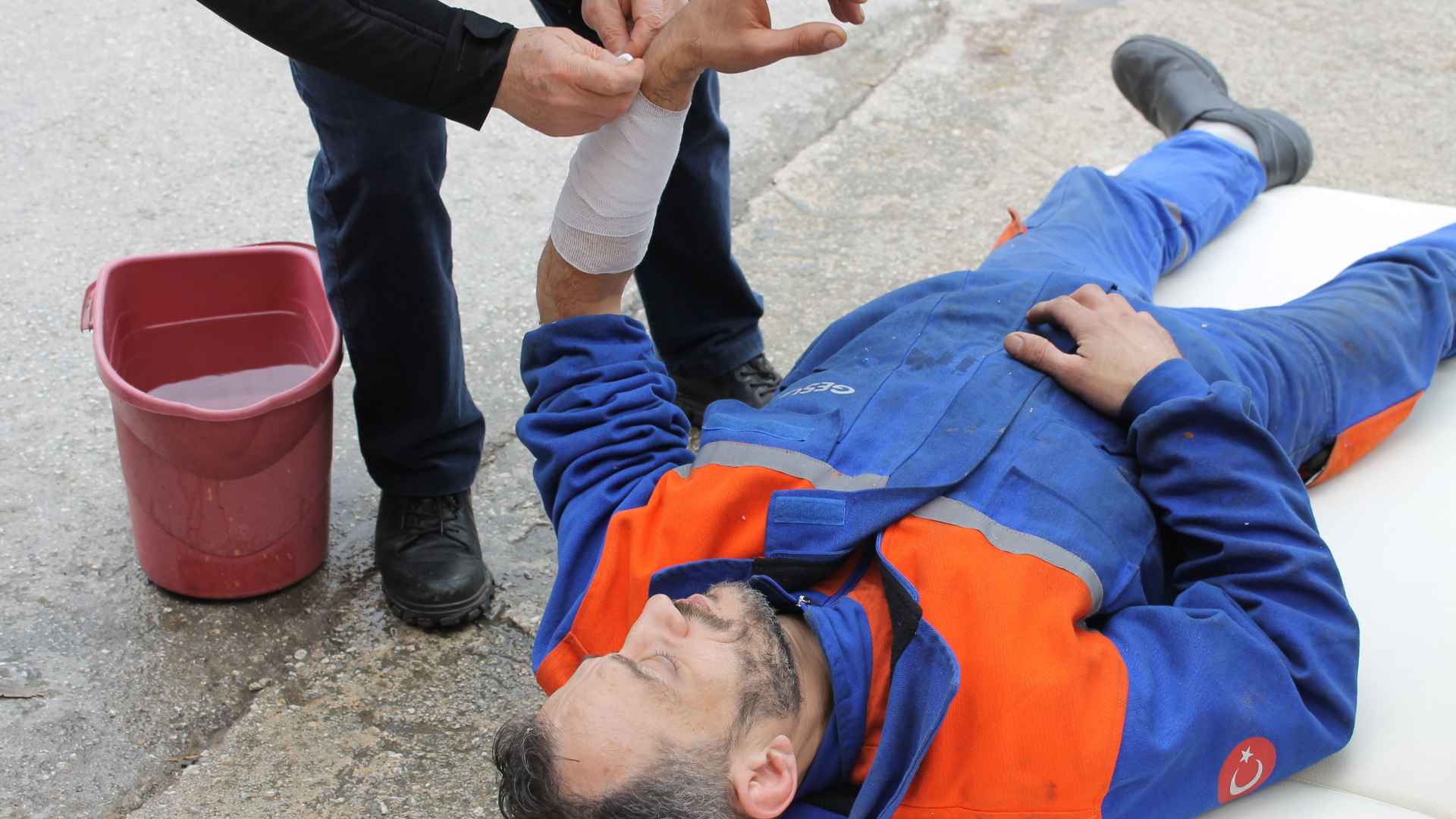
If possible, try to address the condition that is causing the shock. For hypovolemic shock caused by severe external bleeding, apply direct pressure to the wound using a clean cloth or bandage. For anaphylactic shock, help the person use their epinephrine auto-injector if they have one. For cardiogenic shock following a suspected heart attack, help the person into a comfortable position and be prepared to perform CPR if they become unresponsive and stop breathing normally.

Position the Person Appropriately

The position you place a shock victim in can help improve blood flow to their vital organs. If there is no suspected spinal injury and the person is conscious, lay them on their back and elevate their legs approximately twelve inches above the level of their heart. This position, sometimes called the shock position, helps return blood from the lower extremities to the core. If the person is having difficulty breathing, a slightly reclined position may be more comfortable. If the person is unconscious but breathing normally, place them in the recovery position on their side to maintain an open airway and prevent aspiration.

Maintain Body Temperature

People in shock often lose body heat rapidly, which can worsen their condition. Cover the person with a blanket, coat, or any available material to help maintain their body temperature. Place a layer between the person and the ground to prevent heat loss through conduction. Do not apply direct heat sources such as hot water bottles or heating pads, as the person’s impaired circulation may prevent them from sensing burns.

Monitor and Reassure

Continue to monitor the person’s level of consciousness, breathing, and pulse while waiting for emergency medical services to arrive. Provide calm reassurance to help reduce the person’s anxiety and fear, as stress can worsen shock. Do not give the person anything to eat or drink, as they may require surgery or may vomit and aspirate the fluids. If the person becomes unresponsive and stops breathing normally, begin CPR immediately.

Learn Shock Response in a Real Classroom

Practice the shock position, bleeding control, and CPR with a certified instructor in a hands-on setting.

Find a Course Location

Special Considerations for Different Types of Shock

Anaphylactic Shock

Anaphylactic shock progresses extremely rapidly and can be fatal within minutes if not treated. The most effective treatment is the prompt administration of epinephrine through an auto-injector. If the person has a prescribed epinephrine auto-injector, help them use it immediately. The injection is typically administered into the outer thigh and can be given through clothing. Even after epinephrine is administered, the person still requires emergency medical evaluation, as symptoms can return after the medication wears off.

Shock from Severe Bleeding

When shock is caused by severe bleeding, controlling the hemorrhage is the top priority. Apply firm, direct pressure to the wound and maintain it continuously. If blood soaks through the initial dressing, add more material on top without removing the original dressing. For life-threatening limb bleeding that cannot be controlled with direct pressure, a tourniquet may be necessary. Rapid control of bleeding reduces the risk of critical blood volume loss and helps prevent hypovolemic shock from taking hold.

Train Your Team to Respond to Emergencies

Private group training for workplaces, sports organizations, and community groups across Canada.

Book Group Training

Why First Aid Training Matters

Shock can develop in countless emergency situations, from car accidents and workplace injuries to allergic reactions and medical emergencies. The ability to recognize the signs of shock and take immediate action can save lives. Studies consistently show that bystander intervention in the critical minutes before emergency services arrive significantly improves patient outcomes.

Shock is a life-threatening emergency that can develop within minutes, making hands-on practice with real scenarios essential. At Coast2Coast First Aid & Aquatics, our Canadian Red Cross certified courses provide hands-on training in shock recognition and management, along with a comprehensive range of other life-saving skills. Whether you are looking for Intermediate / Intermediate / Standard First Aid certification or a focused CPR and AED course, our instructors ensure you leave confident and prepared.

Key Takeaway

Medical shock is a life-threatening emergency caused by the circulatory system’s failure to deliver oxygenated blood to vital organs. Call 911 immediately, address the underlying cause, place the person in the shock position with legs elevated 12 inches, maintain their body temperature, and never give food or drink. If they become unresponsive and stop breathing, begin CPR. Early recognition of pale and clammy skin, rapid pulse, shallow breathing, restlessness, and altered mental status is the key to preventing deterioration into organ failure and cardiac arrest.

Get Certified

Join 150,000+ Canadians Who Are Certified

Earn your Canadian Red Cross first aid and CPR certification and be ready for the emergencies that matter most.

View Course Locations

Frequently Asked Questions: Shock First Aid 2025

Q1: What is medical shock?

A: Medical shock is a life-threatening physiological emergency where the circulatory system fails to deliver enough oxygenated blood to the body’s vital organs. It is entirely different from the emotional or psychological shock people may experience after a traumatic event. Without prompt recognition and treatment, shock can progress rapidly to organ failure and death. It can develop as a complication of severe bleeding, allergic reactions, heart attacks, severe infections, or spinal cord injuries.

Q2: What are the early signs of shock?

A: Early signs of shock include a rapid but weak pulse, pale and cool and clammy skin, restlessness or anxiety, rapid and shallow breathing, slight confusion or altered mental status, and nausea or vomiting. These signs appear as the body redirects blood away from the skin toward vital organs. They can be subtle and easy to overlook, which is why it is important to suspect shock in anyone who has experienced significant trauma, severe bleeding, or a serious allergic reaction, even before all symptoms develop.

Q3: What are the later signs of shock?

A: As shock progresses, symptoms become more severe. The person’s skin may become increasingly pale or develop a bluish tint around the lips and fingertips. Low blood pressure and a sudden drop in circulation become evident, with a pulse that is rapid and thready. Consciousness deteriorates from confusion to drowsiness and eventually to unresponsiveness. Breathing may become laboured or irregular. In late-stage shock, organ failure begins, the person may become completely unresponsive, and the risk of cardiac arrest is high.

Q4: What should I do if someone is in shock?

A: Call 911 immediately. If there is no suspected spinal injury and the person is conscious, lay them flat on their back and elevate their legs approximately 12 inches to improve blood return to the heart. Cover the person with a blanket to maintain body temperature. Do not give them anything to eat or drink. Address the underlying cause if possible: apply direct pressure for severe bleeding, or help the person use their epinephrine auto-injector for anaphylaxis. If the person becomes unresponsive and stops breathing normally, begin CPR.

Q5: What are the different types of shock?

A: The main types of shock are hypovolemic shock, caused by significant loss of blood volume from severe bleeding, burns, or dehydration; cardiogenic shock, caused by the heart’s inability to pump effectively; anaphylactic shock, a severe allergic reaction that causes a sudden drop in blood pressure; septic shock, caused by a severe infection triggering a dangerous inflammatory response; and neurogenic shock, caused by nervous system damage such as a spinal cord injury that causes blood vessels to dilate uncontrollably.

Q6: What is the shock position?

A: The shock position involves laying the person on their back and elevating their legs approximately 12 inches above the level of their heart. This helps return blood from the lower extremities to the body’s core, supporting blood flow to vital organs. Use this position only when there is no suspected spinal injury. If the person is having difficulty breathing, a slightly more reclined position may be more appropriate. If the person is unconscious but breathing, place them in the recovery position on their side to keep the airway open.

Q7: Is shock a medical emergency?

A: Yes. Shock is a life-threatening emergency that requires professional medical care. It can deteriorate from early compensated signs to organ failure very rapidly. Even if a person appears stable, the underlying cause of shock can progress faster than visible symptoms suggest. Anyone suspected of being in shock should receive emergency medical services immediately. First aid measures such as controlling bleeding, maintaining body temperature, and positioning the person correctly help stabilize the patient while waiting for paramedics to arrive.

More FAQs: Shock Types, Causes, and Treatment

Q8: What causes hypovolemic shock?

A: Hypovolemic shock is caused by a significant reduction in blood volume, which means the circulatory system no longer has enough fluid to maintain adequate pressure and delivery of oxygen to vital organs. The most common cause is severe bleeding from trauma, surgery, or gastrointestinal hemorrhage. It can also be caused by severe dehydration from vomiting, diarrhea, or burns. Controlling the source of fluid loss is the top first aid priority for hypovolemic shock, typically through direct pressure on bleeding wounds.

Q9: How is anaphylactic shock treated?

A: Anaphylactic shock is treated with an immediate injection of epinephrine, delivered through an auto-injector into the outer thigh. The injection can be given through clothing. Call 911 as soon as anaphylaxis is suspected. Even after epinephrine is administered, the person requires emergency medical evaluation because symptoms can return once the medication wears off. While waiting for emergency services, keep the person lying down unless they are having difficulty breathing, and be prepared to perform CPR if they become unresponsive.

Q10: Can shock cause cardiac arrest?

A: Yes. In late-stage shock, the body’s organs begin to fail due to prolonged inadequate blood flow. The heart, deprived of sufficient oxygen and under extreme physiological stress, can deteriorate into cardiac arrest. This is why early recognition and intervention are so critical. If a person in shock becomes unresponsive and stops breathing normally, begin CPR immediately and continue until emergency medical services arrive. Early bystander CPR significantly improves survival outcomes when cardiac arrest follows shock.

Q11: Should I give water to someone in shock?

A: No. You should not give food or water to a person in shock. There are two main reasons: first, a person in shock may lose consciousness suddenly, which creates a serious aspiration risk if they have just consumed fluids or food. Second, the person may require emergency surgery, and having food or liquid in the stomach increases surgical risk. Keep the person’s mouth clear and provide reassurance instead. Maintaining body temperature with a blanket and monitoring their breathing and pulse is more beneficial than offering anything to drink.

Q12: What is septic shock?

A: Septic shock is a type of shock caused by a severe, overwhelming infection that triggers a dangerous systemic inflammatory response throughout the body. The infection causes blood vessels to dilate and become leaky, leading to inadequate blood flow and low blood pressure even though the heart may be working normally. Septic shock is most commonly caused by bacterial infections and is a leading cause of death in hospital settings. Treatment requires emergency medical care including intravenous fluids, antibiotics, and support for failing organs.

Q13: Why does skin become pale and clammy during shock?

A: Pale and clammy skin during shock occurs because the body redirects blood away from the skin and extremities in an attempt to preserve circulation to vital organs like the brain, heart, and lungs. The reduced blood flow to the skin causes pallor and a cool, moist texture. Clammy sweating is a stress response triggered by the body’s fight-or-flight system activating during a crisis. This redistribution of blood is one of the earliest compensatory mechanisms the body uses, which is why pale, cool, clammy skin is one of the first signs of shock to look for.

Q14: How do I control severe bleeding to prevent shock?

A: To control severe bleeding, apply firm and continuous direct pressure to the wound using a clean cloth or bandage. Maintain pressure without releasing it to check the wound. If blood soaks through the initial dressing, add more material on top rather than removing the original dressing. For life-threatening limb bleeding that cannot be controlled with direct pressure, applying a tourniquet may be necessary. Controlling hemorrhage quickly reduces the risk of significant blood volume loss and the development of hypovolemic shock, which is why bleeding control is a core skill in every first aid course.

Q15: What first aid training covers shock recognition and treatment?

A: Shock recognition and management is a core component of Intermediate / Intermediate / Standard First Aid and CPR courses certified by the Canadian Red Cross. These courses provide hands-on training in identifying early and late signs of shock, performing the shock position, controlling severe bleeding, using an epinephrine auto-injector for anaphylaxis, and performing CPR when a person becomes unresponsive. Training is available for workplaces, childcare settings, sports organizations, and the general public through certified training providers across Canada.

Disclaimer: This article is intended for general educational purposes only and does not constitute medical advice. First aid guidelines may change over time. Always follow the most current training provided by a certified instructor and call 911 in any life-threatening emergency. Coast2Coast First Aid & Aquatics is a Canadian Red Cross Training Partner.

Sources & Editorial Standards

This article was written and reviewed by Ashkon Pourheidary, B.Sc. Hons Neuroscience, Canadian Red Cross certified first aid and CPR instructor since 2011, and co-founder of Coast2Coast First Aid & Aquatics.

Clinical information on shock recognition and management is consistent with Canadian Red Cross First Aid training standards and guidelines published by Heart & Stroke Foundation of Canada.

Coast2Coast First Aid & Aquatics is a Canadian Red Cross Training Partner delivering certified first aid, CPR, and AED courses across Canada.

Author

  • Chuck Farkas, Coast2Coast First Aid certified instructor, posing in front of a fire truck holding a Dalmatian stuffed animal in firefighter gear

    About Chuck: Chuck brings both professional discipline and frontline emergency experience to the Coast2Coast First Aid and Aquatics instruction team, drawing from his 12 years of active service as a volunteer firefighter and medical training officer with Wainfleet Fire and Emergency Services. Newly retired from a career as a Project Cost Manager, he dedicates his time to equipping his community with vital, life-saving knowledge.

    Qualifications & Certifications:

    1.Canadian Red Cross Instructor (EMR Level) (Since 2015)

    2.First Aid and CPR Certified

    3.Active Volunteer Firefighter & Medical Training Officer

    Teaching Style: Chuck teaches First Aid and CPR with a deeply personal purpose, driven by the loss of his mother to sudden cardiac arrest in 2000. He approaches every class with the firm belief that equipping individuals with the right skills drastically improves survival chances in an emergency, viewing every student trained as a life better protected.

About the Author

About Chuck: Chuck brings both professional discipline and frontline emergency experience to the Coast2Coast First Aid and Aquatics instruction team, drawing from his 12 years of active service as a volunteer firefighter and medical training officer with Wainfleet Fire and Emergency Services. Newly retired from a career as a Project Cost Manager, he dedicates his time to equipping his community with vital, life-saving knowledge. Qualifications & Certifications: 1.Canadian Red Cross Instructor (EMR Level) (Since 2015) 2.First Aid and CPR Certified 3.Active Volunteer Firefighter & Medical Training Officer Teaching Style: Chuck teaches First Aid and CPR with a deeply personal purpose, driven by the loss of his mother to sudden cardiac arrest in 2000. He approaches every class with the firm belief that equipping individuals with the right skills drastically improves survival chances in an emergency, viewing every student trained as a life better protected.

Learn more about the author →
Course Locations
View All →
View Course Schedule →

Shopping cart