


Executive Summary: As a parent, mastering pediatric first aid ensures you can act within the critical 120-second response rule during choking or breathing emergencies. Our American Red Cross and AHA-approved classes align with stringent safety frameworks like the CSA Z1210:24 standard. Certifications in Basic and Intermediate levels remain valid for two years, delivering essential, life-saving peace of mind.
Becoming a parent is one of life’s greatest joys, but it also comes with new responsibilities. Among them, nothing is more important than ensuring your child’s safety. From minor scrapes to serious emergencies, being prepared can make all the difference. That’s why learning pediatric first aid for parents is an essential step in protecting your little ones.
This blog explains why pediatric first aid and infant CPR training is one of the most valuable steps parents can take to protect their children. It covers the most common emergencies infants and young kids face, such as choking, breathing issues, allergic reactions, and injuries, and shows how proper training helps parents stay calm, act quickly, and potentially save a life. From the skills you’ll learn in a pediatric first aid course to the importance of hands-on practice, this guide highlights how being prepared can make everyday parenting safer and more confident.
Why Parents Need First Aid and CPR Training for Infants
Accidents can happen in the blink of an eye. Babies and young children are naturally curious, and their exploration often leads to bumps, falls, or even choking hazards. Why parents need first aid and CPR training for infants comes down to one crucial fact: emergencies don’t wait for professionals to arrive.
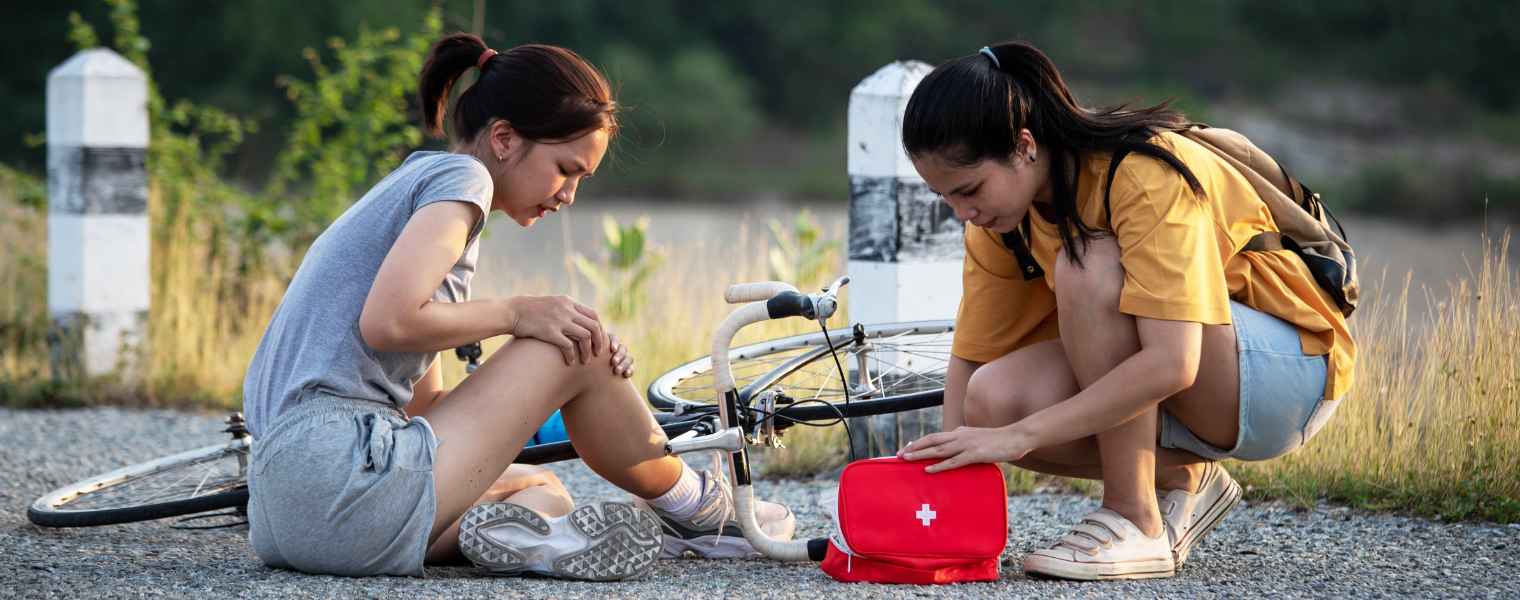
When you know what to do, you can stay calm, act quickly, and potentially save your child’s life. Pediatric First Aid courses teach parents how to recognize and respond to common emergencies affecting infants and children, including breathing difficulties, allergic reactions, burns, and bleeding.

Common Pediatric Emergencies Every California Parent Should Prepare For
Children are naturally curious, and their exploration of the world often leads to accidents. As a parent or caregiver in California, understanding the most common pediatric emergencies helps you stay calm and respond effectively. From playground falls to swimming pool incidents, being prepared with proper first aid training gives you the confidence to handle any situation.
Choking Emergencies in Infants and Toddlers
Choking remains one of the most terrifying experiences for any parent. Small objects, food items like grapes and hot dogs, and even household items pose serious choking hazards for young children. Pediatric first aid training teaches you the difference between infant back blows and abdominal thrusts for older children. Knowing when to call 911 versus when you can safely dislodge an object yourself is critical knowledge that every caregiver should possess.
Drowning Prevention and Water Safety
California’s warm climate means swimming pools, beaches, and water activities are part of daily life for many families. Drowning is the leading cause of accidental death for children ages one through four in the state. Learning CPR and rescue breathing techniques specific to infants and children can save precious minutes before paramedics arrive. Parents should also learn to recognize the signs of secondary drowning, which can occur hours after a water incident.
Burns, Scalds, and Thermal Injuries
Children have thinner skin than adults, making them more vulnerable to serious burns. Kitchen accidents, hot water scalds, and contact with heated surfaces are common causes of pediatric burns. First aid trained parents know to immediately cool the burn with running water for at least 20 minutes, avoid applying ice or butter, and recognize when a burn requires emergency medical attention versus home treatment.
Allergic Reactions and Anaphylaxis
Food allergies affect approximately 8% of children in the United States, and severe allergic reactions can escalate rapidly. Parents trained in pediatric first aid learn to identify the early signs of anaphylaxis including hives, swelling, difficulty breathing, and changes in skin color. Understanding how to administer an epinephrine auto-injector and when to call emergency services can be the difference between a manageable reaction and a life-threatening emergency.
Building a Safer Home Environment
⚠️ Compliance Alert for Employers
To remain fully compliant with the CSA Z1210:24 standard, ensure you register for the correct level: Basic (formerly Emergency) for low-risk environments, or Intermediate (formerly Standard) for high-risk or larger workplaces.
Prevention is always the best medicine when it comes to child safety. Childproofing your California home includes securing furniture to walls, installing safety gates near stairs, keeping small objects out of reach, and maintaining pool barriers that meet state code requirements. However, even the most carefully childproofed home cannot prevent every accident, which is why babysitting and child care training is essential for anyone who cares for young children.
Consider enrolling in a Basic Life Support course that covers both adult and pediatric protocols. Many California schools and daycare centers now require staff to maintain current first aid and CPR certifications. Whether you are a parent, grandparent, teacher, or babysitter, investing in your emergency response skills protects the children who depend on you every day.
Fever Management and When to Seek Emergency Care
High fevers in infants and young children can be alarming for parents. While most fevers are the body’s natural response to infection, knowing the danger signs helps you decide when home care is sufficient and when emergency medical attention is needed. A fever above 100.4 degrees Fahrenheit in an infant under three months old always warrants immediate medical evaluation. For older children, watch for signs of lethargy, difficulty breathing, persistent vomiting, or a rash that does not fade when pressed.
Head Injuries and Concussion Awareness
Children are prone to head injuries from falls, sports activities, and playground accidents. Recognizing the signs of a concussion in children can be challenging because younger children may not be able to articulate their symptoms. Parents trained in first aid learn to monitor for vomiting, unusual drowsiness, unequal pupils, balance problems, and behavioral changes following a head impact. Knowing when to seek immediate emergency care versus monitoring at home is a skill that every parent should develop through proper training.
Watch: Essential First Aid Skills for Parents
Do not wait for an emergency to realize you are unprepared. Enroll in a pediatric first aid course at a training location near you and join thousands of California parents who have already taken the step to protect their families. Contact Coast2Coast First Aid & Aquatics to find classes in Los Angeles, Irvine, San Francisco, and more.
Infant CPR and First Aid: What Parents Will Learn
An infant CPR and first aid course focuses on life-saving techniques specifically designed for babies under one year old. The anatomy and physiology of infants differ significantly from those of adults, which means the methods used may also be different.
In these classes, parents learn how to handle:
- Asthma emergencies
- Anaphylaxis
- Burns
- Choking
- Diabetic emergencies
- External bleeding and severe trauma
- Environmental emergencies
- Heart attacks
- Poisoning
- Head, neck, and spinal injuries
- Strokes
- Seizures
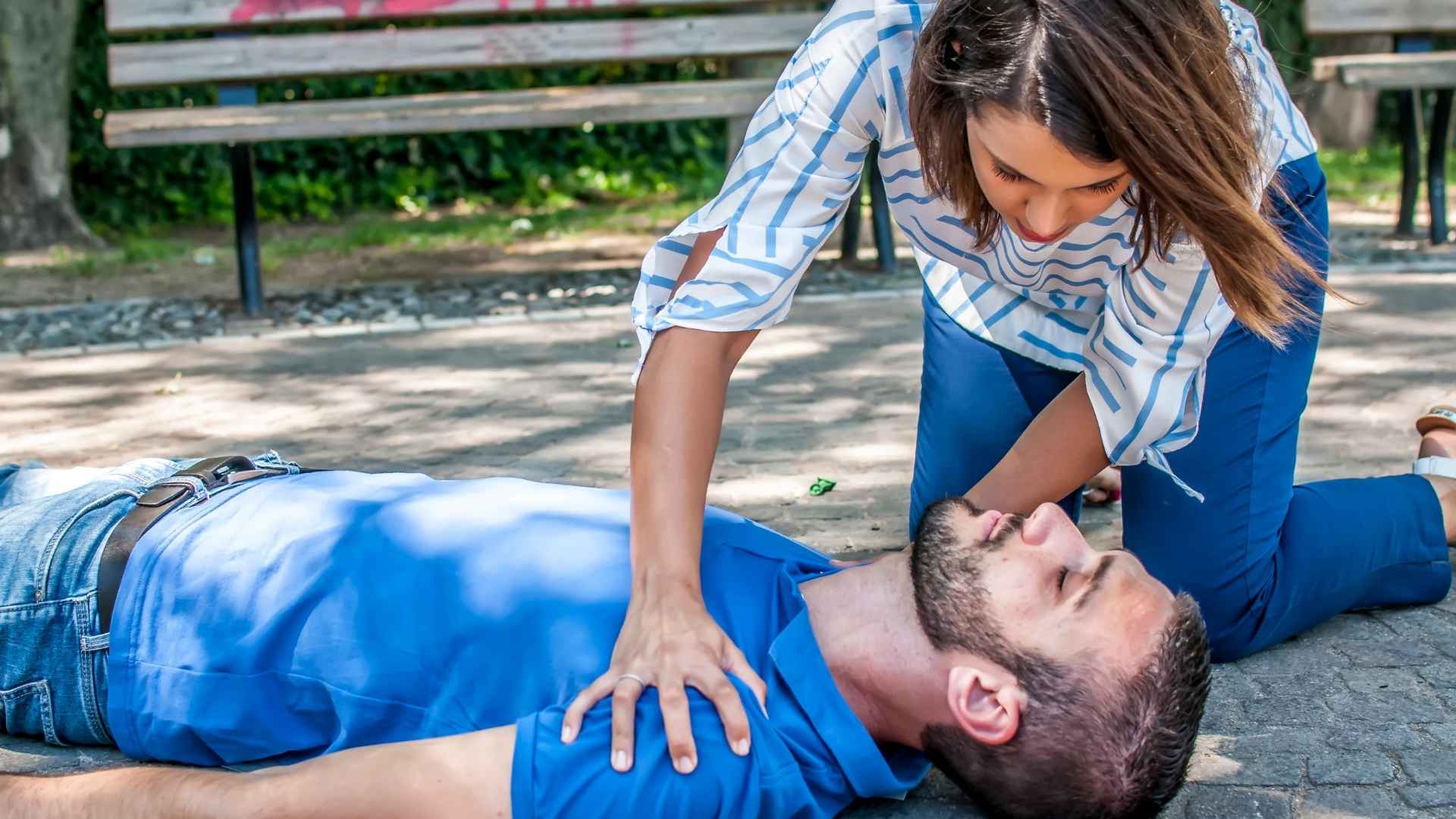
- CPR and AED use for adults, children and infants
Taking infant CPR classes for parents provides both confidence and peace of mind. Knowing what to do during an emergency helps reduce panic and ensures you can act immediately while waiting for emergency responders.

Register for CPR or First Aid Training
Register today for a CPR or First Aid training course at one of our 30+ locations across Canada and the U.S. Check out our facilities and book your spot now.
First Aid for Choking Infants: A Critical Skill Every Parent Should Know
Choking is one of the most common emergencies among infants and toddlers. Small objects, food, or even toys can easily become lodged in their airways. Learning first aid for choking infants teaches you how to identify choking quickly and use the correct technique, such as back blows and abdominal thrusts, to clear the airway safely.
These simple actions can be the difference between a frightening moment and a tragic outcome. Many parents find that practicing these skills in a hands-on course helps them feel more prepared and confident.
Why Pediatric First Aid Training Matters
Pediatric emergencies can be unpredictable, but preparation makes all the difference. Learning pediatric first aid for parents goes beyond CPR. It’s about understanding how to create a safer home environment, respond to minor injuries, and prevent accidents before they happen.

Parents who complete pediatric first aid training often feel more secure in daily routines, such as feeding, bathing, or playtime, knowing they have the tools to handle unexpected situations calmly and effectively.
Take the First Step Toward Protecting Your Child
As a parent, you can’t always prevent accidents, but you can be prepared to respond to them. Enrolling in a pediatric first aid and CPR course gives you the skills and confidence to protect your child when it matters most.
At Coast2Coast First Aid & Safety, we offer infant CPR classes for parents designed to make learning easy, engaging, and practical. Our certified instructors will guide you through real-life scenarios, ensuring you feel prepared to take action in an emergency. Join us for a course in Los Angeles or Long Beach and gain the skills needed to keep your loved ones safe.
Register for CPR or First Aid Training
Register today for a CPR or First Aid training course at one of our 30+ locations across Canada and the U.S. Check out our facilities and book your spot now.
| Course Level (2026 Standards) | Target Audience | Duration | Validity |
|---|---|---|---|
| Basic (Emergency) First Aid & CPR | Parents, grandparents, occasional babysitters | 1 Day | 2 Years |
| Intermediate (Standard) First Aid & CPR | Daycare workers, teachers, professional nannies | 2 Days | 2 Years |
| Basic Life Support (BLS) | Pediatric nurses, EMS, healthcare providers | 4-5 Hours | 1 Year |
Recommended Courses
First Aid & CPR Courses

Coast2Coast CPR/AED Courses Information

Private First Aid & CPR/AED Programs
Frequently Asked Questions
Question 1: Why is pediatric first aid training important for parents?
Answer: Pediatric first aid equips parents to respond rapidly to emergencies like choking, allergic reactions, and falls, ensuring life-saving care is provided during the critical minutes before EMS arrives.
Question 2: How does infant CPR differ from adult CPR?
Answer: Infant CPR utilizes only two fingers for chest compressions instead of two hands, and the compression depth is shallower (about 1.5 inches). Rescue breaths are also gentler to accommodate their smaller lung capacity.
Question 3: What is the 120-second response rule?
Answer: The 120-second response rule underscores the absolute necessity of recognizing an emergency and initiating active resuscitation or intervention within two minutes to prevent irreversible brain damage or death in children.
Question 4: Are your pediatric first aid courses American Red Cross approved?
Answer: Yes, Coast2Coast First Aid & Safety courses are fully aligned with and approved by the American Red Cross and the American Heart Association (AHA).
Question 5: How long is an infant CPR certification valid?
Answer: Under current American Red Cross and AHA guidelines, Basic and Intermediate pediatric First Aid and CPR certifications are valid for two years from the issue date.
Question 6: Does the CSA Z1210:24 standard apply to pediatric training?
Answer: Yes, the CSA Z1210:24 standard represents the most modern and rigorous guidelines for workplace and caregiving first aid. Coast2Coast’s approved courses ensure you meet these high compliance benchmarks.
Question 7: What should a parent do if an infant is choking?
Answer: If an infant (under 1 year) is choking and cannot cry or breathe, parents are taught to deliver five firm back blows followed by five chest thrusts to safely dislodge the object.
Question 8: What are the signs of secondary drowning?
Answer: Secondary drowning symptoms can appear hours after a water incident. Signs include persistent coughing, lethargy, difficulty breathing, vomiting, and changes in skin color, requiring immediate emergency medical care.
Question 9: How do you treat a minor burn or scald on a toddler?
Answer: Immediately cool the burn under gently running cool water for at least 20 minutes. Do not apply ice, butter, or ointments initially, as these can trap heat and worsen the damage.
Question 10: Can parents use an AED on an infant?
Answer: Yes. AEDs can be used on infants. Parents learn to use pediatric pads if available, or how to properly position adult pads (one on the front of the chest, one on the back) if pediatric pads are absent.
Question 11: When should a parent call 911 for a child’s fever?
Answer: A fever over 100.4°F in an infant under 3 months requires immediate emergency evaluation. In older children, seek emergency care if the fever is accompanied by lethargy, difficulty breathing, or a non-fading rash.
Question 12: What are the early signs of anaphylaxis in a child?
Answer: Early signs of severe allergic reactions include hives, swelling of the lips or face, wheezing, difficulty breathing, and sudden paleness. Parents should immediately administer an epinephrine auto-injector and call 911.
Question 13: Do babysitters and nannies need Basic Life Support (BLS) training?
Answer: While BLS is designed for healthcare professionals, babysitters and nannies should hold at least a Basic or Intermediate First Aid and CPR certification to ensure they are fully prepared for childcare emergencies.
Question 14: How can parents manage a suspected concussion in a child?
Answer: After a head impact, parents should monitor for vomiting, unequal pupil size, excessive drowsiness, and behavioral changes. If any of these symptoms appear, seek emergency medical care immediately.
Question 15: What emergency items should be in a home pediatric first aid kit?
Answer: A home kit should include sterile gauze, assorted adhesive bandages, an instant cold pack, a digital thermometer, infant/child pain relievers, antiseptic wipes, a CPR pocket mask, and emergency contact numbers.
About the Author
Ashkon Pourheidary, B.Sc. (Hons) — Co-Founder, Coast2Coast First Aid & Aquatics
Ashkon has been a certified First Aid and CPR instructor since 2011 and an Instructor Trainer since 2013… Connect on LinkedIn