
A severe allergic reaction (anaphylaxis) is a life-threatening emergency that can develop within seconds of allergen exposure. If someone shows signs of anaphylaxis, including throat swelling, difficulty breathing, or a sudden drop in blood pressure, call 911 immediately, use an epinephrine auto-injector if one is available, and begin CPR if the person becomes unresponsive and stops breathing normally. Do not wait for symptoms to worsen before acting.
What Is an Allergic Reaction and Why Does It Happen?
An allergic reaction happens when the immune system treats a normally harmless substance as a threat. Instead of ignoring proteins found in peanuts, bee venom, or penicillin, the body launches a defensive response against them. This happens because the immune system misidentifies those proteins as dangerous invaders, triggering a cascade of chemical responses that produce the familiar symptoms most people associate with allergies.
During the first exposure to an allergen, the immune system creates specialized antibodies called Immunoglobulin E (IgE). These antibodies attach to mast cells throughout the body. On re-exposure to the same allergen, those IgE antibodies trigger the release of histamine and other chemicals into the bloodstream. The result is the swelling, itching, nasal congestion, and breathing difficulties that characterize an allergic response.
Reactions vary enormously in severity. The same person can experience a mild rash after one exposure and a life-threatening anaphylactic reaction at another, depending on the dose of allergen, their current health, and other cofactors like exercise or illness. In Canada, approximately 6.1% of the population has a confirmed food allergy, and many more have sensitivities to environmental allergens such as pollen, pet dander, and dust mites.
What Are the 7 Symptoms of an Allergic Reaction?
Recognizing an allergic reaction early gives you the best chance of preventing it from escalating. Symptoms can affect the skin, airways, digestive system, and circulation simultaneously, so knowing the full picture matters.
The seven hallmark symptoms to watch for are:
1. Hives or an itchy rash. Raised, red welts on the skin that appear quickly and may spread across large areas of the body.
2. Swelling of the face, lips, tongue, or throat. Even minor swelling around the airway is a warning sign that demands immediate attention.
3. Nasal congestion or a runny nose. Common in milder reactions, especially to environmental allergens like pollen and animal dander.
4. Difficulty breathing or wheezing. The airways narrow as the body reacts, producing audible wheezing, stridor, or a sensation of chest tightness.
5. Nausea or vomiting. The digestive system is frequently involved, particularly in food allergy reactions. Vomiting with breathing difficulty is a serious sign.
6. Dizziness or lightheadedness. A sign that blood pressure is dropping as the cardiovascular system becomes involved.
7. Weak or rapid pulse and fainting. The most dangerous stage, indicating circulatory collapse and the onset of anaphylactic shock.
Mild reactions tend to stay localized: a few hives, some redness, sneezing, and watery eyes. These can often be managed with over-the-counter antihistamines, which treat symptoms like sneezing and itching. Moderate reactions escalate: spreading hives, facial or lip swelling, persistent vomiting, or wheezing require immediate medical evaluation. Any severe symptom, especially throat swelling, difficulty breathing, or loss of consciousness, is anaphylaxis until proven otherwise.
Mild vs. Moderate vs. Severe: How to Tell Which One You Are Dealing With
Not every allergic reaction is a medical emergency, but it is essential to know when one is becoming dangerous. The line between moderate and severe can move faster than most people expect.
Mild reactions are localized. The person has a few hives, some redness around the point of contact, a runny nose, or mild stomach discomfort without any breathing problems. They are fully alert and their breathing is normal. Antihistamines can treat these symptoms, but the person should still be monitored closely in case the reaction escalates.
Moderate reactions suggest the immune system response is spreading beyond its initial site. Watch for hives spreading across the body, swelling of the lips or face, a feeling of throat tightness, persistent vomiting, or coughing and wheezing. At this stage the person needs medical evaluation as soon as possible because things can get worse rapidly without warning.
Severe reactions (anaphylaxis) involve multiple organ systems at once. Throat or tongue swelling making it hard to breathe, a sudden drop in blood pressure causing dizziness or fainting, a weak or racing pulse, confusion, or loss of consciousness all indicate anaphylaxis. This is a life-threatening emergency requiring epinephrine and an immediate call to 911. Anaphylaxis typically involves symptoms affecting multiple organ systems simultaneously, which is what distinguishes it from a moderate allergic reaction.
What Are the Common Triggers of a Severe Allergic Reaction?
Certain triggers are responsible for the vast majority of serious allergic reactions in Canada. Knowing them helps you anticipate risk situations and prepare accordingly.
Food allergies are the most common cause of anaphylaxis. Health Canada identifies 10 priority allergens responsible for roughly 90% of severe adverse food reactions in the country: peanuts, tree nuts (almonds, cashews, walnuts), shellfish, fish, milk, eggs, wheat, soy, sesame, and sulphites at certain concentrations. Peanut and tree nut allergies are among the most common causes of fatal anaphylaxis. These allergens must be clearly declared on Canadian food labels, but trace amounts can appear in sauces, marinades, and processed foods that are not obviously allergen-containing. Always reading food labels carefully and looking for allergen-free foods when shopping are essential habits for anyone managing a food allergy.
Insect stings from bees, wasps, and hornets are a leading trigger for anaphylaxis in adults. Unlike food reactions, sting-induced anaphylaxis can develop within seconds of exposure, leaving almost no time to react. People with known insect sting allergies should carry an epinephrine auto-injector at all times during outdoor activities.
Medications including penicillin, sulfa drugs, and non-steroidal anti-inflammatory drugs (NSAIDs) are common pharmaceutical triggers. Always inform healthcare providers of any known drug allergies before receiving treatment.
Environmental allergens such as pollen, pet dander, animal dander, dust mites, and mold generally cause hay fever and common allergies rather than anaphylaxis, but they can worsen asthma and lower the threshold for a severe reaction in sensitized individuals. People with atopic dermatitis (eczema) are at higher risk of developing additional allergies over time.
One less commonly known trigger is exercise-induced food allergy, where eating certain foods within a few hours of physical activity causes a reaction that neither the food nor the exercise would trigger alone. Separating trigger foods and intense exercise by at least four hours can help avoid these reactions.
How Long Does an Allergic Reaction Take to Develop?
The timing of an allergic reaction depends on the type of allergen, the route of exposure, and the individual’s immune sensitivity. Understanding this timeline matters because it affects how quickly you need to act.
Reactions triggered by insect stings or injected medications can develop within seconds, with anaphylaxis beginning before the person has even processed what happened. Food-induced reactions are usually faster when food is eaten on an empty stomach, but can take anywhere from a few minutes to one to two hours to become apparent depending on how quickly the allergen is absorbed through digestion.
One important phenomenon to understand is the biphasic reaction. Symptoms may appear to improve after initial treatment, only to return several hours later without any new allergen exposure. Studies show this second wave occurs in roughly 4.6% of anaphylaxis patients, with a median recurrence around 11 hours after the initial episode. The second phase can be as severe as the first. This is why hospital observation after any treated anaphylactic reaction is strongly recommended, even when the person appears to have fully recovered.
What To Do Before the EpiPen Arrives: Step-by-Step First Aid for Anaphylaxis
The minutes before emergency medical services arrive are critical. Knowing exactly what to do, and what not to do, can be the difference between a full recovery and a tragedy. Canadian Red Cross Standard First Aid training covers anaphylaxis recognition and response in detail, but here is the essential sequence every Canadian should know.
Step 1: Call 911 immediately. Do not wait to see if symptoms improve on their own. Seek emergency help for severe allergic reactions without hesitation. Even if an epinephrine auto-injector is available, EMS must be called because symptoms can return after the epinephrine wears off.
Step 2: Use the epinephrine auto-injector right away. Inject it into the mid-outer thigh (through clothing if necessary). Epinephrine is the only effective rescue drug for anaphylaxis. It opens airways, reverses throat swelling, and supports blood pressure by countering the allergic cascade. Do not delay to try antihistamines first: they act too slowly.
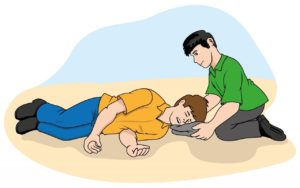
Step 3: Position the person safely. Lay them flat on their back with legs elevated to help maintain blood pressure. If the person is vomiting, turn them onto their side. If breathing is very difficult, allow them to sit slightly upright in whatever position helps most. Do not let them stand up suddenly if they feel faint.
Step 4: Give a second dose if needed. If symptoms persist after five to ten minutes and EMS has not yet arrived, a second injection is recommended. This is why carrying two auto-injectors is standard guidance for anyone with a known severe allergy.
Step 5: Begin CPR if the person becomes unresponsive. If the person stops breathing normally, CPR must begin immediately. Use an AED if one is accessible. Continue until paramedics arrive and take over.
How to Use an Epinephrine Auto-Injector
Remove the auto-injector from its case and pull off the blue safety cap. Press the orange tip firmly against the mid-outer thigh (the outside of the upper leg) and hold it in place for ten seconds. You will hear a click when the needle deploys. Remove the device and massage the injection site for ten seconds to help the medication absorb. Note the time of injection and tell paramedics when they arrive.
The epinephrine auto-injector can be used through clothing. Never inject into a vein, a buttock, or a hand or foot. The thigh delivers the fastest absorption. Each auto-injector delivers a single dose, which is why two devices should always be carried.
What If There Is No EpiPen Available?
If no epinephrine auto-injector is available when someone goes into anaphylaxis, call 911 immediately and describe the symptoms clearly. Paramedics carry injectable epinephrine and can administer it on arrival. While waiting, keep the person calm, help them lie flat with legs elevated, loosen any tight clothing around the neck and chest, and monitor their breathing closely. Do not give antihistamines as a substitute since they will not stop anaphylaxis. Be ready to begin CPR if the person loses consciousness and stops breathing normally. Every second counts, so stay on the line with the 911 dispatcher and follow their instructions.
Can You Use an Expired EpiPen in an Emergency?
Yes. If an expired epinephrine auto-injector is the only option available, use it. Research indicates that expired epinephrine retains a meaningful percentage of its active ingredient for months and in some cases years beyond the printed expiry date. A partially potent dose is far better than no treatment at all while anaphylaxis progresses. After using an expired device, call 911 immediately, report that an expired injector was used, and monitor closely for any signs that the reaction is not being controlled. Request additional epinephrine from paramedics on arrival. In rare cases the reduced potency may mean a faster return of symptoms, so vigilance is essential.
Learn Anaphylaxis Response in a Real Classroom
Standard First Aid training covers epinephrine auto-injector use, airway management, and CPR. Get certified and be ready to act when it matters most.
What Are the Risk Factors for a Severe Allergic Reaction?
Some people are at significantly higher risk of experiencing a life-threatening allergic reaction. Understanding these risk factors helps with planning and preparedness.
A family history of allergic conditions including asthma, eczema, or hay fever raises the likelihood of developing allergies. Existing asthma, particularly when poorly controlled, is one of the strongest risk factors for a fatal anaphylactic reaction because it compounds the breathing difficulties that anaphylaxis causes. Anyone with asthma and a known food allergy is at especially high risk and should always have an epinephrine auto-injector on hand.
A previous anaphylactic reaction to any allergen is the single most important predictor of future severe reactions. Having atopic dermatitis (eczema) or mast cell disorders also increases susceptibility. Age plays a role as well: infants and young children are more commonly affected by milk and egg allergies, while older children, teens, and adults are more commonly affected by peanut, tree nut, and shellfish allergies. Child care first aid training specifically addresses managing food allergy emergencies in children, an important consideration for anyone working in a childcare or school setting.
Cofactors that can increase the severity of a reaction include exercise, alcohol consumption, concurrent illness, and taking certain medications like NSAIDs or beta-blockers that can either mask or amplify reaction symptoms.
How to Reduce the Risk: Avoiding Triggers and Reading Food Labels
For people with confirmed severe allergies, strict avoidance of triggers is the most reliable strategy for staying safe. This requires consistent habits across several areas of daily life.
Reading food labels carefully every time is non-negotiable. Canadian food labeling regulations require that the 10 priority allergens be declared, but ingredients can change without notice and cross-contamination can occur at any point in manufacturing. Looking for allergen-free foods and products carrying “may contain” warnings is an important layer of protection. At restaurants, clearly communicating your allergy to staff and asking about preparation methods and cross-contamination practices is essential.
Preventing cross-contamination at home means using separate utensils, cutting boards, and cooking surfaces for allergen-free foods, and washing hands and surfaces thoroughly after handling known allergens. Even trace amounts found in shared cooking equipment can trigger anaphylaxis in highly sensitized individuals.
For environmental allergens, reducing exposure to pet dander, pollen, dust mites, and mold through regular cleaning, using air purifiers, and avoiding high-pollen outdoor periods helps manage common allergies and hay fever. People with atopic dermatitis should follow a skin care plan to reduce the overall allergic burden on the immune system.
Workplaces and schools can also take practical steps by maintaining clearly labeled allergen-free zones, following safe food-handling practices, and keeping up-to-date emergency contact and action plans for individuals with known allergies. Private group first aid training equips your entire team to recognize and respond to anaphylaxis confidently before paramedics arrive.
How Are Allergies Diagnosed in Canada?
Anyone who has experienced repeated allergic reactions or a single severe reaction should see a healthcare provider or allergist rather than attempt self-diagnosis. A confirmed diagnosis creates a proper emergency action plan and identifies all triggers so avoidance strategies can be put in place.
A detailed medical history is the foundation of any allergy diagnosis. Keeping a journal of symptoms for your doctor, noting what you ate, where you were, and what happened before and during the reaction, helps identify patterns that testing alone may miss. Diagnosis is guided by the Canadian Society of Allergy and Clinical Immunology (CSACI), which provides evidence-based recommendations for allergy assessment and management across the country.
Skin prick testing places small amounts of common allergens on the skin and observes for a raised, itchy wheal within 15 to 20 minutes. A patch test may be used for delayed reactions such as contact dermatitis. Blood tests measure specific IgE antibodies and are useful when skin testing is not possible, such as when the person is taking antihistamines or has extensive atopic dermatitis. Oral food challenges, conducted under medical supervision, remain the gold standard for confirming food allergy but carry a risk of severe reaction and must only be done in a specialized clinical setting.
See a doctor if allergic symptoms persist or worsen rather than trying to manage them independently with over-the-counter medications. Over-diagnosis can lead to unnecessary dietary restrictions, while under-diagnosis leaves a potentially life-threatening condition without an emergency plan.
Train Your Workplace to Respond to Allergic Emergencies
Private group training brings certified first aid instruction to your location. Equip your team to recognize anaphylaxis, use an epinephrine auto-injector, and act before paramedics arrive.
Key Takeaway
A severe allergic reaction (anaphylaxis) is a medical emergency that can become fatal within minutes. The correct response is: call 911, inject epinephrine into the outer thigh, lay the person flat with legs elevated, and begin CPR if they stop breathing. Do not rely on antihistamines to manage anaphylaxis. If no EpiPen is available, call 911 immediately and follow dispatcher instructions. Even after apparent recovery, always go to an emergency department because symptoms can return hours later in a biphasic reaction. Being trained in first aid and CPR means you can act with confidence in those critical minutes before paramedics arrive.
Join 150,000+ Canadians Who Are Certified
Get CPR and AED certified with Coast2Coast First Aid. Courses run weekly across Ontario and Canada, with certificates issued within 48 hours.
Frequently Asked Questions: Severe Allergic Reaction First Aid 2026
Q1: What are the first signs of a severe allergic reaction?
A: The first signs of a severe allergic reaction include sudden hives or widespread redness, swelling of the lips, tongue, or throat, difficulty breathing or noisy breathing, dizziness or lightheadedness, and a rapid or weak pulse. Nausea, vomiting, and a feeling of tightness in the chest can also appear early. These symptoms may develop within seconds to minutes after exposure to a trigger such as a food allergen, insect sting, or medication. Any combination of these signs warrants immediate emergency action, including calling 911.
Q2: What should I do if someone is having an allergic reaction and there is no EpiPen?
A: If no epinephrine auto-injector is available during a severe allergic reaction, call 911 immediately. Help the person lie flat on their back with legs elevated to support blood pressure. If they are vomiting or having trouble breathing, allow them to sit upright. Do not give antihistamines as a substitute for epinephrine because they act too slowly to reverse anaphylaxis. Stay with the person, keep them calm, loosen tight clothing around the neck and chest, and be ready to begin CPR if they become unresponsive and stop breathing. EMS carries injectable epinephrine and can administer it on arrival.
Q3: How long does an allergic reaction take to develop?
A: Most allergic reactions begin within minutes of exposure to the allergen. Anaphylaxis triggered by insect stings or injected medications can develop within seconds. Food-induced reactions may take anywhere from a few minutes to one to two hours to appear, depending on how quickly the allergen is absorbed. A biphasic reaction is also possible, where symptoms improve and then return several hours later, with a median recurrence around 11 hours after the initial episode. This is why hospital observation is recommended after any severe allergic reaction, even when the person appears to recover fully.
Q4: Can I use an expired EpiPen in an emergency?
A: Yes, if it is the only option available during anaphylaxis, use an expired epinephrine auto-injector. The medication may have lost some potency over time, but it is still far better than no treatment at all while waiting for EMS to arrive. Research suggests expired epinephrine retains a meaningful percentage of its active ingredient for months or years past the printed date. After using an expired device, call 911 immediately, monitor closely for worsening symptoms, and request a second dose from paramedics as soon as they arrive.
Q5: What are the 4 types of allergic reactions?
A: Allergic reactions are classified into four types based on the immune mechanism involved. Type I involves IgE antibodies and histamine release, producing immediate reactions like hives, hay fever, and anaphylaxis. Type II involves antibodies attaching directly to cell surfaces, which can affect red blood cells and organ tissue. Type III involves immune complexes depositing in tissues, which can cause conditions like serum sickness. Type IV is T-cell mediated and delayed, responsible for contact dermatitis and some drug reactions. For first aid purposes, Type I anaphylaxis is the most urgent category requiring immediate emergency response.
Q6: What are the 7 symptoms of an allergic reaction?
A: The seven hallmark symptoms of an allergic reaction are: hives or an itchy rash across the skin, swelling of the face, lips, tongue, or throat, nasal congestion or a runny nose, difficulty breathing or wheezing, nausea or vomiting, dizziness or lightheadedness, and a drop in blood pressure leading to a weak pulse or fainting. Mild reactions may involve only one or two of these symptoms, while anaphylaxis typically involves multiple organ systems at once. Recognizing even a small cluster of these symptoms after allergen exposure should prompt immediate action.
Q7: What foods most commonly cause severe allergic reactions in Canada?
A: Health Canada identifies 10 priority allergens responsible for roughly 90% of severe adverse food reactions in the country. These include peanuts, tree nuts (such as almonds, cashews, and walnuts), shellfish, fish, milk, eggs, wheat, soy, sesame, and sulphites at certain concentrations. Peanut and tree nut allergies are among the most common causes of fatal anaphylaxis. These allergens are required to be clearly declared on Canadian food labels. People with known food allergies should read every label carefully, including sauces, marinades, and processed foods where trace allergens may appear.
More FAQs: Anaphylaxis Treatment and Prevention
Q8: Is it safe to give antihistamines during anaphylaxis?
A: No. Antihistamines are not a safe substitute for epinephrine during anaphylaxis. They act too slowly, taking 30 to 60 minutes to reach peak effect, which is far too long when airways are swelling and blood pressure is dropping. Antihistamines can help manage mild symptoms like hives, nasal congestion, and sneezing, but they cannot reverse the life-threatening cardiovascular and respiratory effects of anaphylaxis. Epinephrine is the only first-line treatment for anaphylaxis. Giving an antihistamine alone while delaying epinephrine can cost a life. Always use the epinephrine auto-injector first, then call 911.
Q9: How do I tell if someone is going into anaphylactic shock?
A: Signs that someone is going into anaphylactic shock include a sudden drop in blood pressure causing pallor, weakness, or fainting, a very rapid or faint pulse, extreme difficulty breathing with audible wheezing or stridor, severe throat or tongue swelling, confusion or loss of consciousness, and cold or clammy skin. These symptoms usually appear within minutes of exposure to the trigger. If you observe any combination of breathing difficulty, circulatory collapse, and known allergen exposure, treat it as anaphylaxis immediately: use an epinephrine auto-injector, call 911, and position the person flat unless breathing is laboured.
Q10: Should I call 911 even if the person uses an EpiPen and feels better?
A: Yes, always call 911 after using an epinephrine auto-injector, even if the person appears to recover quickly. Epinephrine lasts only 15 to 20 minutes, and symptoms can return in what is called a biphasic reaction, sometimes several hours after the initial episode. Emergency medical responders carry additional epinephrine, oxygen, and other medications needed to manage any recurrence. Hospital observation allows healthcare professionals to monitor blood pressure, breathing, and heart function over time. A full recovery immediately after epinephrine does not mean the emergency is over.
Q11: What position should someone be in during an anaphylactic reaction?
A: For most people experiencing anaphylaxis, the recommended position is lying flat on their back with legs elevated. This helps maintain blood pressure and prevent circulatory collapse. If the person is vomiting, place them on their side in the recovery position to keep the airway clear. If they are having significant difficulty breathing, allow them to sit upright or in whatever position makes breathing easier. Do not let someone who feels faint stand up suddenly, as this can trigger a sudden drop in blood pressure. Once epinephrine has been given, reassess position based on current breathing and circulation.
Q12: Can a mild allergic reaction become severe without warning?
A: Yes. A person who has only experienced mild hives or sneezing in the past can still develop a life-threatening reaction at a future exposure. The severity of an allergic reaction depends on many factors including the dose of allergen, whether the person has asthma, exercise before eating, alcohol consumption, or current illness. Past mild reactions do not guarantee future mild reactions. Anyone with a known food allergy or previous allergic reaction should carry an epinephrine auto-injector and have a written emergency action plan, regardless of how minor their previous episodes appeared.
Q13: What is a biphasic allergic reaction?
A: A biphasic allergic reaction is a second wave of anaphylaxis symptoms that occurs after the initial episode appears to resolve, without any additional allergen exposure. This second phase typically develops within one to 12 hours of the first reaction, with a median recurrence around 11 hours. Approximately 4.6% of anaphylaxis patients experience this pattern. Symptoms during the second phase can be as severe as or more severe than the first episode. This is the primary reason Canadian emergency guidelines recommend hospital observation for at least four to six hours after any treated anaphylactic reaction, even when the person feels fine.
Q14: How can workplaces prepare for a severe allergic reaction?
A: Workplaces should take several steps to prepare for allergic emergencies. Know which employees have severe allergies and ensure their emergency action plans are on file. Keep epinephrine auto-injectors accessible and stored according to temperature requirements. Train staff to recognize the signs of anaphylaxis and know the correct steps: call 911, use epinephrine, position the person safely, and begin CPR if needed. Post clear instructions near first aid kits. Organizations can book private group first aid training through Coast2Coast First Aid to ensure their team is confident and ready to respond before paramedics arrive.
Q15: How is a food allergy different from a food intolerance?
A: A food allergy involves the immune system producing IgE antibodies against a food protein, triggering reactions that can range from hives and swelling to life-threatening anaphylaxis, even with tiny amounts of the allergen. A food intolerance does not involve the immune system. Instead, it typically results from difficulty digesting a substance, as with lactose intolerance, causing bloating, gas, or diarrhea. Intolerances are dose-dependent and uncomfortable but never life-threatening in the way a true allergic reaction can be. Distinguishing between the two is important because the management strategies and urgency of response are completely different.
Sources and Editorial Standards
This article was written by Godwin Orilua, content and research writer at Coast2Coast First Aid and Aquatics, and reviewed by Ashkon Pourheidary, B.Sc. Honours Neuroscience (University of Toronto), Canadian Red Cross Certified First Aid and CPR Instructor since 2011, and Co-Founder of Coast2Coast First Aid and Aquatics.
Content is reviewed against current Canadian Red Cross first aid and CPR guidelines and applicable Canadian regulatory standards. All medical and procedural claims are verified by a certified instructor before publication.
Primary regulatory sources: Health Canada Priority Food Allergens (canada.ca); Canadian Society of Allergy and Clinical Immunology (CSACI) guidelines; Ontario Sabrina’s Law (S.O. 2005, c. 7); Ontario Occupational Health and Safety Act (R.S.O. 1990, c. O.1); Middleton’s Allergy: Principles and Practice (academic reference, EEAT footer only).
Coast2Coast First Aid and Aquatics is a Top 3 Canadian Red Cross Training Partner operating 30+ locations across Canada. Find a first aid course near you or contact us at contact us.