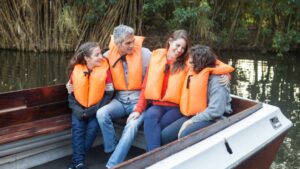

Drowning is the leading cause of unintentional injury-related death for children aged 1 to 4 in Canada, and most incidents occur silently during brief lapses in supervision. Effective child water safety requires a multi-layered defense: constant active supervision by a dedicated Water Watcher, CSA-compliant four-sided pool fencing with self-latching gates, formal swimming lessons beginning as early as six months, and Child Care First Aid with CPR Level C certification so caregivers can perform rescue breaths and High-Performance CPR during the critical minutes before paramedics arrive.
Find a Child First Aid Course Near You
Canadian Red Cross Child Care First Aid and CPR Level C courses at 30+ locations across Canada.
88%
reduction in drowning risk for children who complete formal swimming lessons
4 min
before irreversible brain damage begins during submersion without oxygen
50%+
of residential pool drownings preventable with proper four-sided fencing
Why Is Water Safety Around Children a Critical Priority for Canadian Families?
Water is a source of endless joy and physical development for children, from the simple pleasure of splashing in backyard wading pools to the excitement of swimming at Great Lakes beaches or playing in community splash pads. However, water also presents one of the most severe and silent safety risks for young children. Drowning continues to be a leading cause of accidental death for children under the age of five in Canada. According to Lifesaving Society Canada, water-related fatalities are a significant public health concern, with most drownings occurring during brief lapses in supervision. Children can drown in various bodies of water including pools, bathtubs, ponds, natural waterways, and even small amounts of standing water. Drowning prevention requires close and constant supervision at all times whenever children are in or near water.
At Coast2Coast First Aid & Aquatics, water safety is not just a curriculum; it is our primary mission. We combine Canadian Red Cross first aid and CPR training with elite aquatics education to empower families and caregivers with the clinical confidence to protect their loved ones. This 2026 guide outlines the critical actions you must take to maintain a “Safety First” environment around water, whether at home, at the local pool, or across Canada’s vast natural waterways.
What Is Silent Drowning and Why Is Constant Supervision Non-Negotiable?
The most dangerous myth about drowning is that it is a loud, splashing event. In reality, pediatric drowning is almost always silent. When a child’s airway is compromised by water, they cannot cry out for help. They slip beneath the surface quietly, and irreversible brain damage can begin in as little as four minutes due to hypoxia. Children can drown in pools, bathtubs, ponds, natural waterways, and even standing water just a few centimetres deep. Drownings are a leading cause of injury-related death among children, which is precisely why Active Supervision is the non-negotiable foundation of child water safety.
When children are in or near water, you must designate a dedicated “Water Watcher.” That role should be filled by one responsible adult whose only job is watching the water. This person should be within arm’s reach of toddlers and maintain 100 percent visual contact with older children. For older children, reinforce the buddy system as an additional layer of safety alongside close adult oversight. In 2026, the biggest threat to this rule is digital distraction. A Water Watcher should never scroll on a phone, read, socialize, or drink alcohol while on duty. If you must leave the area even for a few seconds, children must exit the water or another certified adult must explicitly take over the responsibility.
How Do You Perform High-Performance CPR During a Drowning Emergency?
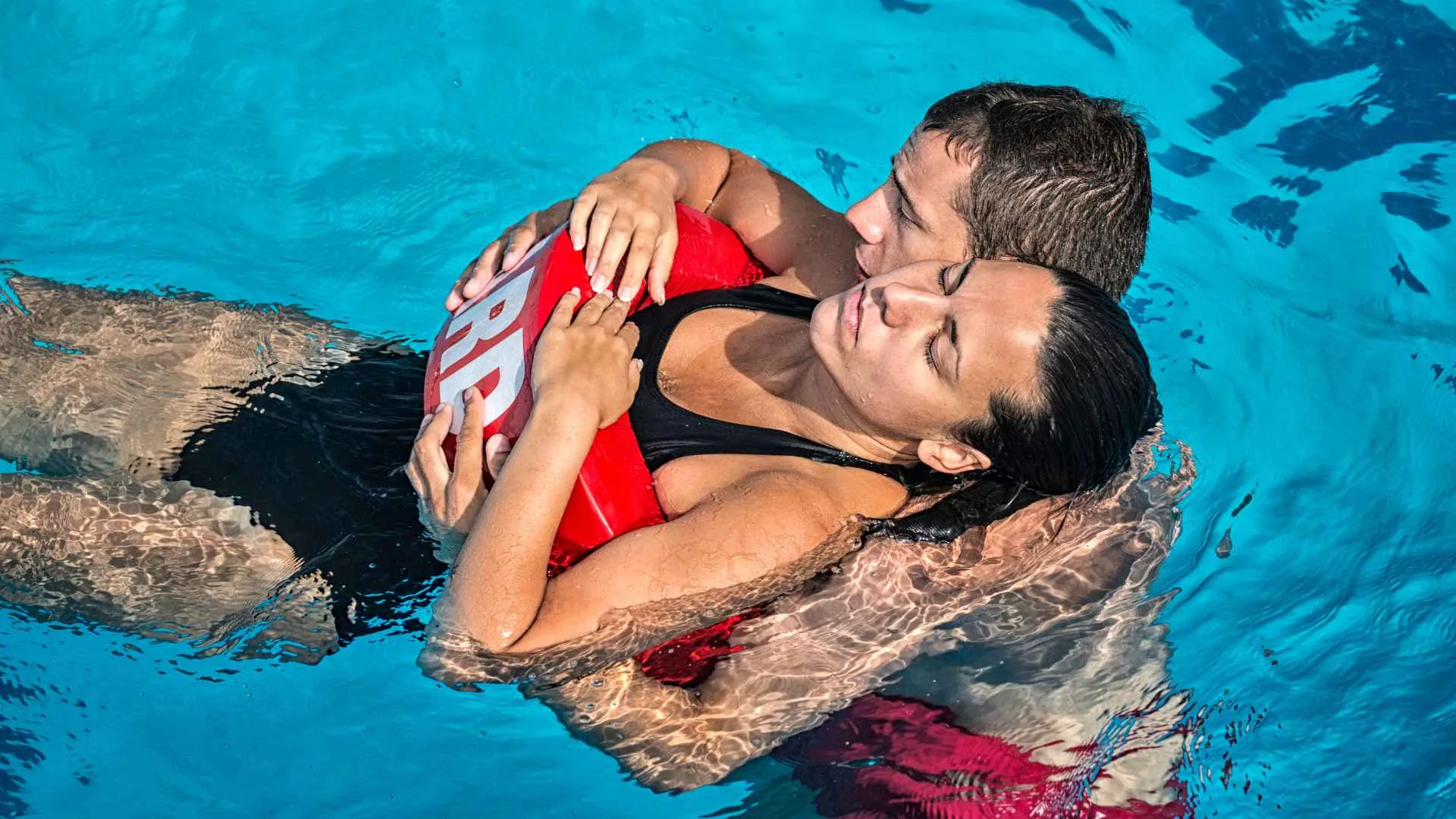
Drowning emergencies differ clinically from sudden cardiac arrests seen in adults. While cardiac arrest is often an electrical problem, drowning is a respiratory event caused by a lack of oxygen reaching the brain. Therefore, 2026 Canadian Red Cross protocols emphasize the immediate delivery of rescue breaths. If you pull an unconscious child from the water, you must be prepared to provide oxygen through rescue breaths immediately rather than starting with compressions. In a drowning incident, cardiopulmonary resuscitation (CPR) is critical as it maintains blood flow and oxygen to vital organs until professional help arrives.
Mastering High-Performance CPR is essential. This includes maintaining a high Chest Compression Fraction (CCF), minimizing the time the chest is not being compressed. During a pediatric rescue, the use of barrier devices such as one-way pocket masks is critical to protect the rescuer while ensuring the child receives life-sustaining air. CPR training is strongly recommended for all parents, caregivers, and anyone who spends time supervising children near water. Without these skills, a bystander may hesitate, wasting the “Platinum Minutes” that determine a child’s survival and neurological outcome.
What Are the National Safety Standards for Pool Fencing and Physical Barriers in Canada?
If you own a residential pool, backyard swimming pool, or hot tub, you are legally and ethically obligated to follow the 2026 CSA standards for physical barriers. Backyard swimming pools and hot tubs are among the most common sources of drowning risk for young children. A multi-layered defense is the only way to prevent unsupervised access:
- Four-Sided Fencing: A fence must be at least 1.2 meters (4 feet) high, isolating the swimming pool and hot tub from both the street and the house. Research shows that proper four-sided fencing can prevent more than half of all residential pool drownings involving young children.
- Self-Closing, Self-Latching Gates: Gates must open outward, be equipped with self-latching mechanisms located out of a child’s reach, and must be kept locked at all times when the pool is not in supervised use.
- Alarms: Door and window alarms should be installed on all exits leading to the pool area, providing an audible alert the moment a child enters the “Red Zone.”
- Safety Covers: Use power-safety covers rated to support the weight of an adult to prevent accidental falls into the pool during the off-season. Hot tubs should be properly secured and covered when not in use.
Watch: How to Perform High-Quality Pediatric CPR
Which Professionals in Canada Are Required to Hold Water Safety and Pediatric First Aid Certification?
Water safety and pediatric first aid are mandatory certification prerequisites for many high-stakes professions across Canada. To comply with WSIB Regulation 1101 and provincial licensing requirements, these individuals must maintain unexpired credentials:
- Daycare Staff and Early Childhood Educators: Must hold Intermediate / Standard First Aid with CPR Level C to manage pediatric choking, drowning trauma, and anaphylaxis.
- Camp Counselors: Required to manage open-water safety, recognize signs of distress in swimmers, and respond to waterfront emergencies.
- Teachers and School Support Staff: Essential for supervising student field trips to conservation areas, public pools, and waterfront activities.
- Security Guards and Property Managers: Often the first responders at condominium pool decks, corporate splash pads, and residential water features.
- Hospitality Workers: Hotel and resort staff must be prepared for cardiac events and pediatric water emergencies in guest pool areas where dense crowds and delayed EMS access create elevated risk.
When Should Children Start Swimming Lessons and What Is Water Competency?
While no child is ever truly “drown-proof,” formal swimming lessons reduce the risk of drowning by up to 88 percent in young children and are strongly recommended by Lifesaving Society Canada as a critical layer of water safety. Training teaches children Water Competency, which includes the ability to roll onto their back, float, and find the edge of the pool. Swimming lessons help build water confidence and physical abilities, but alone are never sufficient to prevent drowning; close supervision, physical barriers, and adult CPR training must always accompany them. Children typically do not develop the skills to swim independently until around age 4, even if they begin lessons earlier.
In 2026, we recommend starting parent-and-tot programs as early as six months of age. This builds a foundational respect for water and prevents the “Panic Reflex” if a child accidentally slips in. For parents, swimming lessons are also an opportunity to learn about the “Physiology of the Save.” Knowing how to identify a child in distress, often characterized by vertical body positioning and an inability to move toward safety, is a skill that saves lives before a submersion even occurs.
Get Child Care First Aid and CPR Level C Certified
Canadian Red Cross certification covering infant and child CPR, choking response, and pediatric emergency management.
What Flexible Training Options Are Available for Busy Canadian Parents and Caregivers?
Modern Canadian families have demanding schedules. To make lifesaving education accessible, Coast2Coast offers a popular blended online learning format for all first aid courses. You can complete the theoretical medical modules at home at your own pace. Then you attend a condensed in-person session at one of our 30+ locations to complete your written examination and hands-on skills assessment. This ensures you receive full certification without having to take a full day away from your family or work.
If your certificate is approaching its three-year expiry, our recertification courses provide a rapid review of the latest 2026 protocols, ensuring your skills remain sharp and your workplace and licensing compliance is maintained without retaking the full program.
Build Your CPR and AED Skills for Any Emergency
Hands-on CPR and AED training that prepares you to respond to cardiac and respiratory emergencies in children and adults.
Key Takeaway
Child water safety is not a single precaution; it is a layered system. No fence replaces supervision. No swimming lesson replaces a fence. No supervision replaces the ability to perform rescue breaths and High-Performance CPR during the four-minute window before irreversible brain damage begins. Canadian Red Cross Child Care First Aid and CPR Level C certification gives parents, caregivers, and childcare professionals the clinical skills and psychological readiness to act when every second determines a child’s outcome. It is the most important investment any family around water can make.
Get Comprehensive First Aid Certified Today
Two-day Canadian Red Cross Intermediate / Standard First Aid satisfying CSA Z1210:24, WSIB, and provincial childcare licensing requirements.
Frequently Asked Questions: Child Water Safety and CPR in Canada 2026
More FAQs: Daycare Certification, Water Wings, Secondary Drowning, Pool Kits, and Swim Lessons
Sources and Further Reading
- Lifesaving Society Canada: Drowning Prevention Statistics and Water Safety Guidelines (2024)
- Canadian Red Cross: Child Care First Aid and CPR Course Guidelines, 2025 Curriculum Edition
- CSA Group: CAN/CSA-Z1210:24 First Aid in the Workplace (National Standard of Canada)
- WSIB Ontario: Regulation 1101, First Aid Requirements (O. Reg. 1101)