We offer courses in Canada and the US. If you are experiencing issues with our website and need help to register, or if you have questions, please call us at 866-291-9121.
If you are facing any issues with your online course, registration, or training, please click here to submit a help request.
If you are facing any issues with your online course, registration, or training, please click here to submit a help request.
Physical injuries, whether minor ones or major are inevitable, but it’s vital to differentiate whether a head damage is severe or not. There are a few recommendations that you can review beneath that will let you distinguish between extreme and non-extreme accidents; that we teach in our First Aid and CPR training locations.
Summary: Keeping your CPR certificate up to date is a strict legal and clinical necessity. Across Canada, Canadian Red Cross certifications expire exactly three years from the date of issue, with no grace period under provincial workplace safety regulations. Regular CPR recertification combats skill decay, ensures you are trained on the latest CSA Z1210:24 standards, and protects businesses from liability. If you let your card expire, you lose your certification prerequisites and must retake the entire multi-day course.
Lifesaving CPR Recertification: Essential Guide to Updating Your Certificates in Canada
Earning your initial CPR certification is an important achievement, but the crucial work of being a responder does not stop once you receive your certificate. CPR and emergency intervention are highly perishable skills. This means they physically and cognitively degrade over time if they are not actively practiced and refreshed regularly. Clinical studies have shown that complex motor skills and CPR performance begin to decline as early as three to six months after initial training if the skills are not maintained. This is exactly why mandatory CPR recertification exists—to ensure that certified individuals maintain the high-level competence and split-second confidence needed to save lives in the real world.
In Canada, all official Canadian Red Cross first aid and CPR certifications are valid for a maximum of three years. After that strict period, your certification expires and must be renewed through a condensed recertification course. Letting your certification lapse is not just an administrative inconvenience; it is a serious clinical risk. In the event of a sudden cardiac emergency, a responder with degraded skills may not remember the correct techniques, may hesitate during the “Platinum Minutes” when they should be acting, or may perform CPR incorrectly, drastically reducing the victim’s chance of survival.
The Science of Skill Deterioration: Why Recertification Matters
The human brain is remarkably good at learning new physical skills, but it is equally efficient at pruning neural pathways for skills that are not regularly used. CPR is a complex, gross-motor skill that relies heavily on muscle memory, precise procedural recall, and the psychological resilience to think clearly under extreme, life-or-death stress. All three of these vital components weaken over time without deliberate reinforcement.
Effective chest compressions require a highly specific depth, rate, and technique that feel completely natural during a practical skills assessment but can feel foreign after months or years without practice. Furthermore, modern resuscitation science places massive emphasis on maximizing the CPR fraction (CCF)—the percentage of time spent actively pumping the heart. When a responder hesitates trying to remember airway management steps, how to use barrier devices, or AED operation sequences, the CCF drops, and the victim’s brain is starved of oxygen. Perhaps most importantly, the psychological readiness to act in a real emergency—the confidence to step forward and take charge—erodes when you have not practiced the skills recently.
What Happens in a 2026 CPR Recertification Course?
A fast-track CPR recertification course is significantly shorter than the original, full-length certification program because it assumes you already possess the certification prerequisites (a valid, unexpired card) and a foundational understanding of the material. Instead of starting from scratch, the intensive session focuses heavily on reviewing core skills, correcting any bad physical habits that may have developed, and updating you on changes to national guidelines or protocols.
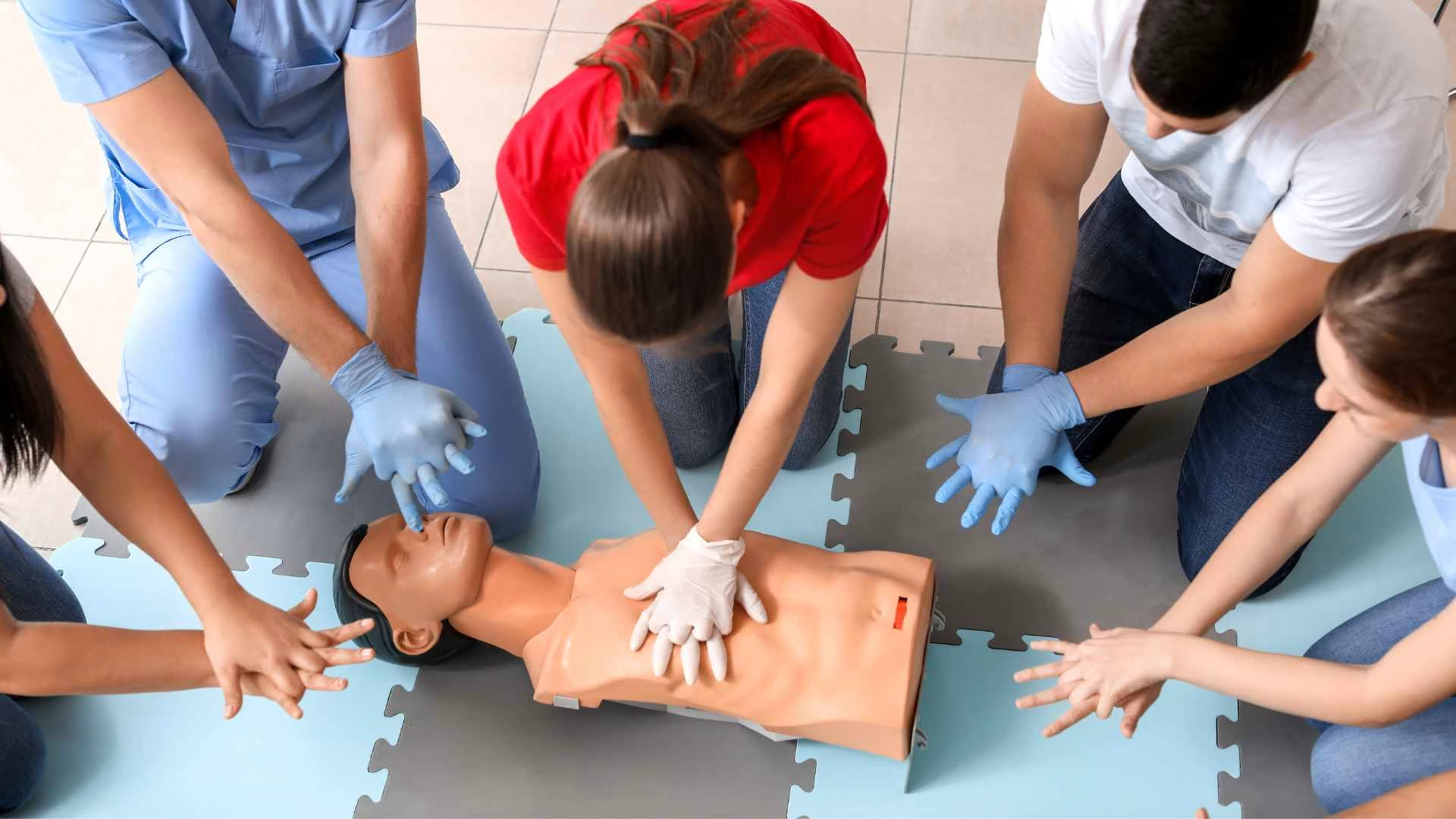
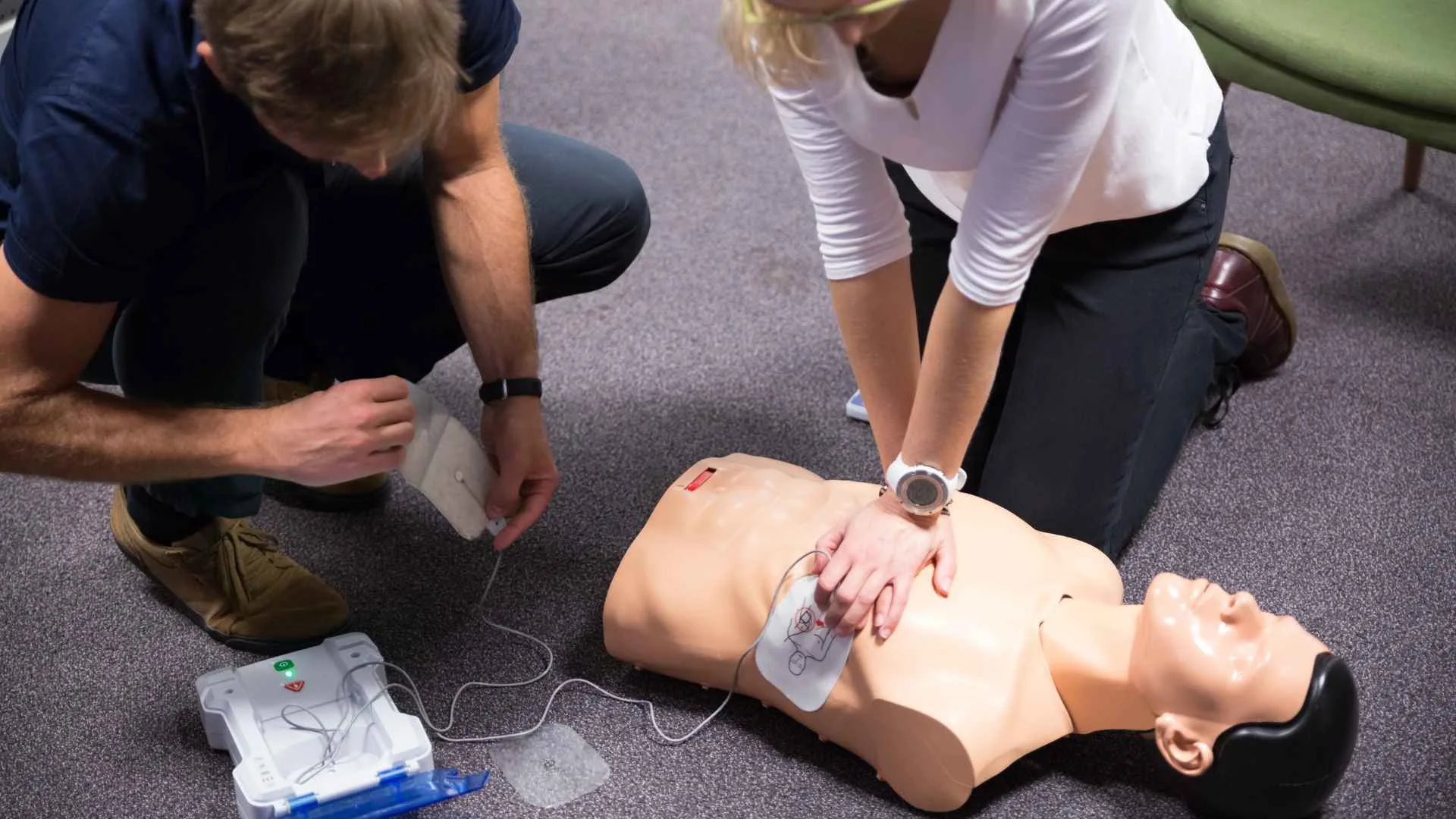
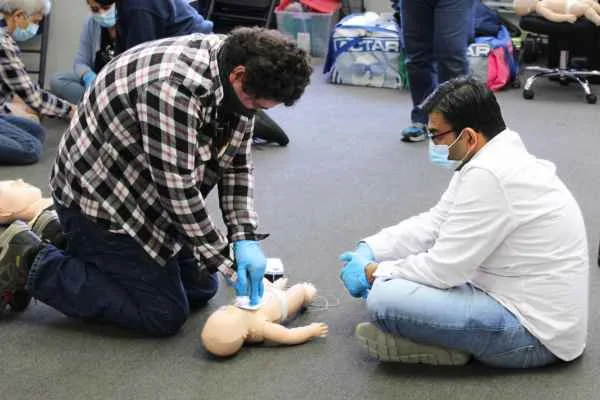
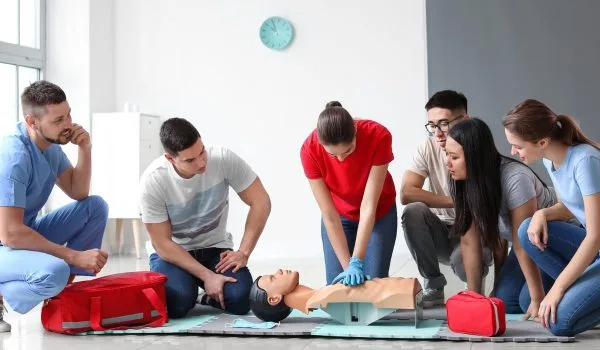
During the course, you will undergo rigorous hands-on practice. You will practice chest compressions on adult, child, and infant high-fidelity manikins, review the proper technique for rescue breathing and airway management using pocket masks, practice using an AED trainer, and work through realistic emergency scenarios. Your instructor observes your performance, provides real-time feedback, and helps you refine your technique until you can seamlessly pass the practical skills assessment and the comprehensive written examination to meet the strict Canadian Red Cross and CSA Z1210:24 standards.
Safety Tip: Do not wait until your certification is about to expire to schedule your renewal. Book your recertification course at least 6 to 8 weeks before your expiration date to ensure you have time to find a convenient session and avoid any illegal gap in your workplace certification status.
Watch: How to Perform High-Quality CPR
Granular Niche Targeting: Who Needs CPR Recertification?
Anyone who holds a CPR or first aid certification that is approaching its three-year expiration date needs recertification. However, maintaining an active, unexpired certificate is a non-negotiable condition of employment across a vast array of high-stakes Canadian industries:
Security Guards & Loss Prevention: Often the first on the scene in commercial buildings, security personnel must maintain unexpired Standard First Aid to keep their provincial security licenses legally valid.
Construction Foremen & Industrial Workers: High-risk environments demand site leaders whose trauma management skills—like severe bleeding control—are fresh and tested.
Daycare Staff, Teachers & Camp Counselors: Early childhood educators are required by provincial licensing to maintain valid CPR Level C to respond to severe anaphylaxis or choking emergencies in infants.
Hospitality Workers & Non-Aquatic Staff: Event coordinators, hotel managers, and recreation center staff must be prepared for sudden cardiac events among large crowds.
Healthcare Professionals: Nurses, dental staff, and paramedics with BLS certification must renew their credentials annually (every 1 year) due to the highly technical nature of clinical skills, including bag-valve-mask usage and oxygen administration.
Provincial Workplace Compliance and Liability Protection
Employers across Canada—whether governed by WSIB in Ontario, WorkSafeBC, or other provincial occupational health and safety (OHS) boards—are legally required to ensure that their designated first aid responders maintain current, unexpired certifications. Allowing an employee’s certification to lapse without arranging for recertification puts the employer immediately out of compliance with workplace safety regulations.
Smart employers treat CPR recertification as a critical pillar of their corporate risk management strategy. When a severe medical incident occurs, private liability insurers and legal investigators will heavily scrutinize the company’s training records. If the designated responder’s card had expired, the employer is wide open to lawsuits and gross negligence claims. Conversely, businesses that strictly enforce recertification deadlines often benefit from reduced commercial insurance premiums, as underwriters reward companies that proactively mitigate risk. Coast2Coast offers streamlined private group training sessions for businesses that need to renew multiple employees’ certifications at once on-site.
Career Advancement and Resume Building
From a professional standpoint, letting your certification expire is a missed opportunity for career advancement. Hiring managers in competitive fields actively look for candidates who already possess valid, unexpired Canadian Red Cross credentials. It demonstrates proactive responsibility, proves you have passed a recent written examination, and saves the prospective employer onboarding time and training costs. Keeping your card updated ensures your resume is always ready for a promotion or a lateral career move.
Flexible Recertification Options with Coast2Coast
Coast2Coast First Aid and Aquatics offers highly convenient recertification courses at locations across Canada. Our fast-track recertification programs are available for all levels, including CPR/AED, Emergency First Aid, Standard First Aid, and Basic Life Support (BLS).
The recertification course is significantly shorter than the original certification, usually taking half a day to a full day depending on the level. This reduced time commitment makes it easier to fit into your schedule. For those who prefer maximum flexibility, our blended online learning option allows you to review the theoretical material at your own pace from home before attending a condensed in-person session focused entirely on the practical skills assessment.
Recertify Your CPR Certificate Today
Do not let your life-saving skills fade or your workplace compliance lapse. Register for a fast-track Canadian Red Cross CPR recertification course with Coast2Coast and maintain your clinical confidence.
1. Exactly how often do I need to recertify my CPR in Canada?
Canadian Red Cross CPR and first aid certifications are valid for three years from the date of issue. You must complete a recertification course before your expiration date to maintain uninterrupted coverage.
2. Is there a grace period if my CPR certificate expires?
No. Across most provincial workplace safety boards, there is absolutely zero grace period. If your certificate expires by even a single day, you are no longer certified or legally compliant.
3. What if my certification has already expired?
A valid, unexpired certificate is a mandatory certification prerequisite for attending a fast-track renewal class. If your card has expired, you must retake the full, original multi-day certification course.
4. Is the recertification course easier than the original?
It covers the same core skills but in a condensed format. It assumes you have prior knowledge and focuses on refreshing your skills. The practical assessments are held to the exact same high standard as the original certification.
5. Can I recertify my CPR entirely online?
No. While you can complete the theory portion online via our blended learning format, a physical, hands-on practical skills assessment with an instructor is legally required to issue a valid certificate.
6. How many times can I take a Standard First Aid recertification?
In many provinces like Ontario, you can only take a fast-track Standard First Aid recertification once. Every alternate renewal cycle (every 6 years), you are required to retake the full two-day course.
7. Do I need to bring my old certificate to the recertification class?
Yes. Coast2Coast instructors are required to verify your unexpired Canadian Red Cross certificate before allowing you to participate in the fast-track testing.
8. Does CPR Level C recertification cover infants and children?
Yes. CPR Level C renewals strictly test your ability to perform high-quality resuscitation and choking response on adults, children, and infants.
9. Do healthcare providers recertify every three years?
No. Basic Life Support (BLS) certificates for healthcare professionals, nurses, and paramedics expire annually (every 1 year) due to the highly technical nature of the clinical skills required.
10. Is there a written examination during a renewal?
Yes, a multiple-choice written exam tests your core knowledge of updated guidelines. Instructors provide ample review time before the test to ensure you are prepared.
11. Will I practice with an AED during the recertification?
Yes. Automated External Defibrillator (AED) proficiency is a mandatory component of all CPR renewals. You will practice rapid pad placement and scenario response.
12. What if I fail the practical assessment during the renewal?
Instructors will work closely with you to correct mistakes. However, if you cannot meet the minimum physical standards (such as proper compression depth and rate), you cannot be certified.
13. Can I renew a Lifesaving Society certificate with the Red Cross?
Generally, you must recertify with the exact same agency that issued your original certificate. Check with your local office, as transitioning may require taking the full course.
14. Are barrier devices provided during the class?
Yes, we provide single-use barrier devices and training pocket masks for all students to ensure safe and sanitary rescue breathing practice during the session.
15. What is Chest Compression Fraction (CCF)?
CCF is the percentage of time spent actively compressing the chest during a cardiac arrest. A major goal of recertification is training responders to minimize pauses and maximize CCF for better survival rates.
16. Does keeping staff updated lower business insurance?
Yes, many commercial insurers offer premium discounts to businesses that proactively manage risk by maintaining a fully compliant, certified roster of first aid responders.
A
About the Author
Ashkon Pourheidary, B.Sc. (Hons) — Co-Founder, Coast2Coast First Aid & Aquatics
Ashkon has been a certified First Aid and CPR instructor since 2011 and an Instructor Trainer since 2013. He is also a certified Emergency Medical Responder (EMR) instructor, Psychological First Aid instructor, and BLS (Basic Life Support) instructor. Ashkon graduated with honours with a Bachelor of Science in Neuroscience from the University of Toronto in 2016. As co-founder of Coast2Coast First Aid & Aquatics, he has helped grow the organization to over 30 locations across Canada and into the United States. Ashkon has served on the First Aid Council for the Canadian Red Cross. He spends his time coaching the team of over 100 instructors at Coast2Coast to ensure that students training at Coast2Coast locations receive the best training experience. Connect on LinkedIn
Summary: Many of Canada’s most fatal medical emergencies—such as cardiac arrest, strokes, and severe anaphylaxis—are the result of “hidden health risks” that strike without warning. Enrolling in a Canadian Red Cross CPR course does more than just teach you chest compressions; it provides a profound education in preventative health awareness. By mastering High-Performance CPR, AED deployment, and early symptom recognition under the new 2026 CSA Z1210:24 standards, you protect your family and meet stringent provincial workplace compliance requirements.
Proactive First Aid: How CPR Training Helps Avoid Hidden Health Risks in Canada
Many of the most dangerous, life-altering health conditions share a terrifying common trait: they develop silently, without obvious outward symptoms, until they suddenly explode into life-threatening emergencies. Sudden cardiac arrest, massive strokes, severe choking incidents, and unexpected anaphylactic allergic reactions often strike without warning, turning ordinary moments into chaotic crises within seconds. Enrolling in a Canadian Red Cross CPR course is one of the most practical, proactive steps you can take to prepare yourself for these hidden health risks, protecting both yourself and the people you love.
Understanding the subtle warning signs of serious medical conditions, knowing exactly how to respond when an emergency unfolds, and having the clinical confidence to take immediate physical action are skills that every Canadian should possess. The Canadian Red Cross has been training citizens in first aid and CPR for decades, and their evidence-based 2026 curriculum is meticulously designed to give you exactly these capabilities through focused, hands-on training.
Decoding the “Silent Killers”: Cardiovascular Disease
Hidden health risks are underlying medical conditions that may not present obvious symptoms in their early stages but can abruptly lead to sudden, fatal emergencies. Cardiovascular disease is the leading example in Canada. Millions of people live with undiagnosed high blood pressure (hypertension), elevated cholesterol, or severely narrowed arteries for years without experiencing any noticeable pain or fatigue. Then, without any prior warning, a catastrophic cardiac event occurs that demands immediate physical intervention.
Sudden cardiac arrest (SCA) is the most extreme, lethal manifestation of hidden cardiovascular risk. Unlike a traditional heart attack—which involves a physical blockage in blood flow to the heart muscle but usually leaves the victim conscious—cardiac arrest is a massive electrical malfunction that causes the heart to stop pumping entirely. A person in cardiac arrest collapses instantly, loses consciousness, and stops breathing normally. Without high-quality CPR and rapid defibrillation within the first four to six minutes, the result is almost always fatal.
Anaphylaxis, Strokes, and Diabetic Emergencies
Cardiac issues are not the only hidden dangers. Other hidden health risks include undiagnosed Type 1 or Type 2 diabetes, which can cause sudden, severe diabetic emergencies such as extreme hypoglycemia (low blood sugar) or diabetic ketoacidosis. Individuals may simply appear confused, aggressive, or lethargic before slipping into a coma.
Similarly, previously undiagnosed or newly developed allergies can lead to anaphylaxis, a severe, whole-body allergic reaction that causes the airway to swell shut and blood pressure to plummet. This can be fatal within minutes without the prompt administration of an epinephrine auto-injector (EpiPen). Even conditions like epilepsy or hidden brain aneurysms can remain completely undetected until they produce a dramatic, highly visible emergency like a grand mal seizure or a hemorrhagic stroke.
What You Learn in a 2026 CPR Course
The modern Canadian Red Cross CPR curriculum is built on the absolute latest international medical evidence and resuscitation science. When you enroll in a certification course through Coast2Coast First Aid and Aquatics, you receive training that goes far beyond reading a textbook. The 2026 standards place a massive emphasis on High-Performance CPR and maximizing the Chest Compression Fraction (CCF) to keep oxygenated blood flowing to the brain.
During your mandatory practical skills assessment, you will practice using high-fidelity feedback manikins that measure your compression depth (at least 2 inches for adults) and rate (100-120 beats per minute). You will also learn the critical importance of hygiene and safety by utilizing barrier devices, such as one-way pocket masks, to deliver rescue breaths without risking infectious disease transmission.
Safety Tip: One of the most important diagnostic tools you learn in a CPR course is how to recognize when someone is having a stroke. The FAST method is a simple acronym to remember the warning signs: Face drooping, Arm weakness, Speech difficulty, and Time to call 911 immediately. Recognizing a stroke quickly and calling for help significantly reduces long-term neurological damage.
The Psychological Shift: From Bystander to Advocate
One of the less discussed but highly valuable benefits of taking a CPR course and passing your written examination is the psychological shift it creates regarding personal health awareness. When you learn about the physiological causes of cardiac arrest, you naturally begin to pay much closer attention to your own cardiovascular health. Students frequently report that taking a first aid course terrified them into scheduling an overdue check-up with their family doctor, quitting smoking, or making aggressive changes to their diet and exercise routines.
Furthermore, this training builds immense mental preparedness. Many untrained bystanders freeze in terror when confronted with a medical emergency because they lack clinical confidence. Training replaces that psychological paralysis with a clear, practiced, muscle-memory sequence of actions that you can execute flawlessly even under extreme pressure.
Watch: How to Perform High-Quality CPR
Career Advancement and Workplace Compliance
Understanding hidden health risks is not just a personal benefit; it is a massive professional asset. Across Canada, provincial occupational health and safety boards (like WSIB in Ontario or WorkSafeBC) legally require employers to maintain a specific ratio of certified first aiders on staff to comply with the CSA Z1210:24 standards.
Holding a valid, unexpired Canadian Red Cross certificate makes your resume stand out to hiring managers. It is a strict certification prerequisite for dozens of high-stakes professions:
Security Guards & Loss Prevention: Must hold Standard First Aid to maintain provincial security licenses and handle public crises.
Healthcare Professionals: Nurses, dental hygienists, and clinic staff require Basic Life Support (BLS) to master rapid pulse checks and oxygen administration using Bag-Valve-Masks.
Daycare Staff & Teachers: Early childhood educators are legally required to hold CPR Level C to safely address pediatric emergencies like severe asthma and anaphylaxis.
Construction Foremen & Industrial Workers: High-risk environments demand leaders trained in severe bleeding control and trauma management.
Flexible Course Options for Every Schedule
Coast2Coast First Aid and Aquatics offers a variety of course formats at locations across Canada to accommodate different schedules, learning preferences, and provincial certification requirements.
The CPR/AED course provides concentrated training on cardiac emergency response. The Standard First Aid course is a comprehensive two-day program that covers the full spectrum of emergency response skills (including environmental emergencies and poisons) and satisfies all major workplace requirements.
For those with busy schedules, our highly popular blended online learning option lets you complete the heavy medical theory online at home before attending a significantly shorter in-person practical session. Corporate businesses and large organizations can also take advantage of private group training delivered directly at their own facilities to reduce corporate liability and ensure seamless team compliance.
Register for a Red Cross CPR Course Today
Be prepared for the unexpected silent killers. Register for a CPR or first aid course with Coast2Coast and gain the clinical knowledge and physical confidence to save lives.
Question 1: Who should take a CPR course to prepare for hidden health risks?
Answer: Absolutely everyone. Over 80% of cardiac arrests occur at home. Parents, caregivers, teachers, office workers, and seniors are all prime candidates. Having CPR skills means you are physically prepared to help the people you care about most when a silent condition strikes.
Question 2: How long is a Canadian Red Cross CPR certification valid?
Answer: Canadian Red Cross CPR and First Aid certifications are valid for exactly three years from the date of issue. To maintain uninterrupted workplace compliance, you must take a fast-track recertification course before your card expires.
Question 3: Do I need any prior medical experience to take a CPR course?
Answer: No prior medical experience is required. Our introductory courses are meticulously designed for complete beginners. Certified instructors guide you through every technique step-by-step with hands-on practice.
Question 4: Can CPR training really help prevent personal health risks?
Answer: While the physical training does not prevent the condition itself, the deep physiological education you receive about stroke and heart attack warning signs frequently motivates students to make positive, life-saving lifestyle changes regarding diet and exercise.
Question 5: What is Chest Compression Fraction (CCF)?
Answer: CCF is the percentage of total rescue time spent actively compressing the chest. Minimizing pauses during CPR is scientifically proven to drastically improve survival rates, which is a core focus of 2026 High-Performance training.
Question 6: Is Automated External Defibrillator (AED) training included?
Answer: Yes. Comprehensive AED training is a mandatory component of all CPR certification courses in Canada. You will practice applying training pads and safely delivering a simulated shock to correct a fatal heart arrhythmia.
Question 7: What is the difference between Level A and Level C CPR?
Answer: CPR Level A strictly covers adult resuscitation techniques. CPR Level C is far more comprehensive, covering adult, child, and infant resuscitation, making it the required standard for daycare workers and teachers.
Question 8: Do I need to pass a written exam to get certified?
Answer: Yes. To earn your official Canadian Red Cross certification, you must successfully pass a multiple-choice written examination to demonstrate your grasp of the medical theory, alongside your physical practical skills assessment.
Question 9: Are barrier devices provided during the class?
Answer: Yes. Safety is paramount. Coast2Coast provides all students with single-use barrier devices and training pocket masks to ensure you can practice safe, sanitary rescue breathing without risking disease transmission.
Question 10: What is the FAST method for stroke recognition?
Answer: FAST stands for Face drooping, Arm weakness, Speech difficulty, and Time to call 911. It is the universally taught diagnostic tool for quickly identifying a stroke, which is a massive hidden health risk.
Question 11: Do healthcare workers take the standard CPR class?
Answer: No. Clinical professionals, such as nurses and dental hygienists, must take the Basic Life Support (BLS) course. BLS covers advanced technical protocols like team-based resuscitation and oxygen administration using Bag-Valve-Masks.
Question 12: Can I complete my CPR training entirely online?
Answer: No. While you can complete the heavy theoretical portion online through our blended learning format, a physical, hands-on practical skills assessment with an instructor is legally required to issue a valid certificate.
Question 13: Does first aid training cover allergic reactions?
Answer: Yes. Standard and Emergency First Aid courses extensively cover the identification of severe anaphylaxis and the proper administration of an epinephrine auto-injector (EpiPen).
Question 14: Can I fail the practical skills assessment?
Answer: Yes. While instructors provide extensive coaching, students must physically demonstrate the ability to perform effective compressions (correct depth and rate). If the standards are not met, certification cannot be legally issued.
Question 15: What happens if my CPR certificate expires?
Answer: Across most provincial jurisdictions, there is zero grace period. If your certificate expires by even a single day, you are no longer legally compliant for work and must retake the full original course.
A
About the Author
Ashkon Pourheidary, B.Sc. (Hons) — Co-Founder, Coast2Coast First Aid & Aquatics
Ashkon has been a certified First Aid and CPR instructor since 2011 and an Instructor Trainer since 2013. He is also a certified Emergency Medical Responder (EMR) instructor, Psychological First Aid instructor, and BLS (Basic Life Support) instructor. Ashkon graduated with honours with a Bachelor of Science in Neuroscience from the University of Toronto in 2016. As co-founder of Coast2Coast First Aid & Aquatics, he has helped grow the organization to over 30 locations across Canada and into the United States. Ashkon has served on the First Aid Council for the Canadian Red Cross. He spends his time coaching the team of over 100 instructors at Coast2Coast to ensure that students training at Coast2Coast locations receive the best training experience. Connect on LinkedIn
Summary: In a rapidly expanding suburban community like Richmond Hill, waiting for York Region EMS during a medical crisis is not enough. Securing Canadian Red Cross CPR and AED certification is an essential community responsibility. By mastering High-Performance CPR, AED deployment, and trauma management under the new 2026 CSA Z1210:24 standards, residents protect their families at home, while local businesses ensure strict compliance with WSIB Regulation 1101.
Essential CPR Training: Why Lifesaving Prep Is So Important for Richmond Hill Residents
Richmond Hill is one of the most vibrant and fastest-growing communities in the Greater Toronto Area, with a population that has surpassed 200,000 residents and continues to expand rapidly. As the city grows—adding new neighborhoods, corporate parks, and massive recreational facilities—so does the urgent need for residents who are trained and physically prepared to respond to sudden medical emergencies. Comprehensive CPR training is one of the most profoundly impactful skills a Richmond Hill resident can acquire, and it could literally mean the difference between life and death for a neighbour, family member, or stranger.
Sudden cardiac arrest does not discriminate. It can strike absolutely anyone at any age, regardless of their fitness level, diet, or prior medical history. In Richmond Hill’s private homes, busy workplaces, schools, parks, and sprawling shopping centres like Hillcrest Mall, there is always a statistical possibility that someone will suddenly collapse and require immediate physical intervention. When that terrifying moment comes, the person standing closest to the victim instantly becomes the single most important link in the chain of survival.
The Chain of Survival and the “Platinum Minutes”
The “Chain of Survival” is a core clinical concept used by emergency medical professionals to describe the exact sequence of actions that give a cardiac arrest victim the highest possible chance of neurological survival. The chain consists of critical links: early recognition and calling 911, early high-quality CPR by a bystander, rapid defibrillation with an AED, and advanced medical care from paramedics.
Of these links, the first three depend entirely on the immediate actions of trained bystanders. Professional paramedics handle the final link, but they cannot arrive instantly. In Richmond Hill, where York Region EMS serves a massive geographic area with consistently increasing call volumes, response times can be heavily delayed by rush-hour traffic on Yonge Street or Highway 404, severe winter weather, and neighborhood density.
During these critical “Platinum Minutes” before an ambulance arrives, bystander CPR acts as a manual pump, keeping oxygenated blood flowing to the brain and vital organs. Research published by international resuscitation councils shows that bystander CPR can double or even triple the chances of survival. Despite this, fewer than 40 percent of Canadian cardiac arrest victims receive bystander CPR. Increasing the number of certified residents in Richmond Hill could dramatically improve survival rates across the entire municipality.
The Science of High-Performance CPR and CCF
Modern CPR training in 2026 goes far beyond the basics. The Canadian Red Cross curriculum focuses intensely on High-Performance CPR, a methodology that prioritizes the Chest Compression Fraction (CCF). CCF is the percentage of total rescue time spent actively compressing the chest. By learning to minimize physical pauses—such as when switching rescuers or applying AED pads—you drastically improve the patient’s internal blood pressure.
To master this, Richmond Hill students utilize high-fidelity feedback manikins during their mandatory practical skills assessment. These devices provide real-time digital feedback on your compression depth (at least 2 inches for adults) and rate (100 to 120 beats per minute). You will also be trained on the crucial use of barrier devices, such as one-way pocket masks, to safely deliver rescue breaths without risking infectious disease transmission.
Safety Tip: Richmond Hill has a rapidly growing number of Automated External Defibrillators (AEDs) installed in public buildings, hockey arenas, and community centres. Make it a habit to actively locate the AEDs in the places you visit most often, such as your local library or fitness facility. Knowing exactly where the nearest AED is located before an emergency occurs saves critical seconds when it matters most.
Workplace Compliance in Richmond Hill: WSIB Regulation 1101
Richmond Hill’s diverse business community includes a mix of corporate office complexes, retail power centres, bustling restaurants, healthcare facilities, and light industrial operations in the Beaver Creek area. Every single one of these workplaces has a strict legal obligation under Ontario’s Workplace Safety and Insurance Board (WSIB) to maintain adequate first aid coverage.
Under WSIB Regulation 1101 and the updated CSA Z1210:24 standards, employers must have designated responders who have passed a formal written examination and skills test. Workplaces with 1 to 5 employees per shift require an Emergency First Aider, while those with 6 or more require at least one Standard First Aider on duty at all times.
Coast2Coast helps local businesses seamlessly meet these strict legal requirements by offering private group training. Our certified instructors deploy directly to your Richmond Hill location, bringing all necessary manikins and testing equipment to train your entire staff simultaneously, massively reducing your corporate liability and potentially lowering your commercial insurance premiums.
Granular Niche Targeting: Career Building in York Region
A valid, unexpired Canadian Red Cross certificate is a massive asset for career advancement in Richmond Hill. Many specific local roles have strict certification prerequisites:
Security Guards & Loss Prevention: Personnel patrolling local malls or condo developments must hold Standard First Aid to legally maintain their Ontario security licenses.
Daycare Staff & Teachers: Early childhood educators are legally required by provincial licensing to hold CPR Level C to safely address pediatric emergencies, such as infant choking or anaphylaxis (requiring EpiPen administration).
Construction Foremen & Landscapers: High-risk outdoor environments demand leaders trained in severe bleeding control, heat exhaustion, and trauma management.
Healthcare Professionals: Staff at Richmond Hill’s medical clinics, dental offices, and pharmacies require Basic Life Support (BLS) to master rapid pulse checks, team dynamics, and oxygen administration using Bag-Valve-Masks.
Watch: How to Perform High-Quality CPR
Flexible Learning: Blended Online Training Options
Coast2Coast First Aid and Aquatics understands that Richmond Hill residents have incredibly busy schedules. To make certification as accessible as possible, we offer a highly popular blended online learning format. This hybrid model allows you to complete the heavy medical theory modules online at your own pace from your home or office. Once completed, you only need to attend a significantly shorter, fast-track in-person session focused entirely on your hands-on practical skills assessment.
If your current certificate is nearing its mandatory three-year expiry, our streamlined recertification courses offer a rapid review of the material to seamlessly renew your legal credentials without having to retake the entire multi-day program.
Get CPR Certified in Richmond Hill Today
Protect your family, boost your resume, and ensure your workplace is legally compliant. Register for a WSIB-approved course with Coast2Coast and gain the confidence to act in a medical emergency.
Question 1: Where is the closest CPR training location to Richmond Hill?
Answer: Coast2Coast operates multiple premier training facilities throughout York Region and the GTA that are highly accessible to Richmond Hill residents. Visit our locations page to find the most convenient session.
Question 2: How long does a standard CPR course take?
Answer: A standalone CPR/AED Level C course takes approximately 4 to 6 hours. Emergency First Aid takes one full day, while Standard First Aid takes two full days. Blended online options cut the in-person time in half.
Question 3: Does WSIB Regulation 1101 apply to small Richmond Hill offices?
Answer: Yes. Any workplace, including small dental offices or retail boutiques with 1 to 5 employees per shift, is legally required to have at least one designated staff member with an Emergency First Aid certificate.
Question 4: What is the difference between Level A and Level C CPR?
Answer: Level A strictly focuses on adult resuscitation. Level C is much more comprehensive, covering protocols for adults, children, and infants, making it the required standard for daycare workers and parents.
Question 5: Can my whole family take CPR training together?
Answer: Absolutely. CPR training is appropriate for teens and adults of all ages. Many Richmond Hill families choose our private group sessions to get certified together so everyone is prepared for a home emergency.
Question 6: Is Automated External Defibrillator (AED) training included?
Answer: Yes. Comprehensive AED training is a mandatory component of all our Canadian Red Cross certification courses. You will physically practice applying training pads and safely delivering a simulated shock.
Question 7: Do healthcare professionals take the standard CPR class?
Answer: No. Clinical professionals, such as nurses and pharmacists in Richmond Hill, must take the Basic Life Support (BLS) course, which covers advanced techniques like team-based resuscitation and oxygen administration.
Question 8: What is Chest Compression Fraction (CCF)?
Answer: CCF is the percentage of total rescue time spent actively compressing the chest. Minimizing pauses to keep the CCF as high as possible is a core focus of High-Performance CPR, drastically improving survival rates.
Question 9: Can I fail the practical skills assessment?
Answer: While our instructors provide extensive coaching, you must physically demonstrate the ability to perform effective compressions (correct depth and rate). If you cannot meet the strict physical standards, certification cannot be issued.
Question 10: Are barrier devices provided during the training class?
Answer: Yes. Safety and hygiene are paramount. Coast2Coast provides all students with single-use barrier devices and training pocket masks to ensure you can practice rescue breathing safely during your evaluation.
Question 11: Do I need to pass a written exam to get certified?
Answer: Yes. To earn your official certification, you must successfully pass a multiple-choice written examination to demonstrate your grasp of the medical theory and 2026 CSA standards.
Question 12: What happens if my CPR certificate expires?
Answer: In Ontario, there is zero grace period. If your certificate expires by even a single day, you are no longer WSIB compliant for work and must retake the full original course instead of a fast-track recertification.
Question 13: Does first aid training cover allergic reactions?
Answer: Yes. Both Emergency and Standard First Aid courses extensively cover the identification of severe anaphylaxis and the proper, safe administration of an epinephrine auto-injector (EpiPen).
Question 14: Is my Richmond Hill CPR certification valid in other provinces?
Answer: Yes. Canadian Red Cross CPR and First Aid certifications are federally recognized by employers and occupational health boards across all provinces and territories in Canada.
Question 15: Is workplace CPR training tax deductible in Ontario?
Answer: For corporate businesses, employee safety training is almost always a deductible expense. For individuals, it may be deductible if it is a strict condition of your employment. We recommend consulting a tax professional.
A
About the Author
Ashkon Pourheidary, B.Sc. (Hons) — Co-Founder, Coast2Coast First Aid & Aquatics
Ashkon has been a certified First Aid and CPR instructor since 2011 and an Instructor Trainer since 2013. He is also a certified Emergency Medical Responder (EMR) instructor, Psychological First Aid instructor, and BLS (Basic Life Support) instructor. Ashkon graduated with honours with a Bachelor of Science in Neuroscience from the University of Toronto in 2016. As co-founder of Coast2Coast First Aid & Aquatics, he has helped grow the organization to over 30 locations across Canada and into the United States. Ashkon has served on the First Aid Council for the Canadian Red Cross. He spends his time coaching the team of over 100 instructors at Coast2Coast to ensure that students training at Coast2Coast locations receive the best training experience. Connect on LinkedIn
Summary: Handling a sudden medical crisis in North York requires clinical confidence and rapid action. By securing a Canadian Red Cross CPR and AED certification, residents and professionals learn to administer High-Performance CPR and maximize Chest Compression Fraction (CCF) before Toronto Paramedics arrive. This training not only saves lives but also ensures strict workplace compliance with WSIB Regulation 1101 and the 2026 CSA Z1210:24 standards across North York’s bustling commercial centers.
Emergency CPR Protocol: How to Handle a Cardiac Crisis in North York
North York is one of Toronto’s most heavily populated and geographically vast districts, home to hundreds of thousands of residents, sprawling commercial centres, massive parks, community facilities, and major TTC transit corridors. From the incredibly busy intersections around Yonge and Sheppard to the dense, family-friendly neighbourhoods of Willowdale, Bayview Village, and Don Mills, medical emergencies can happen at any time and in any place. Knowing exactly how to handle a CPR emergency in North York could mean the difference between life and death for a neighbour, a colleague, a family member, or a complete stranger.
Sudden cardiac arrest is the leading cause of death during medical emergencies where bystander intervention is actually possible. When someone’s heart suddenly stops beating, their survival depends entirely on receiving high-quality CPR within the first four to six minutes. Unfortunately, many people in North York and across the Greater Toronto Area hesitate to act because they lack clinical confidence or have never received formal training. This psychological hesitation costs lives every single year.
Recognizing a Cardiac Emergency: The First Critical Step
The first and most crucial step in handling any CPR emergency is quickly recognizing that one is actually occurring. Cardiac arrest often happens suddenly and without any warning. The victim may collapse without any prior symptoms, or they may first experience a sudden heart attack—presenting with severe chest pain, shortness of breath, dizziness, or an irregular heartbeat—before losing consciousness and slipping into cardiac arrest.
The definitive clinical signs that someone is in cardiac arrest include sudden collapse and total unresponsiveness, no normal breathing (or only agonal gasping), no detectable pulse, and skin that rapidly appears pale, blue, or ashen grey. If you see someone exhibiting these signs, you must act immediately. Do not wait to see if they recover on their own; in cardiac arrest, every single second without physical intervention exponentially reduces the chance of survival.
It is also vitally important to distinguish cardiac arrest from other medical conditions. A person having a heart attack is usually conscious and in pain, while a person in cardiac arrest is completely unconscious and not breathing. Both are massive emergencies, but the immediate response differs. Comprehensive first aid training teaches you how to accurately assess and differentiate between various medical emergencies so you can provide the right care at the right time.
The Science of the Save: High-Performance CPR Protocol
If you encounter someone in cardiac arrest in North York, following the 2026 Canadian Red Cross protocols can save their life. Modern training emphasizes High-Performance CPR, which focuses heavily on maximizing the Chest Compression Fraction (CCF)—the percentage of time spent actively compressing the chest to maintain blood pressure to the brain.
Here is the step-by-step protocol taught in our courses:
Assess the Scene: Ensure the environment is safe (e.g., check for traffic on Yonge Street or electrical hazards).
Check Responsiveness: Tap the victim’s collarbones firmly and shout.
Activate EMS: If unresponsive, designate a specific bystander to call 911 and another to locate the nearest AED.
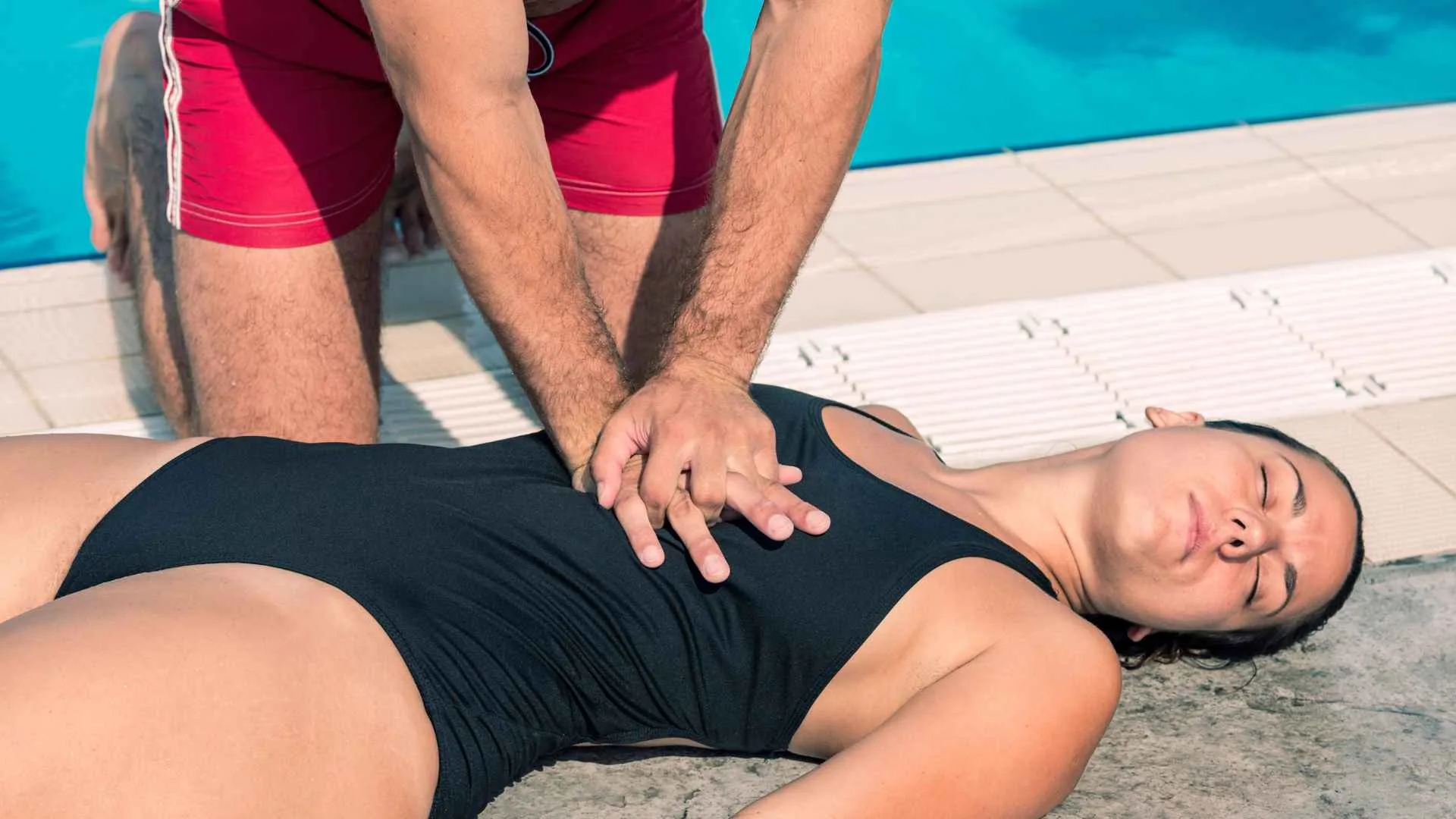
Begin Compressions: Place the heel of one hand on the centre of the chest. Lock your elbows and push hard and fast—at least 2 inches (5 cm) deep at a rate of 100 to 120 compressions per minute.
Provide Breaths: If trained, use a barrier device (like a pocket mask) to deliver 2 rescue breaths after every 30 compressions. If you do not have a barrier mask, perform continuous Hands-Only CPR.
Safety Tip: If you are untrained, panicked, or uncomfortable giving rescue breaths without a mask, hands-only CPR (continuous chest compressions without stopping) is still infinitely better than doing nothing. Push hard, push fast, and do not stop until Toronto Paramedics arrive and physically take over.
AED Integration in North York Public Spaces
An Automated External Defibrillator (AED) is a highly advanced, portable device designed to analyze the heart’s electrical rhythm and deliver a shock to restore a normal heartbeat during ventricular fibrillation. AEDs are specifically designed for use by non-medical personnel, providing clear voice prompts that guide you through every single step.
Many high-traffic public locations in North York now have AEDs legally mandated and installed, including the North York Civic Centre, Fairview Mall, local fitness facilities, public libraries, and TTC subway stations. Learning to rapidly deploy an AED is a critical component of any CPR and AED training course. When high-quality CPR is combined with early defibrillation within the first 3 minutes, survival rates can increase to as high as 75 percent.
Watch: How to Perform High-Quality CPR
Workplace Compliance and WSIB Regulation 1101
For businesses operating in North York’s massive commercial sectors—from the corporate towers along Yonge Street to the industrial parks near the 400—first aid training is a strict legal requirement. The Workplace Safety and Insurance Board (WSIB) enforces Regulation 1101, which dictates that every workplace must have a specific number of certified responders on duty.
To comply with the new CSA Z1210:24 standards, employees must successfully pass a practical skills assessment and a written examination. Failure to maintain these unexpired certifications leaves North York employers vulnerable to severe fines and devastating corporate liability if an injury occurs. Coast2Coast simplifies this by offering private group training, bringing instructors directly to your corporate office or retail store.
Granular Niche Targeting: Career Advancement
Holding a valid Canadian Red Cross certificate is a significant advantage in North York’s competitive job market. Meeting these certification prerequisites is mandatory for many local careers:
Security Guards: Personnel patrolling malls or condo buildings must hold Standard First Aid to keep their provincial security licenses valid.
Daycare Staff & Teachers: Early childhood educators must hold CPR Level C to safely manage pediatric emergencies like infant choking and anaphylaxis.
Construction Foremen: High-risk job sites demand leaders trained in severe bleeding control and spinal immobilization.
Healthcare Professionals: Staff at North York General Hospital, local clinics, and dental offices require Basic Life Support (BLS) to master rapid pulse checks and oxygen administration using Bag-Valve-Masks.
Flexible Training: Blended Online Learning
Coast2Coast First Aid and Aquatics offers the highly popular blended online learning format for North York residents with busy schedules. You can complete the heavy medical theory online at your own pace, then attend a significantly shorter, fast-track in-person session focused entirely on your hands-on evaluation.
If your current certificate is nearing its strict three-year expiry, our streamlined recertification courses offer a rapid review of the material to seamlessly renew your legal credentials without having to retake the full program.
Get CPR Trained in North York Today
Be ready to save a life in your community. Register for a WSIB-approved first aid or CPR course with Coast2Coast and get certified by the Canadian Red Cross.
Question 1: Can I legally perform CPR in North York without certification?
Answer: Yes. Under Ontario’s Good Samaritan Act, you are legally protected when voluntarily providing reasonable emergency assistance in good faith. However, formal training dramatically increases your clinical effectiveness and confidence.
Question 2: How long does a CPR training course take?
Answer: A standalone CPR/AED course takes about 4 to 6 hours. The comprehensive Standard First Aid course takes two full days. Our blended online option cuts the in-person classroom time in half.
Question 3: Does WSIB Regulation 1101 apply to small North York offices?
Answer: Yes. Any workplace, including small dental clinics or retail shops with 1 to 5 employees per shift, is legally required to have at least one designated staff member with an Emergency First Aid certificate.
Question 4: Are there AEDs available in public places in North York?
Answer: Yes, many public buildings, recreation centres, TTC stations, and malls in North York have AEDs installed. Our courses teach you to rapidly locate and operate these devices under stress.
Question 5: What is Chest Compression Fraction (CCF)?
Answer: CCF is the percentage of total rescue time spent actively compressing the chest. Minimizing pauses to keep the CCF high is a core focus of High-Performance CPR, drastically improving survival rates.
Question 6: How often should I renew my Canadian Red Cross certification?
Answer: Certification is valid for exactly three years from the date of issue. To maintain WSIB compliance, you must take a recertification course before your current credentials expire.
Question 7: What is the difference between Level A and Level C CPR?
Answer: Level A strictly focuses on adult resuscitation. Level C is much more comprehensive, covering protocols for adults, children, and infants, making it the required standard for daycare workers and parents.
Question 8: Do healthcare professionals take the standard CPR class?
Answer: No. Clinical professionals, such as nurses at North York General, must take the Basic Life Support (BLS) course, which covers advanced techniques like team-based resuscitation and oxygen administration.
Question 9: Can my whole family take CPR training together?
Answer: Absolutely. CPR training is appropriate for teens and adults of all ages. Many families choose our private group sessions to get certified together so everyone is prepared for a home emergency.
Question 10: Can I fail the practical skills assessment?
Answer: While our instructors provide extensive coaching, you must physically demonstrate the ability to perform effective compressions (correct depth and rate). If you cannot meet the standards, certification cannot be issued.
Question 11: Are barrier devices provided during the training class?
Answer: Yes. Safety and hygiene are paramount. Coast2Coast provides all students with single-use barrier devices and training pocket masks to ensure you can practice rescue breathing safely.
Question 12: Do I need to pass a written exam to get certified?
Answer: Yes. To earn your official certification, you must successfully pass a multiple-choice written examination to demonstrate your grasp of the medical theory and the new 2026 CSA standards.
Question 13: What happens if my CPR certificate expires?
Answer: In Ontario, there is zero grace period. If your certificate expires by even a single day, you are no longer WSIB compliant for work and must retake the full original course instead of a fast-track recertification.
Question 14: Does first aid training cover severe allergic reactions?
Answer: Yes. Both Emergency and Standard First Aid courses extensively cover the identification of severe anaphylaxis and the proper, safe administration of an epinephrine auto-injector (EpiPen).
Question 15: Is workplace CPR training tax deductible?
Answer: For corporate businesses, employee safety training is almost always a deductible corporate expense. For individuals, it may be deductible if it is a strict condition of your employment. Consult a tax professional for details.
A
About the Author
Ashkon Pourheidary, B.Sc. (Hons) — Co-Founder, Coast2Coast First Aid & Aquatics
Ashkon has been a certified First Aid and CPR instructor since 2011 and an Instructor Trainer since 2013. He is also a certified Emergency Medical Responder (EMR) instructor, Psychological First Aid instructor, and BLS (Basic Life Support) instructor. Ashkon graduated with honours with a Bachelor of Science in Neuroscience from the University of Toronto in 2016. As co-founder of Coast2Coast First Aid & Aquatics, he has helped grow the organization to over 30 locations across Canada and into the United States. Ashkon has served on the First Aid Council for the Canadian Red Cross. He spends his time coaching the team of over 100 instructors at Coast2Coast to ensure that students training at Coast2Coast locations receive the best training experience. Connect on LinkedIn
Summary: While often perceived as low-risk, corporate office environments are frequent sites for sudden cardiac arrest and medical emergencies. Under WSIB Regulation 1101 and the updated CSA Z1210:24 standards, Canadian employers must maintain a specific ratio of certified first aiders. Implementing mandatory first aid and CPR training for all office staff—not just the minimum required—drastically reduces corporate liability, lowers insurance premiums, and ensures a resilient safety culture during those critical “Platinum Minutes” before paramedics arrive.
Strategic Workplace Safety: The Case for Mandatory First Aid and CPR Training in Offices
Workplace safety is a topic that affects every employee in every industry, but it is often dangerously overlooked in professional office environments where the risks seem minimal compared to high-hazard construction sites or manufacturing plants. The reality, however, is that medical emergencies are non-discriminatory; they can happen anywhere, and office workplaces are no exception. Cardiac arrests, choking incidents, severe allergic reactions, slips, falls, and mental health crises occur regularly in office buildings across Canada. Investing in first aid and CPR training is a critical pillar of operational resilience.
The question of whether emergency training should be mandatory for all office workers is one that forward-thinking employers, employees, and policymakers are increasingly discussing. With growing evidence that immediate bystander intervention saves lives and that trained employees create significantly safer workplaces, the argument for comprehensive training is stronger than ever. Beyond meeting certification prerequisites for safety roles, office-wide training ensures that no matter who is on break or working remotely, a life-saver is always nearby. Secure your team’s future at one of our training locations across Canada today.
Why Office Environments Are Not as Safe as You Think
Many people assume that offices are inherently safe “soft” environments. After all, there are no heavy machines, no hazardous chemicals, and no extreme temperatures. But this perception of safety can create a dangerous complacency. The truth is that the most common cause of death from medical emergencies in offices is sudden cardiac arrest (SCA), and it can strike anyone regardless of age, fitness level, or apparent health. In a dense urban center like Toronto or Vancouver, a victim on the 30th floor of a high-rise faces “Vertical Response Delay,” where it may take paramedics 10+ minutes to reach the desk.
Consider the lifestyle reality of a typical Canadian office. Employees spend long hours sitting at desks, often under significant psychological stress, with limited physical activity throughout the day. These sedentary work habits, combined with factors like poor diet and high-pressure deadlines, increase the risk of cardiovascular events. When a cardiac emergency occurs, the outcome depends entirely on whether a colleague has the skills and confidence to perform High-Performance CPR and use an Automated External Defibrillator (AED).
Beyond cardiac events, offices present risks for choking during lunch breaks, severe allergic reactions (anaphylaxis) from shared kitchen spaces, and falls on stairs or recently mopped floors. A comprehensive Standard First Aid course prepares your team to handle all of these situations, including the use of barrier devices to safely deliver rescue breaths.
National Workplace First Aid Requirements: CSA Z1210:24 Standards
In Canada, workplace health and safety regulations are traditionally governed at the provincial level (such as WSIB in Ontario or WorkSafeBC). However, there is a nationwide shift toward the CSA Z1210:24 standards, which categorize first aid training into “Basic,” “Intermediate,” and “Advanced” levels. This alignment ensures that a certificate earned at a Coast2Coast location is recognized by employers coast-to-coast.
For most office environments, the requirements are determined by headcount per shift:
Small Offices (1-5 Workers): Usually require at least one person with Emergency (Basic) First Aid.
Medium to Large Offices (6+ Workers): Typically mandate at least one Standard (Intermediate) First Aider.
High-Rise or Multi-Floor Offices: Best practice dictates having a certified responder on every floor to ensure response times stay under the 3-minute mark.
Safety Tip: Even if your provincial regulations only require a minimum number of certified first aiders, consider training additional team members. The more employees who are trained in High-Performance CPR, the higher the Chest Compression Fraction (CCF) will be during a real emergency. Coast2Coast offers private group training with corporate discounts.
The Benefits of Mandatory Office CPR Training
Making first aid and CPR training mandatory for all office employees, rather than just a select few “safety wardens,” delivers massive benefits that extend far beyond regulatory compliance.
1. Drastic Reduction in Response Times
In a cardiac emergency, every minute without CPR reduces the chance of survival by 7% to 10%. If every employee in an office knows how to deploy an AED and perform compressions, the likelihood of a responder being within 10 feet of the victim increases dramatically. This “distributed safety” model is the only way to effectively bridge the gap before professional help arrives.
2. Career Advancement and Resume Building
Employees value training as a form of professional development. Holding an unexpired Canadian Red Cross certificate is a significant asset for security guards, daycare staff, and hospitality workers within corporate settings. It demonstrates responsibility and a commitment to the well-being of the team, often serving as a differentiator for leadership roles.
3. Lower Liability and Insurance Premiums
Employers who can demonstrate 100% training saturation provide a robust “Due Diligence” defense. If a workplace incident occurs, legal investigators and insurers will ask whether the response was appropriate. Having a fully certified staff significantly reduces exposure to negligence claims. Furthermore, many commercial insurers offer premium reductions to businesses with a documented, comprehensive safety culture.
Implementation: Blended Learning and Private Sessions
Implementing office-wide training does not have to disrupt your workflow. We specialize in blended online learning, where staff complete the medical theory at their desks at their own pace. They then attend a shortened in-person session for the practical skills assessment.
For larger teams, our private group training brings the classroom to you. We customize the scenarios to your office layout, practicing how to navigate cubicles, stairs, and elevators while managing a victim. This site-specific training is far more effective than generic off-site courses.
Standard office training should also address the specific needs of niche job titles within the building:
Corporate Security & Reception: Often the first to arrive, these staff need advanced AED and scene management training.
Executive Assistants & Managers: Frequently responsible for coordination during crises; they benefit from Psychological First Aid concepts to manage team trauma.
Maintenance & Janitorial Staff: These workers are often in secluded areas (mechanical rooms/basements) and need to know how to perform a self-rescue or alert others during a solo emergency.
On-site Childcare/Daycare Staff: Must have CPR Level C to safely handle pediatric emergencies like choking or allergic reactions.
The “Physiology of the Save” in a Sedentary Workplace
Our instructors educate office workers on the “Physiology of the Save.” We explain how sedentary behavior contributes to blood clots and deep vein thrombosis (DVT), which can lead to pulmonary embolisms. Understanding the why behind the emergency motivates employees to take their written examination and skills practice more seriously, transforming them into proactive safety advocates who recognize early warning signs of stroke and heart attack.
Train Your Office Team in First Aid and CPR Today
Give your employees the life-saving skills they deserve. Register your team for WSIB-approved group training with Coast2Coast and secure your 2026 certification.
Question 1: Is first aid training legally required in Canadian offices?
Answer: Yes. Under provincial laws like Ontario’s WSIB Regulation 1101, all workplaces—including offices—must have a minimum number of certified first aid responders on site during all working hours. Failure to comply can result in significant fines.
Question 2: How many employees should be trained in a multi-floor office?
Answer: While the law sets a minimum, safety experts recommend at least one certified responder per floor and per shift to account for “Vertical Response Delay” and ensure help arrives within the first 3 minutes.
Question 3: Can office training be done at our own workplace?
Answer: Absolutely. Coast2Coast offers on-site private group training where our instructors bring all the manikins and AED trainers directly to your office, saving your team travel time and allowing for site-specific drills.
Question 4: What is the difference between Level A and Level C CPR for offices?
Answer: CPR Level A covers adult resuscitation and is usually sufficient for standard offices. Level C covers adults, children, and infants, making it the better choice for offices that allow visitors, have on-site daycare, or employ parents who want the extra skill set.
Question 5: How long is the office first aid certification valid?
Answer: Canadian Red Cross first aid and CPR certificates are valid for three years. We recommend tracking these dates in a safety log to ensure employees attend a recertification course before their credentials expire.
Question 6: Does the training cover Automated External Defibrillators (AEDs)?
Answer: Yes. Every WSIB-approved course includes full training on how to use an AED, as they are the only way to restart a heart during a sudden cardiac arrest.
Question 7: What is the benefit of “Blended Learning” for corporate teams?
Answer: Blended learning allows employees to do the theory work online at their own pace, which reduces the time spent away from their desks. The in-person session is then strictly focused on the hands-on practical skills assessment.
Question 8: Can an employee fail the CPR test?
Answer: While our instructors provide extensive coaching, students must demonstrate the physical ability to perform compressions at the correct depth and rate to receive their certification.
Question 9: Is an employer liable if a trained employee performs CPR incorrectly?
Answer: In most Canadian provinces, “Good Samaritan” principles protect individuals who provide help in good faith. However, having up-to-date, certified training is the best way for an employer to prove they met their “Duty of Care.”
Question 10: Does training help lower business insurance costs?
Answer: Yes. Many commercial liability insurers recognize a fully trained staff as a risk-mitigation factor and may offer premium credits or lower rates to businesses with a robust safety program.
Question 11: Are barrier devices provided for rescue breathing?
Answer: Yes. We train employees on the use of pocket masks and other barrier devices to ensure rescue breaths are delivered safely without the risk of infectious disease transmission.
Question 12: What should an office first aid kit contain?
Answer: Under the CSA Z1210:24 standards, an office kit (Type 2 Small or Medium) must contain specific quantities of bandages, gauze, antiseptic wipes, and a CPR mask. We can help you audit your kits during your training session.
Question 13: How quickly do employees get their digital certificates?
Answer: Once the practical and written assessments are completed, digital Canadian Red Cross certificates are typically issued within 24-48 hours via email.
Question 14: Can we train our remote/hybrid staff?
Answer: Yes. Remote staff can join the online theory portion, but they must attend a physical in-person session at one of our locations or your office to complete the mandatory hands-on testing.
Question 15: What is Chest Compression Fraction (CCF)?
Answer: CCF is the percentage of time during a rescue that compressions are actually being performed. High-Performance training teaches office workers to minimize interruptions to keep this fraction as high as possible.
A
About the Author
Ashkon Pourheidary, B.Sc. (Hons) — Co-Founder, Coast2Coast First Aid & Aquatics
Ashkon has been a certified First Aid and CPR instructor since 2011 and an Instructor Trainer since 2013. He is also a certified Emergency Medical Responder (EMR) instructor, Psychological First Aid instructor, and BLS (Basic Life Support) instructor. Ashkon graduated with honours with a Bachelor of Science in Neuroscience from the University of Toronto in 2016. As co-founder of Coast2Coast First Aid & Aquatics, he has helped grow the organization to over 30 locations across Canada and into the United States. Ashkon has served on the First Aid Council for the Canadian Red Cross. He spends his time coaching the team of over 100 instructors at Coast2Coast to ensure that students training at Coast2Coast locations receive the best training experience. Connect on LinkedIn
Summary: Navigating a medical crisis in a high-density urban environment like Toronto requires more than just calling 911; it requires immediate, hands-on intervention. By securing WSIB-approved Canadian Red Cross certification under the new 2026 CSA Z1210:24 standards, Toronto residents learn to bridge the “Vertical Response Delay” common in high-rises. Whether you are a business owner ensuring WSIB Regulation 1101 compliance or a parent protecting your family, a professional first aid course provides the clinical skills needed to stabilize victims during the critical minutes before paramedics arrive.
Comprehensive First Aid Course: How Training in Toronto Can Help You Save a Life
Every day in Toronto, unexpected and high-stakes medical emergencies unfold in private homes, corporate workplaces, public parks, transit stations, and crowded public spaces. A pedestrian collapses at a busy intersection in the Financial District. A coworker clutches their chest in a break room on the 40th floor of a downtown tower. A child falls at a playground in Liberty Village and sustains a serious fracture. In each of these high-pressure situations, the final outcome often depends entirely on whether someone nearby has the professional training to respond quickly and effectively.
A certified first aid course gives you the clinical skills and psychological confidence to step in when it matters most. Rather than standing helplessly or waiting for emergency services to navigate Toronto traffic, you can take immediate action to stabilize an injured person, control massive bleeding, manage shock, clear an obstructed airway, or perform High-Performance CPR. These are not rare or extreme scenarios; they are common, everyday emergencies that trained individuals handle successfully across the GTA every single day. Secure your spot at one of our Toronto training locations and join the network of life-savers.
Why Toronto Residents Need Professional First Aid Skills
Toronto’s dense population and fast-paced urban environment create unique, localized challenges when medical emergencies occur. Extreme traffic congestion on major arteries like the Gardiner Expressway and the Don Valley Parkway (DVP) can significantly delay ambulance response times, especially during rush hour. Furthermore, in high-rise residential condos and commercial towers, paramedics face a “Vertical Response Delay,” navigating security protocols and elevator wait times to reach a patient. This gap is where bystander intervention becomes a literal lifeline.
When someone nearby has completed Standard First Aid training, they provide life-sustaining care during those critical “Platinum Minutes.” Studies consistently show that immediate bystander intervention drastically improves neurological outcomes for cardiac arrest, severe bleeding, and anaphylaxis. Toronto is also a city of diverse communities, and our training from the Canadian Red Cross through Coast2Coast prepares you to navigate these scenes with clinical competence and sensitivity.
The Science of Survival: High-Performance CPR and CCF
Modern first aid training in 2026 focuses heavily on the “Physiology of the Save.” This includes High-Performance CPR, which prioritizes the Chest Compression Fraction (CCF). CCF is the percentage of total resuscitation time spent actively pumping the heart. By learning to minimize pauses—such as when switching rescuers or applying an Automated External Defibrillator (AED)—you maintain the hemodynamic pressure required to keep the victim’s brain alive.
During your practical skills assessment, you will utilize high-fidelity manikins that provide real-time feedback on your compression depth (at least 2 inches for adults) and rate (100-120 bpm). You will also master the use of barrier devices, such as one-way pocket masks, to ensure that rescue breaths are delivered safely and hygienically, preventing the transmission of infectious diseases.
Safety Tip: After completing your first aid course, keep a well-stocked first aid kit at home and in your car that meets 2026 CSA Z1210:24 standards. Regularly check that supplies like tourniquets, gauze, and barrier devices are not expired. Being prepared with both skills and supplies is the ultimate protective measure.
Workplace Compliance: WSIB Regulation 1101 in Toronto
For businesses operating in Toronto’s competitive landscape—from Bay Street law firms to industrial warehouses in Etobicoke—maintaining safety compliance is a strict legal requirement. The Ontario WSIB Regulation 1101 mandates specific training ratios for all workplaces. Failure to have a certified responder on every shift can lead to severe fines and massive corporate liability.
To meet the certification prerequisites for many Toronto-based roles, employees must successfully pass a written examination and skills test. Coast2Coast makes this seamless for employers by offering private group training. Our instructors bring all necessary equipment directly to your office, customizing scenarios to address your specific workplace hazards.
Watch: How to Perform High-Quality CPR
Granular Niche Targeting: Career Advancement in the GTA
First aid certification is a powerful professional asset in Toronto’s economy. Beyond general safety, specific niches require this training for employment:
Security Guards & Property Management: Personnel patrolling the PATH or condo developments must hold Standard First Aid to legally maintain their provincial security guard licenses.
Daycare Staff & Teachers: Early childhood educators are required by law to have CPR Level C to manage pediatric emergencies like infant choking and anaphylaxis.
Construction & Trades: High-risk environments demand leaders trained in severe bleeding control and spinal immobilization.
Healthcare & Social Services: Toronto nurses, dental staff, and clinic workers require Basic Life Support (BLS) for advanced resuscitation and oxygen administration.
Hospitality & Fitness: Restaurant managers and personal trainers must be prepared to handle sudden cardiac arrests and heat-related illnesses among patrons.
Flexible Training: Blended Learning for Busy Professionals
Coast2Coast understands the fast-paced nature of life in the GTA. To accommodate your schedule, we offer the highly popular blended online learning format. You complete the heavy theoretical modules online at your own pace from home or during your commute. Then, you attend a significantly shorter in-person session focused entirely on your hands-on practical skills assessment.
If your current three-year certificate is nearing its strict expiry date, our streamlined recertification courses provide a rapid review of the latest 2026 protocols, ensuring you remain legally compliant without retaking the full program.
Register for a First Aid Course in Toronto Today
Be prepared to make a lifesaving difference in your community. Register for a WSIB-approved course with Coast2Coast and secure your Canadian Red Cross certification.
Question 1: How much does a first aid course cost in Toronto?
Answer: Course fees depend on the level of certification (Emergency vs. Standard). We offer competitive GTA pricing and significant group discounts for Toronto businesses training multiple staff members.
Question 2: How long is a first aid certificate valid in Canada?
Answer: Official Canadian Red Cross first aid and CPR certifications are valid for exactly three years from the date of issue. You must recertify before the expiry date to stay WSIB compliant.
Question 3: Does WSIB Regulation 1101 apply to small Toronto offices?
Answer: Yes. Any workplace with 1 to 5 employees per shift must have at least one person with an Emergency First Aid certificate. Larger workplaces (6+) require a Standard First Aider.
Question 4: What is the difference between Emergency and Standard First Aid?
Answer: Emergency First Aid is a one-day course covering basic life-saving skills. Standard First Aid is a two-day comprehensive course that adds head/spinal injuries, environmental emergencies, and more in-depth trauma care.
Question 5: What is “Vertical Response Delay” in Toronto?
Answer: This refers to the extra time it takes paramedics to reach a patient in a high-rise building (navigating elevators/security). This delay makes immediate bystander first aid even more vital.
Question 6: Is Automated External Defibrillator (AED) training included?
Answer: Absolutely. Comprehensive AED training is a core, mandatory component of every first aid course we offer at our Toronto locations.
Question 7: Can I take a first aid course if I have no prior experience?
Answer: Yes. Our introductory courses are meticulously designed for complete beginners. Certified instructors guide you through every skill step-by-step with hands-on practice.
Question 8: Do Toronto security guards need first aid training?
Answer: Yes. Security guards must hold a valid Standard First Aid and CPR Level C certificate to legally maintain their provincial Ontario security guard licenses.
Question 9: What is Chest Compression Fraction (CCF)?
Answer: CCF is the percentage of total rescue time spent actively performing chest compressions. Maximizing this by minimizing pauses is critical to saving lives during cardiac arrest.
Question 10: Can I complete my first aid training entirely online?
Answer: No. While you can do the theory online via blended learning, a physical, hands-on practical skills assessment with an instructor is legally required for a valid WSIB certificate.
Question 11: Are barrier devices provided for rescue breathing practice?
Answer: Yes. Safety and hygiene are paramount. Coast2Coast provides all students with single-use barrier devices and training pocket masks during their practical evaluation.
Question 12: Do daycare staff need a specific level of first aid?
Answer: Yes. Early childhood educators and daycare staff in Toronto are required by provincial licensing to hold Standard First Aid with CPR Level C (Pediatric protocols).
Question 13: Is there a written examination required to pass?
Answer: Yes, a multiple-choice written examination is required to verify your grasp of the 2026 CSA standards, alongside your physical skills demonstration.
Question 14: How quickly do I receive my digital Red Cross certificate?
Answer: Once you successfully pass both the practical and written exams, your digital certificate is typically emailed to you within 24 to 48 hours.
Question 15: Does workplace first aid training lower corporate insurance?
Answer: Yes. Many commercial liability insurers recognize a fully certified staff as a risk-mitigation factor and may offer premium reductions to Toronto businesses with a documented safety program.
A
About the Author
Ashkon Pourheidary, B.Sc. (Hons) — Co-Founder, Coast2Coast First Aid & Aquatics
Ashkon has been a certified First Aid and CPR instructor since 2011 and an Instructor Trainer since 2013. He is also a certified Emergency Medical Responder (EMR) instructor, Psychological First Aid instructor, and BLS (Basic Life Support) instructor. Ashkon graduated with honours with a Bachelor of Science in Neuroscience from the University of Toronto in 2016. As co-founder of Coast2Coast First Aid & Aquatics, he has helped grow the organization to over 30 locations across Canada and into the United States. Ashkon has served on the First Aid Council for the Canadian Red Cross. He spends his time coaching the team of over 100 instructors at Coast2Coast to ensure that students training at Coast2Coast locations receive the best training experience. Connect on LinkedIn
Summary: In Canada’s most populous urban center, medical emergencies are a daily reality. Equipping yourself with CPR and AED training is the only way to bridge the critical gap during a “Vertical Response Delay” in high-rise buildings or heavy GTA traffic. By mastering High-Performance CPR and maximizing Chest Compression Fraction (CCF) under 2026 Canadian Red Cross standards, Toronto residents can double survival rates. This training also ensures strict workplace compliance with WSIB Regulation 1101 and the updated CSA Z1210:24 standards.
Essential CPR Training: Why Lifesaving Skills Are Critical for Toronto Residents
Toronto is Canada’s largest and most densely populated city, home to nearly three million people in the city proper and over six million across the Greater Toronto Area (GTA). With a population of this massive scale, medical emergencies are not a matter of “if” but “when.” Every year, thousands of Torontonians experience sudden cardiac arrest, severe choking incidents, anaphylactic allergic reactions, and other life-threatening emergencies that require immediate, high-stakes intervention from a bystander. In a city that never stops, having the clinical confidence to step in is a vital community duty.
Despite Toronto’s world-class hospital network and elite emergency medical services, professional help cannot always arrive in time to prevent permanent injury. When someone goes into sudden cardiac arrest, irreversible brain damage begins within just four to six minutes, and death can follow within eight to ten minutes. In a busy city like Toronto, where heavy traffic congestion on the Gardiner or DVP can delay ambulance response times, the actions of a trained bystander in those first “Platinum Minutes” often determine the final outcome. Whether you are at a training location in North York, Scarborough, or Downtown, getting certified is the most important investment you can make.
The State of Cardiac Emergencies and “Vertical Delay” in Toronto
According to the Heart and Stroke Foundation of Canada, approximately 35,000 cardiac arrests occur outside of hospitals across the country annually, and Toronto accounts for a significant share of these events. The city’s aging population, combined with high-stress corporate lifestyles and sedentary work habits, contributes to a steady rate of cardiovascular emergencies. However, Toronto faces a unique urban challenge: the “Vertical Response Delay.” In the city’s thousands of high-rise condos and office towers, it can take paramedics significantly longer to clear security, wait for elevators, and reach a patient on the 40th floor.
Toronto’s public spaces are increasingly equipped with Automated External Defibrillators (AEDs), but these devices are only effective when someone nearby possesses the certification prerequisites to use them. Many Torontonians walk past AED cabinets in TTC subway stations, community centres, and Financial District office buildings every day without knowing how to operate them. A comprehensive CPR/AED course teaches you how to maintain a high Chest Compression Fraction (CCF) while successfully deploying an AED to restore a normal heart rhythm.
The Science of Survival: High-Performance CPR & CCF
In 2026, CPR training has evolved into a data-driven science. Rescuers are now trained in High-Performance CPR, which focuses on the quality and consistency of compressions. During your practical skills assessment, you will use high-fidelity manikins that measure your depth (at least 2 inches for adults) and rate (100-120 bpm). You will also learn the importance of barrier devices, such as one-way pocket masks, to ensure rescue breaths are delivered safely without the risk of infectious disease transmission.
Maximizing the CCF—the percentage of time spent actively compressing the chest—is the primary goal of modern resuscitation. By minimizing pauses during rescuer swaps or AED pad application, you keep the blood pressure high enough to sustain the brain. This is a technical skill that requires the hands-on practice only found in a certified Canadian Red Cross classroom.
Who Should Get CPR Certified in Toronto?
The short answer is everyone. CPR is a fundamental life skill that benefits people from all walks of life, regardless of their profession. In Toronto’s diverse and densely populated neighbourhoods, the person standing next to you on the subway, sitting beside you at a Blue Jays game, or dining at the table next to you in a restaurant could experience a crisis at any moment. Your written examination and skills test prepare you for these exact scenarios.
Safety Tip: Many Toronto employers across the GTA require or strongly prefer employees with current CPR and first aid certification. Adding this credential to your resume can give you a competitive edge in the job market while also preparing you to respond to a family emergency at home.
Workplace CPR Requirements: WSIB Regulation 1101
Ontario’s Workplace Safety and Insurance Act (WSIB) sets clear, mandatory requirements for first aid coverage. Employers in Toronto with six or more employees must have at least one certified first aid responder on each shift. Larger workplaces and those in high-risk sectors (like construction or manufacturing) must comply with the updated CSA Z1210:24 standards, which categorize training into Basic, Intermediate, and Advanced levels.
Coast2Coast offers private group training that can be delivered directly to your Toronto office, warehouse, or retail location. This eliminates “Vertical Response Delay” by ensuring that multiple people on every floor are trained to act immediately. Employers who invest in staff training significantly reduce corporate liability and may qualify for lower insurance premiums.
Watch: How to Perform High-Quality CPR
Specialized Toronto Careers
First aid and CPR certification is a strict certification prerequisite for many specific roles in Toronto’s economy:
Security Guards & Bouncers: Personnel at major venues or condo security desks must hold Standard First Aid to maintain their provincial security guard licenses.
Daycare Staff & ECEs: Early childhood educators must hold CPR Level C to manage pediatric emergencies like infant choking and anaphylaxis.
Construction & Trades: High-risk job sites demand leaders trained in severe bleeding control and spinal immobilization.
Healthcare Providers: Toronto nurses, dental hygienists, and clinic staff require Basic Life Support (BLS) to master team dynamics and oxygen administration.
Hospitality & Fitness: Personal trainers and restaurant managers must be prepared to handle sudden cardiac arrests and heat-related illnesses among patrons.
Flexible Training: Blended Learning for Busy Professionals
Coast2Coast understands the fast-paced nature of life in the GTA. To accommodate your busy schedule, we offer the highly popular blended online learning format. This hybrid model allows you to complete the heavy theoretical modules online at your own pace from home or during your commute. Then, you attend a significantly shorter in-person session at one of our Toronto locations focused entirely on your hands-on evaluation.
If your current three-year certificate is nearing its strict expiry date, our streamlined recertification courses provide a rapid review of the latest 2026 protocols, ensuring you remain legally compliant without retaking the full program.
Get CPR Certified in Toronto Today
Be prepared to make a lifesaving difference in your community. Register for a WSIB-approved course with Coast2Coast and secure your Canadian Red Cross certification.
Question 1: Where can I take CPR training in Toronto?
Answer: Coast2Coast operates multiple premier training facilities throughout the GTA, including locations in North York, Scarborough, Etobicoke, and Downtown. Visit our locations page to find a session near you.
Question 2: How long does a standard CPR course take?
Answer: A standalone CPR/AED course typically takes 4 to 6 hours. Emergency First Aid takes one day, and Standard First Aid takes two days. Blended online options cut the in-person time in half.
Question 3: How long is a CPR certificate valid in Canada?
Answer: Official Canadian Red Cross CPR and first aid certifications are valid for exactly three years from the date of issue. You must recertify before the expiry date to remain WSIB compliant.
Question 4: Does WSIB Regulation 1101 apply to my Toronto business?
Answer: Yes. Any workplace with 1 to 5 employees per shift must have at least one person with an Emergency First Aid certificate. Larger workplaces (6+) require a Standard First Aider.
Question 5: What is “Vertical Response Delay” in Toronto high-rises?
Answer: This is the delay caused by paramedics navigating security, elevators, and hallways in tall buildings. It makes immediate bystander CPR even more critical for survival.
Question 6: Is Automated External Defibrillator (AED) training included?
Answer: Absolutely. Comprehensive AED training is a core, mandatory component of every CPR and first aid course we offer at our Toronto locations.
Question 7: What is the difference between Level A and Level C CPR?
Answer: Level A focuses strictly on adult resuscitation. Level C is more comprehensive, covering adult, child, and infant techniques, which is the required standard for daycare workers and teachers.
Question 8: Do Toronto security guards need CPR training?
Answer: Yes. Security guards must hold a valid Standard First Aid and CPR Level C certificate to legally maintain their provincial Ontario security guard licenses.
Question 9: What is Chest Compression Fraction (CCF)?
Answer: CCF is the percentage of total rescue time spent actively performing chest compressions. High-Performance CPR focuses on keeping this percentage as high as possible to save more lives.
Question 10: Can I complete my CPR training entirely online?
Answer: No. While you can do the theory online via blended learning, a physical, hands-on practical skills assessment with an instructor is legally required for a valid certificate.
Question 11: Are barrier devices provided for rescue breathing practice?
Answer: Yes. Safety and hygiene are paramount. Coast2Coast provides all students with single-use barrier devices and training pocket masks during their practical evaluation.
Question 12: Do healthcare workers take the standard CPR class?
Answer: No. Clinical professionals (nurses, dentists, paramedics) must take the Basic Life Support (BLS) course, which covers advanced techniques like team-based resuscitation and oxygen administration.
Question 13: Is there a written examination required to pass?
Answer: Yes, a multiple-choice written examination is required to verify your grasp of the 2026 CSA Z1210:24 standards, alongside your physical skills demonstration.
Question 14: How quickly do I receive my digital Red Cross certificate?
Answer: Once you successfully pass both the practical and written exams, your digital certificate is typically emailed to you within 24 to 48 hours.
Question 15: Can a whole family take CPR training together?
Answer: Absolutely. CPR training is appropriate for anyone aged 14 and up. Many Toronto families choose our private group sessions to get certified together for home safety.
A
About the Author
Ashkon Pourheidary, B.Sc. (Hons) — Co-Founder, Coast2Coast First Aid & Aquatics
Ashkon has been a certified First Aid and CPR instructor since 2011 and an Instructor Trainer since 2013. He is also a certified Emergency Medical Responder (EMR) instructor, Psychological First Aid instructor, and BLS (Basic Life Support) instructor. Ashkon graduated with honours with a Bachelor of Science in Neuroscience from the University of Toronto in 2016. As co-founder of Coast2Coast First Aid & Aquatics, he has helped grow the organization to over 30 locations across Canada and into the United States. Ashkon has served on the First Aid Council for the Canadian Red Cross. He spends his time coaching the team of over 100 instructors at Coast2Coast to ensure that students training at Coast2Coast locations receive the best training experience. Connect on LinkedIn
Summary: Protecting the safety of Mississauga’s 800,000+ residents requires proactive preparation and clinical confidence. Under WSIB Regulation 1101 and the updated CSA Z1210:24 standards, businesses and residents must bridge the gap during the critical “Platinum Minutes” of an emergency. By securing WSIB-approved first aid and CPR certification, you learn to master High-Performance CPR, utilize AEDs, and manage severe trauma in high-density environments. Whether for workplace compliance at a logistics hub or personal safety at home, formal training is the definitive must-have skill for 2026.
Comprehensive First Aid Training: Essential Lifesaving Skills for Mississauga Residents
Mississauga is one of Canada’s largest and most rapidly expanding cities, home to over 800,000 residents and a thriving business community that powers the national economy. With high-volume transit corridors like the 401, 403, and QEW, massive industrial zones, and dense residential neighborhoods, the statistical probability of encountering a medical emergency is significant. Understanding first aid training and possessing the physical muscle memory to use it effectively can be the only factor standing between a positive clinical outcome and a preventable tragedy.
Lifesaving skills are no longer reserved exclusively for paramedics and healthcare professionals. Modern first aid is a practical, everyday capability that empowers ordinary citizens to act decisively when a loved one or stranger is injured, choking, or experiencing a cardiac event. In a city like Mississauga, where emergency response times can be impacted by urban congestion and peak-hour traffic, knowing exactly what to do in the first five minutes of a crisis is absolutely critical. By enrolling in a training location in Mississauga, you join a network of responders dedicated to community resilience.
The Science of Survival: High-Performance CPR and CCF
In 2026, the Canadian Red Cross curriculum has evolved to prioritize the “Physiology of the Save.” A core component of our CPR and AED training is High-Performance CPR. This methodology focuses on maximizing the Chest Compression Fraction (CCF)—the percentage of time during a rescue attempt that active compressions are being performed. Clinical data proves that minimizing pauses for breaths or pad application significantly maintains the hemodynamic pressure needed to keep the brain alive.
During your practical skills assessment, you will utilize high-fidelity feedback manikins that monitor your compression depth (at least 2 inches for adults) and rate (100–120 beats per minute). You will also learn the critical use of barrier devices, such as one-way pocket masks, to deliver rescue breaths safely without the risk of infectious disease transmission.
WSIB Regulation 1101: Mandatory Workplace Compliance in Mississauga
Ontario’s Workplace Safety and Insurance Act mandates that every employer in Mississauga—from corporate offices near Square One to massive logistics warehouses near Pearson Airport—maintains adequate first aid coverage. To meet the certification prerequisites of the updated CSA Z1210:24 standards, workplaces are categorized by their headcount per shift:
Small Workplaces (1–5 Employees): Must have at least one person on duty with Emergency (Basic) First Aid and a Type 1 first aid kit.
Medium to Large Workplaces (6+ Employees): Require a minimum of one Standard (Intermediate) First Aider and a Type 2 or Type 3 kit, depending on the hazard level.
High-Risk Industries: Manufacturing, construction, and chemical processing sites often require multiple responders and advanced trauma equipment, including oxygen administration kits.
Safety Tip: Do not just aim for the minimum legal requirement. Safety experts recommend training at least 25% of your total workforce in Standard First Aid to account for vacation, illness, and remote work gaps. Coast2Coast offers private group training sessions delivered directly to your Mississauga facility.
Watch: How to Perform High-Quality CPR
Granular Niche Targeting: Industry-Specific Risks in Mississauga
Mississauga’s diverse economy means responders must be prepared for a variety of trauma scenarios. Our training is customized to address the specific needs of local industries:
Logistics and Warehousing (Pearson Hub): Focus on crush injuries, heavy equipment accidents, and managing shock in large-scale facilities.
Manufacturing and Industrial: Emphasis on severe bleeding control (including tourniquet application), chemical burns, and eye injuries.
Retail and Hospitality (Square One Area): Training for sudden cardiac arrests in crowded spaces, choking response, and recognizing strokes using the FAST method.
Security and Property Management: Mandatory Standard First Aid for those seeking to maintain their provincial security licenses and protect high-rise residential complexes.
Daycare and Education: Specialized Child Care First Aid focusing on pediatric anaphylaxis, infant choking, and childhood bone/joint injuries.
The Resume Advantage: Career Advancement in Mississauga
Holding a valid, unexpired Canadian Red Cross certificate is a massive asset for career advancement. In Mississauga’s competitive job market, hiring managers prioritize candidates who have already successfully passed their written examination and skills testing. It demonstrates proactive responsibility and saves the employer onboarding training costs. Whether you are a student looking for a summer role or a professional in healthcare requiring Basic Life Support (BLS), staying certified is a strategic career move.
Flexible Training: Blended Online Learning
Coast2Coast understands that Mississauga residents lead demanding lives. To accommodate your busy schedule, we offer the highly popular blended online learning format. This hybrid model allows you to complete the heavy theoretical modules online at your own pace. Once completed, you attend a significantly shorter in-person session at our Mississauga facility to complete your hands-on practical skills assessment.
If your current three-year certificate is nearing its strict expiry date, our streamlined recertification courses offer a rapid review of the latest 2026 protocols, ensuring you remain legally compliant and clinically ready without retaking the full multi-day program.
Register for First Aid Certification in Mississauga Today
Be prepared to make a lifesaving difference in your community. Register for a WSIB-approved course with Coast2Coast and secure your 2026 Canadian Red Cross certification.
Question 1: Where can I take a first aid course in Mississauga?
Answer: Coast2Coast operates premier training facilities throughout Mississauga and the GTA. Visit our course locations page to find the session most convenient for your home or workplace.
Question 2: Is first aid training mandatory for Mississauga workplaces?
Answer: Yes. Under Ontario’s WSIB Regulation 1101, all workplaces with one or more employees must have at least one staff member certified in First Aid on every shift. Failure to comply can result in severe Ministry of Labour fines.
Question 3: What is the difference between Emergency and Standard First Aid?
Answer: Emergency First Aid is a one-day “Basic” course covering core lifesaving skills. Standard First Aid is a two-day “Intermediate” course that adds head/spinal injuries, environmental emergencies, and more in-depth trauma care required by most employers.
Question 4: How long is my first aid certificate valid in Ontario?
Answer: Official Canadian Red Cross first aid and CPR certificates are valid for exactly three years. You must attend a recertification course before the expiry date to stay legally compliant.
Question 5: What is High-Performance CPR?
Answer: This is a clinical approach focused on high-quality compressions and maximizing the Chest Compression Fraction (CCF). It is a mandatory part of 2026 training to improve cardiac arrest survival rates.
Question 6: Can I complete my training entirely online?
Answer: No. While you can do the theory online via blended learning, a physical, hands-on practical skills assessment with a certified instructor is legally required for WSIB certification.
Question 7: Are Automated External Defibrillators (AEDs) covered in the course?
Answer: Absolutely. Comprehensive AED training is a mandatory component of every first aid and CPR course we offer.
Question 8: Do Mississauga security guards need specific first aid training?
Answer: Yes. Security guards in Ontario must hold a valid Standard First Aid and CPR Level C certificate to maintain their provincial security license.
Question 9: What should be in a Mississauga workplace first aid kit?
Answer: Under CSA Z1210:24, your kit must match your workplace size and hazard level. Standard offices usually require a Type 2 kit containing bandages, gauze, tourniquets, and barrier devices.
Question 10: Is there a written exam required to pass?
Answer: Yes. To receive your Red Cross certification, you must successfully pass a multiple-choice written examination and a physical practical skills assessment.
Question 11: Are barrier devices provided for rescue breathing practice?
Answer: Yes. Safety is our priority. We provide all students with single-use barrier devices and training pocket masks during the practical evaluation.
Question 12: Do daycare staff need specialized first aid?
Answer: Yes. Early childhood educators and daycare staff in Mississauga are required by provincial licensing to hold Standard First Aid with CPR Level C (Pediatric focus).
Question 13: How quickly do I receive my digital Red Cross certificate?
Answer: Once you successfully pass both exams, your digital certificate is typically emailed to you within 24 to 48 hours.
Question 14: Does workplace first aid training lower insurance premiums?
Answer: Yes. Many commercial insurers recognize a fully certified staff as a proactive risk-mitigation factor and may offer premium reductions to Mississauga businesses.
Question 15: Can a large company book private training on-site?
Answer: Yes. Coast2Coast specializes in private group training. We send our instructors and equipment directly to your Mississauga office or warehouse to train your entire team at once.
A
About the Author
Ashkon Pourheidary, B.Sc. (Hons) — Co-Founder, Coast2Coast First Aid & Aquatics
Ashkon has been a certified First Aid and CPR instructor since 2011 and an Instructor Trainer since 2013. He is also a certified Emergency Medical Responder (EMR) instructor, Psychological First Aid instructor, and BLS (Basic Life Support) instructor. Ashkon graduated with honours with a Bachelor of Science in Neuroscience from the University of Toronto in 2016. As co-founder of Coast2Coast First Aid & Aquatics, he has helped grow the organization to over 30 locations across Canada and into the United States. Ashkon has served on the First Aid Council for the Canadian Red Cross. He spends his time coaching the team of over 100 instructors at Coast2Coast to ensure that students training at Coast2Coast locations receive the best training experience. Connect on LinkedIn
Summary: Sudden Cardiac Arrest (SCA) is a leading cause of death in Canada, yet survival rates can triple when a bystander performs immediate CPR. In 2026, the clinical standard has shifted toward High-Performance CPR and maximizing the Chest Compression Fraction (CCF). Since nearly 80% of these emergencies occur in private homes, securing Canadian Red Cross CPR and AED certification is the only way to protect your family and meet strict WSIB Regulation 1101 requirements for the workplace.
Sudden Cardiac Arrest: Why CPR Training Is Essential for Cardiac Emergencies in Canada
There is a common saying that “home is where the heart is,” and unfortunately, that phrase takes on a deeply literal and urgent meaning when you consider the clinical statistics surrounding sudden cardiac arrest. The vast majority of cardiac emergencies happen at home, where victims are often surrounded by family members, friends, or roommates who may have no idea how to physically intervene. Without immediate action, the chances of survival drop by nearly 10% for every passing minute. Securing your CPR certification is the definitive way to bridge this gap.
CPR training gives everyday people—not just medical professionals—the clinical skills to act decisively in those chaotic first moments. Whether you are a parent, a dedicated caregiver, or a professional needing to meet certification prerequisites for your career, learning CPR could mean the difference between neurological recovery and tragedy. Across Canada, organizations like the Canadian Red Cross and Coast2Coast are working to ensure that more citizens have access to high-quality education at one of our 30+ training locations.
Understanding Cardiac Arrest and Why Every Second Counts
Cardiac arrest occurs when the heart’s electrical system malfunctions, causing it to suddenly stop beating effectively and cutting off blood flow to the brain and vital organs. It is critical to distinguish this from a heart attack, which is a “plumbing” problem involving a physical blockage in an artery. While a heart attack victim is usually conscious, a person in cardiac arrest will collapse instantly, lose consciousness, and stop breathing normally. Without immediate intervention, irreversible brain damage begins within four to six minutes.
In Canada, approximately 35,000 cardiac arrests occur outside of hospitals each year. The national survival rate remains alarmingly low, hovering around 10 percent. However, modern resuscitation science shows that when a bystander performs High-Performance CPR immediately, the chance of survival can double or even triple. This is why mastering the Chest Compression Fraction (CCF)—the percentage of total rescue time spent actively pumping the heart—is a core focus of our 2026 curriculum. Maximizing CCF keeps hemodynamic pressure high, ensuring the brain receives a steady supply of oxygenated blood.
AED Integration: Restarting the Heart
An Automated External Defibrillator (AED) is a portable, high-tech device that delivers a controlled electrical shock to restore the heart’s normal rhythm. When high-quality chest compressions are combined with early defibrillation (within the first 3-5 minutes), survival rates can soar as high as 75 percent. Many public spaces across Canada, including TTC stations, community centres, and shopping malls, now have AEDs available, but they are useless if no one on-site knows how to apply the pads and follow the voice prompts. A comprehensive CPR and AED training course removes the fear of using these devices.
The Statistics: Most Cardiac Emergencies Happen at Home
One of the most compelling reasons to pursue training today is the reality of where these events occur. According to the Heart and Stroke Foundation of Canada, nearly 80 percent of cardiac arrests happen in private residences. Ironically, you are statistically safer in a public airport or a large office tower because those environments often have security guards with Standard First Aid training and accessible AEDs. At home, you are the primary responder for your spouse, parent, or child.
Safety Tip: Do not rely on your memory from a course you took a decade ago. CPR guidelines are updated based on the latest CSA Z1210:24 standards. If your certificate has expired, you are not only out of compliance but your physical technique may be outdated. Always book a recertification course every three years.
What You Learn in a 2026 CPR Training Course
A modern Canadian Red Cross course is rigorous and heavily focused on hands-on proficiency. During your practical skills assessment, you will not just “go through the motions.” You will be tested on:
High-Quality Compressions: Achieving a depth of at least 2 inches for adults and a rate of 100-120 beats per minute.
Airway Management: Utilizing barrier devices like pocket masks to deliver rescue breaths safely and effectively.
Rapid AED Deployment: Setting up the device in under 30 seconds to maximize the CCF.
Team Resuscitation: Learning how to coordinate with other bystanders to prevent rescuer fatigue.
Written Examination: Proving your understanding of the legal and clinical protocols of emergency response.
Watch: How to Perform High-Quality CPR
Workplace Compliance: WSIB Regulation 1101
For Canadian businesses, CPR training is a strict legal mandate. Provincial boards, such as WSIB in Ontario, enforce Regulation 1101, which requires a specific ratio of trained responders based on shift size. Failure to maintain these unexpired credentials can lead to severe Ministry of Labour fines and massive corporate liability in the event of a workplace accident.
Coast2Coast offers private group training for Mississauga, Toronto, and GTA-based businesses. Our instructors bring high-fidelity feedback manikins directly to your facility, ensuring your team is trained in an environment that mimics their actual workspace. This proactive approach also frequently helps companies secure lower commercial insurance premiums.
Who Needs This Training?
While everyone should know CPR, it is a non-negotiable professional requirement for many Canadian careers:
Security Guards: Must hold Standard First Aid to keep their provincial licenses valid and manage public crises.
Daycare Staff & Teachers: Legally required to have CPR Level C to manage pediatric emergencies like infant choking.
Healthcare Providers: Nurses and dental hygienists require Basic Life Support (BLS) to master team-based resuscitation and oxygen administration.
Construction & Industrial Workers: High-risk sites demand leaders who can manage trauma and utilize AEDs in remote or rugged conditions.
Flexible Training Formats: Blended Online Learning
We know that Torontonians and Mississauga residents lead incredibly busy lives. To make certification accessible, we offer a highly popular blended online learning format. This allows you to complete the heavy theoretical modules online at your own pace. Once finished, you attend a shortened in-person session focused entirely on your practical skills assessment. This ensures you get the “hands-on” experience required for WSIB compliance without spending two full days in a classroom.
Register for CPR Training with Coast2Coast Today
Do not wait for a family crisis to wish you had been trained. Register for a WSIB-approved CPR or First Aid course at one of our locations and gain the clinical confidence to save a life.
Question 1: How long does a Canadian Red Cross CPR certificate last?
Answer: Official certifications are valid for exactly three years from the date of issue. To stay WSIB compliant, you must take a recertification course before that three-year window closes.
Question 2: Is there a grace period if my CPR card expires?
Answer: No. In Canada, there is absolutely zero grace period for an expired certificate. If your card is expired by even one day, you must retake the full original course rather than a shorter recertification class.
Question 3: Can I complete my CPR training entirely online?
Answer: No. While you can do the theory online via blended learning, a physical practical skills assessment with an instructor is legally required for a valid workplace certificate.
Question 4: What is the difference between CPR and BLS?
Answer: CPR Level C is designed for the general public and covers basics for all ages. Basic Life Support (BLS) is for healthcare professionals and covers advanced clinical skills like BVM usage and rapid pulse checks.
Question 5: Does the training include Automated External Defibrillators (AEDs)?
Answer: Yes. Comprehensive AED training is a core, mandatory component of every CPR and First Aid course offered by Coast2Coast.
Question 6: How many people can I train at once for my office?
Answer: Our private group training sessions can accommodate large teams. We provide enough instructors and equipment to ensure a high Chest Compression Fraction (CCF) during practice sessions.
Question 7: What is Chest Compression Fraction (CCF)?
Answer: CCF is the percentage of total resuscitation time spent actively performing chest compressions. Modern training focuses on keeping this as high as possible to improve patient survival.
Question 8: Do I need a doctor’s note to take a CPR class?
Answer: No, but the training is physically active (kneeling and performing compressions). If you have a severe physical limitation, please contact us to discuss reasonable accommodations.
Question 9: Are barrier devices provided for the class?
Answer: Yes. For hygiene and safety, we provide single-use barrier devices and training pocket masks for all students during their rescue breathing practice.
Question 10: What is the difference between Level A and Level C CPR?
Answer: Level A focuses strictly on adult resuscitation. Level C is more comprehensive, covering adult, child, and infant techniques—making it the required standard for daycare workers and parents.
Question 11: How long does a standalone CPR course take?
Answer: A standalone CPR/AED Level C course typically takes 4 to 6 hours. Choosing the blended online format can cut the in-person time in half.
Question 12: Is there a written examination required?
Answer: Yes, a multiple-choice written examination is required to verify your understanding of the medical protocols and CSA guidelines.
Question 13: Does training help lower business insurance costs?
Answer: Yes. Many commercial liability insurers recognize a fully certified, WSIB-compliant staff as a major risk-mitigation factor and may offer premium reductions.
Question 14: How quickly do I receive my Red Cross certificate?
Answer: Once you pass both the practical and written exams, your digital certificate is typically emailed to you within 24 to 48 hours.
Question 15: Do security guards in Ontario need CPR?
Answer: Yes. Security guards must hold a valid Standard First Aid and CPR Level C certificate to legally maintain their provincial security license.
A
About the Author
Ashkon Pourheidary, B.Sc. (Hons) — Co-Founder, Coast2Coast First Aid & Aquatics
Ashkon has been a certified First Aid and CPR instructor since 2011 and an Instructor Trainer since 2013. He is also a certified Emergency Medical Responder (EMR) instructor, Psychological First Aid instructor, and BLS (Basic Life Support) instructor. Ashkon graduated with honours with a Bachelor of Science in Neuroscience from the University of Toronto in 2016. As co-founder of Coast2Coast First Aid & Aquatics, he has helped grow the organization to over 30 locations across Canada and into the United States. Ashkon has served on the First Aid Council for the Canadian Red Cross. He spends his time coaching the team of over 100 instructors at Coast2Coast to ensure that students training at Coast2Coast locations receive the best training experience. Connect on LinkedIn