We offer courses in Canada and the US. If you are experiencing issues with our website and need help to register, or if you have questions, please call us at 866-291-9121.
If you are facing any issues with your online course, registration, or training, please click here to submit a help request.
If you are facing any issues with your online course, registration, or training, please click here to submit a help request.
If you live in Mississauga, Ontario, then you don’t have to go to the neighbouring city, Toronto, to recertify your First Aid CPR Certificate. At Coast2Coast, we have a First Aid training facility in the city of Mississauga where various courses and recertification training programs are run.
Here is our complete guide on how to recertify your First Aid & CPR certificate in Mississauga.
Mississauga First Aid & CPR/AED Recertification
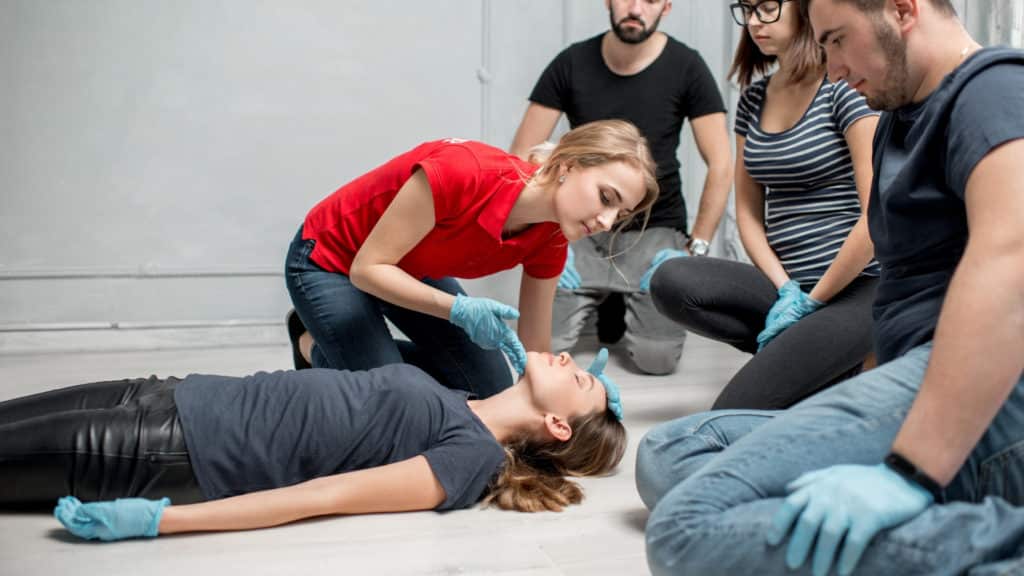
First Aid Training & CPR courses in Mississauga prepare you to help others. These courses are aimed to provide you the knowledge to help others in emergencies. These life-saving skills are invaluable because you are given the confidence to help anyone in a situation, whether they are involved in an accident or face a sudden illness.
Who is eligible for the recertification course?
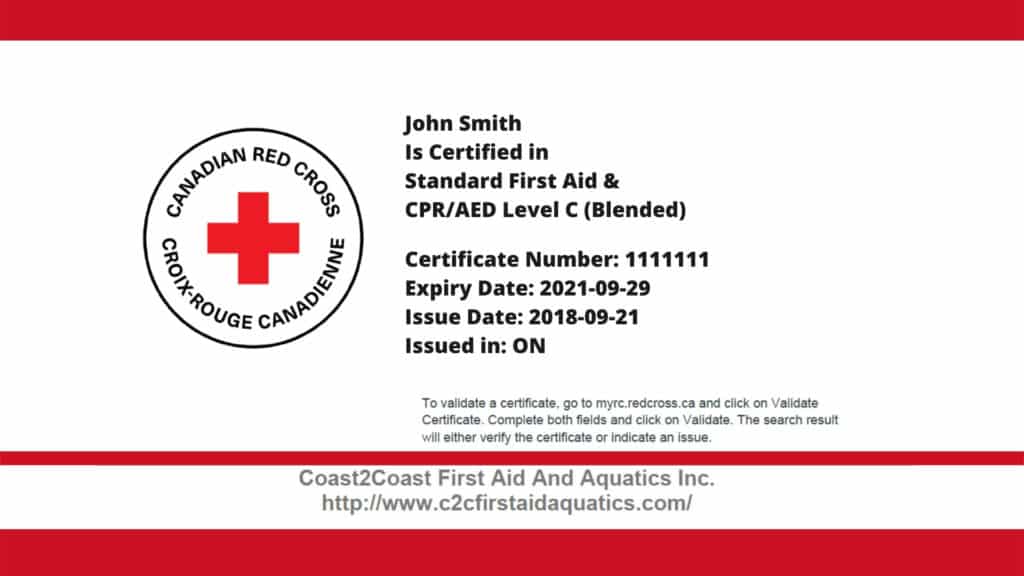
First Aid and CPR/AED certificates from the Canadian Red Cross expire after three years. You need to recertify your current certificate before it expires, otherwise, you need to do the full course again.
Recertification courses allow you to renew your training quickly and economically compared to the full training courses.
The criteria required to enroll depends on the level of training required. However, for all courses at Coast2Coast, including the one in Mississauga, you can only do the recertification certificate if you have a valid (not expired) Canadian Red Cross certificate.
If you have a CPR/AED Level C, there are no restrictions on how many times you can be recertified. This means that you can take a Recertification course again and again. On the other hand, the Standard First Aid & CPR/AED Level C can only be recertified once. After the first recertification, you need to take a full course again. Therefore, you are required to alternate between a full course and a recertification course. This is the best way to ensure you refresh and memorize your life-saving skills, while also learning about all the new techniques practiced since your last training.
Stay Certified, Stay Prepared in Mississauga!
Renew your skills with our recertification course and ensure you’re up-to-date with the latest techniques and protocols. Don’t let your certification lapse—our expert instructors are here to help you refresh your knowledge and confidence.
In the Coast2Coast recertification course, your knowledge is renewed and you are offered the chance to refresh your skills, ensuring you are always ready to help others.
During the Mississauga recertification program, your instructors highlight any changes in the curriculum. Usually, changes and new additions are made to the curriculum every three to five years. These changes alter how some things are done, and the recertification course remains critical to keeping you up-to-date with how to treat people and save lives.
What do you need for the Mississauga Recertification?
The only prerequisite for the Mississauga Recertification Course is a valid Canadian Red Cross Certificate. Below, you can read more about training courses that can or cannot be recertified:
For the Standard First Aid & CPR Recertification Course:
Your current valid certificate must be from the full training course from either the traditional two-day training or the Online Blended training. If your current certificate says “Recertification”, you DO NOT qualify for a Recertification course and you must register for the full course or the Online Blended course.
For the CPR/AED-C Recertification Course:
Unlike Standard First Aid, CPR/AED-C CAN be recertified as many times as you like.
For the CPR/AED-A Recertification Course:
CPR/AED-A certificates CANNOT be recertified.
For the Emergency First Aid & CPR Recertification Course:
The Emergency First Aid & CPR-C CANNOT be recertified.
Training Course Duration
Depending on whether you want a blended or traditional course, the time needed to complete the content is the same. At Coast2Coast, we are currently offering the Online Blended format of the course. In the blended course, you have an online component consisting of theory, knowledge, and interactive activities. At a later date, you will attend a shortened in-class session to practice hands-on skills. On completion, you receive your certificate.
Your online portion must be completed before your in-class date.
CPR-A – 3 hours online and 3 hours in-class
CPR-C – 3 hours online and 4 hours in-class
Emergency First Aid & CPR-C – 4 hours online and 5 hours in-class
Standard First Aid & CPR-C – 8 hours online and 8 hours in-class
Marine Basic First Aid & CPR-C – 8 hours online and 8 hours in-class
Get Registered for your Recertification Training in Mississauga
Ready to register for your Recertification course in Mississauga? Get started now! If you do not qualify for the Recertification training, check out our upcoming first aid training facility in the city of Mississauga. Regardless of your choice, you will learn amazing life-saving skills and earn a WSIB approved certificate, valid for 3 years. See you soon!
Register for First Aid Training
Register today for a First Aid Training course and learn how to deal with emergencies and keep your loved ones safe! Check out our facilities and book your spot now.
Choosing the right First Aid and CPR class is vital to ensure that your level of training matches you or your employer’s requirements. During your training, all the topics required are covered and you will receive hands-on training.
To pass the First Aid and CPR course, you are asked to take and pass a test. There are two sections to the test; the first is a written one with multiple-choice questions and the second is the practical examination.
Are you worried about what is asked during a First Aid and CPR test? Read on to feel confident!
Levels of First Aid and CPR Training
There are multiple levels of First Aid and CPR training. Each level has a specific test that goes along with it as they each provide different life-saving skills. Some of the course material does overlap between courses. For example, all of the material taught in CPR/AED Level C is also taught in Emergency First Aid and Standard First Aid. As you increase your level of training, you learn more skills. Here are the levels of training we provide at Coast2Coast:
CPR/AED Level A – learn how to assist adults only. This includes CPR, AED, shock, choking, stroke, life-threatening bleeding and more.
CPR/AED Level C – learn how to assist adults, children and infants. This includes CPR, AED, shock, choking, stroke, life-threatening bleeding and more.
Emergency First Aid & CPR/AED Level C – the lowest level of First Aid available at Coast2Coast, typically for people in low-hazard environments. Includes all of the information of CPR/AED Level C as well as wound care.
Standard First Aid & CPR/AED Level C – the most popular level of First Aid available. This 16-hour course covers all information from Emergency FIrst Aid & CPR/AED Level C, but also includes environmental illness, poisons and more.
Marine Basic First Aid – this is the highest level of First Aid training that is offered at Coast2Coast. It covers all of the material in Standard First Aid & CPR/AED Level C, but includes additional information regarding marine safety. This course is typically taken by students who work in the marine industry.
Coast2Coast has 24+ locations across Canada; for instance, if you are in the GTA area, you can attend a class in Mississauga, Brampton, Etobicoke, etc. We make sure to have a facility next to your area to stay closer to our community.
Practical Examination
The practical portion may seem intimidating, but if you pay attention to your instructor, you should have no issues! During a First Aid & CPR training course, there are many topics which are discussed. The practical examination is scenario-based. Here, candidates are told by the examiner what the problem with the person is, and they must perform various life-saving skills such as CPR, AED, bandaging and more. Candidates are graded throughout the day according to, for example, the way CPR is performed, the timing, and how the various techniques are executed. Examiners also note if the candidates perform the emergency action steps of Check, Call, and Care.
Students are also tested on how well they perform other skills such as choking. Can you demonstrate the various methods used to assist someone who is choking? Understand the use of back blows, abdominal thrusts and chest thrusts according to the Canadian Red Cross recommendations. This includes infant choking. The care you provide for a choking infant is different from an adult or child.
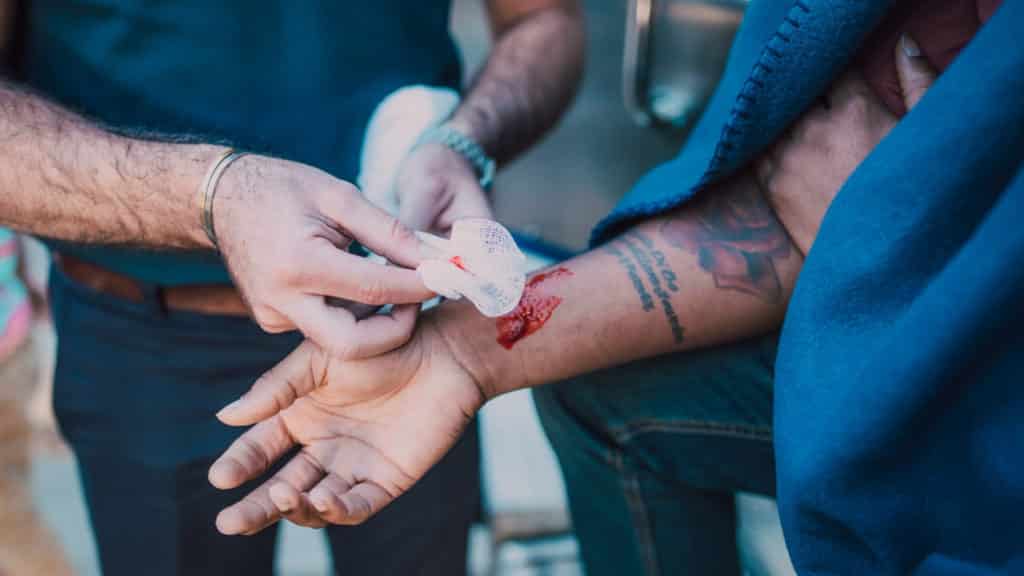
In addition to CPR and choking, many students must demonstrate wound care and splinting. Showing how to use triangular bandages for broken arms to life-threatening external bleeding is an important part of First Aid training.
To ensure you pass the practical examination, be sure to pay close attention. The practical portion may seem intimidating, but your instructor will walk you through everything. If you are ever confused, please ask questions! Instructors are there to help you. Their goal is to provide you with the skills and knowledge to leave feeling confident to save a life if needed.
Inquire about First Aid & CPR Training
Ready to start your First Aid and CPR training? Call our toll-free number to learn more about upcoming training courses near you!
At the end of your course, you will need to complete a multiple-choice test. The questions in the multiple-choice test depend on the course as followed:
CPR/AED test candidates are asked approximately 10 questions
Emergency First Aid test candidates are asked approximately 20 questions
Standard First Aid test candidates are asked approximately 30 questions
Participants require a score of 75 percent to pass the First Aid course.
Multiple-Choice Questions
Being prepared for certification testing requires some preparation. This is done by carefully studying the course material and paying attention during the course. There are a couple of ways to prepare for your First Aid and CPR training exam, such as:
Reading and reviewing the textbook
Completing practice questions in our study guide
Need Extra Help Studying?
Preparing for your First Aid and CPR course doesn’t have to feel overwhelming. While your instructor will guide you through everything you need to know, some students find it helpful to have extra support as they study. That’s where our optional Study Guide comes in.
This guide is designed to reinforce key course concepts, highlight important takeaways, and give you practice questions that mirror the style of what you’ll see during your exam. It’s a great way to boost your confidence and stay focused—especially if it’s been a while since you last studied.
Students who use the Study Guide often tell us they feel more prepared walking into class and appreciate having something to review afterward as well. It also includes one free course retake if needed, giving you extra peace of mind.
If you’re the type of learner who likes to review on your own time or just wants that extra edge, the Study Guide might be a great fit for you.
Here are some helpful materials to review before your test. If you want a more structured way to prepare, check out our Standard First Aid CPR/AED Study Guide, designed to help you feel confident and ready for certification.
Study Smarter, Not Harder
This guide is packed with essential information, tips, and practice content to help you succeed in your certification test.
One of the most effective tools for learning and remembering life-saving skills is the use of acronyms. In high-pressure situations, it’s easy to forget the finer details. Acronyms give you a simple, structured way to recall what to do, and in what order. Whether it’s to get a better understanding with SAMPLE or walking through the steps of CPR using ABC (Airway, Breathing, Circulation), these memory aids are designed to make critical actions feel more automatic.
Acronyms aren’t just for passing your exam—they’re tools that stick with you long after your course ends. They help reduce hesitation and increase confidence when every second matters. In our training, we cover the most commonly used acronyms and explain how to apply them in real-life emergencies. Understanding what each letter stands for can make a huge difference when you’re called on to help.
What is RICE?
Rice is the popular acronym for treating sprains, strains, dislocations or fractures. If you notice swelling, bruising, bones sticking out of the skin, etc., then you may need to apply the RICE method.
Rest – ensure the person rests in a comfortable position
Immobilize – try not to move the injured area as much as possible
Cool – it is important to keep the injured area cool for about 20 minutes every hour
Elevate – keep the injured area elevated unless it increases the pain
Boost Your Life Saving Skills
Join over 150,000 people this year and learn First Aid and CPR skills at Coast2Coast!
This is the acronym given to the steps commonly used to question a patient offering the first aid worker a better understanding of what is going on. It is important to gather this information so you can treat the patient accordingly. This is part of your secondary assessment and should be done after life-threatening conditions have been taken care of.
Signs/symptoms
Allergies
Medication
Past Medical History
Last oral intake (this is food or water)
Events leading up to the incident
Once you finish asking SAMPLE questions, you can check the patient’s vital signs. This includes level of responsiveness, how they are breathing and how their skin is reacting (wet, dry, colour, temperature). After completing vitals, you may perform an injury check. This is where you can identify injuries that were not found during your primary assessment.
ABC
In the world of first aid and CPR, ABC is the most popular acronym.
Airway – ensure the patient’s airway is open. If they are unresponsive, you can perform a head-tilt/chin-lift. If they are speaking, crying, or moaning, then their airway is open.
Breathing – watch their breathing for about 10 seconds. You can do this by placing your head near their mouth (to hear or feel breaths) and looking down towards their chest (to see if their chest rises and falls).
Circulation- check head to toe for any life-threatening bleeding.
If the person is occasionally gasping for air, they may be experiencing a reflex called “agonal respiration.” This is irregular and you should provide care as if the person is not breathing.
Learn additional life-saving acronyms in a First Aid & CPR training course!
The acronym “FAST” is used to determine if someone is suffering/has suffered from a stroke.
Face – is there numbness or weakness (specifically on one side) in the face?
Arm – is there numbness or weakness (specifically on one side) in the arms?
Speech – trouble speaking or understanding others, loss of speech, etc.
Time – call 911/ems as soon as possible (and get an AED)
Level of Consciousness
LOC or Level of Consciousness assessment is important in emergencies because it helps responders take the right course of action required during an emergency.
Get Prepared to Save a Life!Your knowledge is valuable when it comes to assisting others with emergencies. Be prepared for anything.
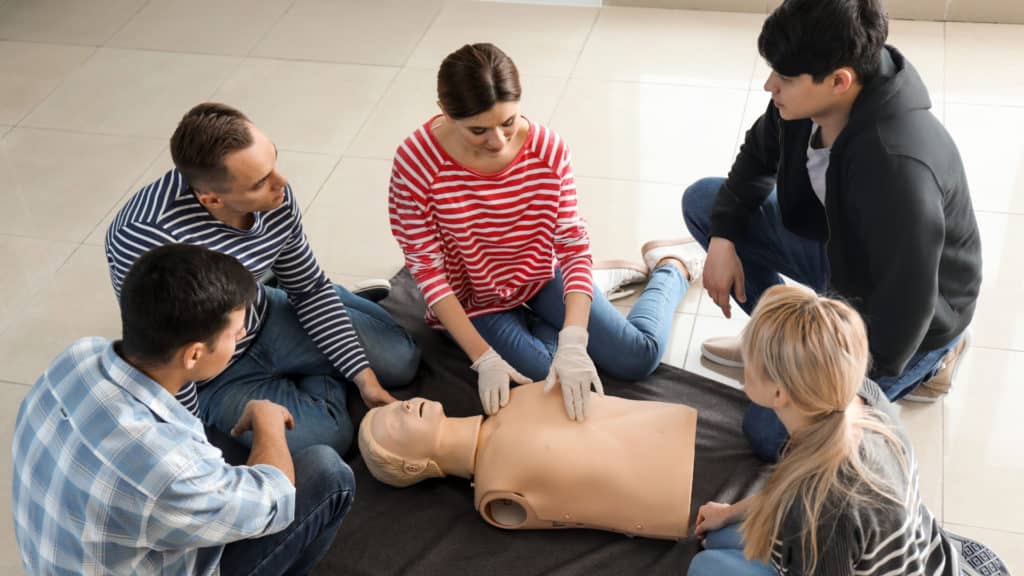
Cardiopulmonary resuscitation or CPR is vital for people not breathing normally. Test participants are quizzed on how it is administered and whether it must be applied before or after calling emergency services. They are also questioned on the ratio of chest compressions, and how they differ if there is two-person or one-person CPR for adults, children and infants.
When providing CPR, the ratio of compressions to breaths is 30:2. Continue providing CPR until help arrives or until you are too tired to continue. If you are alone, call 911 and get an AED before starting CPR. If someone else is with you, ask them to call 911 and get an AED while you begin your assessment and CPR.
CSM
Assessing pain and pressure areas in a patient, even if they cannot communicate this, can be assessed by noticing several behavioural patterns.
Summary of Important Concepts in First Aid and CPR Course
Chapter 1 The Red Cross
Regarding the fundamental principles of the International Red Cross, several key values align with the core of their noble mission: “Imagine a powerful force of compassion, unity, and aid, working tirelessly to provide help where it’s needed most.”
Principles
While studying the first chapter of the Red Cross Comprehensive Guide, make sure to go through the seven principles;
Humanity: At the heart of the Red Cross movement is an unwavering belief in the inherent worth of all human beings. It is the realization that, regardless of our differences, we all have a common bond as part of the global family. The movement seeks to alleviate suffering and promote dignity through acts of kindness and compassion.
Impartiality: Imagine a world where help is provided without prejudice or discrimination. That’s what the Red Cross movement stands for. It is based on the principle of equity and ensures that assistance is provided solely based on need without favour or bias. This is a potent reminder that compassion knows no boundaries and treats everyone equally regardless of background.
Neutrality: In a world filled with conflict and division, the Red Cross movement embodies the value of neutrality. As guardians of peace and goodwill, it remains impartial on political, religious and ideological matters. Moreover, neutrality allows the movement to act in difficult situations, promoting trust and respect while reaching out to those in need.
Independence: Imagine an organization free from outside influence and guided only by its humanitarian mission. This independence allows the Red Cross to act on its principles without being swayed by external pressures. This is a critical aspect of ensuring that the organization can autonomously serve humanity and make decisions in the best interests of those it serves.
Voluntary Service: The Red Cross thrives on the spirit of voluntary service in which individuals selflessly give their time, skills and energy to help others. Volunteers are the movement’s lifeblood, playing a vital role in providing first aid and resuscitation, supporting communities in crisis, and spreading the message of humanity.
Unity: Imagine a global network of individuals, organizations, and societies united under a common mission. The Red Cross expresses this remarkable unity by bringing together different cultures, backgrounds and perspectives. Through collaboration and cooperation, its impact is amplified and acts as a powerful force for good in a world that craves solidarity.
Universality: The International Red Cross sustain that all societies have equal status and share similar responsibilities and duties in helping others.
These core principles guide the International Red Cross and shape its actions, inspiring millions to join its humanitarian causes. They represent the essence of compassion and remind us that together we have the power to change the lives of others positively.
Symbols
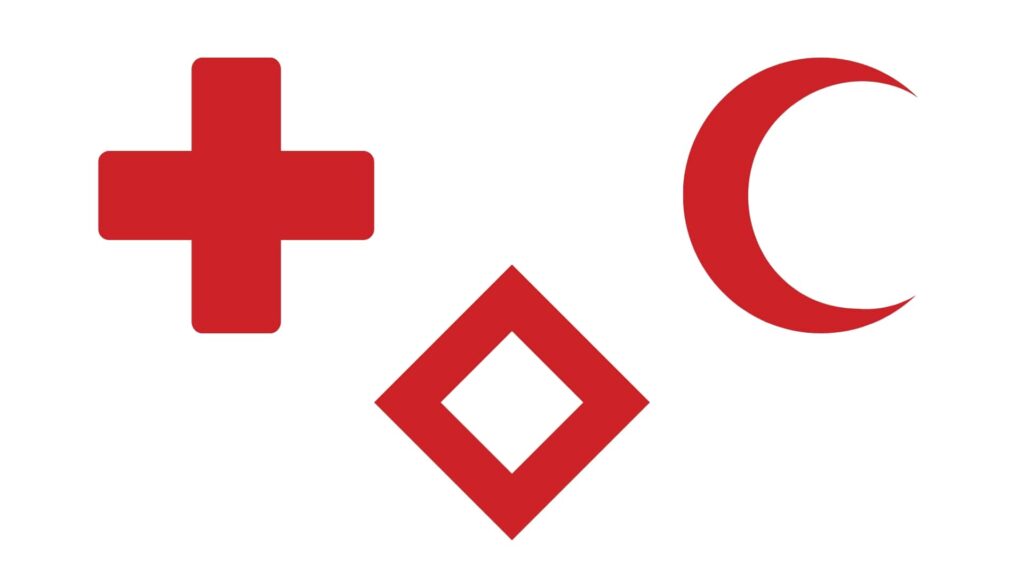
The International Red Cross and Red Crescent Movement has three official symbols: Red Cross, Red Crescent, and Red Crystal. All three symbols have the same meaning and are considered equivalent under international law. Each country chooses one of these symbols to represent their activities and help identify military medical services in armed conflicts. The emblems protect Red Cross personnel who provide assistance and protection in wars.
Chapter 2 of the Comprehensive Guide for First Aid and CPR by the Red Cross focuses on responding to emergencies and cover some important topics for you to know before sitting for the First Aid/CPR test.
This chapter presents the foundation for understanding the ethical and practical aspects of providing effective and timely first aid.
Obtaining Permission
As a First Aider, obtaining permission to provide assistance is crucial. You must remember that every person has autonomy and the right to make decisions about their well-being; therefore, as a future first aider, you must respect it. Before initiating any medical intervention, and if it is possible, the first aider must always seek consent from the patient. You can obtain permission from the patient by explaining the situation and focusing on the potential risks and benefits involved. If the injured patient cannot communicate or is unconscious, consent is implied, and as a first aider, you can proceed with the necessary assistance.
Chain of Survival
The chain of survival concept represents a series of critical actions that, if performed on time and following the sequence, can significantly improve the chances of survival for someone experiencing a life-threatening emergency.
Four Links
The chain of survival consists of four links: Early recognition and activation of emergency medical services (EMS), early cardiopulmonary resuscitation (CPR), early defibrillation, and early advanced medical care.
Early recognition and activation of EMS points out the importance of recognizing the need for medical assistance and alerting emergency medical responders on time. As a first aider, you will need to know the signs of a medical emergency and the need to ask for professional medical assistance.
Cardiopulmonary resuscitation (CPR) is a life-saving technique that helps maintain the blood flow and oxygenation to vital organs until advanced medical care arrives. Providing early CPR could be crucial in saving a patient. As a first aider, you will learn different CPR techniques, including chest compressions and rescue breathing.
The third link is early defibrillation. As a first aider, you will learn how to use an automated external defibrillator (AED) to restore a normal heart rhythm in a patient with cardiac arrest. AEDs can be found in several locations in your community and are user-friendly devices that can make a difference in an emergency.
The fourth link is early advanced medical care. This link refers to transferring the patient to a healthcare facility for specialized medical treatment. As a first aider, you can aim to stabilize the patient in an emergency, but still, the individual must be revised by professionals to provide comprehensive treatment.
Roles and Responsibilities of a First Aider
As a first aider, you will undergo specific training to provide immediate emergency assistance. Your role will be vital in stabilizing an injured person’s condition until professional medical help arrives. In general, first aiders prioritize their safety and the safety of others while assessing an emergency, providing immediate assistance and assisting with the activation of EMS.
Chapter 3 of the Comprehensive Guide for First Aid and CPR by the Red Cross covers the essential skills and knowledge required to provide effective first aid. Throughout this chapter, you must know concepts like “Check, Call, and Care,” assisting a person with medication, conducting a focused examination, and managing shock.
Check, Call, and Care Approach
This approach is a systematic framework for responding to an emergency. The first thing would be checking the scene for potential hazards and ensuring personal safety before proceeding to help the injured or ill person. After you check the scene comes the patient’s assessment. As a first aid, it is crucial to check vital signs as well as if the individual is responding and breathing. If the patient is responding and has no life-threatening conditions, you can proceed to provide appropriate care based on the patient’s need. On the other hand, if the person is unresponsive or not breathing normally, the first aider must call for emergency medical assistance and initiate CPR.
Assisting a person with medication
There are some situations where individuals require medication to manage a specific condition or emergency, such as an asthma attack or severe allergic reaction. In these cases, first aiders must assess the situation and obtain information about the patient’s medication, following the prescribed plan and assisting them in taking the appropriate dosage.
Focused examination
Another aspect you need to know for the test is the importance of conducting a focused examination. As a first aider, you must learn how to assess injuries and abnormalities while maintaining the person’s comfort and to communicate the situation to emergency medical professionals effectively.
Shock Management
Shock is a life-threatening condition resulting from various medical emergencies such as severe bleeding, trauma, and allergic reactions. First responders should recognize the signs and symptoms of shock and apply their knowledge to manage it while monitoring vital signs before the emergency specialists arrive.
Get Ready to Check, Call and Care in a CPR Training Course
Chapter 4 of the first aid guide equips first aiders with the necessary knowledge and skills to intervene effectively in situations involving choking in adults, children, and infants.
Regarding choking in adults, the guide recommends first responders encourage the patient to cough forcefully to dislodge the obstruction. If the person cannot cough or speak, the first aider should perform abdominal thrusts or Heimlich maneuvers until medical help arrives.
For choking in children, the approach differs slightly due to their smaller size and developing anatomy. In these cases, you should encourage the child to cough and deliver back blows and chest thrusts to help clear the airway obstruction.
Choking in infants requires a different approach altogether. The guide points out the delicate physiology of infants; therefore, it is vital to support the infant’s head and neck while delivering back blows and chest thrusts.
Chapter 5 Circulation Emergencies:
Chapter 5 of the First Aid guide provides essential information on responding to heart attacks, strokes and life-threatening bleeding. As a first responder, you must learn how to recognize the signs and symptoms of these emergencies, take immediate action, activate EMS, and provide appropriate assistance.
Heart Attacks
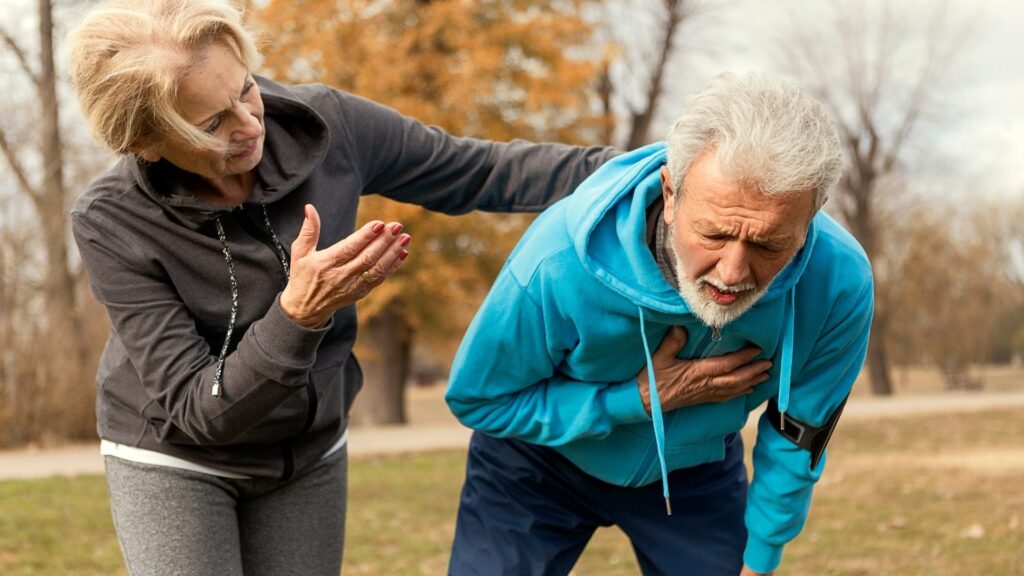
In general, heart attacks occur when the blood flow to the heart is blocked due to a clot in a coronary artery. The guide mentions several signs and symptoms to help you recognize a heart attack, like chest discomfort, shortness of breath, pain radiating to the arm or jaw and nausea. In a heart attack situation, the first aider should activate the emergency medical services immediately and help the person sit or lie down in a comfortable position. CPR should be started if the person is unresponsive and stops breathing normally.
Strokes
Strokes happen when blood flow to the brain is interrupted. In this section, the guide introduces the acronym FAST, which means Face, Arms, Speech and Time. This acronym is very helpful in remembering the signs and symptoms of strokes: face drooping, arm weakness, slurred speech, and the necessity of acting and seeking medical attention immediately. As in the case of a heart attack, first aiders should activate EMS, help the person get in a comfortable position, and, if the person becomes unresponsive, start CPR.
Life-Threatening Bleeding
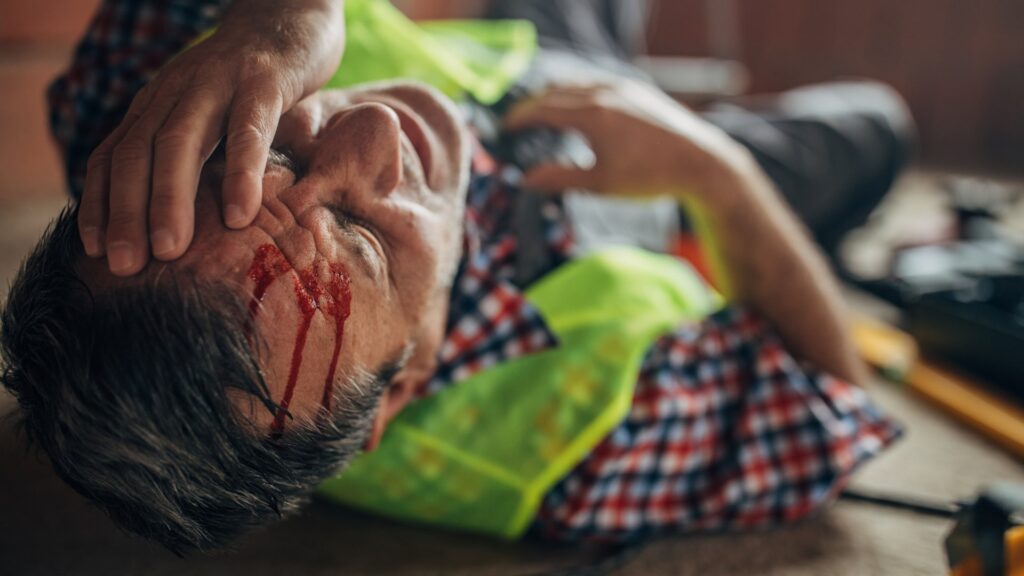
Some accidents may cause internal or external injuries with life-threatening bleeding. Therefore, the guide emphasizes the importance of quickly controlling bleeding to prevent severe blood loss and shock. The steps you need to follow to control life-threatening bleeding are;
Apply direct pressure to the bleeding site using a sterile dressing or cloth.
If possible, elevate the injured area
If it’s severe bleeding, use tourniquets or improvised pressure points
Monitor the patient’s condition until medical help arrives.
Be a Hero in an Emergency
Enroll in our First Aid and CPR training course and be prepared for any emergency that comes your way!
Chapter 6 of the first aid guide reviews the aspects of cardiopulmonary resuscitation (CPR) and the use of AEDs in emergencies.
CPR speed
As a first responder, you must know that CPR should be performed at the correct speed and depth of compressions. To sit for the first aid exam, remember that the recommended compression rate is at least 100 to 120 compressions per minute. Steady and consistent compressions aim to ensure adequate blood flow and oxygenation to the vital organs.
Compression depth
As per compression depth, the professionals suggest that to generate enough pressure to circulate blood effectively, chest compressions should be at least 2 inches (5 centimetres) for adults and children and approximately 1.5 inches (4 centimetres) for infants.
Compression-to-ventilation ratio
Moreover, the guide highlights that to ensure a balance between providing oxygen to the patient’s lungs and maintaining circulation through chest compressions, you must provide 30 compressions to 2 breaths for adults and children.
AED
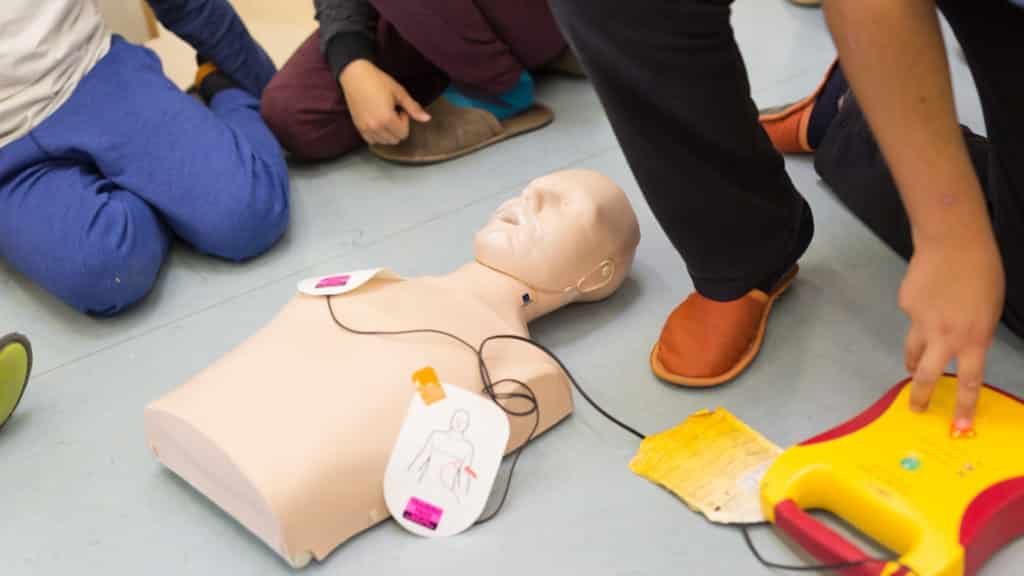
Recapturing the chain of survival, early defibrillation plays a crucial role in cardiac arrest cases. Thus, going through the clear instructions on how to use AEDs effectively, including the proper placement of electrode pads, following voice or visual prompts and ensuring the rescuer’s safety and the surroundings, are topics you need to remember in the first aid test.
Finally, the guide sustains the importance of continuous assessment and reassessment during CPR and using AEDs. As first aiders, check signs, responsiveness, and breathing while performing CPR.
Understanding emergencies is vital for first aiders to intervene promptly and potentially prevent severe complications. Chapter 7 refers to breathing emergencies, focusing on asthma and anaphylaxis.
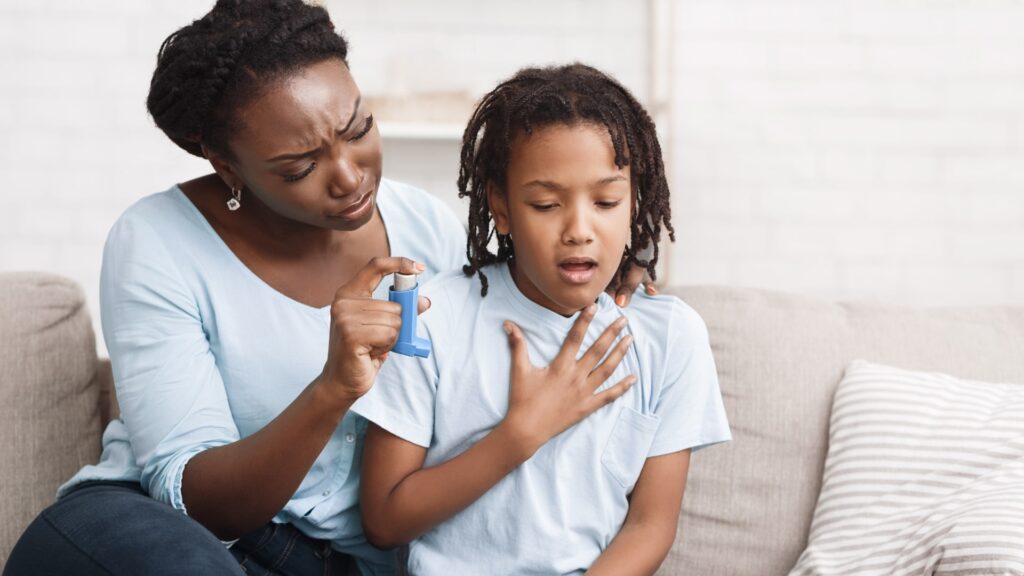
Asthma is a chronic respiratory condition characterized by the narrowing of airways. The guide highlights this condition’s common signs and symptoms, such as wheezing, coughing, shortness of breath and chest tightness. To assist a person suffering from an asthma attack, you should look for their prescribed asthma medication, help them get to a comfortable position and try to remain calm. In the case that the patient’s condition is worsened, activate emergency medical services.
Further, the guide addresses anaphylaxis, which is a severe allergic reaction that can be life-threatening. The signs and symptoms of this reaction could be difficulty breathing, swelling of the face or throat, hives and a rapid heartbeat. For this case, the first aider is recommended to call emergency services immediately and, in the meantime, help the person use their prescribed epinephrine auto-injector, if available.
Regarding wound care, chapter 8 of the Red Cross guide covers many common injuries and conditions that first aiders may encounter, including bandaging guidelines, burns, splinters, nosebleeds, knocked-out teeth, and crush injuries.
This is an essential section for you to review while studying for the First Aid test, and remember the step-by-step instructions on assessing and managing injuries effectively.
Bandaging Guidelines
In this section, the guide highlights the importance of using sterile dressing and applying pressure to control bleeding. As a suggestion, follow the instructions on cleaning and dressing wounds appropriately and securing bandages to provide support and protection.
Burns
Burns can be categorized into first-degree, second-degree, and third-degree burns. The variety of the degrees roots on the severity of the burn, and the guide mentions recommendations for immediate first aid, such as cooling the burn with cold water and covering it with a sterile dressing. As a side note, seek medical attention for severe burns or burns involving sensitive body areas.
Splinters
The guide covers step-by-step instructions for safely removing splinters using tweezers and proper hygiene practices to prevent infections. It also suggests seeking professional medical help.
Nosebleeds
Another point you should write down for your first aid exam is how to manage nosebleeds. According to the guide, you should sit the patient upright, leaning slightly forward and pinching the nostrils together to apply pressure. If the bleeding persists or if there are other concerning symptoms, make sure to seek medical help.
Knocked-out Teeth
For knocked-out teeth, the guide emphasizes addressing the injured patient on time. In these cases, you should carefully handle the tooth without touching the root and preserve it in propolis, egg white, coconut water, whole milk or saline until the patient gets to the dentist.
Crush Injuries
Finally, you should go through the crush injuries section. The guide highlights the importance of removing the person from the crushing force if the object is crushing the person’s head, neck, chest or abdomen. In every case, the first aiders must call EMS while monitoring vital signs.
Head and neck injuries are considered severe because of their relationship with the spine. Thus, chapter 9 presents some common causes of head, neck and spinal injuries and different ways to prevent them.
How to Care for Head, Neck and Spinal Injuries?
The guide lists some steps to manage these types of injuries, starting with restricting the movement of the affected zone until EMS personnel arrive. The individual must stay in the same position where they were found unless there’s an immediate danger. If fluids start coming out of the ear canal or draining from the ear, let the fluid drain and do not move the person; once it stops draining, cover the ear loosely with a sterile dressing.
In some cases, head, neck and spinal injuries are related to brain injuries. Concussions are a type of traumatic brain injury that can occur due to a blow or jolt to the head. Understanding the signs and symptoms of a concussion is crucial if you are planning to sit for the first aid test.
Some common signs and symptoms (may appear immediately after the injury or may be delayed) of a concussion include;
Headache
Dizzinies
Confusion
Memory problems
Nausea or vomiting
Sensitivity to light or noise
Changes in mood or behaviour
As first aiders, the guide suggests assessing the person’s condition by asking specific questions about their symptoms and observing their behaviour. It is recommended to keep the person in the same place the accident occurred unless there is further danger and inform immediately to medical professionals. Concussions are serious injuries and should not be taken lightly; the patient should have proper physical and mental rest and avoid activities that may worsen the symptoms.
Be the Difference Between a Tragedy and a Life Saved
Regarding Chapter 10, first aid students must remember what to look for in bone, muscle and joint injuries. These injuries’ common signs and symptoms may include pain, swelling, deformity, limited range of motion, and difficulty bearing weight or using the affected limb. When moving or manipulating the wounded limb, every first aider is encouraged to assess the injured area with extreme caution. The injury should be treated using the RICE method:
Rest: Limit the patient’s activities and suggest resting the injured body part.
Immobilize: Try to immobilize the injured area in the position in which it was found by creating a splint.
Cool: To reduce swelling and pain, cool the injured area for 20 minutes every hour for up to 48 hours.
Elevate: Keep the injured area above the level of the heart.
Furthermore, the Red Cross advocates that these types of injuries should be treated by applying splints until the person gets medical help. Commercial splints are always the best option, but other improvised splits, such as rolled-up newspapers, magazines or scarves, are helpful too. Also, the guide outlines how to apply and secure splints and the importance of checking for proper blood circulation and monitoring the patient’s condition.
Chapter 11 Sudden Medical Emergencies:
Chapter 11 of the Red Cross guide covers a variety of sudden medical emergencies that you should study for your test, including diabetic emergencies, seizures, mental health crises and childbirth. This section explains how to recognize the signs and symptoms of these conditions and offers guidance on appropriate first-aid responses.
Diabetic Emergencies
As stated in the guide, there are two types of diabetes, hypoglycemia (low blood sugar) and hyperglycemia (high blood sugar). In most case scenarios, diabetic emergencies happen because of an imbalance between two or more exercises, food intake, medication and insulin production. For you to recognize a diabetic crisis, the signs and symptoms are:
Changes in the level of responsiveness
Changes in behaviour, such as confusion, irritability, or aggression
Rapid breathing
Cool, sweaty skin
Skin that is paler than normal
Appearance of intoxication
Feeling and looking ill
Seizures
If you encounter a diabetic emergency, the guide sustains that the first aider should provide the patient with a source of sugar or assist with their insulin administration. If the person’s condition does not improve within 10 minutes of having sugar, you should call the emergency services.
Seizures
Seizures are episodes of abnormal electrical signals in the brain that result in temporary and involuntary disturbances in brain functions, shaking or contraction of limbs, changes in sensations, shifts in behaviour, and altered levels of responsiveness.
In general, there are many causes of seizures; one is epilepsy, but others can be fevers or infections, head injuries, heat stroke, and poisons. As a first aider, you can tell a person is having a seizure because they will start hallucinating, their eyes may begin rolling upwards into the head, and they won’t be able to control muscle movement.
The appropriate care for an individual having a seizure is creating a safe environment by moving furniture and other objects that could cause injury and, if possible, rolling the person onto their side. If the patient is having their first seizure or if it lasts longer than five minutes, you must inform medical professionals.
Mental Health Crises
In general terms, mental health conditions are difficult to identify; they may go unrecognized unless the person shares the information with you. Some examples of mental health conditions may be panic attacks or acute anxiety.
If you ever encounter an individual going through a mental health crisis, try to reduce distractions and encourage the person to sit down to promote conversation. You should use your soft skills to keep the person calm, listening empathetically and acknowledging their feelings and emotions without judgment. If the person poses a risk to you or others, you should call 9-1-1 immediately.
Childbirth Emergencies
As a first aider, you should acknowledge that childbirth is a natural process and the woman’s body knows what to do; your role will be to support the mother’s comfort, recognize signs of complications, and contact emergency medical services for professional assistance.
Chapter 12 of the Red Cross guide covers environmental illnesses such as heat and cold-related emergencies. Understanding how to respond to these emergencies is crucial for first aiders to provide immediate assistance and prevent further harm.
A warm/hot environment may cause an individual to experience heat exhaustion and heatstroke. You should look for signs and symptoms of heavy sweating, weakness, dizziness, nausea, confusion and potential loss of consciousness. If you ever encounter an individual with heat exhaustion or heat stroke, the guide recommends moving them to a cooler environment, providing them with fluids and loosening any restrictive clothing. If the person’s condition worsens or if they do not improve after primary care, seek medical assistance.
A cool/cold environment may cause a person to experience hypothermia and frostbite. The signs and symptoms you should look for may include shivering, confusion, slurred speech and loss of coordination. For frostbite, the guide points out the presence of pale or blue skin, numbness and a waxy appearance. If you ever encounter an individual with hypothermia or frostbite, move them to a warm environment, removing wet clothing and providing them with warm, non-alcoholic fluids. If you see that the situation doesn’t get better, call 9-1-1.
Some recommendations for preventing heat and cold-related emergencies are:
Stay hydrated
Wear appropriate clothing
Avoid prolonged exposure to extreme temperatures
Monitor people in high-risk situations, such as athletes, outdoor workers and the elderly.
Finally, chapter 13 of the guide for first aid and CPR covers important topics related to poisons, how to recognize the signs and symptoms and what to do as a first aider.
According to the Red Cross, a poison is a substance that harms the body if it is inhaled, swallowed, absorbed or injected and can be life-threatening if they affect breathing or circulation.
There are four types of poisons;
Swallowed Poison: Enters the body through the mouth, lips, esophagus or stomach. E.g. drinking bleach.
Absorbed Poison: Enters the body through the skin. E.g. plants or chemicals.
Injected Poison: Enters the body through bites, stings or needles.
Inhaled Poison: Is breathed into the body. E.g. carbon monoxide.
Moreover, the guide recommends preventive measures to avoid poisoning emergencies, such as keeping medications out of the reach of children, wearing appropriate protective clothing while manipulating poisonous substances, run gas and other combustion engines only in open areas, among others.
If the poisoned individual is not breathing, it is recommended to start CPR taking the proper measurements so you don’t contaminate yourself with the poison. If the poison was absorbed through the skin, wash the area with water for at least 15 minutes and remove any clothing covered with poison. In every case scenario, encourage the individual to seek medical attention and call the EMS personnel.
Tick Bites
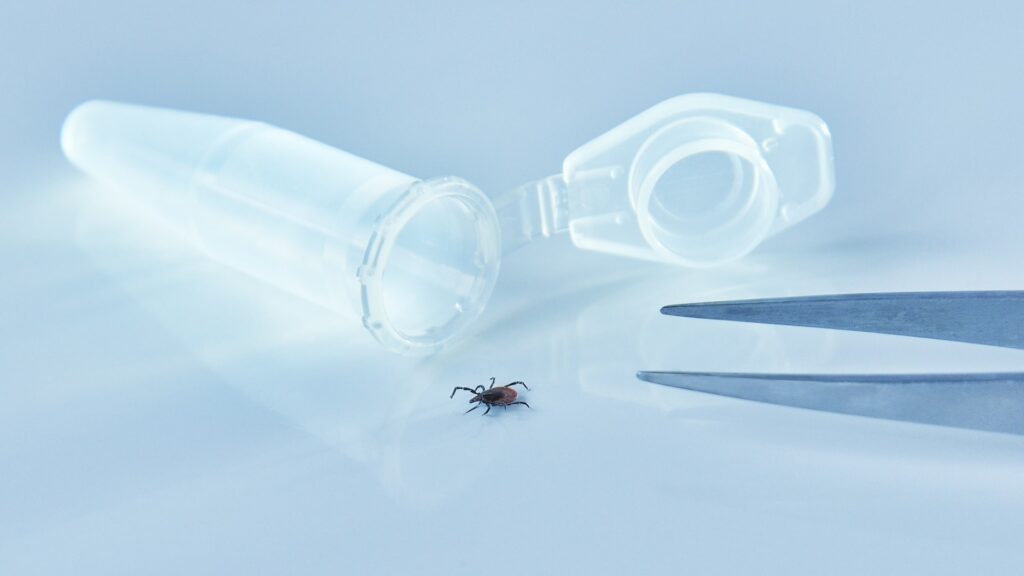
The guide covers bites and stings from numerous animals and insects, but you should pay special attention to the tick bites while studying for your test. Ticks can be found in wooded, bushy areas, tall grass, and leaf litter on the ground; they can attach themselves to any warm-blooded animal that comes in contact with them. These insects can cause serious illnesses, such as Lyme disease.
The guide emphasizes the safest way to remove attached ticks is using tweezers, grasping the tick by the head as close to the skin as possible and pulling upward slowly and steadily without twisting until the tick releases its hold. Afterwards, wash the area with clean tap water to clean the wound. Save the tick in a resealable bag and record the bite date. Suggest the person monitor the bite for several days in case it gets infected and recommend the person seek medical attention.
Snakebites
Usually, snakes live in rock outcrops, swamps, undergrowth and abandoned human structures. Most Canadian snakes are non-venomous except for the Northern Pacific Rattlesnake, Massasauga Rattlesnake and Prairie Rattlesnake.
To prevent snakebites, the guide suggests wearing proper footwear, watching where you put your feet when hiking, and not aggravating a snake. If someone gets bitten, you will notice a pair of puncture wounds in the skin, localized redness of the skin and pain and swelling in the area of the bite.
The steps to follow in a snakebite emergency are:
Keep the injured site still and level with the heart.
If the bite is on a limb, remove any jewellery before it swells.
Wash the wound with water.
Cover the bite with a clean, dry dressing.
Call 9-1-1 and get an AED if possible.
There may also be additional questions specifically about the Red Cross if you complete your training with Coast2Coast or another Red Cross training partner. Keep in mind that tests do change and course material may be updated as the years go by. First Aid and CPR skills do evolve over time and professionals learn new and improved techniques to help save lives. This is why it is important to complete Recertification courses!
Conclusion
Candidates who plan to complete their training with us at Coast2Coast will learn a wide variety of life-saving skills. Upon successful completion, you will receive a Canadian Red Cross Certification. Once they earn their certificate, they will be ready to use their life-saving skills! Keeping up-to-date with first aid training helps to ensure that responders are aware of all the latest tips and techniques required to help people in all types of emergencies.
So what are you waiting for? Get registered for a First Aid and CPR training course today at one of our training facilities in Ontario.
Register for First Aid & CPR Training
Choose from any of our locations across Ontario or Alberta and gain the knowledge and skills to save a life!
As Canadians, most of us like to visit beaches, lakes, and swimming pools especially in summer time. Afterall, we don’t get too much of the warm weather so we would like to take full advantage of it.
Here at Coast2Coast swim, we are extremely passionate about swimming and all water activities; and we encourage everyone to also get involved with these activities. Swimming has always been one of the best ways to stay in shape for people of all ages, to stay active, and finally a fun activity to enjoy no matter if you are by yourself or with friends and family. That is why we take pride in teaching our community how to swim and stay safe in and around water.
Coast2coast Swim offers a variety of options from public swimming classes, to private at home (mobile) swimming lessons. This allows our customers to find the most convenient and cost efficient.
However, the question we get from time to time is “can you teach yourself how to swim?”
In short, yes. But you should know that we strongly suggest for you to sign for a training or class either at Coast2Coast swim or another reputable swimming school. This is to make sure you learn the fundamentals of swimming in the right way and that you can enjoy the water in a safe manner at all times.
Teaching Yourself to Swim
Here is our suggestion on how you can try to teach swimming to yourself. Please be aware these are only suggestions and we can not guarantee your safety or skills. Swimming can be challenging. Here we go:
Start practicing your swimming in a safe environment like the shallow end of a supervised swimming pool. Never go to the deep end of the pool or swim in moving water without supervision. If you are tired, don’t practice.
The easiest stroke to learn is the front crawl. Once mastered, you can learn the three other strokes – backstroke, butterfly, and breaststroke.
1.The First Step
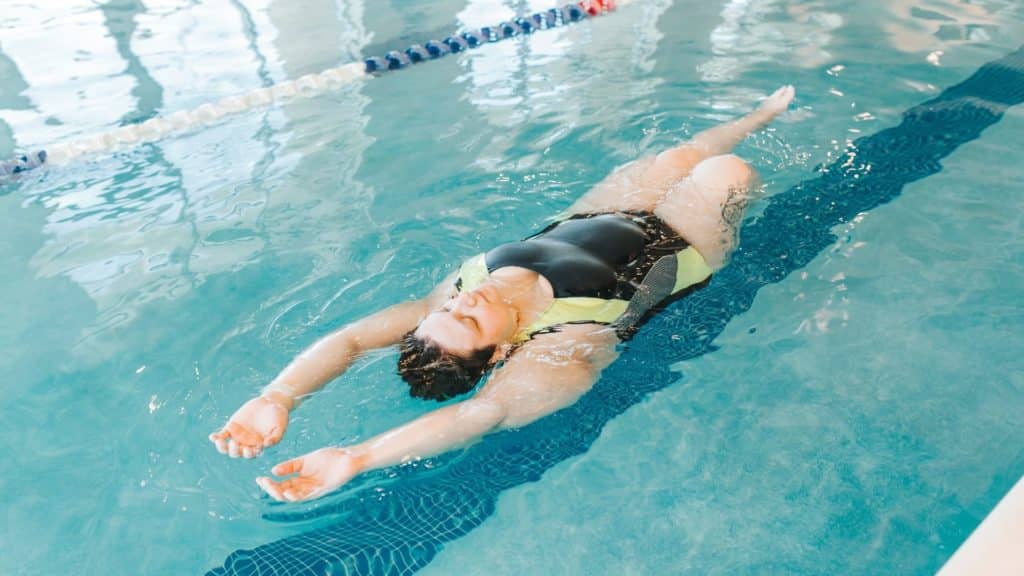
Standing with your back against the pool, take a deep breath, lean your waist until your face is completely in the water and your ears are at the waterline. You must hold this position for 2 seconds before turning your head to one side, exhaling into the water. Now you can return to the starting position. Practice doing this a few times.
2.Learning to Inhale and Exhale
Start by holding your arms out to your side, fingers together and palms down. Now, take a deep breath, lean forward, and placing your face in the water, bring your right arm up and out of the water to your front.
As your hand contacts the water, pull your arm straight down, making a circular motion underwater and taking your hand behind you and to your right side. At this point, your palm should be facing up. Without lifting your head, turn it to the right and draw a new breath through your mouth. Now turn your head back and exhale through your mouth or nose with your face in the water.
3.Practicing the Strokes and Breathing
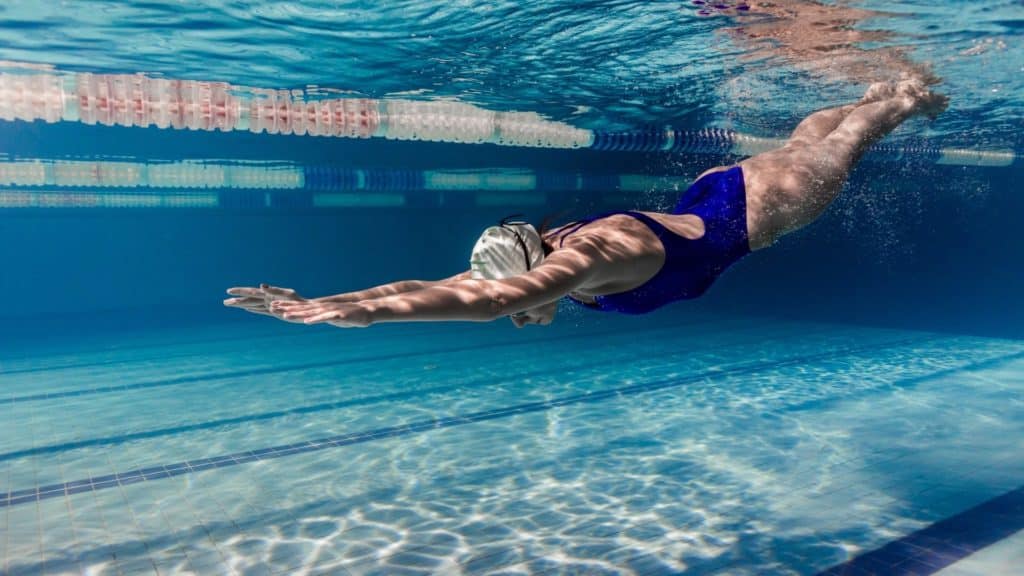
Aim to practice the stroke and breathing exercise until you can complete one stroke with each arm and one complete breath without needing to lift your head out of the water. The idea is stroke – stroke – breath. When swimming, your arm movements propel your body, while kicking your legs prevent you from sinking.
Keep your strokes regular, and avoid looping underwater because once you are swimming, you will have to work harder to cover the same distance. The closer your body is to the surface, and the flatter it is, the less work you must do. Additionally, when you bring your arms out of the water, a flat circular motion helps save more energy than bringing them overhead.
4.Learning to Kick
Facing the side of the pool, place both your hands on the edge and extend your arms. Lift both your legs together until your arms, body, and legs are facing away from the edge in a straight line. Turning your head to one side, draw a breath through your mouth without lifting your head straight up.
With your knees held straight, kick your legs quite fast from the hip, making the smallest possible splashes. At no point should your feet come out of the water. While you are doing this, exhale underwater, as you learned earlier. Continue practicing kicking and breathing until you are comfortable doing both simultaneously.
5.Going to the Opposite End
You are now ready to go across the shallow side of the pool. Facing across the shallow end, stand with your back to the side of the pool. With bent knees, extend your left arm to the front, and taking a deep breath, let your legs help push you from the side. At the same time, put your head in the water, taking a forward stroke with your right arm as your legs start kicking.
6.Achieving Width Lengths
Now you can continue kicking, while also concentrating on your strokes and breathing. Make sure you are bringing each hand back to your side as you reach out to make a stroke with your other hand. As mentioned earlier, your swimming pattern should be a stroke with each arm and then a breath. Practice this until you can swim the whole width of the pool without needing to stop.
We hope this was helpful to you. If you are looking to learn these skills faster and better, contact Coast2Coast Swim to find out more about all our options. Our dedicated instructors have been teaching for close to 20 years and have taught thousands of students throughout the years. Once again, be aware that the practices mentioned in this blog are only suggestions and we can not guarantee your safety or skills.
Enjoy your Swim.
Dive into fun with Coast2Coast's Mobile Swimming Course!
Whether you’re a beginner or looking to improve your strokes, we bring the pool to you! Sign up today and make a splash this summer!
There are many reasons why you may choose a career as a security guard in Canada, and it certainly is an exciting and rewarding job. But you may ask yourself, “what qualifications do I need to be a security guard?” Becoming a licensed security guard requires you to meet specific criteria.
What work does a security guard do?
Depending on the industry you are hired in, your role as a security guard may vary. Tasks include:
Securing premises by patrolling and monitoring. Often you may need to monitor the premises via closed-circuit television (CCTV).
Guarding cash or valuables in transit in a security vehicle, moving between locations.
Securing airports, hospitals, and other public and private places by guarding boundaries, searching aircraft, monitoring passengers and luggage.
Supervising entrances of large organizations.
Private bodyguards, protecting one or a group of people.
What do you need to get a security guard license?
Throughout Canada, training is one of the most important components for getting a security guard license. Once you complete the required hours of training, you write a test which you must pass. On receiving your results, you can apply for a security license. The requirements are almost the same for each province but check before taking the steps to obtain your license.
1.Requirements for becoming a security guard
You don’t need any specific academic qualifications to become a security guard, but you do need a good standard of education. Your role as a security guard will require that you are more than just being fit since you need to meet certain responsibilities that require basic math, reading, and writing skills. Therefore, a high school diploma is a basic requirement if you are seeking an entry-level security job.
To qualify, you need to be over the age of 18 and must pass criminal record and identity checks. You must also be able to work legally in Canada.
2.Training requirements
If you are an applicant for a security and bodyguard license, you must complete a proper training course for security guards. This training is available in an online format through Coast2Coast, several colleges, and private law enforcement schools.
According to the Ministry of Community Safety and Correctional Services, a 40-hour Security Guard Preparation Course is mandatory. This can also be taken online. The course must contain 12 modules, including an introduction to the security company world, the code of conduct, and other basic procedures. The course also includes report writing, health and safety, emergency response, Canadian legal system, legal authorities, effective communications, sensitivity training, use of force theory, and first aid certification.
In addition to your Security training course, you must also be certified in Emergency First Aid & CPR/AED Level C. Enroll in a Security License training with Coast2Coast and receive a $10 discount on your First Aid training!
3.Applying for and writing the test
Once you complete your required training hours, you will receive a Training Completion Number (TCN) which you will use to book and write the Ministry approved Security License test. The key to passing the exam is to go there prepared, so use all the resources available to you to study for the test. Every province has a website where you can see what the passing grade requirements are for each one. At the exam, you must provide valid identification, and the test is typically 75 minutes long.
4.When can you start working as a security guard?
You will be notified immediately after you pass the exam, and a copy of your security guard license is mailed to you. We recommend that you ask for a digital copy of the license, allowing you to work immediately. The mailed copy usually takes about eight weeks to arrive.
5.Career prospects
As a security guard, you have plenty of opportunities to progress in your career by obtaining credentials that will reinforce your knowledge in various areas. Most certifications require a certain number of work hours before writing the test to qualify. Additionally, there are also requirements for renewing a license every two years, always on your birthday.
Remember: It is important to always carry your license with you when on duty.
Register for a Security Guard License
Coast2Coast First Aid & Aquatics offers Security License training in Ontario in association with one of our ministry approved training partners! Start your path to becoming a security guard and enroll in the necessary training today!