
Do you know what the top 10 first aid emergencies are? We discuss the most important emergencies you should be prepared for.
Continue reading



Do you know what the top 10 first aid emergencies are? We discuss the most important emergencies you should be prepared for.
Continue reading
Interested in First Aid and CPR/AED training in Toronto? Learn about different course levels and delivery methods for your training.
Continue reading
You’re required to be First Aid and CPR/AED certified for your job, but do you know what the different levels of First Aid and CPR entail?
Continue reading
You’re interested in becoming First Aid and CPR certified, but how long is First Aid and CPR valid for in Ontario? Always keep your certificate up-to-date!
Continue reading
If you come across someone who requires CPR, do you know how to help them? Follow these important steps of CPR and provide the victim with a fighting chance.
Continue reading
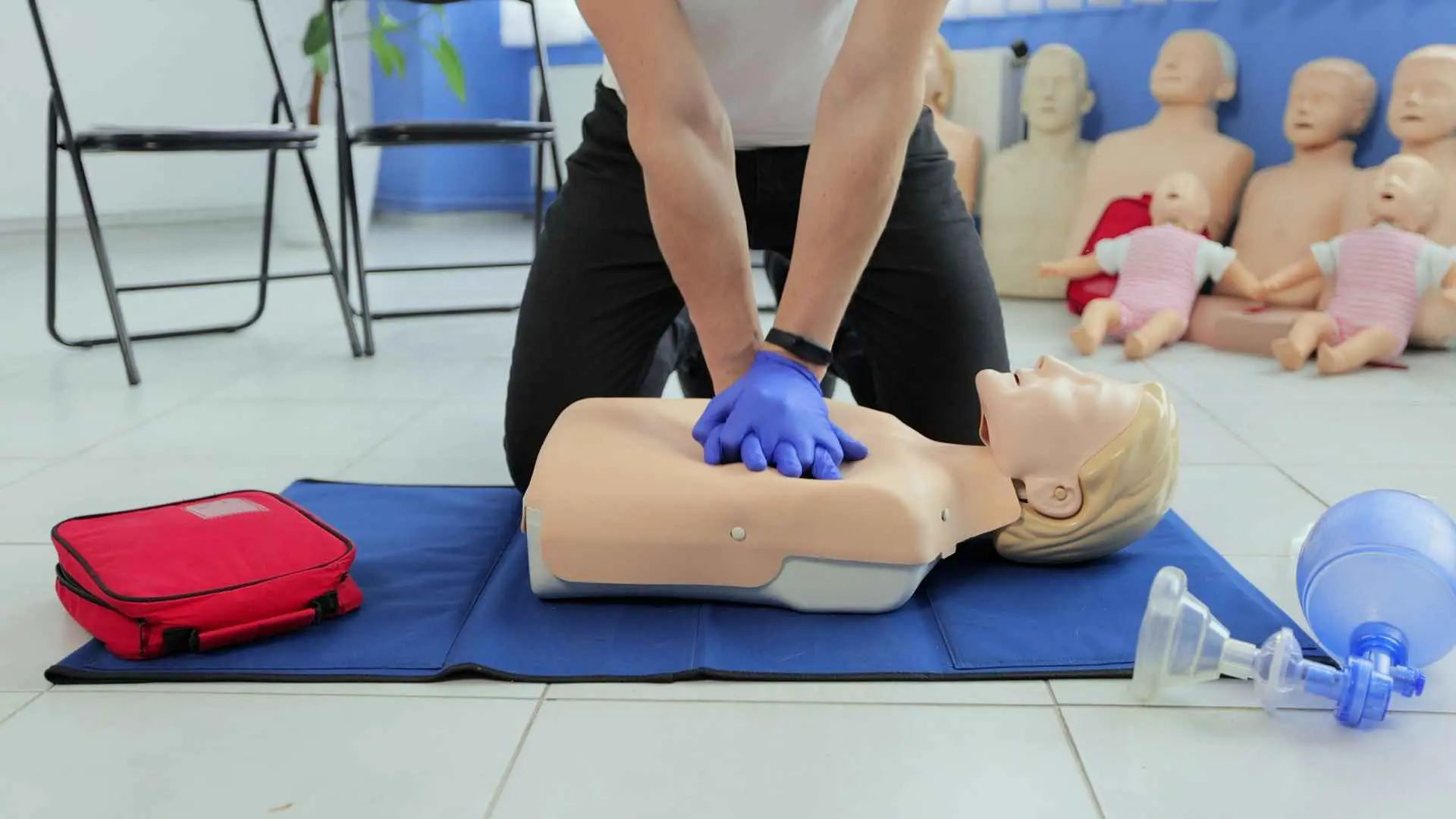
While the WSIB has transitioned to the CSA Z1210:24 standard for workplace first aid (classifying courses as Basic or Intermediate), healthcare settings demand an even higher tier. Basic Life Support (BLS) remains the gold standard.
Expert Insight: “In a 2026 clinical setting, a ‘120-second response time’ is the absolute maximum. BLS training ensures that teams can deploy a BVM and AED within seconds, not minutes.” — Coast2Coast Clinical Training Dept.
The list of professionals requiring BLS has expanded. Beyond Nurses and Doctors, the following now mandate BLS for compliance:
Pharmacists: Under new expanded scopes of practice in Ontario and Alberta.
Dental Professionals: As per the RCDSO requirements.
Paramedic Students: Must have BLS before their first clinical placement.
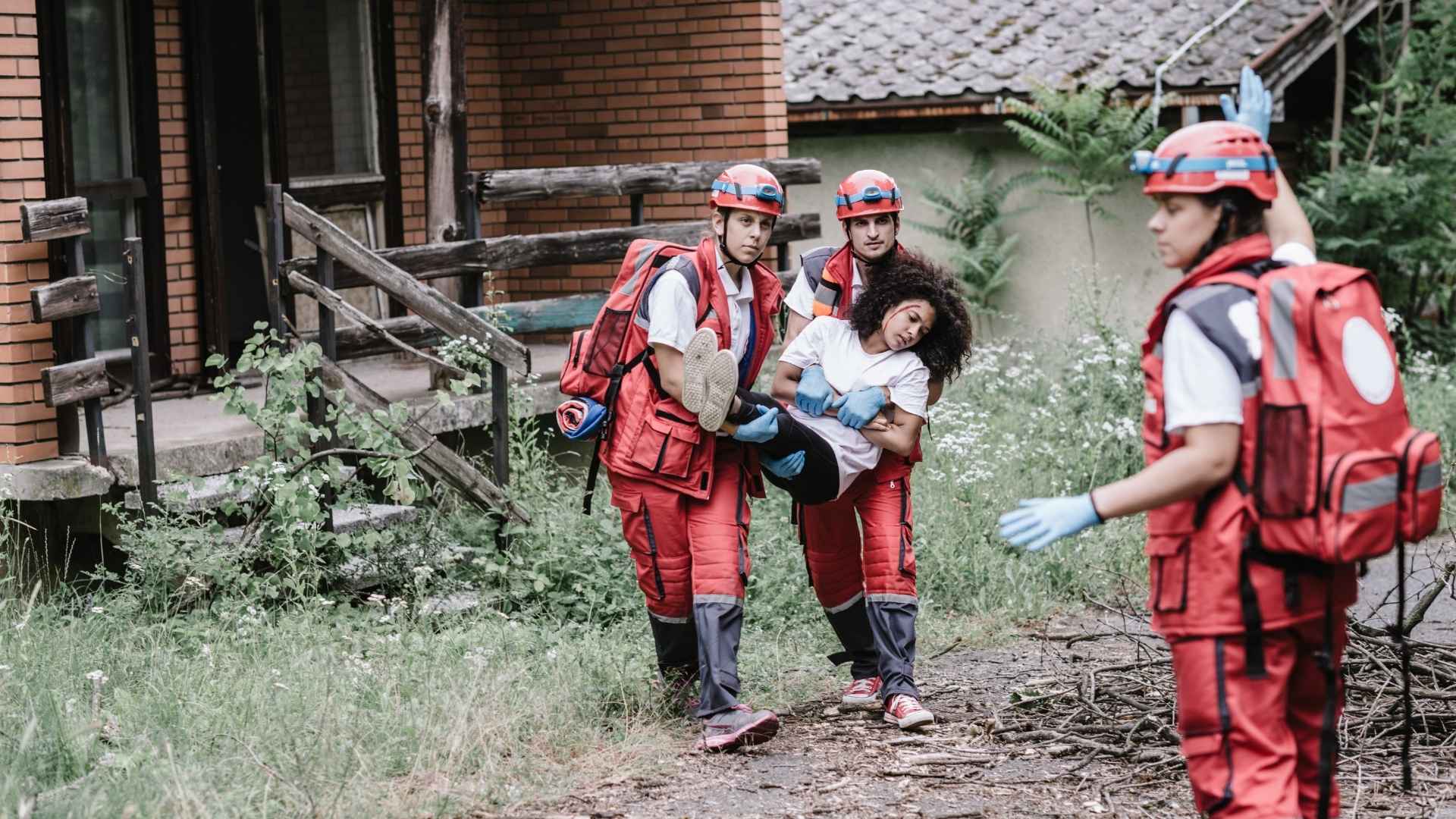
Unlike Standard First Aid (Intermediate) which is valid for 3 years, BLS is valid for only 1 year. This ensures healthcare providers maintain “muscle memory” for life-saving interventions.
Note: You are eligible for a recertification only if your current certificate is still valid and was issued by the Canadian Red Cross.

The story of two boys saving their grandma from death using CPR skills their mother taught them is an amazing feature, and further proves that even with just a little training, all can save lives no matter what age or size.
Continue readingAs a pet owner, few situations are more terrifying than discovering that your beloved animal has stopped breathing. Whether caused by choking, allergic reactions, trauma, drowning, or underlying health conditions, respiratory emergencies in pets require immediate action. Just as first aid training prepares you to help humans in emergencies, understanding basic pet first aid can give you the knowledge and confidence to potentially save your pet’s life during the critical minutes before veterinary care is available.
The first step in any pet emergency is recognizing the signs that your animal is in respiratory distress. Normal breathing in dogs ranges from 10 to 30 breaths per minute, while cats typically breathe 20 to 30 times per minute at rest. Signs that your pet may be experiencing a breathing emergency include visibly laboured or shallow breathing, blue or grey gums and tongue (known as cyanosis), gasping or wheezing sounds, complete absence of chest movement, collapse or loss of consciousness, and unresponsiveness to touch or voice.
Performing pet first aid requires a rapid transition from assessment to action, as permanent brain damage can occur within minutes of respiratory arrest. When administering pet first aid, your first priority is to ensure the airway is clear of obstructions like small toys or treats before beginning rescue breaths. In 2026, veterinary protocols emphasize the “ABC” method (Airway, Breathing, Circulation) specifically adapted for animal anatomy, such as utilizing the snout for breaths rather than the mouth. By maintaining a steady rhythm of 100–120 compressions per minute during pet first aid, you mimic the natural heart rate of a distressed animal, significantly increasing the chances of successful resuscitation until you reach an emergency clinic.

If you discover that your pet is not breathing, staying calm is essential. Panic leads to poor decisions and wasted time. Follow these steps methodically to give your pet the best possible chance of survival:
Even the most gentle pet can bite when in distress or when regaining consciousness. Approach your pet carefully and be aware that an animal in a medical emergency may react unpredictably. If your pet is unconscious, gently check for responsiveness by calling their name and lightly tapping their shoulder. If there is no response, proceed immediately to the next steps.
Open your pet’s mouth and look for any visible obstructions. Foreign objects such as bones, toys, sticks, or pieces of food are common causes of airway blockage in pets. If you can see an object, carefully attempt to remove it with your fingers or a pair of tweezers. Be extremely careful not to push the object further down the throat. If the object is not visible or cannot be reached, do not spend excessive time trying to clear the airway — move to rescue breathing.
Gently pull your pet’s tongue forward and straighten their neck to open the airway. For dogs, tilt the head back slightly to create a clear passage for air. For cats, be gentler with the neck extension as their airways are more delicate. Close your pet’s mouth and ensure the lips are sealed around the teeth.
Rescue breathing for pets follows similar principles to human rescue breathing, with important modifications based on the size of the animal:
Close your pet’s mouth firmly and place your mouth over their nose, creating a seal around both nostrils. Blow gently into the nose until you see the chest rise visibly. The breath should be firm enough to inflate the lungs but not so forceful that you risk damaging delicate lung tissue. Give one breath every 3 to 5 seconds, checking between breaths to see if the dog has started breathing on their own. Watch for the chest to fall between breaths, indicating that air is being expelled naturally.
For smaller animals, the technique is slightly different. Place your mouth over both the nose and mouth of the animal, creating a complete seal. Blow very gently — small animals have much smaller lung capacity and can be injured by excessive air pressure. Give smaller, shorter breaths every 2 to 3 seconds. The chest should rise slightly with each breath. Be particularly gentle with kittens, puppies, and toy breed dogs, as their respiratory systems are extremely delicate.
If your pet has no pulse in addition to not breathing, you will need to perform cardiopulmonary resuscitation (CPR). Check for a pulse by placing your fingers on the inside of the hind leg, near the groin area, where the femoral artery is located. If you cannot detect a pulse after 10 seconds of checking, begin chest compressions immediately.
For medium to large dogs, lay the animal on their right side on a firm surface. Place the heel of one hand over the widest part of the ribcage and place your other hand on top. Compress the chest by approximately one-third to one-half of its width at a rate of 100 to 120 compressions per minute. For barrel-chested breeds like bulldogs, place the dog on their back and compress directly over the breastbone, similar to human CPR positioning. After every 30 compressions, give 2 rescue breaths.
For cats and small dogs, wrap one hand around the chest so that your thumb is on one side and your fingers are on the other, directly over the heart. Squeeze the chest between your thumb and fingers, compressing by about one-third of the chest width. Alternatively, you can use the one-hand technique with the animal lying on their side. Maintain the same rate of 100 to 120 compressions per minute with 2 rescue breaths after every 30 compressions.

Understanding what can cause your pet to stop breathing helps you prevent emergencies and respond more effectively when they occur:
Dogs are particularly prone to choking on bones, toys, sticks, and large pieces of food. Cats may choke on string, ribbon, small toys, or hairballs. Supervise your pet during mealtimes and playtime, and ensure that toys are appropriately sized for your animal. Avoid giving dogs cooked bones, which can splinter and create dangerous choking hazards.
Severe allergic reactions (anaphylaxis) can cause the throat to swell shut, cutting off the airway. Common triggers include insect stings, certain foods, medications, and environmental allergens. If your pet has a history of severe allergies, discuss an emergency action plan with your veterinarian, which may include carrying an epinephrine auto-injector designed for animals.
Dogs are especially vulnerable to heatstroke because they cannot regulate body temperature as efficiently as humans. A dog left in a hot car, exercised vigorously on a hot day, or kept in an environment without shade and water can quickly develop heatstroke, which can lead to respiratory failure. Brachycephalic breeds — those with flat faces like pugs, bulldogs, and Persian cats — are at particularly high risk.
While many dogs are natural swimmers, not all are equally capable in water. Pets can drown in pools, ponds, bathtubs, and even large water bowls. Always supervise pets around water, ensure pools have accessible exit points, and consider a pet life jacket for boating activities. Understanding CPR techniques is just as valuable for pet water emergencies as it is for humans.
Even if you successfully restore your pet’s breathing through rescue breathing or CPR, immediate veterinary care is essential. The underlying cause of the respiratory arrest must be identified and treated, and your pet will need monitoring for complications. Transport your pet to the nearest emergency veterinary clinic as quickly and safely as possible. If you are performing CPR, continue rescue efforts during transport if you have someone else to drive.
Knowing when to rush to the emergency room is a critical component of pet ownership, especially following a near-drowning or choking incident. Even if your pet regains consciousness after receiving pet first aid, they must be evaluated at an emergency room for secondary complications like “dry drowning” (fluid in the lungs) or internal rib fractures from compressions. In a clinical emergency room setting, veterinarians can provide supplemental oxygen, intravenous fluids, and advanced monitoring that cannot be replicated at home. Never delay transport; if you are alone, perform pet first aid for two minutes to stabilize the animal, then immediately move toward the nearest emergency room while continuing cycles of care if possible.
The skills you learn in a standard first aid course provide a strong foundation for responding to pet emergencies. The principles of assessing a scene, checking for responsiveness, maintaining an airway, performing rescue breathing, and delivering chest compressions are fundamentally similar across species. Pet owners who have completed CPR and AED certification consistently report feeling more confident and capable when facing pet medical emergencies, because the core skills transfer directly.
Additionally, first aid training teaches you to remain calm under pressure, to prioritize actions effectively, and to recognize when a situation requires professional medical intervention. These are exactly the qualities that can save your pet’s life in a breathing emergency. While veterinary-specific first aid courses exist, having a solid foundation in human first aid gives you a significant advantage in any emergency situation, whether the patient has two legs or four.
Executive Summary: Responding to a pet that has stopped breathing requires immediate pet first aid, including clearing the airway and performing species-specific CPR. For dogs, breaths are delivered through the nose, while for cats, the mouth and nose are covered simultaneously. Even if resuscitation is successful at home, a visit to the emergency room is mandatory to check for internal injuries or fluid in the lungs. Coast2Coast training emphasizes that the confidence gained in human CPR and First Aid courses is the foundation for successfully managing animal emergencies.
Learning CPR and first aid protects not just your family but your pets too. Enroll in a Canadian Red Cross first aid course with Coast2Coast First Aid and Aquatics and gain the confidence to respond to any emergency.

Last Updated: March 4, 2026 Medical Review: Aryan Sekhavati, Director at Coast2Coast
Bystander CPR can double or triple cardiac arrest survival rates by maintaining brain oxygenation until paramedics arrive. Performing chest compressions within the first 2–4 minutes is critical to preventing permanent neurological damage. This 2026 guide covers WSIB-approved techniques, AED use, and legal protections under Ontario’s Good Samaritan Act.
Every 12 minutes, someone in Canada suffers a cardiac arrest outside of a hospital setting. In the Greater Toronto Area (GTA) alone, paramedics respond to thousands of cardiac emergencies annually. The survival rate for these events depends almost entirely on what happens in the first few minutes—the “Platinum Minutes”—before professional medical help arrives. Bystander CPR is the single most important factor in determining whether a cardiac arrest victim survives.
Knowing CPR and AED use transforms you from a helpless observer into a lifesaver. The skills are straightforward, the training takes less than a day, and the potential impact is immeasurable. A person trained in CPR carries the ability to save a life wherever they go—at home, at work, in a shopping mall, or on public transit. Coast2Coast First Aid and Aquatics, a Canadian Red Cross Training Partner, has certified thousands of Canadians at training locations across the GTA, ensuring that our communities are prepared for the unexpected.
Cardiac arrest is often confused with a heart attack, but the two are clinically distinct. A heart attack is a “plumbing” problem caused by a blockage in the blood vessels supplying the heart. In contrast, cardiac arrest is an “electrical” problem where the heart suddenly stops beating effectively. The heart begins to quiver chaotically (ventricular fibrillation) instead of pumping blood.
Without blood flow, the brain begins to suffer permanent damage within four to six minutes. Death follows within eight to ten minutes without intervention. This unpredictable malfunction can strike anyone, at any age. While heart disease and high blood pressure are risk factors, cardiac arrest also affects seemingly healthy athletes and young adults due to undiagnosed heart defects or “commotio cordis”—a cardiac arrest caused by a blow to the chest. This is why widespread Basic Life Support (BLS) training for professionals and Level C training for the public is so critical.
Many people ask, “How can pushing on someone’s chest actually save them?” The answer lies in the Manual Pump Theory. When you perform high-quality chest compressions, you are physically squeezing the heart between the breastbone (sternum) and the spine. This action creates enough internal pressure to force oxygenated blood out of the heart and up to the brain.
During CPR, you aren’t just “beating” the heart; you are maintaining a artificial circulatory system. Even though CPR only provides about 25–30% of normal blood flow, that is often enough to keep the brain cells alive until an Automated External Defibrillator (AED) can be used to restart the heart’s natural rhythm.
Watch: How To Perform CPR – Coast2Coast Official
When someone collapses, a countdown begins. For every minute that passes without CPR, the chance of survival decreases by 7% to 10%. By the time ten minutes have passed without intervention, survival is statistically unlikely. In a sprawling metropolis like the GTA, traffic conditions and high call volumes can push ambulance response times to 8 minutes or longer.
Bystander CPR serves as the “Bridge to Life.” When a bystander begins compressions within the first two minutes, survival rates can exceed 40%. These statistics prove that the most important link in the Chain of Survival is not the doctor in the ER, but the person standing next to the victim when they fall.
Safety Tip: If you witness a collapse, call 911 and put your phone on speaker. Begin chest compressions immediately. Push hard (at least 2 inches deep) and fast (100–120 beats per minute) in the center of the chest. Do not stop until help arrives or an AED is ready to analyze the victim.
While CPR maintains blood flow, it rarely “restarts” the heart. That is the job of the AED. These portable devices analyze the heart’s rhythm and deliver a targeted electrical shock to “reset” the electrical system. When CPR and AED use are combined within the first few minutes, survival rates can climb as high as 75%.
AEDs are now standard in public spaces across Ontario—from Union Station to local community centers. They are designed for use by anyone, providing step-by-step voice instructions. However, taking a CPR and AED course removes the “fear factor.” In a high-stress emergency, you won’t have to read the manual for the first time; you will act on instinct.
The biggest barrier to bystander intervention is fear—fear of doing it wrong, fear of breaking ribs, or fear of being sued. In Ontario, the Good Samaritan Act (2001) protects you from these concerns.
Legally, you cannot be held liable for damages while providing emergency assistance in good faith, provided you act within the scope of your training and without gross negligence. Furthermore, it is important to remember that a person in cardiac arrest is clinically dead; you cannot make their situation “worse” by attempting to save them. Yes, ribs may crack during effective CPR, but as the saying goes: “Broken ribs heal; death does not.”
Not all CPR training is the same. It is vital to choose the level that matches your needs or workplace requirements:
CPR Level C: The standard for the general public, parents, and most workplaces. It covers adult, child, and infant CPR.
Basic Life Support (BLS): Formerly known as Healthcare Provider (HCP) CPR. This is required for nurses, doctors, paramedics, and firefighters. It focuses on team-based high-performance rescue.
Emergency First Aid: A shorter course for those who need a basic overview of life-saving skills.
All our courses are certified by the Canadian Red Cross and meet 2026 WSIB compliance standards.
When you get certified, you aren’t just gaining a certificate; you are gaining the power to change the outcome of a tragedy. Coast2Coast offers Blended Online Learning so you can complete the theory at home, followed by a brief in-person practical session at one of our GTA branches.
For untrained bystanders, “Hands-Only CPR” (compressions only) is highly effective and recommended by the Red Cross for adult victims. However, in our courses, we teach you how to use pocket masks and provide rescue breaths, which are critical for drowning and pediatric victims.
Yes. Most modern AEDs have pediatric pads or a “child mode.” If those are not available, you can use adult pads, ensuring they do not touch each other (typically one on the chest and one on the back for infants).
The brain can only survive for approximately four minutes without oxygen before permanent damage begins. This is why immediate bystander CPR is necessary; you must keep the brain oxygenated until professional help arrives.
In Canada, CPR certifications are valid for three years. However, many healthcare and workplace settings require annual recertification to ensure skills remain sharp and up-to-date with the latest medical guidelines.
For an adult, you must compress the chest at least 2 inches (5 cm). It requires significant force, which is why we practice on mannequins to help you gauge the necessary pressure.
Yes. You can still use an AED. Simply avoid placing the AED pad directly over the visible lump of the pacemaker (place it at least an inch away). The AED will still function correctly.
Yes. As long as you act in good faith and trying to help the victim to the best of your ability, the law protects you from liability in Ontario.
Cardiac arrest doesn’t wait for a convenient time. Be ready to save a life by getting certified in First Aid and CPR with Coast2Coast.

The Quick Take: Succeeding in a Toronto CPR course in 2026 requires mastering the CSA Z1210:24 standards and high-performance resuscitation techniques. Whether you are a healthcare provider seeking BLS/ACLS or a community responder aiming for Level C, your training focuses on the “Platinum Minutes” of an emergency. Learn why immediate recognition and the use of feedback-enabled manikins are the gold standards for survival in the GTA.
Toronto is a city of nearly three million people, and with that population comes the reality that cardiac emergencies, choking incidents, and other life-threatening situations occur every single day. Whether you are navigating the Financial District, commuting on the TTC, or coaching youth sports in Scarborough, the ability to perform CPR is the ultimate urban survival skill. In an emergency, knowing CPR can save someone’s life by providing immediate care until professional help arrives.
Taking a CPR course in Toronto is one of the most valuable investments you can make in your personal preparedness. These courses teach you how to recognize cardiac arrest, perform high-quality chest compressions, deliver rescue breaths, and use an automated external defibrillator (AED). At Coast2Coast, we’ve updated our curriculum to reflect the fast-paced nature of the GTA, ensuring you have the hands-on, scenario-based training needed to build real confidence.
Cardiac arrest is a sudden, life-threatening emergency where the heart unexpectedly stops beating, cutting off blood flow and oxygen to the brain and vital organs. This can be triggered by heart attack, stroke, severe trauma, or electrical shock. Immediate recognition is essential—every minute without basic life support (BLS) reduces survival chances by about 10%. This is why healthcare providers and trained community responders are the most vital link in the survival chain.
For healthcare professionals, Advanced Cardiovascular Life Support (ACLS) and Pediatric Advanced Life Support (PALS) provide the specialized skills needed for complex emergencies. However, for the general public, the foundation of every “save” starts with high-quality Basic Life Support. In every Coast2Coast course, we emphasize rapid recognition and effective communication because, in a cardiac emergency, every second counts toward survival.
In 2026, CPR is recognized as a clinical “bridge” to survival. When a person experiences cardiopulmonary arrest, the brain begins to suffer irreversible damage within four to six minutes. CPR works by manually pumping the heart through chest compressions, forcing oxygenated blood to circulate to vital organs. While CPR alone may not restart the heart, it maintains blood flow and buys precious time for an AED or paramedics to arrive. We focus heavily on Chest Compression Fraction (CCF)—keeping your hands on the chest at least 80% of the time to maintain critical blood pressure.
Modern training has moved away from rubber dolls to High-Fidelity Feedback Manikins. These trainers use sensors to provide real-time data on your depth (at least 2 inches) and rate (100-120 bpm). This data-driven approach builds Correct Muscle Memory, making you 50% more likely to deliver effective compressions in a high-stress scenario. We ensure every student masters airway management and trauma response using these advanced tools at our Toronto training locations.
If you work in a high-rise in the Financial District or live in a CityPlace condo, you face the “Vertical Delay.” Reaching the 40th floor adds 5–8 minutes to emergency response times. Our training covers urban logistics, such as coordinating “Elevator Recall” with security and locating AEDs in lobbies. In a skyscraper, you aren’t just a bystander; you are the primary medical responder until help navigates the building’s architecture.
CPR training is more than a certification—it’s an investment in community safety. Organizations like the Stroke Foundation highlight the importance of widespread education in improving survival rates. By learning CPR, you gain the confidence to respond to cardiac arrest, stroke, and trauma at home or in the workplace. Successful completion empowers you to provide care that potentially saves a life, joining a foundation of responders committed to quality intervention.
The Canadian Red Cross offers several levels to meet professional and personal needs:
In Ontario, the Good Samaritan Act provides legal protection to those helping in good faith within their training scope. Professionally, WSIB Regulation 1101 mandates certified first aiders on staff. The 2026 shift to CSA Z1210:24 standards ensures your training meets the latest international scientific evidence for emergency cardiovascular care. Whether you choose in-person or blended first aid learning, your certificate is a career-boosting asset.
Join thousands of Torontonians who have earned their certification with Coast2Coast. Choose from flexible dates at convenient GTA locations.
No prior experience is required. Courses are designed for complete beginners and your instructor will guide you through every skill from the basics.
Fees vary by level (A, C, or BLS). You can find current pricing on our registration page.
You can complete the theory via blended learning online, but the hands-on skills evaluation must be done in person for official certification.
Wear comfortable clothes, bring photo ID, and your confirmation email. All training equipment is provided by Coast2Coast.
We offer fast-track recertification training in Toronto to help you keep your skills current before they expire.
Ashkon Pourheidary, B.Sc. (Hons) — Co-Founder, Coast2Coast First Aid & Aquatics
Ashkon has been a certified First Aid and CPR instructor since 2011 and an Instructor Trainer since 2013. He is also a certified Emergency Medical Responder (EMR) instructor, Psychological First Aid instructor, and BLS (Basic Life Support) instructor. Ashkon graduated with honours with a Bachelor of Science in Neuroscience from the University of Toronto in 2016. As co-founder of Coast2Coast First Aid & Aquatics, he has helped grow the organization to over 30 locations across Canada and into the United States. Ashkon has served on the First Aid Council for the Canadian Red Cross. He spends his time coaching the team of over 100 instructors at Coast2Coast to ensure that students training at Coast2Coast locations receive the best training experience. Connect on LinkedIn
Shopping cart