
Emergencies happen unexpectedly; at home, in public places, at work, or while traveling. When someone nearby is injured, ill, or in danger, many people want to help, but hesitate out of fear of being sued if something goes wrong.
That’s exactly why Good Samaritan laws exist.
In California, the Good Samaritan Act (Health & Safety Code 1799.102) is designed to protect people who step in to help during an emergency. This article explains what the law covers, who is protected, and what it means for everyday people who want to do the right thing.
What is the California Good Samaritan Act?
What is the California Good Samaritan Act?
⚠️ Compliance Alert for Employers
Under the California Good Samaritan Act (Health & Safety Code §1799.102), employees who render emergency care in good faith are legally protected. Ensure your workplace first aid program meets OSHA 29 CFR 1910.151 requirements: designate trained responders, maintain first aid kits, and ensure staff are certified in First Aid & CPR to minimize liability exposure.
The California Good Samaritan Act limits the legal liability of individuals who provide emergency care or assistance voluntarily, in good faith, and without compensation at the scene of an emergency.
In simple terms, it means:
If you try to help someone during an emergency and you’re not being paid to do so, California law generally protects you from being sued, as long as you act responsibly and don’t behave recklessly or intentionally cause harm.
The goal of the law is to encourage people to help in emergencies rather than stand by out of fear of legal consequences.

Who is Protected Under the Law?
The law recognizes two broad groups:
1. Medical, Law Enforcement, and Emergency Personnel
Certain licensed or trained professionals (such as paramedics, firefighters, and other emergency responders) have specific protections under subdivision (a) of the law when they render emergency care in good faith and without compensation at the scene of an emergency.
Their existing professional liability protections are not removed or reduced by this law.
2. Members of the Public (Bystanders and Volunteers)
Subdivision (b) extends protection to ordinary individuals (people who are not professional responders) who voluntarily assist during an emergency.
You are protected if you:
- Act in good faith (you genuinely intend to help),
- Are not compensated for helping,
- Provide care or assistance at the scene of an emergency, and
- Do not act with:
- Gross negligence, or
- Willful or wanton misconduct.
Are You Ready to Save a Life?
Choose Training Location
What is Considered an “Emergency”?
The law applies to situations where immediate assistance is needed due to sudden illness, injury, or danger. For example:
- Someone collapses in a public place
- A person is choking
- A serious injury occurs after a fall or accident
- A person is in medical distress after a collision or disaster
However, the scene of an emergency does NOT include places where medical care is normally provided, such as:
- Hospitals
- Emergency departments
- Clinics or medical offices
What is “Gross Negligence” or “Willful Misconduct”?
The law does not protect someone who acts irresponsibly or recklessly.
Examples of behavior that could remove legal protection include:
- Performing actions far beyond your level of training or knowledge
- Ignoring obvious risks
- Intentionally harming someone
- Acting in a way that is clearly unsafe or unreasonable under the circumstances
In contrast, making a reasonable mistake while trying to help is not gross negligence.
Does the Law Require You to Help?
No. California law does not generally require bystanders to intervene in emergencies.
However, if you choose to help, the Good Samaritan Act is there to reduce the legal risk of doing so, encouraging people to act rather than hesitate.
Why This Law Matters
Without Good Samaritan protections, many people would avoid helping due to fear of lawsuits. This could delay lifesaving care in critical moments before emergency services arrive.
The law:
- Encourages community responsibility,
- Supports quick response during emergencies,
- Helps ensure people in distress are not left without help,
- Protects those who act compassionately and responsibly.
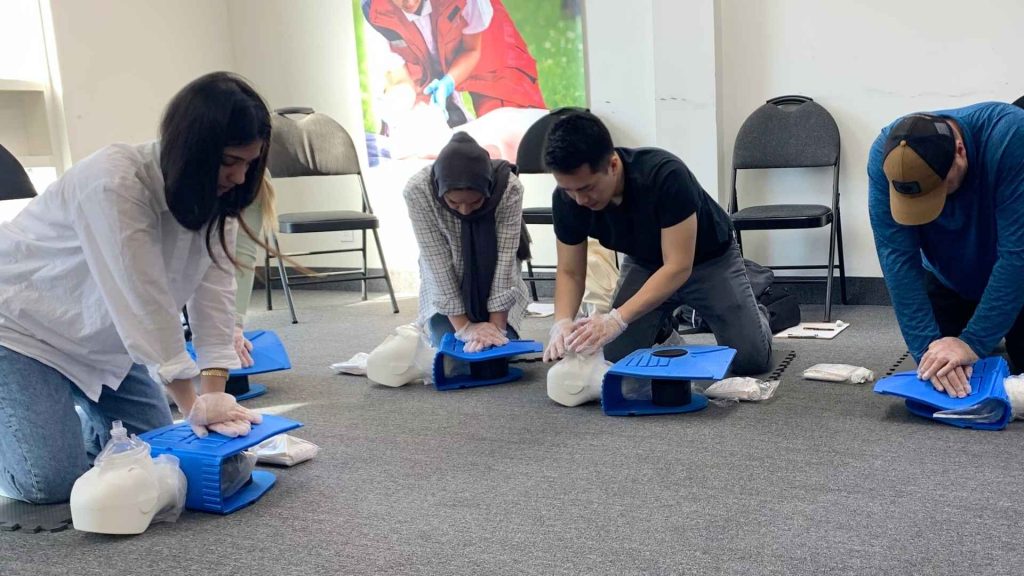
How First Aid & CPR Training Fits In
Although the law protects people who act in good faith, having proper training makes you respond safer, more effective, and less likely to cross into negligence.
First Aid and CPR training helps you:
- Recognize true medical emergencies
- Know what actions are appropriate and safe
- Provide care within your level of training
- Avoid harmful mistakes
- Feel confident stepping in when someone needs help
Training doesn’t just protect the person in need, it also protects you by ensuring your actions are reasonable and responsible.
Where to Get First Aid & CPR Training in California
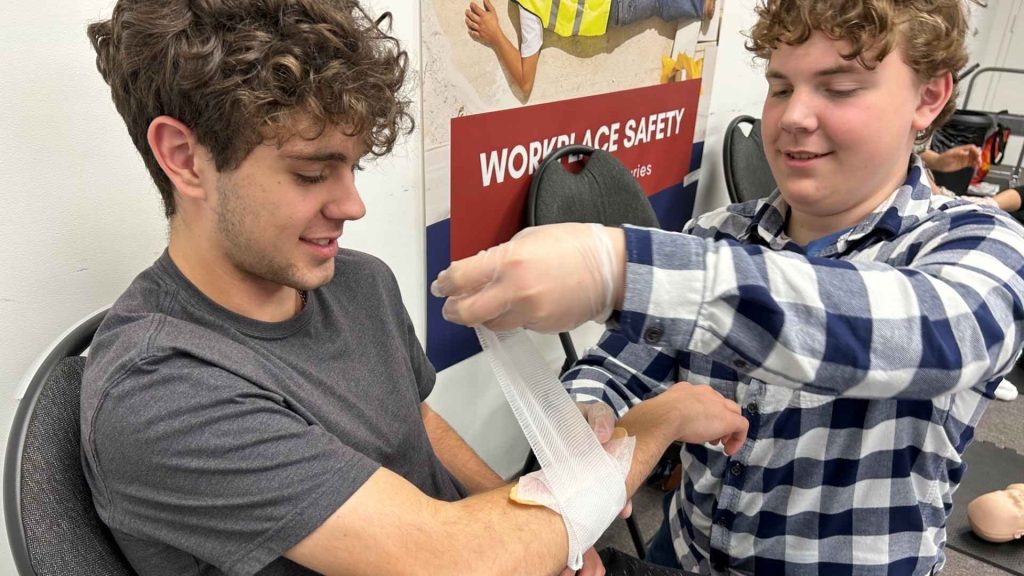
If you live in Los Angeles or Long Beach (or nearby areas), Coast2Coast First Aid & Safety offers American Red Cross First Aid & CPR training courses near you. You can choose between an online blended format or an all-in-class format, making it easy for you to get certified in just a few hours!
How the Good Samaritan Act Protects You in California
Many Californians hesitate to help during medical emergencies because they fear being sued if something goes wrong. The Good Samaritan Act exists specifically to remove this barrier. Under California Health and Safety Code Section 1799.102, any person who renders emergency care at the scene of an emergency is protected from civil damages, provided they act in good faith and without expectation of compensation. This protection applies whether you are performing CPR, using an AED, controlling bleeding, or providing any other form of reasonable emergency assistance.
What the Law Covers and What It Does Not
The Good Samaritan Act covers emergency medical care provided voluntarily at the scene of an accident or emergency. This includes performing CPR and using an AED, applying first aid to wounds, stabilizing broken bones, and assisting choking victims. The law does not protect individuals who provide care with gross negligence or willful misconduct. It also does not apply to people who render aid expecting payment, such as off-duty medical professionals who later bill for their services. Understanding these boundaries helps you feel confident about stepping in during an emergency.
AED Protection Under California Law
California Civil Code Section 1714.21 provides additional liability protection specifically for the use of Automated External Defibrillators. Any person who uses an AED in good faith to render emergency care is not liable for civil damages resulting from that use. This applies even if the person has no formal medical training. Businesses and organizations that maintain AEDs on their premises are also protected, provided they comply with maintenance and notification requirements. This is one more reason to learn Basic Life Support skills including proper AED operation.
Why Training Matters Even With Legal Protection
While the Good Samaritan Act protects well-intentioned bystanders, having proper first aid training strengthens that protection significantly. Trained individuals provide care that meets recognized medical standards, making it virtually impossible for a plaintiff to argue gross negligence. Additionally, trained responders are more effective in their interventions, leading to better outcomes for victims. The combination of legal protection and professional training creates the ideal foundation for confident emergency response.
Real-World Scenarios and the Good Samaritan Act
Consider these everyday situations where the Good Samaritan Act applies. You witness a car accident on a California highway and stop to help an injured driver. You see someone collapse from cardiac arrest at a shopping mall and begin CPR. A coworker chokes during lunch and you perform abdominal thrusts. A child at a public pool stops breathing and you begin rescue breaths. In each of these scenarios, California law protects you from civil liability when you provide reasonable emergency care in good faith.
Remember that the Good Samaritan Act encourages all Californians to take action during emergencies without fear of legal consequences. By combining this legal protection with professional first aid and CPR workshop training, you become a powerful link in the chain of survival that saves thousands of lives across the state every year.
California First Aid & CPR Courses
Train with Confidence in California
⚖️ Get Trained & Protected in California
Gain life-saving skills AND legal protection under California’s Good Samaritan Act. Courses available throughout California.
Watch: Be Prepared to Save a Life
Knowing the law is important, but knowing how to help is essential. Enroll in an American Heart Association certified course and gain the skills to respond confidently during any emergency. Coast2Coast First Aid & Aquatics offers training at locations across California including Los Angeles, San Francisco, and San Diego.
What This Means for You
The California Good Samaritan Act exists to support people who choose to help others in emergencies, not punish them for trying to do the right thing. When you act in good faith, without compensation, and within your level of training, the law is designed to protect you from legal liability. Understanding these protections and taking the time to learn basic first aid and CPR, gives you the confidence to step in when someone needs help and ensures that your response is both responsible and effective.
Be the Person Who Steps Up
Your knowledge of First Aid and CPR can save a life. Act within your understanding and stay safe with the California Good Samaritan Act.
Recommended Courses

First Aid & CPR Courses

Coast2Coast CPR/AED Courses Information

Private First Aid & CPR/AED Programs
Register for CPR or First Aid Training
Register today for a CPR or First Aid training course at one of our 30+ locations across Canada and the U.S. Check out our facilities and book your spot now.
Executive Summary: California’s Good Samaritan Act (Health & Safety Code §1799.102) protects anyone providing emergency care in good faith from civil liability. This includes bystanders and professionals who act without compensation. Trained first responders reduce legal risk and deliver better outcomes—ensuring compliance with the 911 response standards. Coast2Coast provides AHA-certified First Aid & CPR training across California, equipping you with skills and legal confidence.
Frequently Asked Questions About the California Good Samaritan Act
Question 1: Am I legally protected if I perform CPR in California and the person dies?
Answer: Yes. Under California Health and Safety Code §1799.102, you are protected from civil liability if you provide CPR in good faith, without compensation, and without gross negligence or willful misconduct. The outcome does not determine liability—your reasonable effort to help does.
Question 2: Does the Good Samaritan Act cover me if I’m not CPR certified?
Answer: Yes. The law protects anyone who renders emergency care in good faith, regardless of training level. However, formal CPR certification significantly strengthens your protection by demonstrating that your actions meet recognized medical standards.
Question 3: Can I be sued for using an AED on someone in California?
Answer: California Civil Code §1714.21 provides specific liability protection for AED use. Any person who uses an AED in good faith to render emergency care is not liable for civil damages, even without formal training.
Question 4: Does the Good Samaritan Act apply if I’m a healthcare professional off-duty?
Answer: Yes. Healthcare professionals rendering voluntary emergency care without compensation at the scene of an emergency are protected under the same Good Samaritan provisions as any other bystander.
Question 5: Am I required to stop and help in an emergency in California?
Answer: No. California does not impose a legal duty on bystanders to provide emergency assistance. However, the Good Samaritan Act encourages voluntary assistance by protecting those who choose to help.
Question 6: Does the Good Samaritan Act cover workplace first aid situations?
Answer: It depends. If you voluntarily provide emergency care to a coworker without being designated or paid to do so, you may be covered. However, designated workplace first aid responders should ensure their employer maintains proper insurance and OSHA compliance.
Question 7: What happens if I make a mistake while performing first aid?
Answer: If you act in good faith without gross negligence, you are protected even if the care is imperfect. Simple mistakes made during a reasonable rescue attempt do not constitute gross negligence.
Question 8: Can I use the Good Samaritan defense if I was trained but my certification expired?
Answer: Yes. The Good Samaritan Act does not require current certification. However, keeping your certification current demonstrates ongoing competence and strengthens your legal protection.
Question 9: Does the Act protect me if the emergency happens in a hospital parking lot?
Answer: Generally yes. The hospital parking lot is not considered a place where medical care is normally provided. Protection applies when care is given at the scene of an emergency, not within medical facilities themselves.
Question 10: Are there any situations where the Good Samaritan Act does NOT apply?
Answer: The Act does not protect actions involving gross negligence or willful misconduct, care provided for compensation, or care rendered in settings where professional medical care is normally available (hospitals, clinics).
Question 11: Does my car insurance cover me if I stop to help at a car accident?
Answer: The Good Samaritan Act provides legal protection from civil liability for emergency care. Car insurance coverage is separate and depends on your policy. The Act ensures you won’t face lawsuits for rendering aid in good faith.
Question 12: Can business owners be sued if they provide first aid to customers?
Answer: Business owners and employees who provide voluntary emergency care without compensation are protected by the Good Samaritan Act. However, businesses should maintain proper OSHA-compliant first aid programs and ensure designated responders have current certifications.
Question 13: How does California’s Good Samaritan Act compare to other states?
Answer: All 50 states have Good Samaritan laws with similar protections. California’s version (Health & Safety Code §1799.102) is particularly comprehensive, covering both laypersons and healthcare professionals who render voluntary emergency care.
About the Author
Ashkon Pourheidary, B.Sc. (Hons) — Co-Founder, Coast2Coast First Aid & Aquatics
Ashkon has been a certified First Aid and CPR instructor since 2011 and an Instructor Trainer since 2013. With a Bachelor of Science degree and over a decade of experience training thousands of students across North America, Ashkon ensures that every Coast2Coast program meets the highest standards of the American Heart Association and American Red Cross. His expertise in emergency response and commitment to community safety makes him a trusted leader in first aid education. Connect on LinkedIn