

The Canadian holiday season triggers a sustained cortisol and adrenaline response that suppresses the immune system and elevates cardiac risk. The Canadian Red Cross Psychological First Aid framework addresses this through the Look-Listen-Link protocol, which helps individuals recognize distress in themselves and others and connect with appropriate support. Practical strategies including realistic expectation-setting, the 1-to-1 hydration rule, 7 to 9 hours of sleep, and regular physical activity meaningfully reduce chronic holiday stress and its physical consequences.
Find a First Aid Course Near You
Canadian Red Cross certified courses including Psychological First Aid at 30+ locations across Canada.
60%+
of Canadian adults report significantly elevated stress levels during the November-to-January period
7–9 hrs
of sleep adults need nightly to maintain emotional regulation and cognitive function under stress
3 Years
validity of a Canadian Red Cross first aid and CPR certificate before recertification is required
How Does the Holiday Season Affect Your Health and What Can You Do About It?
The holiday season is traditionally described as “the most wonderful time of the year,” yet for millions of Canadians, it brings an overwhelming mix of financial pressure, family obligations, complex travel logistics, and intense emotional strain. According to national health surveys, more than 60 percent of adults report significantly elevated stress levels during the November-to-January period. Whether you celebrate Christmas, Hanukkah, Kwanzaa, or the winter solstice, the cumulative demands of gift-buying, meal preparation, and year-end deadlines can take a serious toll on your health. Understanding comprehensive first aid is not just about bandaging wounds; it is about managing the “Physiology of Stress” before it leads to a crisis.
At Coast2Coast First Aid & Aquatics, we believe that true wellness means understanding how stress impacts your cardiovascular system and immune response. Recognizing the subtle warning signs before they escalate into a medical emergency is a fundamental life skill. In this 2026 guide, we explore proven Canadian Red Cross strategies to reduce holiday stress and maintain your resilience. Psychological First Aid (PFA) is a non-professional approach focused on stabilizing emotions, ensuring safety, and addressing basic needs. Our training locations across Canada offer modules in Psychological First Aid to help professionals and families navigate these challenges. PFA is widely used across communities, schools, emergency responses, and workplaces throughout Canada.
What Does Holiday Stress Do to Your Cardiovascular System?
When your body perceives a stressor, such as a frantic shopping environment or a high-conflict family conversation, it activates the sympathetic nervous system. This triggers the “fight-or-flight” response, flooding your bloodstream with cortisol and adrenaline. While this is helpful for immediate survival, weeks of sustained holiday pressure lead to chronic stress. This biological state suppresses your immune system and increases your susceptibility to winter viruses.
Furthermore, prolonged stress is a major risk factor for sudden cardiac events. Elevated heart rates and hypertension put immense strain on the heart muscle. This is precisely why our CPR and AED training emphasizes recognizing “Silent Killers” like high blood pressure. By mastering High-Performance CPR and understanding the Chest Compression Fraction (CCF), you gain a visceral appreciation for the importance of keeping your own heart healthy through active stress reduction.
What Is the Psychological First Aid Look-Listen-Link Method?
In 2026, the Canadian Red Cross curriculum features Psychological First Aid (PFA) as a nationally recognized program designed to assist individuals, families, and communities in the aftermath of traumatic or high-stress events. PFA provides psychosocial and emotional support by offering practical strategies to manage initial distress and mobilize resources for ongoing recovery. Unlike formal mental health counseling, PFA is designed to be applied by trained community members, educators, and first responders to help stabilize those around them.
PFA emphasizes building knowledge and practical skills for resilience, recovery, and prevention, focusing on both self-care and caring for others. During the holidays, you can apply the “Look, Listen, Link” framework to reduce community-wide anxiety:
- Look: Recognize physical and behavioral signs of distress in yourself, family members, or colleagues, such as tremors, extreme fatigue, withdrawal, or changes in speech patterns, especially in the period following a stressful or traumatic event.
- Listen: Provide a non-judgmental, supportive presence and guidance to someone who is feeling overwhelmed. Verbalizing a stressor reduces the cortisol response and supports emotional recovery without requiring any professional intervention.
- Link: Assist those in distress by connecting them with appropriate resources, whether a municipal warming centre, a Canadian Mental Health Association helpline, or simply a quiet space to rest and decompress.
1. How Do You Set Realistic Expectations and Protect Your Mental Energy?
One of the primary drivers of holiday burnout is the gap between idealistic expectations and realistic capacity. Social media often portrays a version of the holidays that is physically and financially impossible for most Canadians. To reduce stress, you must prioritize genuine connection over aesthetic perfection.
Create a holiday “Resilience Plan.” Identify the two or three most important traditions for your household and commit to those fully. If an invitation to a fourth party causes dread rather than joy, exercise your right to say no. Protecting your mental bandwidth ensures that if a real medical emergency occurs, you have the focus and clarity to perform a practical skills assessment or call for help without being clouded by exhaustion.
Watch: How to Perform High-Quality CPR
2. How Does Nutrition and Hydration Support Stress Resilience?
Holiday tables in Canada are often laden with high-sodium, high-sugar foods and increased alcohol consumption. While occasional indulgence is part of the celebration, these choices can fluctuate blood pressure and disrupt sleep cycles. Dehydration is a common but overlooked stressor that amplifies feelings of irritability and fatigue.
Follow the “1-to-1” hydration rule: for every festive or alcoholic beverage consumed, drink one full glass of water. This simple habit supports your circulatory system and prevents the headaches often associated with holiday dehydration. For professionals in high-stakes roles like security guards or healthcare providers, maintaining this nutritional baseline is essential for staying alert and responsive during holiday shifts.
3. Why Is Rest the Most Underrated Holiday Wellness Strategy?
Sleep is the body’s primary mechanism for clearing stress hormones, consolidating memory, and restoring immune function. During the holidays, late-night wrapping sessions and early-morning travel often lead to sleep deprivation. Without 7 to 9 hours of rest, cognitive function declines, emotional reactivity increases, and you become significantly more prone to accidents and poor decisions under pressure.
If you are traveling across Canada, manage your “Vertical and Horizontal Rest.” Ensure your sleep environment is dark and cool to maximize REM sleep quality. Many blended online learning participants prefer studying in the evenings; we recommend finishing modules at least two hours before bed to allow the brain to decompress from blue light exposure before sleep.
Which Canadian Workers Face the Most Stress-Related Risk During the Holidays?
Certain groups in the Canadian workforce face extreme pressure during the holiday season. These individuals must maintain their WSIB Regulation 1101 compliance while managing seasonal surges in workload and public interaction:
- Retail and Hospitality Workers: Dealing with crowded malls and high-volume service requires advanced de-escalation and stress-management skills to prevent both physical and emotional burnout.
- Daycare Staff and Teachers: Managing excited children and year-end events requires high emotional regulation to ensure pediatric safety and prevent supervision lapses.
- Security Guards and First Responders: Often working through the holidays, these professionals must actively apply PFA strategies to manage their own mental health while protecting the public.
- Construction Foremen: Rushing to close sites before winter shutdowns creates high-stress industrial environments where fatigue-related accidents are most likely to occur.
PFA is increasingly adapted for high-stress professional environments, with specialized programs supporting peer-to-peer intervention in public safety and healthcare sectors. Many Canadian employers now integrate Psychological First Aid training into their broader occupational health programs to build psychologically safer workplaces year-round.
4. How Can Proactive Financial Planning Reduce Holiday Anxiety?
Financial anxiety is a leading cause of holiday-related insomnia. The cultural pressure to spend can lead to debt that sustains a stress cycle well into the new year. By setting a firm budget based on your actual disposable income, you remove the “Fear of the Bill” that creates chronic low-grade cortisol elevation throughout December.
Consider gifting experiences rather than objects. A gift certificate for a Intermediate / Standard First Aid course is a meaningful, life-saving present that provides real value for three years. It demonstrates genuine care for the recipient’s safety and professional development, which is a far more lasting sentiment than any retail item.
Get Your CPR and AED Certification This Season
Build the cardiac emergency skills that complement your psychological preparedness and protect your community year-round.
How Does Psychological First Aid Certification Advance Your Career and Workplace Culture?
In 2026, Canadian employers are increasingly focused on corporate wellness as a pillar of organizational health. Holding a certificate in Psychological First Aid makes you a highly valuable candidate for leadership roles. It demonstrates that you can manage a team’s emotional safety during high-pressure periods, which is a rare and sought-after competency in any industry. For managers and team leads, it provides a practical, evidence-informed framework for recognizing distress in employees before it escalates into absenteeism or a crisis.
If you are an employer, organizing a private group training session for your staff, focused on both physical and psychological first aid, can meaningfully lower your corporate liability, improve employee retention, and build the kind of resilient organizational culture that attracts top talent in a competitive market.
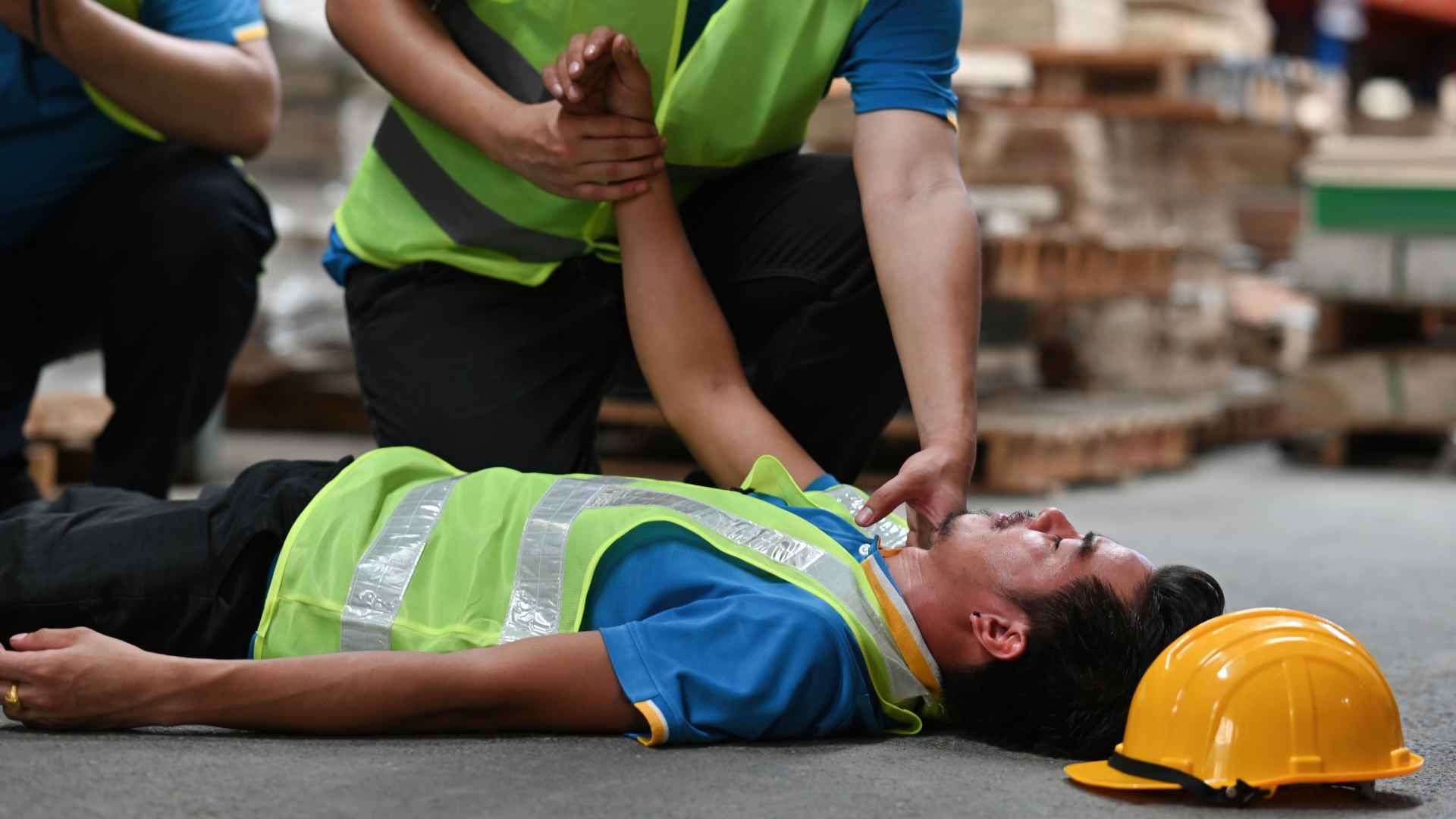
Train Your Team in Physical and Psychological Safety
Private group sessions combining first aid, CPR, and Psychological First Aid for organizations of any size.
Key Takeaway
Holiday stress is not just a mood problem; it is a physiological cascade that elevates cardiac risk, suppresses immunity, and degrades the cognitive clarity needed to respond effectively in a medical emergency. The same evidence-based frameworks that govern physical first aid, prioritizing rapid recognition, minimizing delay, and connecting people to the right resources, apply equally to psychological emergencies. Building your Psychological First Aid skills alongside your CPR certification makes you a more complete, more capable, and more resilient community member in every season.
Get Intermediate / Standard First Aid Certified Today
Two-day Canadian Red Cross Intermediate / Standard First Aid covering CPR, AED, stroke, shock, and Psychological First Aid concepts.
Frequently Asked Questions: Holiday Stress, Psychological First Aid, and Wellness in Canada 2026
More FAQs: Gifting First Aid, Look-Listen-Link, Sleep, Exercise, Group Training, and FAST Stroke Signs
Sources and Further Reading
- Canadian Mental Health Association: Mental Health and the Holiday Season (2024)
- Canadian Red Cross: Psychological First Aid Course Guidelines, 2025 Curriculum Edition
- Heart and Stroke Foundation of Canada: Holiday Cardiac Risk and Stress (2024)
- CSA Group: CAN/CSA-Z1210:24 First Aid in the Workplace (National Standard of Canada)