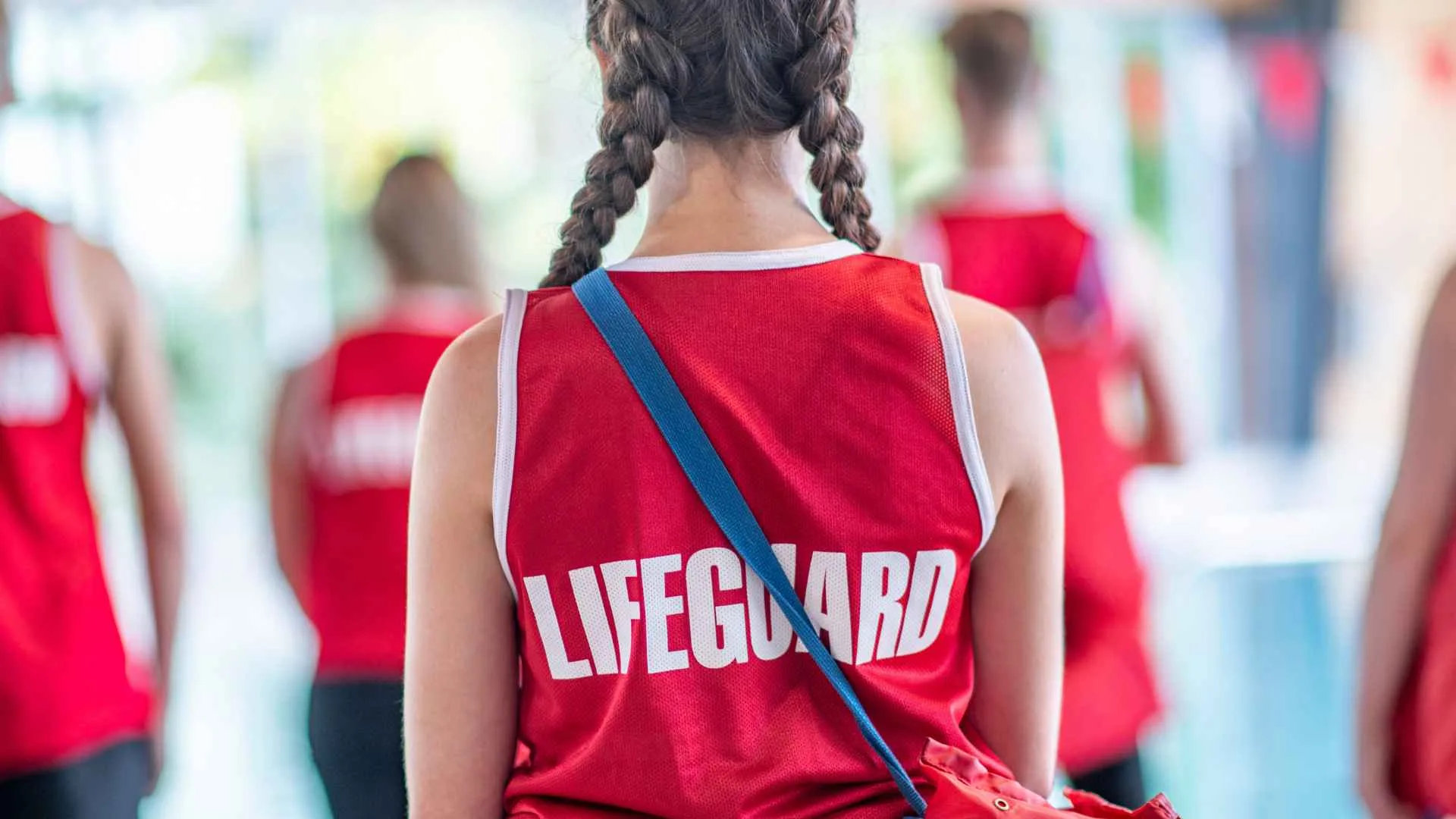
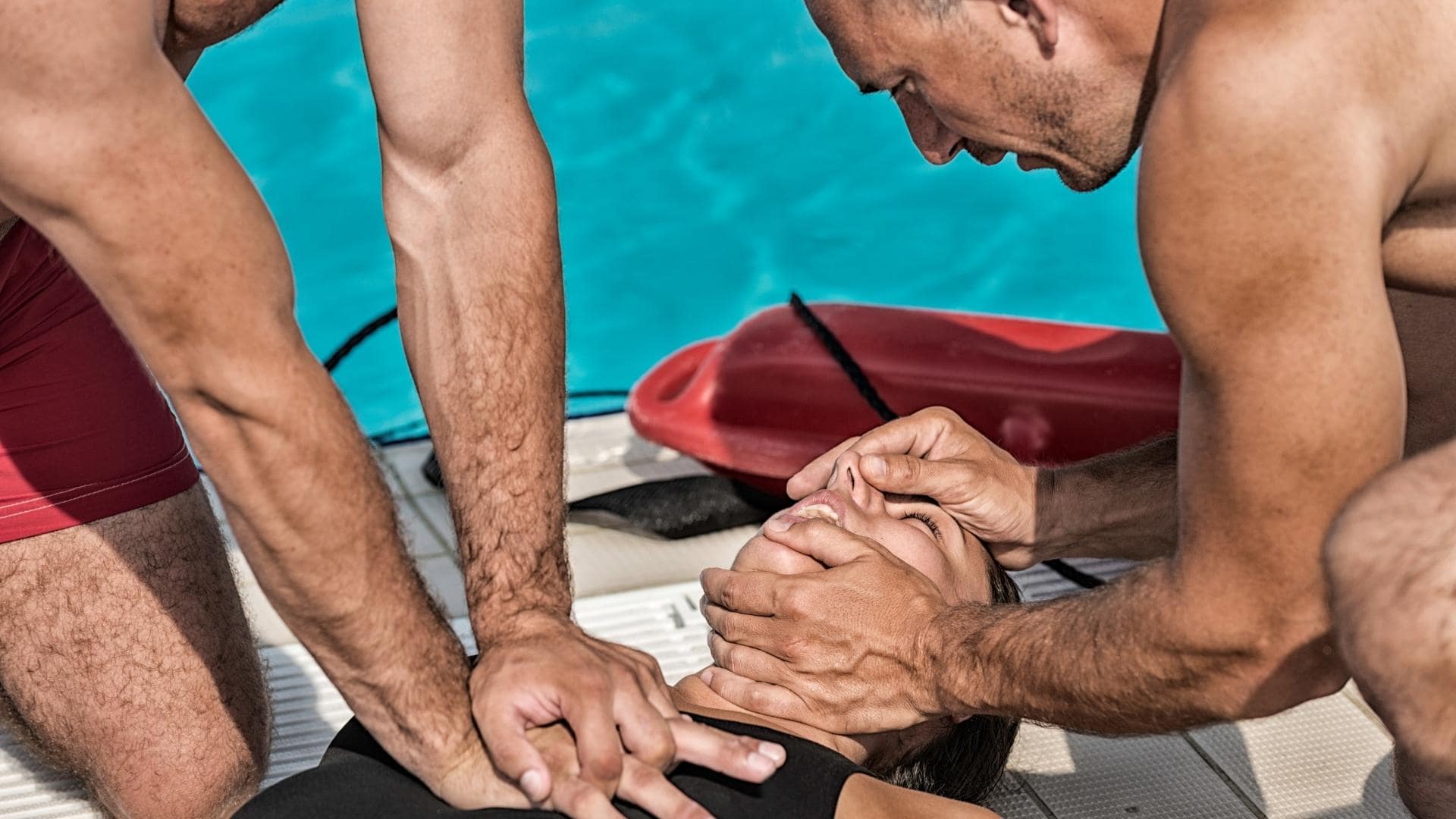
Being a lifeguard is about more than just a whistle and a high chair—it’s about being the most prepared person on the pool deck. From mastering lifeguard CPR certification to handling specialized pediatric emergencies, discover why American Red Cross training is the ultimate professional standard.
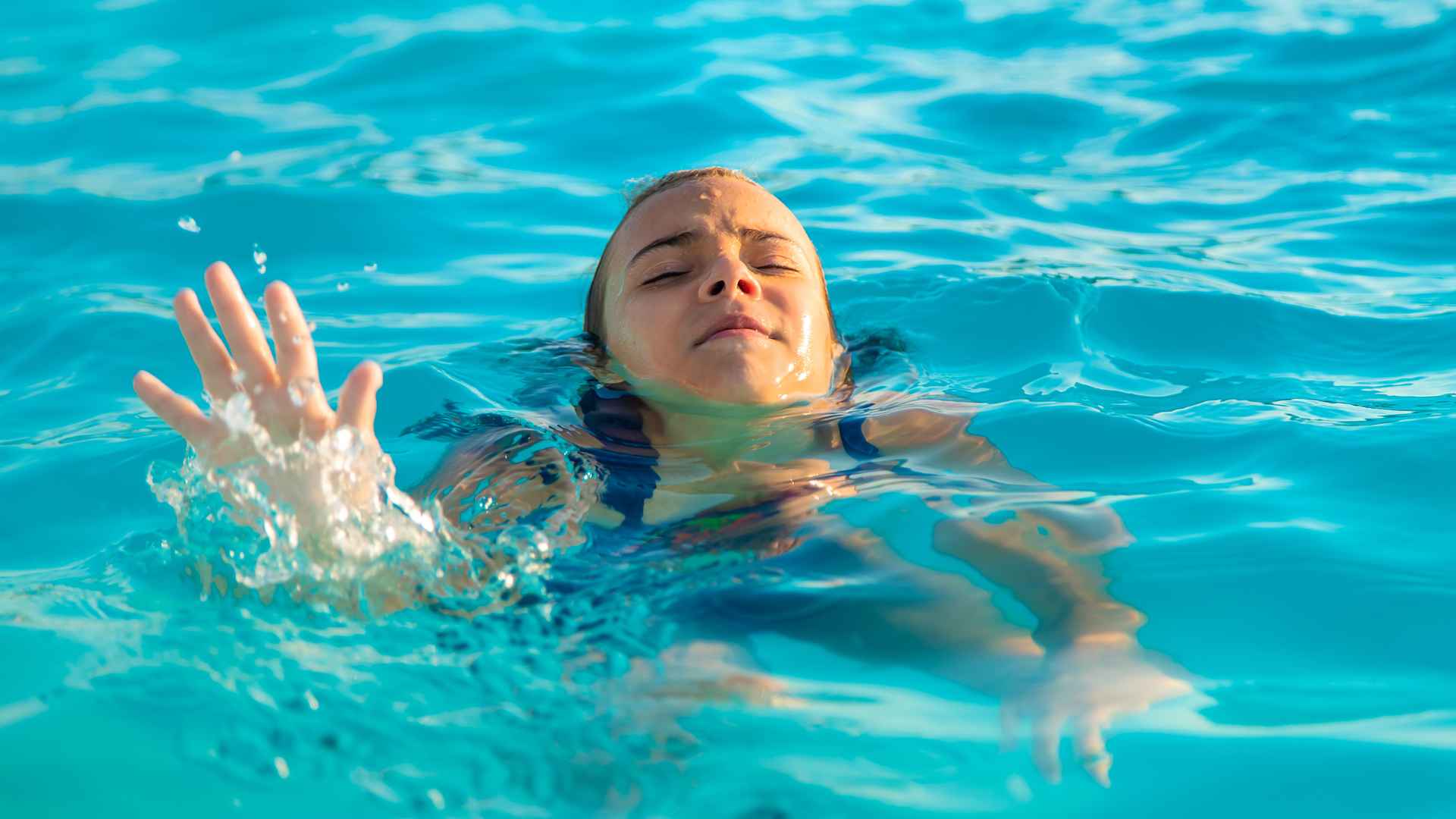
Drowning is a leading cause of accidental injury-related death, particularly among children under five years old. Over 4,500 individuals drown annually in the U.S., according to the latest statistics. Having knowledge of what to do in an emergency, including how to give CPR correctly, could literally be a lifesaver for a victim.
Picture this: It’s a hot summer day in Ontario, the sun is beaming, and your little one and all your friends are around the pool or lake, enjoying yourselves in the cool water. Instead of feeling anxious, you’re relaxing, confident in the knowledge that they’re safe and sound, thanks to the life-saving skills they’ve gained through swimming lessons.
During the early phase of drowning, the person’s airway closes to prevent more water from entering the lungs. Involuntarily, the victim cannot breathe, leading to unconsciousness.
As Canadians, most of us like to visit beaches, lakes, and swimming pools especially in summer time. Afterall, we don’t get too much of the warm weather so we would like to take full advantage of it.
Here at Coast2Coast swim, we are extremely passionate about swimming and all water activities; and we encourage everyone to also get involved with these activities. Swimming has always been one of the best ways to stay in shape for people of all ages, to stay active, and finally a fun activity to enjoy no matter if you are by yourself or with friends and family. That is why we take pride in teaching our community how to swim and stay safe in and around water.
Coast2coast Swim offers a variety of options from public swimming classes, to private at home (mobile) swimming lessons. This allows our customers to find the most convenient and cost efficient.
However, the question we get from time to time is “can you teach yourself how to swim?”
In short, yes. But you should know that we strongly suggest for you to sign for a training or class either at Coast2Coast swim or another reputable swimming school. This is to make sure you learn the fundamentals of swimming in the right way and that you can enjoy the water in a safe manner at all times.
Teaching Yourself to Swim
Here is our suggestion on how you can try to teach swimming to yourself. Please be aware these are only suggestions and we can not guarantee your safety or skills. Swimming can be challenging. Here we go:
Start practicing your swimming in a safe environment like the shallow end of a supervised swimming pool. Never go to the deep end of the pool or swim in moving water without supervision. If you are tired, don’t practice.
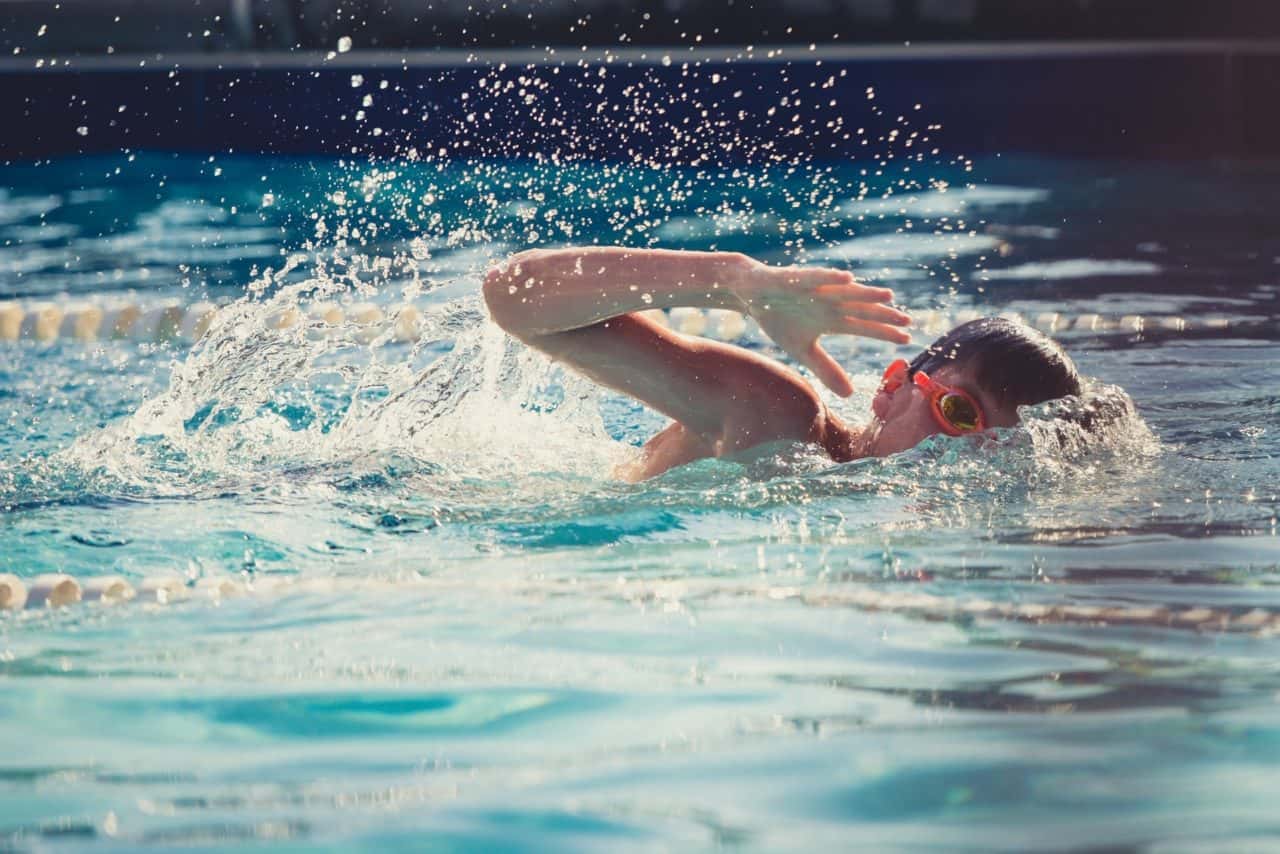
The easiest stroke to learn is the front crawl. Once mastered, you can learn the three other strokes – backstroke, butterfly, and breaststroke.
1.The First Step
Standing with your back against the pool, take a deep breath, lean your waist until your face is completely in the water and your ears are at the waterline. You must hold this position for 2 seconds before turning your head to one side, exhaling into the water. Now you can return to the starting position. Practice doing this a few times.
2.Learning to Inhale and Exhale
Start by holding your arms out to your side, fingers together and palms down. Now, take a deep breath, lean forward, and placing your face in the water, bring your right arm up and out of the water to your front.
As your hand contacts the water, pull your arm straight down, making a circular motion underwater and taking your hand behind you and to your right side. At this point, your palm should be facing up. Without lifting your head, turn it to the right and draw a new breath through your mouth. Now turn your head back and exhale through your mouth or nose with your face in the water.
3.Practicing the Strokes and Breathing
Aim to practice the stroke and breathing exercise until you can complete one stroke with each arm and one complete breath without needing to lift your head out of the water. The idea is stroke – stroke – breath. When swimming, your arm movements propel your body, while kicking your legs prevent you from sinking.
Keep your strokes regular, and avoid looping underwater because once you are swimming, you will have to work harder to cover the same distance. The closer your body is to the surface, and the flatter it is, the less work you must do. Additionally, when you bring your arms out of the water, a flat circular motion helps save more energy than bringing them overhead.
4.Learning to Kick
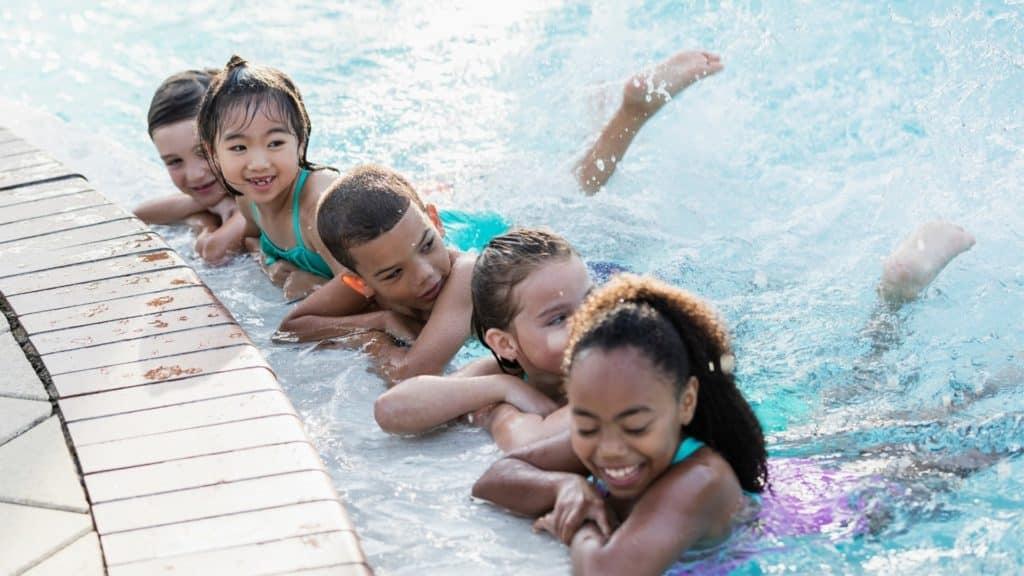
Facing the side of the pool, place both your hands on the edge and extend your arms. Lift both your legs together until your arms, body, and legs are facing away from the edge in a straight line. Turning your head to one side, draw a breath through your mouth without lifting your head straight up.
With your knees held straight, kick your legs quite fast from the hip, making the smallest possible splashes. At no point should your feet come out of the water. While you are doing this, exhale underwater, as you learned earlier. Continue practicing kicking and breathing until you are comfortable doing both simultaneously.
5.Going to the Opposite End
You are now ready to go across the shallow side of the pool. Facing across the shallow end, stand with your back to the side of the pool. With bent knees, extend your left arm to the front, and taking a deep breath, let your legs help push you from the side. At the same time, put your head in the water, taking a forward stroke with your right arm as your legs start kicking.
6.Achieving Width Lengths
Now you can continue kicking, while also concentrating on your strokes and breathing. Make sure you are bringing each hand back to your side as you reach out to make a stroke with your other hand. As mentioned earlier, your swimming pattern should be a stroke with each arm and then a breath. Practice this until you can swim the whole width of the pool without needing to stop.
We hope this was helpful to you. If you are looking to learn these skills faster and better, contact Coast2Coast Swim to find out more about all our options. Our dedicated instructors have been teaching for close to 20 years and have taught thousands of students throughout the years. Once again, be aware that the practices mentioned in this blog are only suggestions and we can not guarantee your safety or skills.
Enjoy your Swim.
Dive into fun with Coast2Coast's Mobile Swimming Course!
Whether you’re a beginner or looking to improve your strokes, we bring the pool to you! Sign up today and make a splash this summer!
According to the WHO, drownings account for 7% of all injury-related deaths, making it the 3rd leading cause of unintentional injury death globally. Therefore, swimming is more than just a way to keep fit or for enjoyment, it is an essential skill. Learning swimming is crucial for safety and fitness. But is swimming hard to learn?
Swimming is an easier skill to learn for people with exposure to water, making it more difficult for people without aquatic exposure to master. A fear of water is one of the main reasons many people don’t learn how to swim, but it is not a difficult skill to learn. Moreover, children can learn to swim from a very young age.
Best way to learn to swim
The best way to learn to swim properly is to join swim lessons, such as a beginner’s swimming class or private swimming lessons. Besides your swimming lessons, it is also a good idea to get lots of practice, allowing you to perfect your strokes and breathing techniques. Practicing holding your breath underwater is a crucial exercise in swim lessons. When learning to swim, you need a sense of calm and to avoid fighting with the water. Remember, it is important to have someone there to assist you if necessary when you are learning how to swim. Do not swim alone.
With children, the best time for them to start learning is around the age of 1. They are taught the basic survival skill of floating first, and then how to build their confidence around the water. Thereafter, they start learning other swimming elements. Children are fast learners.
Register for Mobile Swimming Lessons
At Coast2Coast, we provide Mobile Swimming lessons in the Greater Toronto Area! Inquire about our Mobile Swimming program today and gain confidence in your swimming skills.
Usually, for kids, learning to execute a good swimming style and completing laps requires 15 to 30 hours of swimming instruction. For adults, the learning process to reach the same level can take anywhere between 20 to 40 hours. Of course, these times may vary, depending on any previous experience and the type of instruction you are receiving.
It may take a few weeks of consistent practice to master swimming techniques. The more you practice, and the faster you overcome your fear of the water, the quicker it is to master swimming. Then, there are different levels of expertise, from competitive swimmer to professional swimmer.
Why is swimming more difficult for some people to master?
The popularity of swimming is undeniable, and we all envy the swimmers, like Michael Phelps, we watch at events like the Olympics or swimming competitions. Swimming has unique challenges compared to other sports due to its specific physical demands, such as restricted breathing and the horizontal position of the body. It is more than just a pleasurable sport to watch, but has plenty of health benefits.
It can feel like quite a feat to learn how to swim if you fear the water or haven’t mastered the art of staying afloat. One of the greatest forms of anxiety that could hold you back from learning is the fear of drowning.
Challenges beginners need to overcome when learning to swim
There are several challenges you will need to overcome as a beginner:
Anxiety
If you are tense and anxious, then it becomes very difficult to learn to swim. Anxiety leads to harsh movements that don’t allow the body to glide through the water, leading to it being dragged down. Practice your movements and keep them streamlined to help you glide through the water.
Breathing
Learning to breathe properly is the most challenging swimming technique. You need to practice syncing your breath with your strike and exhaling through your nose underwater. Swimmers breathe differently compared to land-based sports, which can add to the difficulty. This takes practice, but it’s not impossible to learn.
Coordination
Pulling and kicking are techniques that work in combination to create the perfect stroke when you swim but as a beginner, these are often difficult to coordinate. Practice by breaking down the stroke, and learning it over shorter distances until you get the timing and execution right. Focusing on one skill at a time can help you progress faster.
Overthinking the technical elements
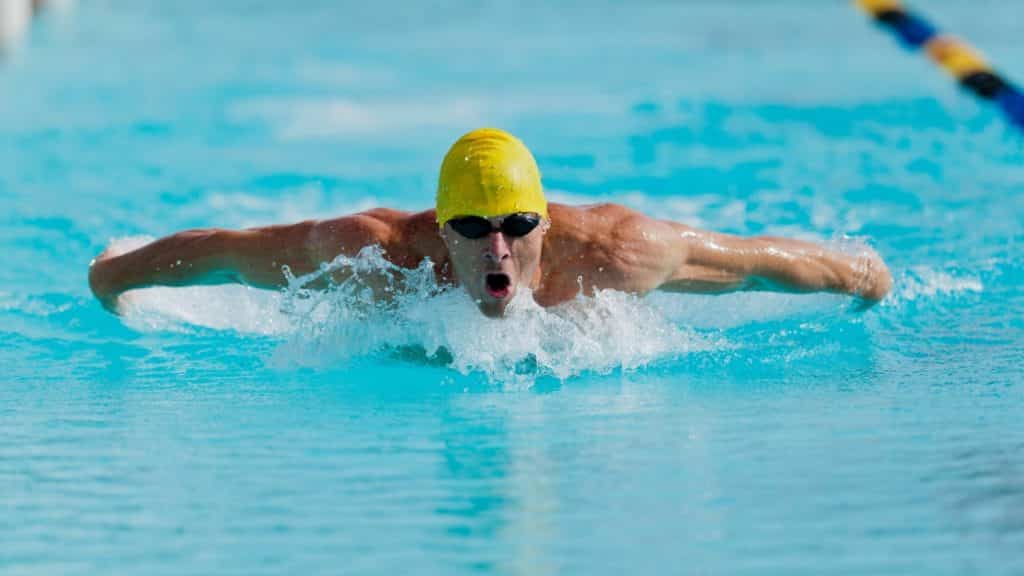
The combination of elements that give you propulsion requires smooth execution so your body can glide in the water. If you are overthinking all these techniques, you will fall into an unnatural rhythm that can look mechanical. Practice all the technical elements, such as front crawl or butterfly stroke, until they become second nature. Mastering one stroke can make it easier to learn other strokes.
Swimming Lessons for All Ages!
It’s never too late to learn how to swim. If you have access to a pool, we can teach you! Contact us today to set up your mobile swimming lessons.
The swimming learning process is essential for developing a strong swimmer, especially for older children interested in competitive swimming. Typically, this journey begins in a pool, where the first five lessons focus on foundational skills. During these initial sessions, a good coach emphasizes safety and comfort in deep water, gradually introducing techniques that make swimming efficient and enjoyable. In just two weeks, children can progress significantly, learning to float, kick, and perform basic strokes. As they master these skills, the next point in their learning process at the pool is building endurance and refining technique. Through regular practice, they develop confidence and strength, paving the way for more advanced swimming techniques. The combination of structured lessons, consistent feedback from a coach, and supportive practice creates an effective learning environment. This foundation not only prepares them for competition but also instills a lifelong love for the water. Ultimately, the swimming learning process transforms beginners into proficient swimmers, ready to tackle more challenging aspects of the sport while ensuring they are safe and confident in their abilities.
Where to learn to swim?
If you live in Ontario, our swim school at Coast2Coast is a great place to learn how to swim regardless of age or skill level. Swimming engages the upper body muscles, providing a full-body workout. We offer a wonderful Mobile Swimming program for those who have their own pool. Mobile Swimming makes it easy for students to learn basic or advanced swimming laps. Simply choose a date and time and we will send one of our experienced instructors to your home, community centre or local YMCA.
You may choose a private, semi-private or group swimming lesson. This makes it easy for you or a small group to learn how to swim. Our lessons are adaptable for either adult learners or new swimmers. Registration is simple and may be achieved by calling our toll-free number: 866-291-9121.
Final Word
Learning to swim is one of the most important survival skills you can acquire. It not only empowers you to stay safe in and around water but also opens up a world of recreational opportunities. Swimming is a low-impact and aerobic sport, making it accessible for individuals of all ages and fitness levels. Whether you’re a child eager to dive in or an adult who has always wanted to learn, it is never too late to start!
To enhance your learning experience, consider enrolling in lessons with a qualified instructor who emphasizes safety and proper technique. Remember to practice in a controlled environment, like a pool, where you can build confidence and skills gradually. Safety should always be your top priority—never swim alone, and always be aware of your surroundings. Additionally, practicing relaxation techniques can help ease anxiety in the water. Embrace the journey of learning to swim; not only will you improve your physical fitness, but you will also gain a sense of accomplishment that lasts a lifetime.
Practice Swimming Skills With a Certified Instructor
Whether you’re a beginner, intermediate or an expert, our swimming instructors are here to help you! Practice any of your swimming skills with a trained swimming instructor. Our swimming programs are tailored to YOU!
As Canadians, most of us like to visit beaches, lakes, and swimming pools especially in summer time. Afterall, we don’t get too much of the warm weather so we would like to take full advantage of it.
Did you know that swimming benefits more than just your physical health? That’s right! Many people assume that swimming is only something you can do for exercise, but it has plenty of other great benefits as well.
Learning to swim builds foundational swimming skills that save lives, prevent drowning, and unlock a lifetime of aquatic fitness. The best way to learn swimming as a beginner is through structured, professional swimming lessons in shallow water — progressing through water acclimation, controlled breathing, floating, kicking, and stroke development at your own pace. This 2026 step-by-step guide walks every age group through the swim progression used by the Lifesaving Society and Red Cross Swim programs in Canada.
Get Certified✓ Canadian Red Cross Approved
Find a Class Near You
Swimming lessons and aquatic programs across Ontario and Alberta. Register online in 2 minutes.
Knowing how to swim is a critical life skill that can save lives and prevent drowning incidents. Drowning ranks among the leading causes of accidental death in Canada, and the Canadian Red Cross reports that the majority of drowning victims either could not swim or overestimated their swimming ability. Water safety skills protect individuals of all ages — from infants enrolled in parent-and-tot classes to adults learning for the first time.
Swimming is more than recreation. It builds motor skills, cardiovascular endurance, and decision making skills under pressure. It develops water positive attitudes that last a lifetime. Paired with first aid skills, it creates a complete safety foundation for any aquatic environment — from backyard pools to open lakes.
Whether you are a parent enrolling a child in a YMCA preschool swim program, a teen working toward competitive swimming or a National Lifeguard certification, or an adult who never had the chance to learn — this guide walks you through every stage of the swim progression, from your first water entry to advanced strokes.
Before You Start: How to Choose Swimming Lessons
Before stepping into the water, choose the right learning environment. Nationally-accredited swim programs taught by certified swim instructors deliver consistently better outcomes than self-teaching. Certified swim instructors are essential for ensuring participants receive quality aquatic programming and develop necessary water safety skills.
Group vs. Private Swim Lessons
Group swimming lessons are affordable and social, ideal for kids who learn well alongside peers. Private swim lessons or independent swim lessons offer one instructor focused entirely on one learner — accelerating progress and addressing fears or specific stroke correction needs faster. Many beginners benefit most from a hybrid: private lessons at the start, then group classes as confidence builds.
Free Swim Assessment
Many swim programs include a free swim assessment to determine the appropriate swimming level for registration. A swim assessment also reassures parents and adults that they aren’t being placed too far above or below their actual swimming ability.
Age Groups and Preschool Levels
Swimming lessons are available for various age groups — from infants as young as 4 months through preschool levels, school-age children, teens, and adults over 18. Programs tailor instruction to motor skills, attention span, and developmental stage. Look for a swim program with clearly defined skill levels and a progression pathway — like the Lifesaving Society’s Swim for Life or the Canadian Red Cross Swim levels.
Pool Safety Standards
Confirm the facility maintains lifeguard supervision during lessons, clear pool safety rules, and appropriate water temperature for beginner lessons. Pool safety isn’t optional — it’s the baseline for any program worth joining.
Step 1: Water Acclimation and Getting Comfortable
The first and most important step in learning to swim is becoming comfortable in the water. For many beginners — particularly adults — water anxiety creates a significant barrier. Take your time with this step. Do not rush to the next one until you genuinely feel relaxed in the water. This is where you build a healthy respect for water without fear.
Water Entry and Familiarization
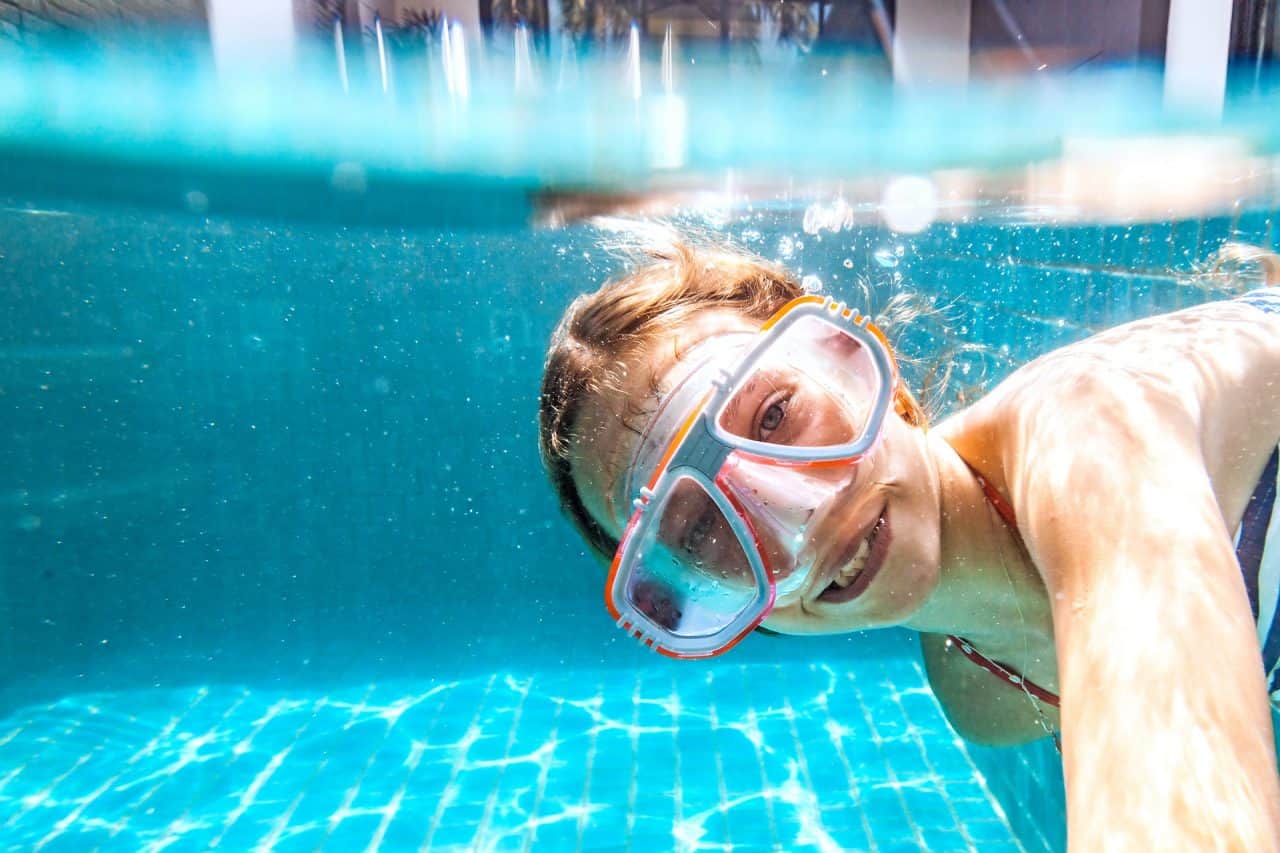
Start in shallow water where you can stand comfortably with your head well above the surface. Walk around the pool, feeling how the water supports your body. Practice putting your face in the water and blow bubbles — this fundamental swimming skill teaches breath control and prevents water from entering your nose. Cup water in your hands and pour it over your head. These exercises seem basic, but they build the comfort and trust in the water that every later skill depends on.
Submerging and Breath Control
Once you are comfortable with water on your face, practice submerging your entire head briefly. Take a breath, dip under the surface, and come back up. Gradually extend the time you spend underwater. Practice exhaling through your nose and mouth while submerged. Proper breathing prevents panic and helps maintain relaxation in water. Blowing bubbles underwater should become second nature before you move on to floating and swimming strokes.
Step 2: Learning to Float
Floating is the foundation of swimming. Floating allows swimmers to catch their breath and prevents panic — a survival skill as much as a swim skill. When you can float, you can rest in the water without expending energy.
Back Float
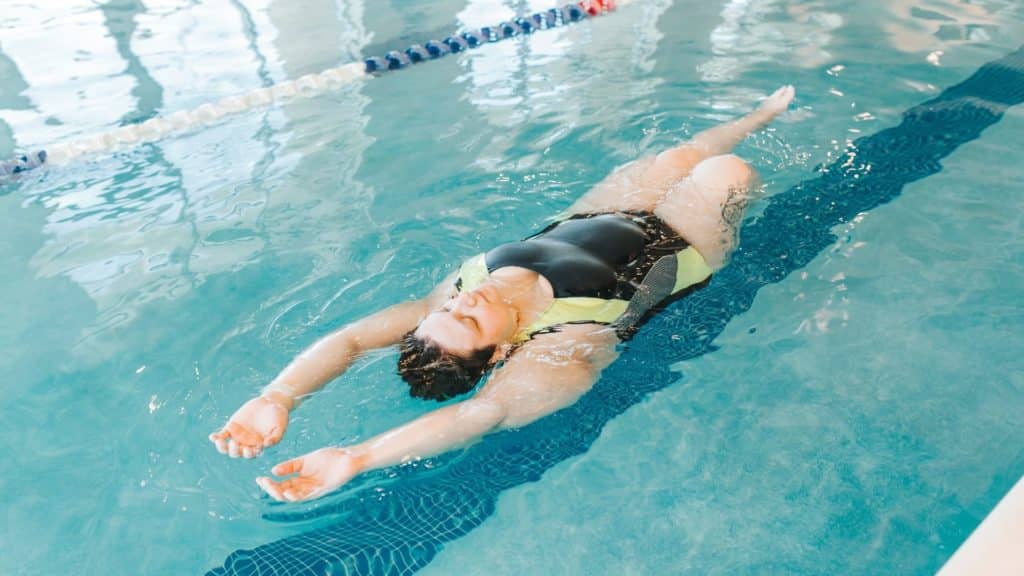
The back float is the most important survival skill in swimming because it allows you to breathe while resting in the water. Start in shallow water with a partner or instructor providing surface support. Lean back, extend your arms to the sides, and let your legs float up. Keep your ears in the water, your chin slightly tilted up, and your belly at the surface. Relax completely — tension causes your body to sink. Once you can hold the back float without support for 30 seconds or more, you have mastered a life-saving skill.
Front Float
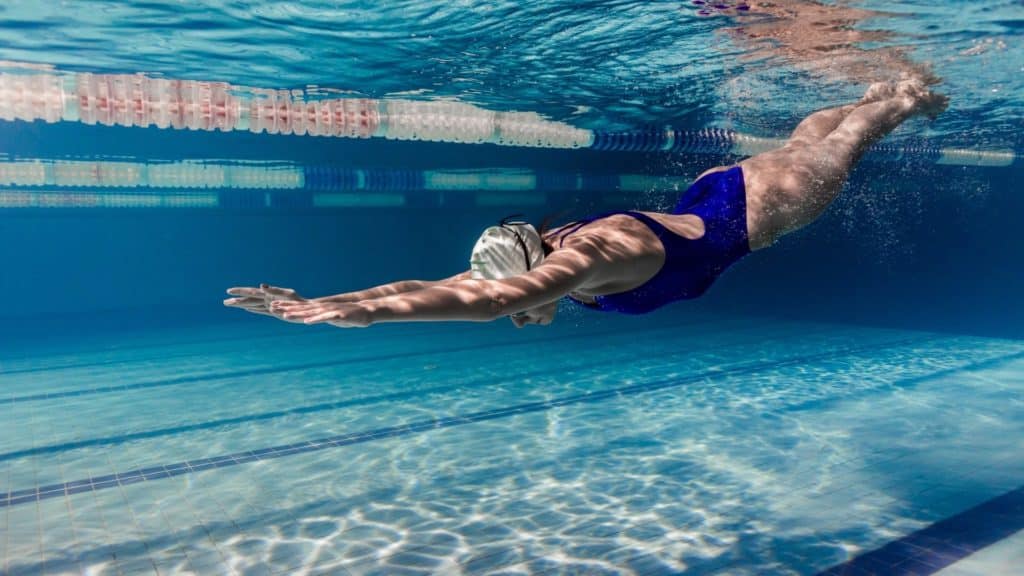
The front float (also called the prone float or dead man’s float) teaches body position for forward swimming strokes. Take a breath, put your face in the water, and extend your arms forward. Let your legs float behind you. Maintaining a horizontal streamline position reduces drag and makes moving through water easier — your body should form a straight line at or near the surface.
Practice transitioning between front float and back float smoothly. This roll-over skill is essential for survival in deep water.
Safety Tip: Always learn to swim in a supervised environment with a qualified instructor or lifeguard present. Never attempt to learn in open water such as lakes, rivers, or oceans — currents, depth changes, and cold water create hazards that beginners are not equipped to handle.
Step 3: Kicking and Propulsion
Once you can float, adding a kick gives you the ability to move through the water. Kicking helps propel you through the water and keeps your lower body at the surface — critical for maintaining the streamline position.
Flutter Kick
The flutter kick is the most basic and widely used kick in swimming. Hold onto the pool wall or a kickboard with your arms extended. Keep your legs straight but relaxed, with a slight bend at the knee. Kick from the hips in an alternating up-and-down motion, keeping your feet just below the surface. Your toes should be pointed and your ankles loose. The kick should be continuous and rhythmic. Practice across the pool until you can maintain a steady, efficient kick that propels you forward without excessive splashing.
Whip Kick
The whip kick (used in breaststroke) is more technical. Bring your heels toward your buttocks with your knees bent, then rotate your feet outward and snap them together in a circular motion. The whip kick generates significant propulsion when timed correctly and is one of the key skills swimmers work on as they develop breaststroke.
Tip: Using training aids like fins and pullbuoys can help in learning to swim effectively by improving body position and kick technique. Fins build ankle flexibility and reinforce a strong kick; pullbuoys isolate the upper body so you can focus on stroke mechanics.
Step 4: Learning Your First Stroke — Front Crawl (Freestyle)
Front crawl (also called freestyle) is the most common and efficient swimming stroke. It combines the flutter kick with alternating arm pulls and rhythmic side breathing.
Arm Movement
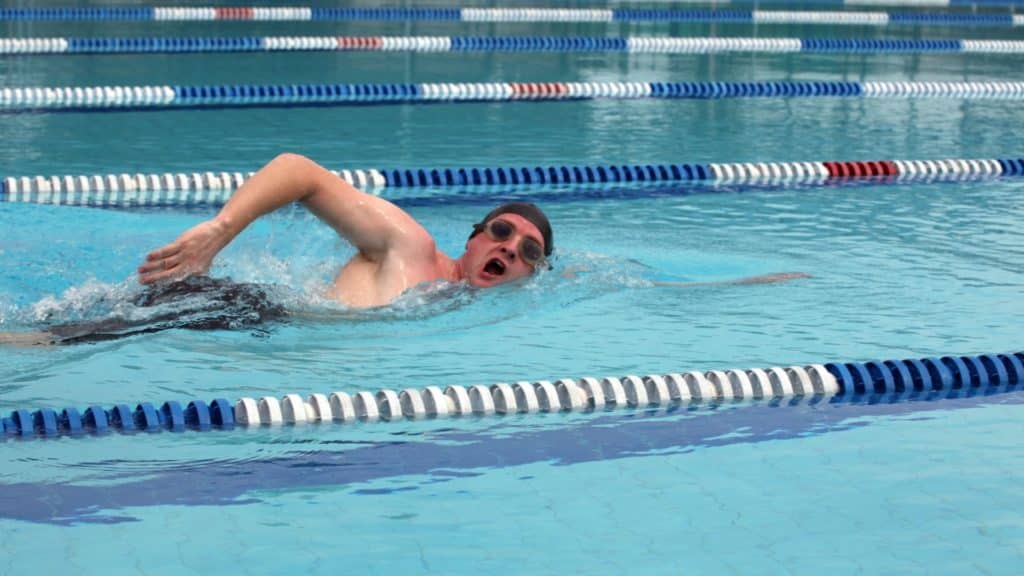
Reach forward with one arm, entering the water fingertips first in front of your shoulder. Pull your hand through the water in an S-shaped pattern beneath your body, pushing back toward your hip. As one arm finishes its pull, the other arm begins its reach forward. Your arms should alternate continuously in a windmill-like pattern. Keep your fingers together and slightly cupped to maximize the pulling surface.
Breathing Technique
Breathing in front crawl involves turning your head to one side during the arm recovery phase. As your arm lifts out of the water, rotate your head to the side just enough to take a quick breath. Your mouth should barely clear the water surface. Exhale steadily through your nose and mouth while your face is in the water between breaths. Most beginners breathe every two or three strokes — find whatever rhythm feels most comfortable as you learn.
Common mistake: Looking forward while swimming drops your hips and creates a braking effect. Keep your eyes down toward the bottom of the pool and only rotate your head sideways to breathe.
Focusing on one element at a time during practice sessions enhances skill development in swimming. Master arm movement first, then breathing, then combine them — instead of trying to perfect everything simultaneously.
Watch: How to Swim Front Crawl (Freestyle)
Step 5: Adding Back Crawl and Other Swimming Strokes
Once you are comfortable with front crawl, expanding your stroke repertoire improves your versatility, fitness, and confidence in the water. Stroke improvement should be a continuous goal at every swimming level.
Back Crawl (Backstroke)
Back crawl is essentially front crawl performed on your back. It is excellent for beginners because your face stays out of the water, making breathing easy. Float on your back and use an alternating flutter kick. Your arms alternate in a windmill motion over your head, entering the water pinky-first behind your shoulder and pulling through the water beside your body. Front and back crawl together form the foundation of competitive swimming skills.
Elementary Backstroke
Elementary backstroke is a slower, restful stroke ideal for building endurance without intensity. Float on your back, bring both arms up to your shoulders simultaneously, extend them out to a T-position, then sweep them down to your sides while performing a whip kick. This stroke is often taught early because it lets beginners cover distance comfortably while reinforcing the back float and whip kick.
Breaststroke
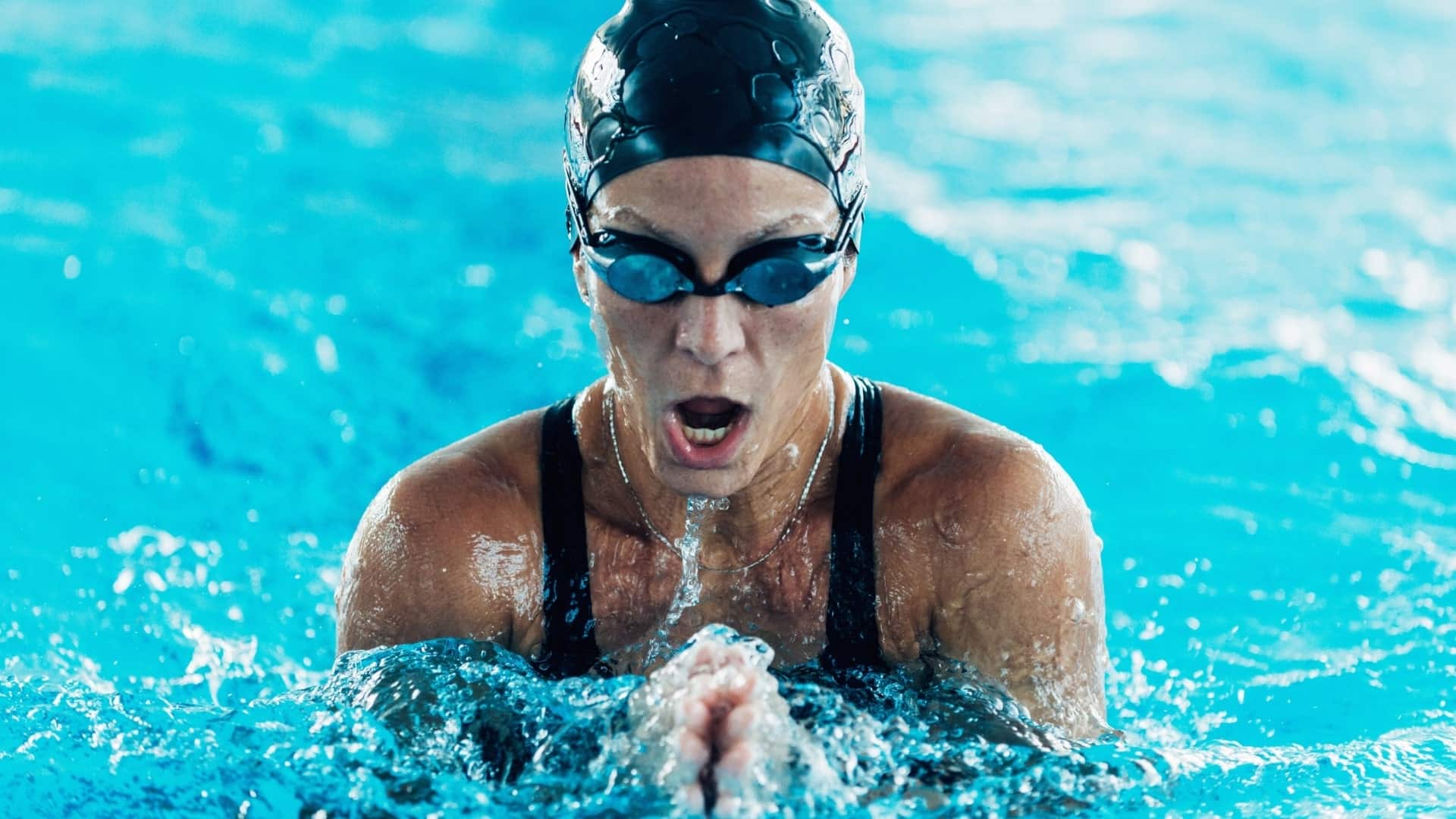
Breaststroke is a symmetrical stroke where both arms pull simultaneously in a heart-shaped pattern while your legs perform a whip kick. Breaststroke is slower than front crawl but useful for swimming with your head above water to see where you are going.
Treading Water
Treading water is the ability to stay in one place with your head above the surface. It combines a sculling motion with your hands and an eggbeater or flutter kick with your legs. Treading water is an essential survival skill for deep water and should be practiced regularly until you can tread water comfortably for several minutes. This skill is required at every advanced swimming level and is the gateway to surface dives and water polo training.
Step 6: Building Endurance, Confidence, and Stroke Refinement
Swimming is a skill that improves with consistent practice. Set your own goals — achievable, measurable, and progressive. Start with short distances of one or two pool lengths and gain confidence by adding length gradually. Focus on technique first and speed second. A smooth, efficient stroke will always be faster and less tiring than a powerful but sloppy one.
Swimming just two or three times per week produces noticeable improvements in endurance, technique, and confidence within a few weeks. As you advance, introduce interval training — alternating fast and recovery sets — to build endurance for competitive swimming or simply for personal fitness.
Stroke correction sessions with a qualified swim instructor accelerate progress more than any amount of solo practice. An instructor sees what you can’t see in yourself and can identify the one or two changes that unlock the next swimming level.
Beyond Beginner: The Lifesaving Pathway
Once you have mastered foundational swimming skills, an entire world of advanced training opens up. The Lifesaving Society Canada and similar bodies offer a structured progression that builds from basic swimmer to professional lifeguard. Each level adds defense methods, rescue skills, and decision making skills that complement strong swimming ability.
Canadian Swim Patrol
The Canadian Swim Patrol program is an intermediate-level pathway from the Lifesaving Society that bridges learn-to-swim and lifesaving training. It develops stronger swimming skills, introduces rescue concepts, and prepares swimmers (typically ages 8 to 12) for entry into the Bronze Star and Junior Lifeguard Club programs.
Junior Lifeguard Club
The Junior Lifeguard Club introduces children ages 8 to 12 to lifeguarding skills, fitness, and water safety leadership. Participants build endurance, learn surface support techniques, and practice rescuing both conscious victims and unconscious victims in a controlled training environment. This program is excellent preparation for the certification pathway that follows.
Bronze Star
Bronze Star is typically the first formal lifesaving certification. It teaches participants the principles of judgment, knowledge, skill, and fitness — the four pillars of Lifesaving Society training. Bronze Star focuses on personal water safety, recognizing emergencies, and contacting emergency medical services when needed.
Bronze Medallion
Bronze Medallion is the foundational lifesaving certification for anyone over 13. Candidates develop swimming strokes and skills, surface dives, treading water for extended periods, and the rescue techniques used to save conscious victims and unconscious victims. Bronze Medallion is a prerequisite for almost every advanced aquatic credential in Canada.
Bronze Cross
Bronze Cross is the next step — designed for swimmers preparing to become assistant lifeguards or pursue the National Lifeguard certification. Bronze Cross builds on Bronze Medallion with stronger rescue skills, better fitness standards, and deeper first aid skills.
National Lifeguard
National Lifeguard is Canada’s professional lifeguarding certification. It requires significant swimming skills, surface support endurance, rescue ability, and complete first aid skills. Becoming a National Lifeguard opens employment at pools, waterfronts, and waterparks across the country.
Synchronized Swimming and Water Polo
Once foundational swimming skills are strong, athletes can pursue specialty disciplines like synchronized swimming or water polo. Both require highly developed swimming skills, exceptional treading water endurance, and the ability to perform complex motor skills under pressure.
Adult Swim: It’s Never Too Late to Learn
Adults make up a large and growing segment of new swimmers. If you never had the opportunity as a child, adult swim classes are designed for you — at your own pace, in a judgment-free environment, with one instructor focused on your comfort and progress.
Many adults benefit from private swim lessons during the early weeks to build confidence in deep water and overcome anxiety before joining a group. Programs that teach water safety often include activities designed to develop basic swimming skills and promote a healthy respect for water. Leisure swim sessions also let you practice skills in a relaxed, unstructured setting between formal lessons.
Water Safety Skills Every Swimmer Should Master
Learning to swim is just one part of being safe in the water. Every swimmer should also understand:
Never swimming alone — always with a buddy or in a supervised setting
How to recognize and escape rip currents in open water
The effects of cold water on the body and how it accelerates exhaustion
Proper use of personal flotation devices
How to recognize the silent signs of drowning in others
Contacting emergency medical services quickly and clearly when an emergency occurs
Basic rescue techniques that avoid putting the rescuer at risk
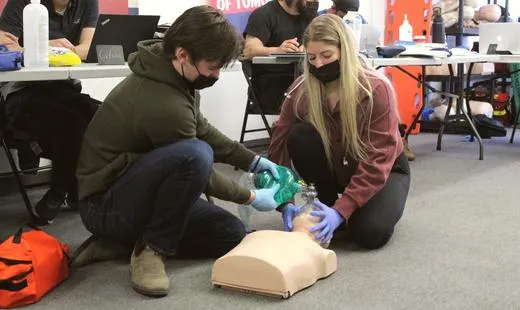
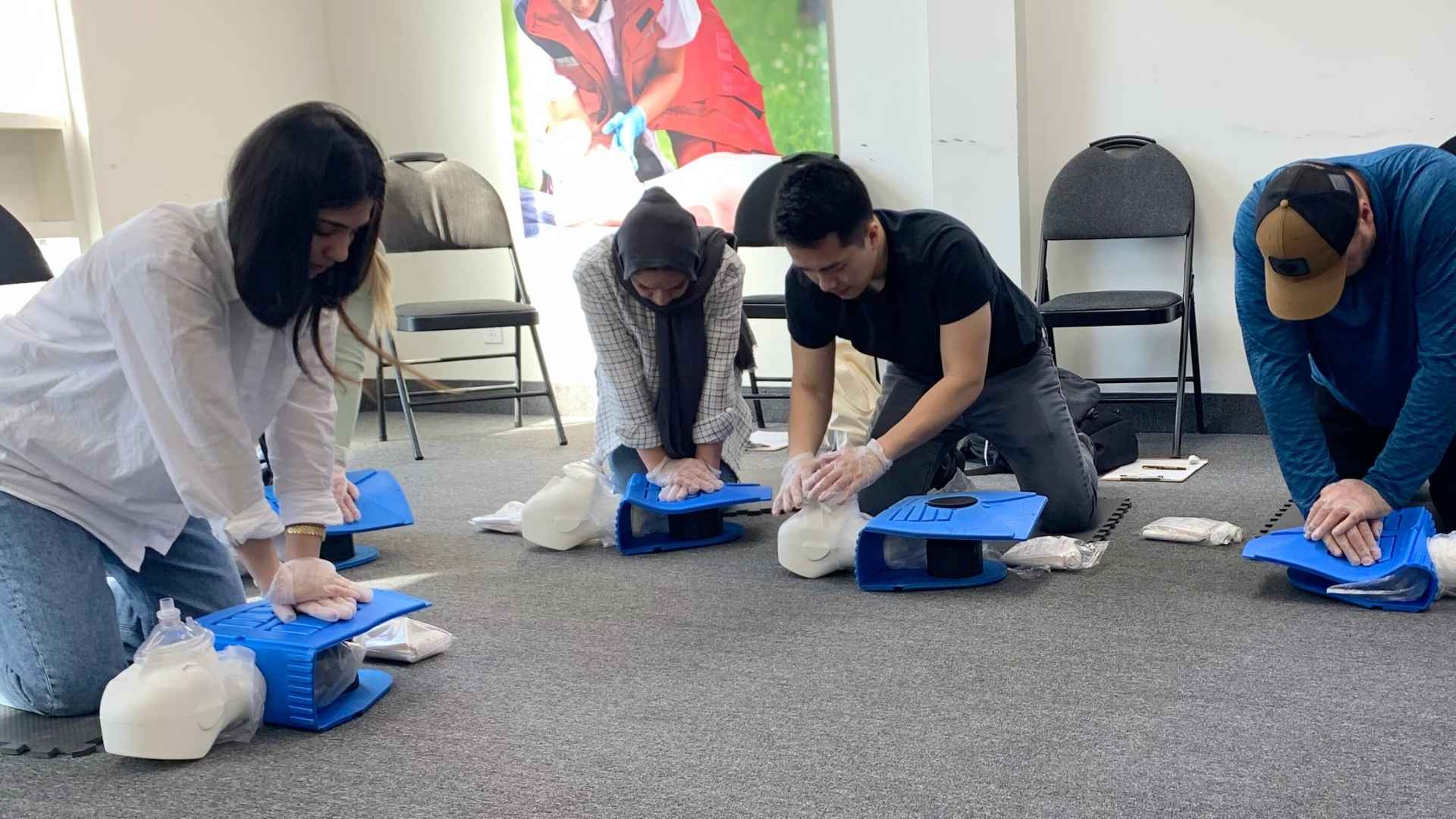
Pairing your swimming skills with proper first aid and CPR training creates a comprehensive safety foundation. Many lifesaving certifications require both — and any responsible swimmer eventually adds these skills regardless of certification path.
Canadian Certification Note: For official curriculum and certification requirements followed by accredited Canadian swim instructors, consult the Lifesaving Society Canada — the national authority on swim and lifesaving certifications.
Start Your Swimming Journey Today
Whether you are a complete beginner or refining your technique, Coast2Coast offers programs for every age and skill level. Find a location and register in 2 minutes.
Frequently Asked Questions: 2026 Learn to Swim Guide
Q1: What is the best way to learn swimming as a beginner?
A: The best way to learn swimming as a beginner is to take structured, professional swimming lessons and practice in shallow water. Start with water acclimation, controlled breathing, and floating before adding kicks and strokes. A certified swim instructor accelerates progress, builds confidence, and corrects technique errors before they become bad habits.
Q2: At what age can a child start swimming lessons?
A: Swimming lessons are available for various age groups, starting from infants as young as 4 months and continuing through adulthood. Parent-and-tot classes for infants focus on water comfort and parental bonding. Independent swim lessons typically begin around age 3 to 4, depending on the child’s readiness.
Q3: How long does it take to learn to swim?
A: Most beginners can swim a basic front crawl across a pool within 8 to 12 weeks of consistent lessons (one or two sessions per week). Adults often progress faster initially because they understand instructions better but may take longer to overcome water anxiety. Stroke refinement and endurance development continue for years.
Q4: Are private swim lessons better than group lessons?
A: Private swim lessons offer one instructor focused entirely on one learner, accelerating progress and addressing fears faster. Group lessons are more affordable and provide social motivation, especially for children. Many swimmers benefit most from private lessons at the start, then transitioning to group classes once foundational skills are in place.
Q5: What should I wear to my first swim lesson?
A: Wear a well-fitting swimsuit that allows full range of motion. Bring a towel, goggles (highly recommended for breath control practice), and a swim cap if you have long hair. Avoid loose clothing or cotton swimwear that creates drag.
Q6: What is a swim assessment?
A: A swim assessment is a short evaluation by a certified swim instructor that determines your appropriate swimming level for registration. Many swim programs include free swim assessments. The assessment checks comfort in water, breath control, floating, kicking, and any existing stroke ability.
Q7: Can adults really learn to swim?
A: Yes. Adult swim classes are designed specifically for learners over 18, including complete beginners. Adults often learn faster than expected once they overcome initial water anxiety. Private lessons are particularly effective for adult beginners who want to learn at their own pace.
Q8: What is the easiest swimming stroke to learn first?
A: Elementary backstroke and front crawl are the most common starting strokes. Elementary backstroke is restful and keeps the face above water, making breathing easy. Front crawl is more efficient and prepares swimmers for competitive swimming. Most instructors teach foundational floating and kicking before introducing either stroke.
Q9: How do I overcome fear of deep water?
A: Build confidence gradually. Master back floating and treading water in shallow water first. Then progress to slightly deeper sections with a wall or instructor nearby. Many adults benefit from private swim lessons that address water anxiety specifically. Never push past your comfort zone without proper surface support nearby.
Q10: What is the difference between Bronze Star, Bronze Medallion, and Bronze Cross?
A: Bronze Star is an introductory lifesaving certification focused on personal water safety. Bronze Medallion teaches rescue skills, swimming strokes and skills, treading water, surface dives, and the basics of saving conscious and unconscious victims. Bronze Cross builds on Bronze Medallion with advanced rescue techniques and is a prerequisite for the National Lifeguard certification.
Q11: Do swimming lessons include first aid training?
A: Beginner swimming lessons focus on swim skills, not first aid. However, lifesaving programs like Bronze Medallion and Bronze Cross integrate aid skills, including CPR, rescue breathing, and how to manage conscious and unconscious victims. National Lifeguard requires full first aid certification alongside swimming ability.
Q12: What is the Canadian Swim Patrol program?
A: Canadian Swim Patrol is an intermediate-level program offered through the Lifesaving Society that bridges learn-to-swim and lifesaving training. It develops stronger swimming skills, introduces rescue concepts, and prepares swimmers (typically ages 8 to 12) for entry into the Bronze Star and Junior Lifeguard Club programs.
Q13: How important is breathing technique in swimming?
A: Proper breathing prevents panic and helps maintain relaxation in water — it is one of the most important fundamental swimming skills. Most beginners struggle with rhythm rather than physical ability. Practicing exhaling underwater through the nose and mouth, then inhaling quickly during the stroke recovery, becomes second nature with consistent practice.
Q14: Can I learn to swim on my own without lessons?
A: It is possible but not recommended. Self-taught swimmers often develop technique errors that limit progress and increase injury risk. Nationally-accredited swim programs taught by certified instructors build confidence, correct form, and ensure safety. A few professional lessons at the start pay dividends for decades of safer, more efficient swimming.
Q15: What comes after learning the basic strokes?
A: After mastering front crawl, back crawl, breaststroke, and elementary backstroke, swimmers typically progress to stroke refinement, interval training for endurance, and specialty disciplines. The Lifesaving Society pathway — Canadian Swim Patrol, Junior Lifeguard Club, Bronze Star, Bronze Medallion, Bronze Cross, National Lifeguard — provides a structured progression into lifeguarding, synchronized swimming, water polo, or competitive swimming.
About This Article — Expertise & Sources Content reviewed by the Coast2Coast First Aid & Aquatics certified swim instructor team. Curriculum and certification information sourced from the Lifesaving Society Canada, Canadian Red Cross Swim programs, and the Public Health Agency of Canada drowning prevention guidelines. Coast2Coast First Aid Inc. is an active Canadian Red Cross Training Partner with certified swim instructors holding Bronze Cross, National Lifeguard, and Red Cross Water Safety Instructor credentials. Last reviewed: March 2026. For corrections or additional information, contact info@c2cfirstaidaquatics.com or 1-866-291-9121.