Remote First Aid – Challenges And Solutions

Hiker appreciating the mountains and a lake in Alberta

With great adventure comes great responsibilities.” Venturing into Canada’s incredible wilderness is exhilarating, but adventure can be challenging at the same time. There might be a possibility where help is hours away. Here’s when remote first aid skills come to the rescue. Unfortunate events like accidents, mishaps or injuries could happen even in the most serene places. That is why it’s crucial to understand the situation and act accordingly, ensuring you have the necessary skills and supplies. Let’s discover the challenges that can arise in remote locations and how to prepare yourself to be a lifesaver.

Continue reading

How do I Become an EMR Instructor?

Emergency-Medical-Responders

Emergency Medical Responder (EMR) personnel are the frontliners in an emergency and are trained rigorously to respond aptly and quickly to emergencies. EMR instructors ensure that people who aspire to be EMRs are trained according to the rules and guidelines and are fully equipped to deal with any emergency that might arise. Find out what all it takes to become an EMR Instructor in this blog.

Continue reading

Is the EMR Exam Difficult to Pass?

is the emr exam difficult to pass

Emergency Medical Responder (EMR) courses are far more intense than First Aid CPR training. First responders are trained to provide care in a pre-hospital setting, offering professional life support. During the 8-day (80 hours) course participants cover theory and practical lessons of the different scenarios they will face. They learn how to do a patient assessment and offer life-saving care.

EMRs are crucial in assisting emergency medical providers in many situations, including accidents, life threatening emergencies,  emergency childbirth, and etc. Assistance includes helping with a patient’s resuscitation, airway management, providing first aid for wounds and broken bones, and preparing patients for transport. EMR training includes stabilizing spinal and neck injuries, offering protection from infection, controlling bleeding, and stabilizing patients suffering from hyperthermia or exposure to hazardous substances.

Taking the Exam

On completion of the EMR course, in Mississauga, for instance, candidates are required to take the examination to assess their skills. The exam is divided into two sections, the written and the practical test.

What does the practical exam consist of?

During the practical test, candidates are given two complete scenarios to treat. One consists of a medical emergency (e.i Child with asthma) and the other a trauma emergency (e.i burns to chest) which has more complications because of the nature of the injury.

There will be standardized scenarios that contain the context of what has happened to the injured individual along with all the details for the vitals in order to make the scene more realistic. Example below:

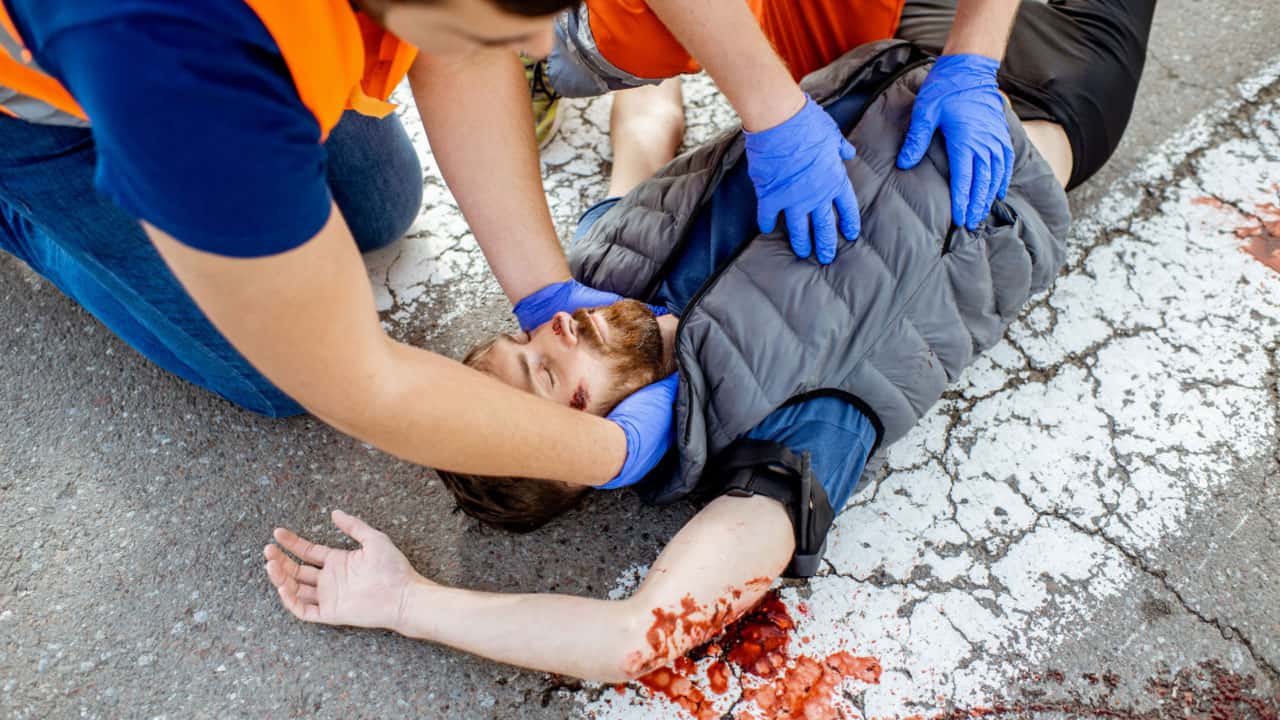
“It’s midday on a Saturday in the fall, when you respond to an emergency about a pedestrian struck by a vehicle on a busy street. As you approach the scene, you see that the police have blocked off the street and rerouted traffic; the scene is safe. Upon reaching the female patient, you notice she is not moving. She appears to be in her mid-50s. The police are speaking to witnesses; however, information is limited. The patient is supine on the street, and police state she is approximately 30 feet from where the impact occurred.” (Reference: Canadian Red Cross Society)

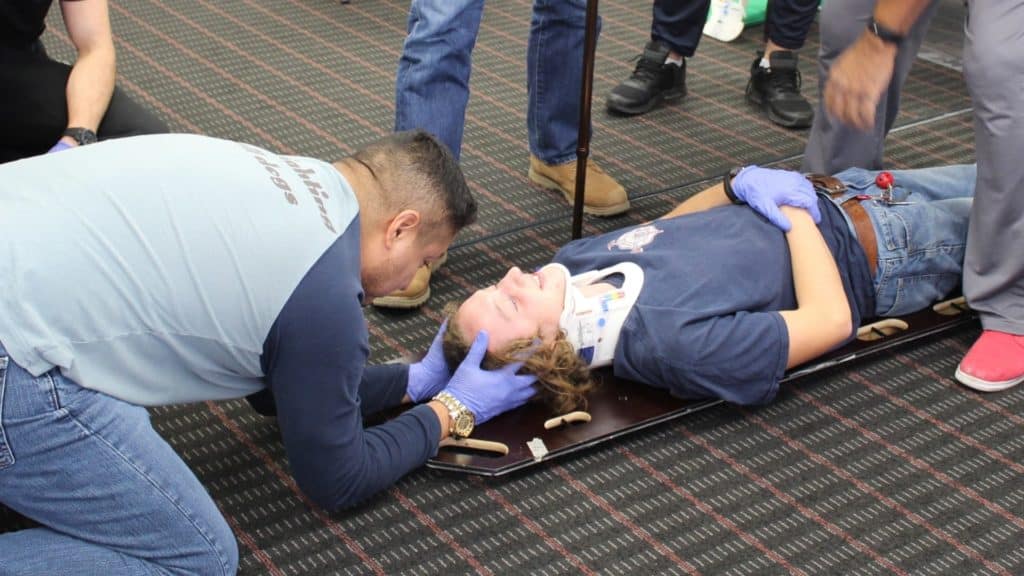
A person wearing a neck brace is lying on a backboard while another person kneels beside them, holding their head. Several people are standing nearby, all wearing gloves, on a carpeted floor.

Inquire about EMR or FR Training

EMR and FR training prepares students who are/wish to work in a first responder role! Call us, toll-free, to learn more about our Emergency Medical Responder and First Responder training courses.

Scenarios differ in their complexity and the intervention that is expected from the professional responder to perform. However, regardless of the scenario, candidates are expected to successfully demonstrate:

  • Scene Assessment
    • Environment
    • Hazards
    • Mechanism of Injury
    • Number of patients 
    • Resources
    • Personal Protective Equipment
  • Primary Assessment
  • Secondary Assessment
    • SAMPLE questions
    • Pain Scale (OPQRST)
  • Vital signs
    • Pulse
    • Respiration
    • Blood Pressure
    • Pupils 
    • Skin
    • Level of Responsiveness/ Glasgow Coma Scale 
    • SpO2
    • Body Temperature 
    • Blood Glucose Level
  • Head to toe physical assessment
  • Ongoing checking of vitals

Depending on the scenario, there will be at least one injured individual and one bystander present. 

Candidates will be completing the scenario in pairs, that is there will be responder 1 and responder 2. The former is expected to take the lead while the latter will provide assistance as some of the interventions may require more than one responder. 

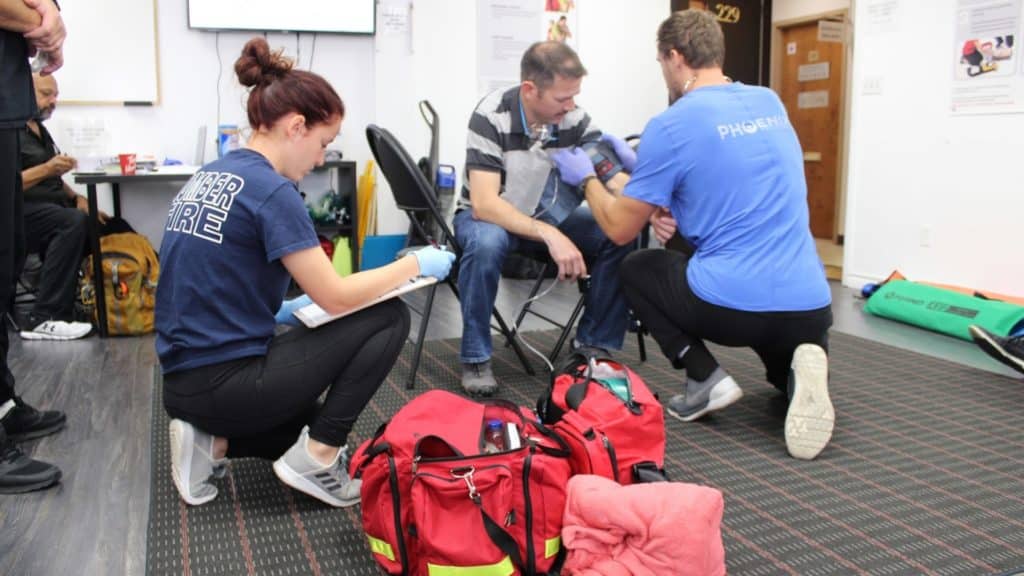
Three people in a room during a medical training exercise. Two individuals in blue shirts assist a seated man, wrapping a bandage around his forearm. Medical equipment and bags are on the floor. This appears to be a first aid or emergency scenario practice.

What does the written test consist of?

In a test that encompasses the whole textbook, candidates are called to answer 100 questions. The sections candidates are questioned on include:

  • Infection control
  • Anatomy and physiology
  • Assessment of patients
  • Airway management
  • Circulatory emergencies
  • Shock
  • Hemorrhage and soft tissue trauma
  • Musculoskeletal injuries
  • Chest abdominal and pelvic injuries
  • Head and spinal injuries
  • Acute and chronic illnesses
  • Poisoning
  • Environmental illness
  • Pregnancy, labour, and delivery
  • Special populations
  • Crisis intervention
  • Reaching, lifting, and extricating patients
  • Transportation
  • Multiple casualty incident
  • Pharmacology
  • Marine environment
  • Workplace

Questions based on patient care are focused mostly on adult and geriatric care, but also include pediatric care.

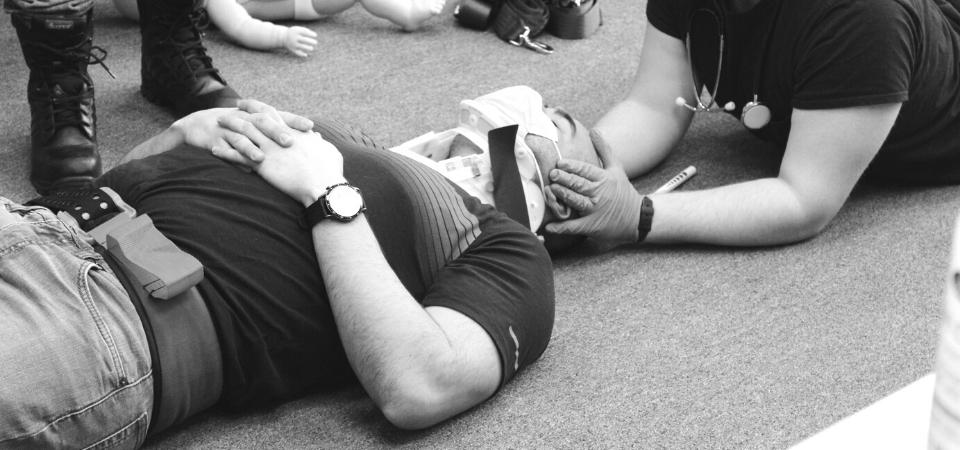
A person lying on the floor with eyes closed, wearing a watch. Another person, wearing a stethoscope, gloves, and a medical mask, is supporting their head and checking their breathing. Medical equipment is visible nearby.

Questions About FR or EMR?

If you have any questions regarding an upcoming FR or EMR course, please email us. Our customer service team will respond as soon as possible.

Preparing for the EMR Exam

Before taking the exam, participants are required to have 100% attendance of the course. They must pay close attention during the course because this is the first step in helping prepare for both the practical and cognitive sections of the exam. All the topics presented by the instructors are critical, and participants are encouraged to ask questions. 

Studying is important for passing the exam, and the notes are particularly useful. The questions are multiple-choice, and keep in mind that there is only one correct answer.

Certification

Once emergency medical responders (EMRs)receive their certification, they can save lives by providing immediate aid and interventions for patients during the time before paramedics and more advanced care arrive at the scene. They are also present during the transportation of patients to a hospital.

Their training teaches them to quickly assess a patient and determine the best way to treat them. EMRs also play a vital role in relaying important information concerning the patient’s condition and the initial care they provided to nurses and doctors upon arriving at the hospital. They also clean and disinfect any equipment or supplies that they use while treating a patient.

Once a candidate successfully demonstrates all the above skills in both the multiple-choice and practical scenarios, they are issued their EMR certificate. The certificate is valid for 3 years. Recertification of this program consists of a 4 day (40-hour) session to review all skills and knowledge but the pace will be much faster than the original course.

Locations to Take the Training

Coast2Coast First Aid offers the Emergency Medical Responder course at our locations across Ontario:

North York – #216, 180 Steeles Ave. W, Thornhill, Ontario

Toronto – 635A Bloor St. W, Toronto, Ontario

Markham – #2, 1080 Tapscott Rd, Markham, Ontario

Brampton – 83 Kennedy Rd. S, Brampton, Ontario

Hamilton (Stoney Creek) – #104, 43 Keefer Court, Hamilton, Ontario

London – #304A, 717 Richmond St, London, Ontario

Ottawa – 385 Rideau St, Ottawa

If you have any questions regarding enrollment, please do not hesitate to contact us toll-free at 866-291-9121 or via email at contact@c2cfirstaidaquatics.com.

Register for FR or EMR Training

Ready to register for your professional responder training course? Follow the links below to get started. We offer First Responder, First Responder Recertification, Emergency Medical Responder, Emergency Medical Responder Upgrade and Emergency Medical Responder Recertification.

What is EMR (Emergency Medical Responder) Course?

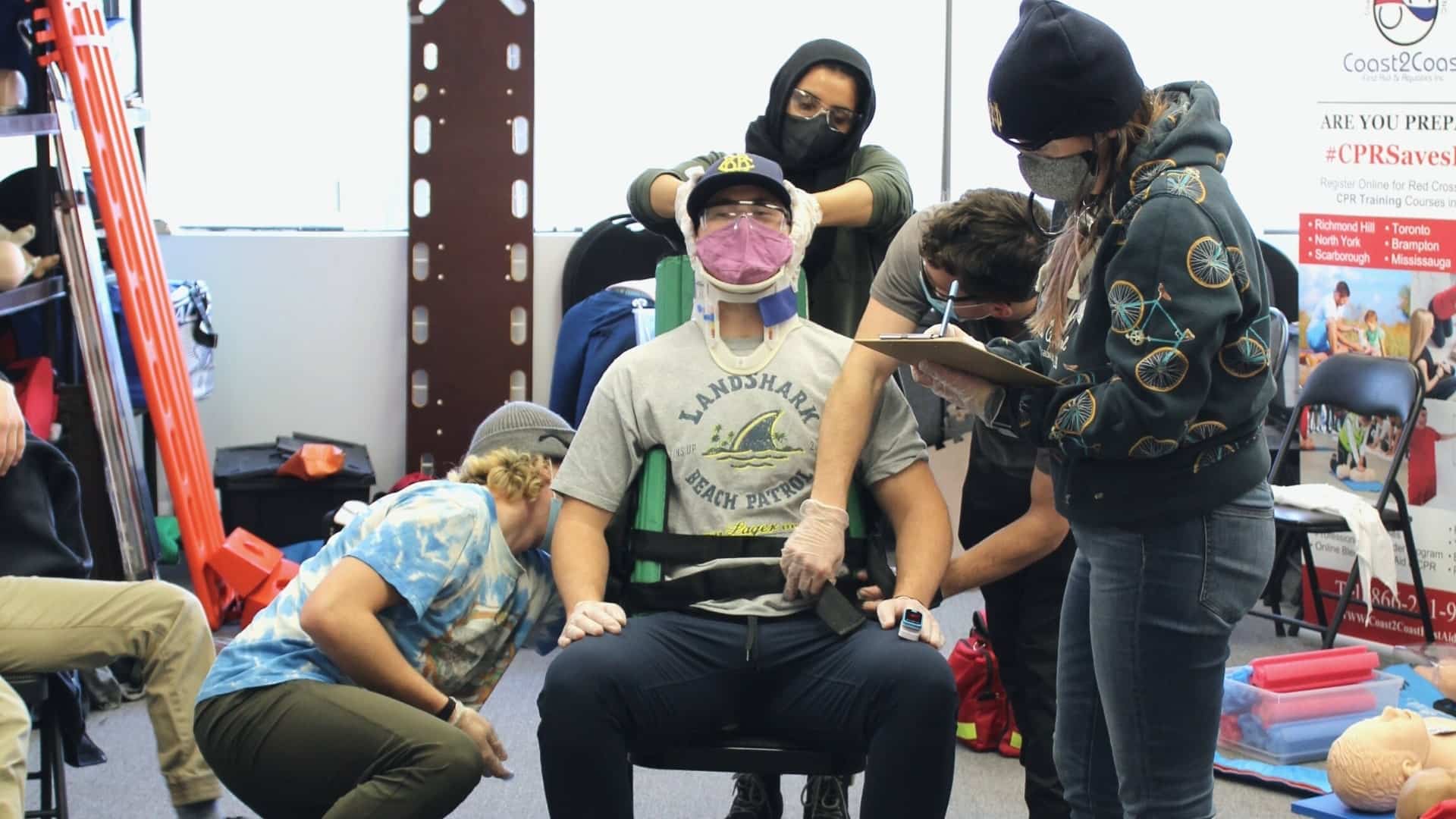
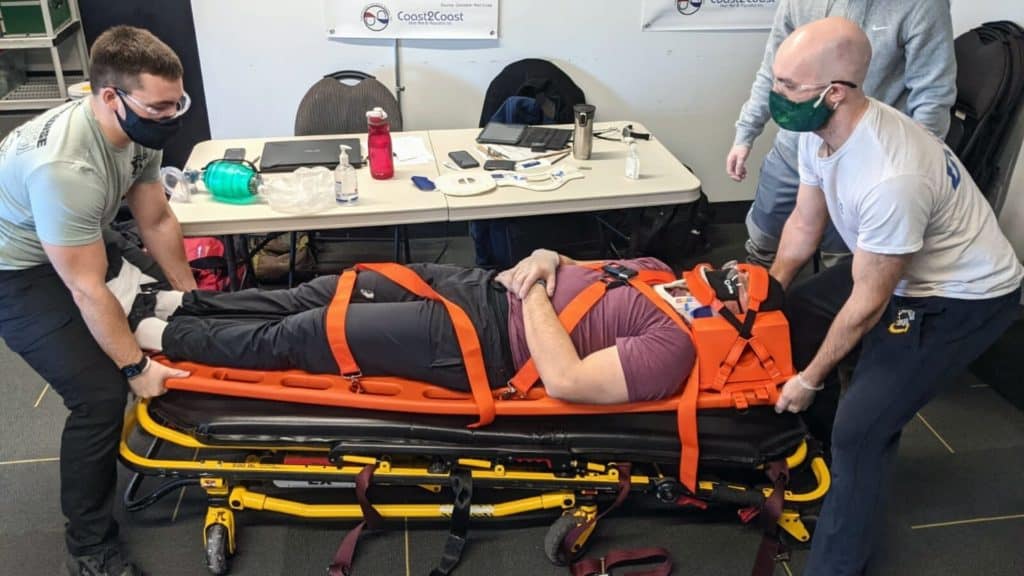
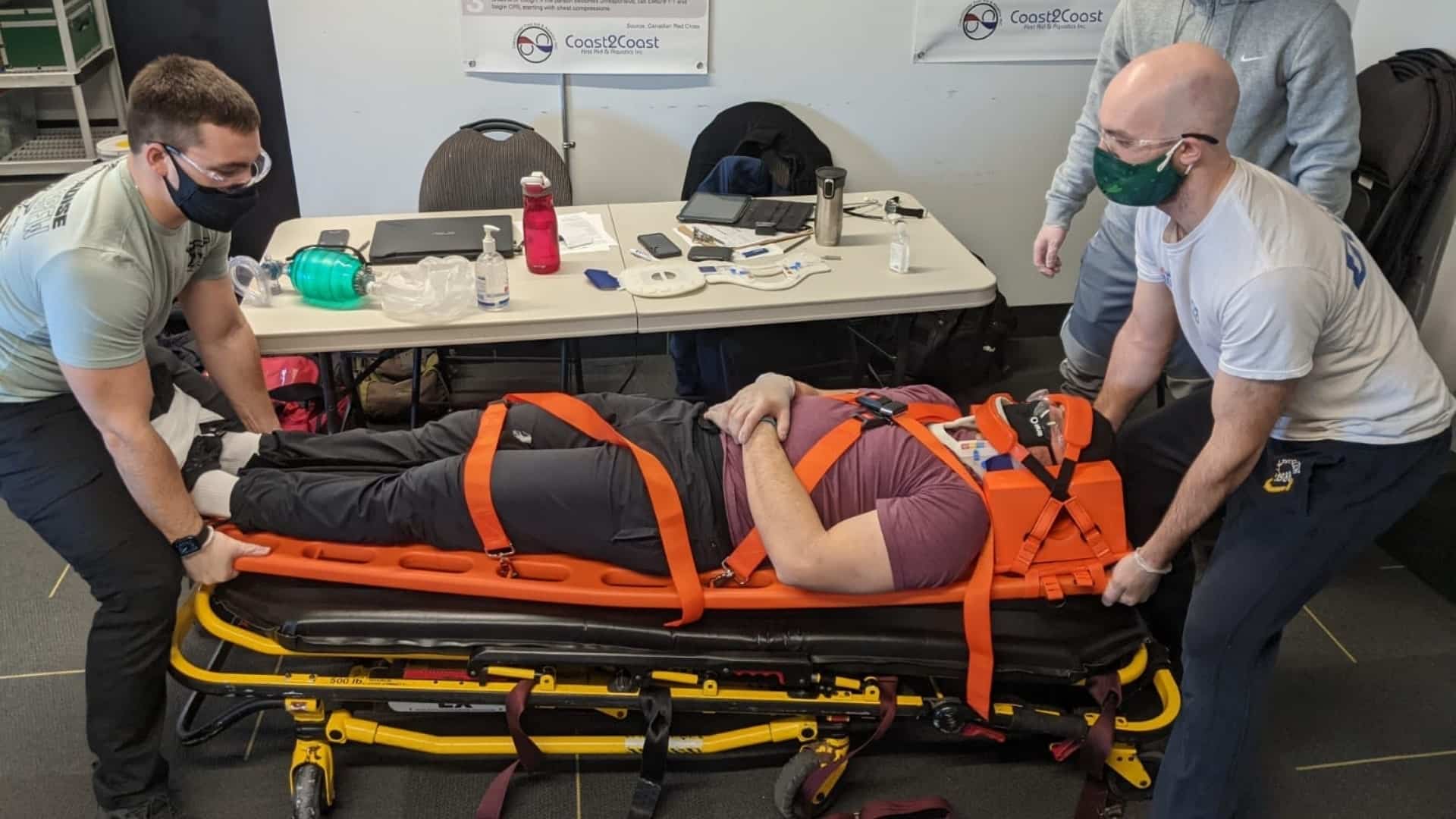
Three people are securing a person on a stretcher with orange straps. The person on the stretcher is lying down with a neck brace. A table with medical equipment is in the background. All individuals are wearing masks.

What is EMR (Emergency Medical Responder) Course?

At Coast2Coast, we believe that providing immediate life-saving care to critical patients requires in-depth knowledge and skills. Upon completion of our Emergency Medical Responders (EMR) Course, certificate holders are trained to provide basic life-saving interventions in any type of emergency.

First Responders are usually the first line of help to arrive at the scene of an emergency. They have minimal equipment at their disposal but can perform their life-saving skills as they wait for additional resources to arrive. Once completed with their training, Emergency Medical Responders are also capable of assisting higher-level personnel during patient transportation.

EMR Training Course

Learning to care for patients as a first responder requires the proper training. This is easy to do when you register for EMR training at Coast2Coast.

The Course

Successful candidates, who pass every section of the course, receive the Canadian Red Cross certification. The certificate is valid for 3 years. At Coast2Coast, our dedicated instructors have put together high-quality programs that follow the Canadian Red Cross guidelines and are based on years of experience. Our course and topics cover all types of life-saving skills that emergency medical responders may face during any type of emergency, including in a marine environment.

State-of-the-art equipment is used for all EMR training, and once the course is completed, everyone is well-versed in how to use everything. The field of emergency care is ever-evolving, and we feel it is vital that skills are learned by using the latest available technology. This ensures that the heroes who respond to emergencies in their communities are equipped to meet any situation head-on.

Register for EMR Training

Coast2Coast offers Pre-Hospital Care courses and training to First Responders, and those providing care in a pre-hospital setting. All of our training is based on the Canadian Red Cross guidelines. 

The course covers a variety of topics to ensure the ability to deal with any unexpected situations during emergencies. These include basic topics like circulation, breathing emergencies, and the prevention of disease transmission during any emergency. The instruction also includes advanced situations like sudden medical emergencies and how to deal with head and spine injuries.

Understanding workplace legislation and responsibilities are also important, and the course offers detailed instruction on these topics.

Here’s a video we made that summarizes the essentials students will review in the Emergency First Aid & CPR/AED Level C course.


Course Duration

As the highest level of First Aid and CPR/AED training, the Emergency Medical Responder course is intensive. The eight-day course takes 80 hours to complete and prepares first responder participants in both theoretical and practical training. Training is typically held over a two-week period. Occasionally, courses will run over four weekends for those who cannot attend during weekdays.

Other Important Course Topics

Lifesaving and patient assessment skills require hours of practice and during the course, many different scenarios are covered. This ensures the students are ready to care for patients as first responders.

During the 80-hour course, the participants learn anatomy and physiology, circulatory emergencies, airway management, and respiratory emergencies. Other important topics covered include threatening hemorrhages and soft tissue trauma, shock, choking, all types of musculoskeletal injuries, acute and chronic illnesses, pregnancy emergencies (including labour),  and crisis intervention. Pharmacology, transportation, dealing with multi-casualty emergencies, and reaching and extricating patients are also taught. This is an intense and complete course that covers the needs of every person wanting to work as a first responder.

What Types of Training Courses are Available?

Once the basic First Responder training is completed, some responders choose to do an Emergency Medical Responder Upgrade course. The upgrade course provides Emergency Medical Responders another 40-hours of theoretical learning and hands-on training.

For those who need EMR training recertification, there is a 4-day training course. Recertification is important because responders get to learn the latest techniques and how to use the latest technology. Not only do they learn the latest techniques, but they also get time to practice skills they may not be as familiar with.

At Coast2Coast, groups of eight participants or more also have the option of booking a private training course. This can either be held at one of our facilities, or an experienced instructor can come to your location.

A

About the Author

Ashkon Pourheidary, B.Sc. (Hons) — Co-Founder, Coast2Coast First Aid & Aquatics

Ashkon has been a certified First Aid and CPR instructor since 2011 and an Instructor Trainer since 2013. He is also a certified Emergency Medical Responder (EMR) instructor, Psychological First Aid instructor, and BLS (Basic Life Support) instructor. Ashkon graduated with honours with a Bachelor of Science in Neuroscience from the University of Toronto in 2016. As co-founder of Coast2Coast First Aid & Aquatics, he has helped grow the organization to over 30 locations across Canada and into the United States. Connect on LinkedIn

Register for First Aid Training

Register today for a First Aid training course and learn how to deal with emergencies and keep your loved ones safe! Check out our facilities and book your spot now.

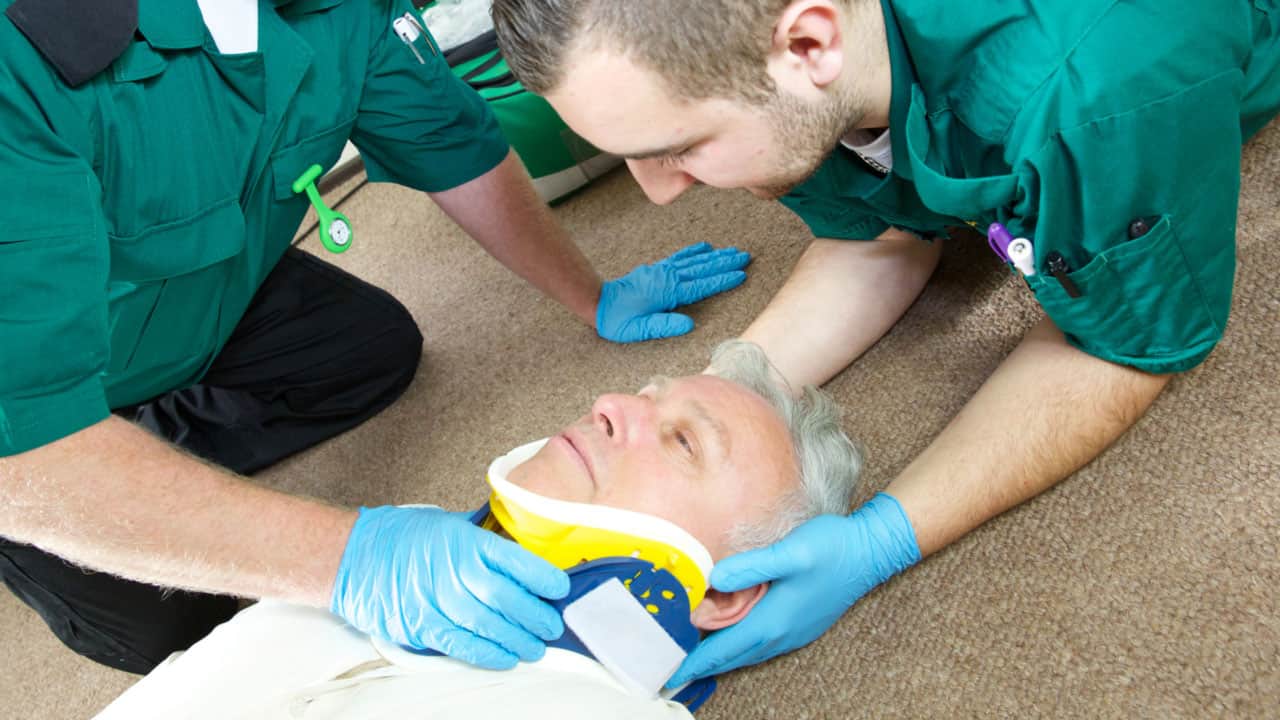
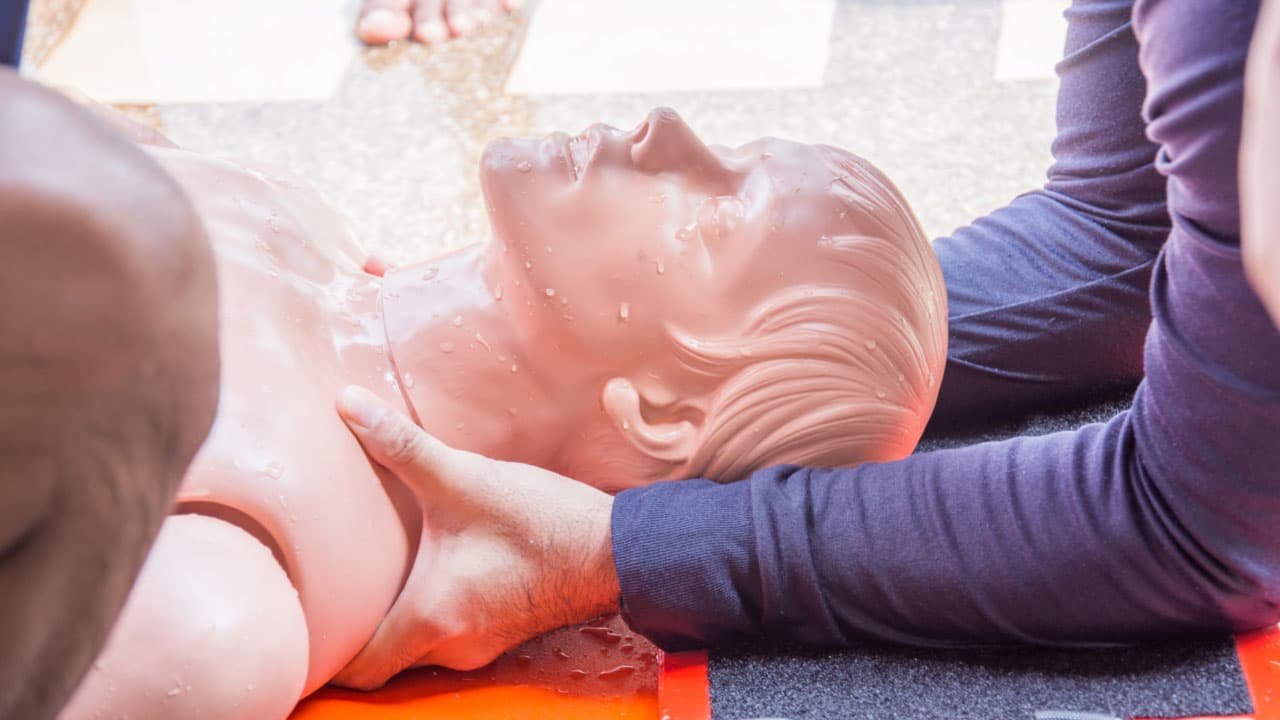
Methods to Manually Stabilize a Patient’s Head

Two paramedics assist an older man lying on a carpeted floor. They are securing a yellow and blue neck brace on him. Both paramedics wear green uniforms and blue gloves, focusing intently on providing care.

As a first responder, it’s important to know how to stabilize a patient’s head after a spine or neck injury. There are many effective methods for stabilization.

Continue reading

The Need to Know’s of an Emergency Medical Responder Course

A person wearing blue gloves performs CPR chest compressions on another individual lying on the ground. A second person assists with a bag-valve mask in the background, providing ventilation. Both wear red uniforms, indicating emergency medical services.

What Is an Emergency Medical Responder (EMR) Course?

An Emergency Medical Responder (EMR) course is an advanced pre-hospital care training program that prepares individuals to provide immediate life-saving medical assistance in emergency situations. Unlike standard first aid or CPR/AED courses, EMR training goes significantly deeper into patient assessment, trauma management, medical emergencies, and the use of specialized equipment. EMR-certified individuals serve as the critical bridge between the moment an emergency occurs and the arrival of paramedics or hospital-based care, making this certification invaluable for anyone working in high-risk environments or pursuing a career in emergency services.

In Canada, the EMR certification program is designed to meet the standards set by provincial regulatory bodies and is recognized nationally as a foundational credential in the emergency medical services profession. Whether you are a firefighter, lifeguard, security professional, remote worker, or someone considering a career in paramedicine, EMR training provides the knowledge and skills to manage complex medical emergencies with competence and confidence.

Emergency Medical Responder training course in Canada

Who Should Take an EMR Course?

While EMR certification is valuable for virtually anyone, certain groups benefit particularly from this advanced level of training:

Aspiring Paramedics and Healthcare Professionals

For individuals pursuing a career in paramedicine, nursing, or emergency medicine, EMR certification serves as an essential stepping stone. Many paramedic programs across Canada either require or strongly recommend EMR certification as a prerequisite for admission. The course provides a solid foundation in patient care principles, medical terminology, and clinical skills that prepare students for the more advanced training that follows in paramedic college programs.

Firefighters and Law Enforcement Officers

First responders such as firefighters and police officers are frequently the first to arrive at emergency scenes. EMR training equips these professionals with the medical knowledge to assess patients, manage injuries, and provide stabilizing care while waiting for ambulance services. Many fire departments and police services across Canada require or encourage their members to hold EMR certification.

Industrial and Remote Workers

Workers in mining, oil and gas, forestry, construction, and other industrial sectors often operate in remote locations where ambulance response times may be 30 minutes or longer. For these workers, EMR-level training can be the difference between life and death, as they may need to manage serious injuries and medical emergencies for extended periods before professional medical help arrives. Many employers in these industries require EMR certification as a condition of employment.

Lifeguards and Aquatic Professionals

Aquatic environments present unique emergency scenarios including drowning, spinal injuries from diving accidents, and hypothermia. Lifeguards with EMR certification possess advanced assessment and management skills that complement their water rescue training, making them more effective at managing complex aquatic emergencies. BLS certification is often a companion credential for aquatic professionals alongside EMR.

Safety Tip: EMR training teaches the systematic patient assessment approach used by all emergency medical professionals. Learning to assess a patient from head to toe using a structured method ensures that no injuries or conditions are missed during an emergency.

What You Will Learn in an EMR Course

An EMR course covers an extensive curriculum designed to prepare you for a wide range of medical emergencies. The training combines theoretical classroom instruction with hands-on practical skills sessions and realistic emergency simulations. Here is an overview of the major topics covered:

Core Competencies of an Emergency Medical Responder Course

Enrolling in an Emergency Medical Responder course transitions a student from basic first aid to advanced clinical intervention. The primary objective of an Emergency Medical Responder course is to master the “Primary Survey,” where you learn to identify and treat life-threatening issues with the airway, breathing, and circulation (ABCs) in seconds. Throughout an Emergency Medical Responder course, you will move beyond simple bandages to utilizing specialized equipment like manual suction units, oxygen cylinders, and cervical collars. By the end of an Emergency Medical Responder course, participants are capable of leading a medical team during multi-system trauma events, ensuring that high-level care is maintained until a paramedic transport unit arrives.

Patient Assessment

The cornerstone of EMR training is learning how to systematically assess a patient. You will learn to perform primary surveys to identify and address immediately life-threatening conditions, followed by secondary surveys that involve a thorough head-to-toe physical examination. You will also learn to obtain a patient history using standardized questioning techniques, take vital signs including blood pressure, pulse, respiratory rate, and oxygen saturation, and document your findings accurately for handover to paramedics.

Airway Management and Oxygen Therapy

Managing a patient’s airway is the single most critical skill in emergency medicine. EMR training covers advanced airway management techniques including the use of oropharyngeal and nasopharyngeal airways, suctioning equipment, and supplemental oxygen delivery systems. You will learn to recognize and manage airway obstructions, perform advanced rescue breathing techniques, and use bag-valve-mask (BVM) devices for assisted ventilation.

Trauma Management

Traumatic injuries — from motor vehicle accidents, falls, workplace incidents, and other causes — require specialized knowledge to manage effectively. The EMR course covers wound care, splinting and immobilization of fractures and dislocations, spinal motion restriction techniques, management of chest and abdominal injuries, burn treatment, and multi-system trauma assessment. You will learn to rapidly identify the most serious injuries and prioritize treatment accordingly.

Medical Emergencies

Beyond trauma, EMR students learn to recognize and manage a wide range of medical conditions including cardiac emergencies, stroke, diabetic emergencies, seizures, respiratory distress, allergic reactions and anaphylaxis, poisoning, and environmental emergencies such as hypothermia and heat stroke. Understanding these conditions and their management is essential for providing effective pre-hospital care.

first responder course

CPR and Defibrillation

EMR training includes comprehensive CPR and AED certification at the healthcare provider level. This goes beyond basic CPR to include two-rescuer CPR techniques, advanced airway management during resuscitation, and the integration of AED use into a coordinated resuscitation effort. You will practice these skills extensively to develop the muscle memory needed to perform them effectively under the stress of a real cardiac arrest.

Watch: What EMR Training Involves

Course Structure and Duration

The EMR course is significantly more comprehensive than standard first aid training. Depending on the training provider and delivery format, the course typically ranges from 40 to 80 hours of instruction. This includes classroom lectures covering medical theory and protocols, hands-on skills labs where you practice techniques on mannequins and simulated patients, scenario-based training using realistic emergency simulations, and written and practical examinations to assess your competence.

Some training providers offer intensive formats that condense the course into consecutive days, while others spread the training over several weekends to accommodate working professionals. Blended learning options may also be available, allowing you to complete theoretical components online before attending in-person practical sessions. Regardless of the format, the practical skills component requires in-person attendance, as hands-on practice is essential for developing the competence needed to perform these skills in real emergencies.

EMR Certification Requirements and Recertification

To earn your EMR certification, you must successfully complete all course components and pass both written and practical examinations. The written exam tests your theoretical knowledge of anatomy, physiology, pathophysiology, and treatment protocols. The practical exam evaluates your ability to perform patient assessments and manage simulated emergency scenarios under timed conditions. Most provinces require a minimum passing grade of 70 to 75 percent on both components.

EMR certification is typically valid for three years, after which you must complete a recertification course to maintain your credentials. Recertification ensures that your skills remain current and that you are updated on any changes to treatment protocols or best practices. Staying current with your certification demonstrates professionalism and commitment to providing the highest standard of emergency care.

Career Opportunities with EMR Certification

EMR certification opens doors to a variety of career paths in emergency services and beyond. Certified EMRs work in fire departments, industrial sites, event management companies, private ambulance services, remote medical facilities, security firms, and outdoor recreation organizations. The certification also serves as a competitive advantage for lifeguards, security professionals, and fitness instructors who want to differentiate themselves in the job market.

For those pursuing paramedicine as a career, EMR certification provides invaluable practical experience that strengthens paramedic school applications and prepares students for the academic rigour of advanced emergency medical training. Many successful paramedics credit their EMR training as the foundation that gave them the confidence and clinical thinking skills needed to excel in their careers.

Executive Summary: An Emergency Medical Responder (EMR) course provides the advanced clinical skills necessary to manage complex trauma and medical crises. Far exceeding Basic or Intermediate First Aid, this 80-hour program aligns with 2026 CSA Z1210:24 standards for high-risk workplace responders. Whether you are preparing for a career in paramedicine or securing a remote industrial site, EMR certification ensures you can provide emergency room level assessment and stabilization in the field.


Start Your EMR Training Journey

Take your emergency response skills to the next level with an Emergency Medical Responder course from Coast2Coast First Aid and Aquatics. Prepare for a rewarding career in emergency services with comprehensive, hands-on training.

Register Now

A

About the Author

Ashkon Pourheidary, B.Sc. (Hons) — Co-Founder, Coast2Coast First Aid & Aquatics

Ashkon has been a certified First Aid and CPR instructor since 2011 and an Instructor Trainer since 2013. He is also a certified Emergency Medical Responder (EMR) instructor, Psychological First Aid instructor, and BLS (Basic Life Support) instructor. Ashkon graduated with honours with a Bachelor of Science in Neuroscience from the University of Toronto in 2016. As co-founder of Coast2Coast First Aid & Aquatics, he has helped grow the organization to over 30 locations across Canada and into the United States. Connect on LinkedIn