Skip to content

How to Stop Bleeding: First Aid Guide to Internal & External Bleeding Control

To stop bleeding, cover the wound with sterile gauze or a clean cloth and apply firm direct pressure with the palm of your hand until the bleeding stops. Keep the injured area elevated above heart level if possible to reduce blood flow. For severe or life threatening bleeding that does not stop after 10 minutes of pressure, call 911 and consider a tourniquet for limb wounds or wound packing for deep injuries. Rapid intervention is critical because uncontrolled blood loss can become fatal within minutes.

Get Certified✓ Canadian Red Cross Approved

Find a First Aid Course Near You

Canadian Red Cross First Aid & CPR certification across Ontario and Alberta. Register online in 2 minutes.

View All 30+ Locations →

How to stop bleeding, first aid direct pressure technique for severe wound control

3–5 min
Time to fatal blood loss if untreated
20%
Blood loss triggers hypovolemic shock
10 min
Direct pressure before escalating

Why Knowing How to Stop Bleeding Is a Critical First Aid Skill

Uncontrolled bleeding is one of the leading causes of preventable death in trauma situations worldwide. Whether caused by a workplace accident, a kitchen mishap, a motor vehicle collision, or any other injury, severe bleeding can lead to shock and death in as little as three to five minutes if not properly managed. Therefore, the ability to control bleeding is one of the most important skills you can possess. In emergency medicine, the minutes between injury and hospital arrival often determine whether someone lives. It is also a core component of every Standard First Aid with CPR C certification course offered in Canada. You should not worry about doing it perfectly. You should worry about doing it at all.

The human body contains approximately five litres of blood. Losing even 20 percent of that volume can result in hypovolemic shock, a life threatening condition where the heart cannot pump enough blood to sustain vital organs. Understanding how to recognize different types of bleeding, apply direct pressure, and use tourniquets and other techniques gives you the power to keep a bleeding victim alive until emergency medical services arrive. These skills are not just for healthcare professionals. They are for everyone.

Types of Bleeding: External and Internal

Knowing how to stop bleeding starts with understanding what kind of bleeding you are dealing with. Bleeding falls into two broad categories, external and internal. Within each, there are important distinctions that affect how you respond.

External Bleeding

External bleeding is visible and occurs when blood escapes the body through a break in the skin. There are three types of external bleeding, classified by the type of blood vessel that is damaged.

Arterial bleeding is the most serious and most difficult to control. Blood from arteries is bright red (oxygen-rich) and spurts rhythmically with each heartbeat. Because arteries carry blood at high pressure, arterial bleeding can result in massive blood loss very quickly. Arterial bleeding requires immediate, aggressive intervention.

Venous bleeding involves blood flowing steadily from a damaged vein. Venous blood is darker red because it carries less oxygen. While venous bleeding can be severe, it is generally easier to control than arterial bleeding because veins carry blood at lower pressure. However, large veins can still produce dangerous blood loss if not managed promptly.

Capillary bleeding is the most common and least serious type. It occurs when the tiny capillaries near the skin’s surface are damaged, producing a slow ooze of blood. Most minor cuts and scrapes involve capillary bleeding. These wounds typically stop on their own within a few minutes as the body’s natural clotting mechanisms take effect.

Internal Bleeding

Internal bleeding occurs when blood vessels inside the body are damaged, causing blood to collect in body cavities or tissues. You cannot see internal bleeding directly. However, you may suspect it based on signs such as bruising, swelling, abdominal rigidity, signs of shock (pale skin, rapid pulse, confusion), blood in vomit, urine, or stool, and pain in the chest or abdomen.

Internal bleeding is a medical emergency that requires immediate medical attention at a hospital. This condition is sometimes called hemorrhaging, or uncontrolled heavy bleeding, and can occur both externally and internally. Internal bleeding can also be mistaken for other emergencies such as a heart attack, especially when symptoms involve chest pain, dizziness, or rapid pulse. Contact 911 and a doctor immediately, since only trained medical professionals with Basic Life Support (BLS) certification or higher can properly diagnose the source. If you suspect internal bleeding, keep the person still, warm, and monitored until help arrives.

How to Recognize Life Threatening Bleeding

Not every cut is an emergency, but some bleeding patterns demand immediate emergency help. Life threatening external bleeding is characterized by a significant volume of blood loss, which can be equal to about half of a soda can’s contents. The flow of blood may be continuous or spurting.

Signs of life threatening bleeding include:

  • Rapid blood loss with continuous or spurting flow
  • A wound where blood soaks through clothing or bandages within seconds
  • Symptoms of shock such as confusion, weakness, or fainting
  • Pale, cool, or clammy skin
  • A rapid or weak pulse
  • Loss of consciousness

These signs indicate the need for immediate emergency care. Call 911 first, then begin first aid. The order matters because professional help is often the most important thing you can secure for a critically bleeding person.

Safety Tip: Always wear gloves or use a barrier (plastic bag, clean cloth) when providing first aid for bleeding. This protects both you and the victim from bloodborne pathogens. If gloves are not available, have the victim apply pressure to their own wound if they are able to do so.

Step-by-Step Guide: How to Stop Bleeding

The most important thing in any bleeding emergency is acting fast with the right technique. Follow these steps in order.

Step 1: Ensure Scene Safety

Before touching a bleeding victim, quickly assess the scene for hazards. If the injury was caused by machinery, ensure it is turned off. If the scene involves violence, ensure the threat has passed. Put on disposable gloves if available. Your safety must always come first. An injured rescuer cannot help anyone.

Step 2: Call for Emergency Help

For any serious bleeding, call 911 or have someone else make the call while you begin providing first aid. For minor bleeding that you can control, medical attention may still be needed for wound cleaning, stitches, debris removal, or tetanus prevention. Even small wounds can lead to infection if debris remains lodged in the tissue. A doctor should examine any cut that involved a rusty, dirty, or contaminated object.

Step 3: Apply Direct Pressure

Direct pressure is the most effective first-line treatment for most external bleeding. To stop bleeding, cover the wound with sterile gauze or a clean cloth and apply firm pressure with the palm of your hand until the bleeding stops. Use sterile gauze, a clean towel, or a t-shirt to cover the wound. Use the flat of your hand to distribute pressure evenly over the wound.

Do not lift the dressing to check if bleeding has stopped because this disrupts clot formation. Maintain constant pressure on the wound for at least 5 to 10 minutes without lifting the cloth. Apply firm, continuous direct pressure to manage severe bleeding until medical help arrives. If blood soaks through the first dressing, do not remove it. Instead, place a second clean cloth or gauze pad directly on top and maintain pressure.

Step 4: Elevate the Injured Area

If possible and if the injury allows, elevate the bleeding limb above the level of the heart. When applying pressure to a bleeding wound, keep the injured area elevated above the heart level to help reduce blood flow. Gravity helps reduce blood flow to the injured area, which can slow bleeding and support clot formation. Continue applying direct pressure while elevating the limb. Do not elevate if you suspect a fracture or spinal injury, as movement could cause additional damage.

Step 5: Apply a Pressure Bandage

Once bleeding has slowed or stopped, secure the dressing in place with a bandage wrapped firmly around the wound. The bandage should be tight enough to maintain pressure but not so tight that it cuts off circulation entirely. Check the fingers or toes beyond the bandage periodically for signs of impaired circulation such as numbness, tingling, coolness, or colour changes.
Step 6: Help the Injured Person Lie Down

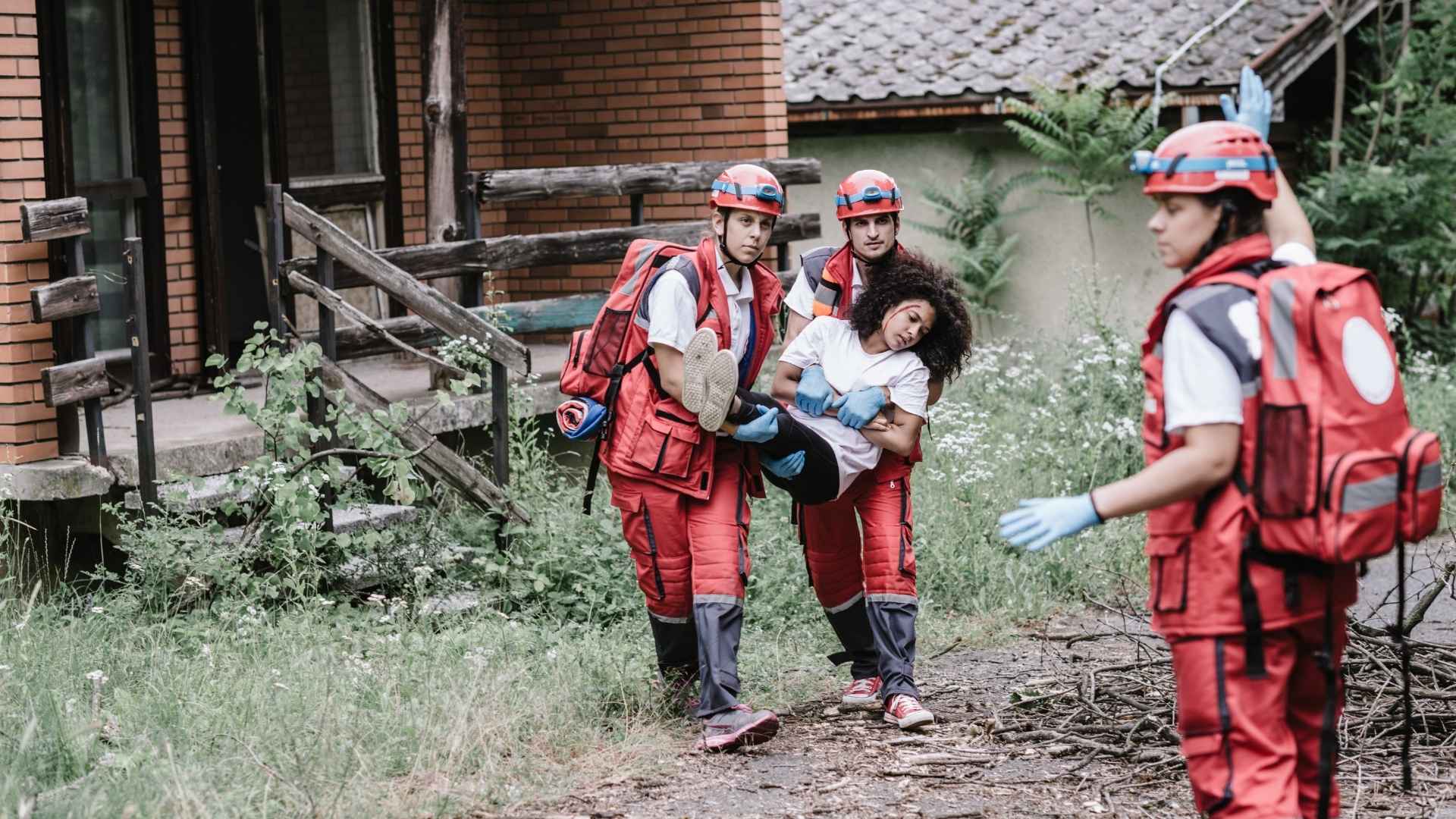
To aid circulation to vital organs, help the injured person lie down flat on the ground if their injuries allow. Cover the injured person with a blanket or jacket to maintain warmth and lower the risk of hypovolemic shock. Reassure them calmly while you wait for emergency services.

If bleeding does not stop after applying pressure for 10 minutes, seek emergency medical help immediately. At that point, you may need to escalate to a tourniquet or wound packing depending on the location and severity of the wound.

When and How to Use a Tourniquet

A tourniquet is a band that you tighten around a limb, typically above a wound, to stop blood flow from a major blood vessel that has been crushed or severed. Modern medical guidelines have evolved significantly regarding tourniquet use. Tourniquets are now recognized as life-saving devices that should be applied without hesitation when severe limb bleeding is present.

When to Apply a Tourniquet

Apply a tourniquet when:

  • Direct pressure fails to control severe bleeding from an arm or leg
  • A limb has been amputated or severely crushed
  • The wound is too large to cover with direct pressure
  • You need to manage multiple bleeding victims simultaneously

Tourniquets should only be used in situations of severe bleeding. They should not be improvised with items like scarves or belts. Commercially manufactured tourniquets (such as the CAT or SOFTT-W) are designed to apply enough pressure to fully stop arterial blood flow. Improvised tourniquets often fail to do this and can cause more harm than good. Emergency Medical Responder (EMR) training covers tourniquet application and conversion as a core trauma skill.

How to Apply a Tourniquet Correctly

  1. Place the tourniquet 5 to 7 centimetres above the wound, never directly on a joint
  2. Tighten it until the bleeding stops completely
  3. Write the time of application on the tourniquet or on the person’s skin
  4. Do not remove the tourniquet once it is applied. This should be done only by medical professionals at a hospital
  5. When applying a tourniquet, inform emergency responders how long the tourniquet has been in place once they arrive

Wound Packing for Deep Wounds

For deep wounds in areas where a tourniquet cannot be applied, such as the neck, armpit, shoulder, or groin, wound packing is the appropriate technique. This involves firmly packing clean material directly into the wound cavity and then applying pressure on top.

For serious wounds, pack the gauze tightly inside the cavity if pressure alone fails, and press hard on top. Use gauze, clean cloth, or any available clean material. Pack the wound tightly, filling the entire cavity, then hold firm pressure over the packed wound. While wound packing may seem aggressive, it is a proven technique that controls bleeding from deep wounds by creating internal pressure against damaged blood vessels.

Embedded Object and Impaled Wounds

If an object is embedded in a wound, do not remove it. The embedded object may be controlling bleeding by plugging the damaged blood vessel. Do not remove impaled objects from a wound, as they act as a plug. Instead, press firmly around the object, never on top of it.

Apply padding around the embedded object to stabilize it and apply pressure around, not on, the object. Bandage around the object to keep it stable during transport. Seek emergency medical care immediately. Hospital staff will remove the object in a controlled environment where they can manage any bleeding that follows removal.

Recognizing and Managing Shock

Significant blood loss can lead to shock, a life threatening condition that occurs when the body’s organs do not receive enough blood flow. Recognizing shock early and managing it appropriately is a critical part of bleeding control.

Signs of Shock

  • Pale, cool, and clammy skin
  • Rapid and weak pulse
  • Rapid and shallow breathing
  • Confusion or altered consciousness
  • Dizziness and weakness
  • Nausea and thirst
  • Anxiety or restlessness

How to Manage Shock

To manage shock, keep the person lying down and elevate their legs approximately 30 centimetres if their injuries allow. Cover them with a blanket to maintain body temperature. Reassure them calmly and monitor their breathing and consciousness. Do not give them anything to eat or drink. Continue bleeding control measures and wait for emergency services.

Bleeding and Blood Thinners: A Special Consideration

People taking blood thinners face a higher risk during any bleeding event. Blood thinners, also known as anticoagulants and antiplatelet medications, work to prevent blood clots from forming in the body. Anticoagulants block the production of certain natural proteins needed to form clots, while antiplatelet medications prevent platelets from sticking together.

When someone is on blood thinners, applying pressure to a wound is crucial. It may take significant pressure to stop bleeding, and if bleeding does not stop, immediate medical attention is necessary. Examples of common blood thinner medicines include warfarin, apixaban (Eliquis), rivaroxaban (Xarelto), dabigatran (Pradaxa), aspirin, and clopidogrel (Plavix). These examples cover both prescription and over-the-counter options. Always ask the injured person which medicine they take if they are conscious, and share this information with paramedics on arrival.

Special Bleeding Situations

Nosebleeds

Have the person sit up and lean slightly forward to prevent blood from running down the throat. Pinch the soft part of the nose firmly for 10 to 15 minutes without releasing to check. Apply a cold compress to the bridge of the nose. Seek medical attention if the nosebleed lasts longer than 20 minutes or was caused by trauma.

Mouth and Tongue Wounds

For bleeding inside the mouth or from the tongue, have the person sit up and lean forward to avoid swallowing blood. Apply direct pressure with clean gauze. Tongue wounds bleed heavily because of rich blood supply but usually clot well with sustained pressure. Seek dental or medical care if bleeding continues beyond 10 minutes.

Scalp Wounds

Scalp wounds tend to bleed dramatically because the scalp has abundant blood flow. The bleeding often looks worse than the injury actually is. Apply firm direct pressure with a clean cloth or sterile gauze pad. Most scalp wounds respond well to pressure, but they may require stitches at a hospital.

What Not to Use on Open Wounds

Do not use hydrogen peroxide on deep or actively bleeding wounds. Hydrogen peroxide can damage healthy tissue and slow healing. It also bubbles dramatically, which can dislodge clots that are starting to form. Save hydrogen peroxide for cleaning minor scrapes after the bleeding has fully stopped, if you use it at all. For active wounds, clean water and direct pressure are the safest approach.

Ontario Workplace Note: Ontario employers must maintain trained first aid responders on site under WSIB requirements. Confirm your workplace’s specific obligations at wsib.ca/en/firstaid. For multi-employee teams, private group first aid training is often the most efficient way to certify everyone at once.

When to Seek Immediate Medical Attention

Call 911 or go to an emergency department immediately when:

  • Bleeding does not stop after 10 minutes of firm direct pressure
  • The wound is deep, gaping, or longer than half an inch
  • An object is embedded in the wound
  • You see exposed muscle, fat, or bone
  • The wound was caused by a dirty or rusty object
  • The bleeding person shows signs of shock or loses consciousness
  • The wound is on the face, neck, or near a joint
  • You suspect internal bleeding from blunt trauma
  • The injured person is on blood thinners and bleeding will not slow
  • The wound was caused by a human or animal bite

When in doubt, contact a doctor or call your local emergency information line. Worry less about overreacting and more about underreacting. The risk of waiting too long is far greater than the risk of seeking help unnecessarily.

The Importance of Hands-On First Aid Training

Reading about bleeding control is valuable, but nothing replaces hands-on practice. In a certified first aid course, you will practice applying direct pressure, using tourniquets, packing wounds, and managing simulated bleeding scenarios under the guidance of experienced, trained instructors. Trained first aid responders consistently outperform untrained bystanders during real emergencies.

For those who cannot attend a full day of classroom training, Coast2Coast also offers online blended learning. You complete the cognitive theory at your own pace online, then attend an in-person skills session to demonstrate competency. This format is especially popular with healthcare students, busy parents, and shift workers.

Coast2Coast offers Canadian Red Cross certified first aid courses across more than 30 locations in Ontario and Alberta. Contact our team to find the format and location that fits your schedule.

Learn to Save a Life, Get First Aid Certified

Master bleeding control, CPR, and other critical emergency skills with a Canadian Red Cross First Aid course from Coast2Coast.

Register Now, Find a Course Near You

Frequently Asked Questions: 2026 How to Stop Bleeding

Q1: What is the first step in stopping bleeding?

A: The first step is to ensure the scene is safe and put on gloves if available. Then, cover the wound with sterile gauze or a clean cloth and apply firm direct pressure with the palm of your hand. Maintain pressure for at least 5 to 10 minutes without lifting the cloth to check. Direct pressure is the most effective first-line treatment for most bleeding.

Q2: How long should I apply pressure to a bleeding wound?

A: Apply firm, continuous direct pressure for at least 5 to 10 minutes without lifting the cloth to check. Lifting the dressing disrupts clot formation. If bleeding does not stop after 10 minutes of firm pressure, seek emergency medical help immediately and consider escalating to a tourniquet or wound packing.

Q3: When should I use a tourniquet?

A: Use a tourniquet when direct pressure fails to control severe bleeding from an arm or leg, when a limb has been amputated or crushed, or when you need to manage multiple bleeding victims at once. Tourniquets should not be improvised with scarves or belts. Use a commercially manufactured tourniquet whenever possible and inform emergency responders how long it has been in place.

Q4: Can I remove an object stuck in a wound?

A: No. Do not remove impaled objects from a wound. The embedded object may be acting as a plug controlling the bleeding. Instead, press firmly around the object, stabilize it with padding, bandage around it, and seek emergency medical care immediately. Hospital staff will remove the object safely.

Q5: What are the signs of life threatening bleeding?

A: Life threatening external bleeding is characterized by a significant volume of blood loss, which can equal about half a soda can’s contents. The flow may be continuous or spurting. Signs include rapid blood loss, blood that soaks through clothing or bandages quickly, confusion, weakness, fainting, pale skin, or a rapid weak pulse. Call 911 immediately.

Q6: How do I know if someone has internal bleeding?

A: Internal bleeding cannot be seen directly. Suspect it if you see bruising, swelling, abdominal rigidity, signs of shock, blood in vomit or urine, or pain in the chest or abdomen. Internal bleeding is a medical emergency requiring immediate hospital treatment. Call 911, keep the person still and warm, and monitor until help arrives.

Q7: Should I use hydrogen peroxide on a bleeding wound?

A: No. Hydrogen peroxide can damage healthy tissue, slow healing, and dislodge clots that are starting to form. For active bleeding, use only clean water and direct pressure. Save hydrogen peroxide for minor scrapes after the bleeding has fully stopped, if you choose to use it at all.

More FAQs: Tourniquets, Shock, Blood Thinners and Training

Q8: What if blood soaks through the dressing?

A: If blood soaks through the first dressing, do not remove it. Removing a blood-soaked dressing disrupts the clotting process. Instead, place a second clean cloth or gauze pad directly on top of the original dressing and continue applying firm pressure. Stack additional layers as needed.

Q9: How does shock relate to bleeding?

A: Significant blood loss can lead to hypovolemic shock, a life threatening condition where the body’s vital organs do not receive enough blood flow. Signs include pale clammy skin, rapid weak pulse, rapid shallow breathing, confusion, dizziness, nausea, and thirst. Cover the injured person with a blanket to maintain warmth and lower the risk of shock.

Q10: Can blood thinners make bleeding worse?

A: Yes. Blood thinners, also known as anticoagulants and antiplatelet medications, prevent clot formation. People on blood thinners bleed more heavily and for longer than others. Applying pressure is crucial. It may take significant pressure to stop bleeding, and if bleeding does not stop, immediate medical attention is necessary. Tell paramedics if the injured person takes blood thinners.

Q11: What should I do for a deep wound where I cannot apply a tourniquet?

A: Use wound packing. For deep wounds in areas like the neck, armpit, shoulder, or groin, firmly pack gauze or clean cloth directly into the wound cavity, filling the entire cavity, then apply firm pressure on top. Wound packing creates internal pressure against damaged blood vessels and can stop bleeding that direct external pressure cannot.

Q12: How do I treat a nosebleed?

A: Have the person sit up and lean slightly forward to prevent blood from running down the throat. Pinch the soft part of the nose firmly for 10 to 15 minutes without releasing to check. Apply a cold compress to the bridge of the nose. Seek medical attention if the nosebleed lasts longer than 20 minutes or was caused by trauma.

Q13: Should I elevate a bleeding limb?

A: Yes, if possible and if the injury allows. When applying pressure to a bleeding wound, keep the injured area elevated above the heart level. Gravity reduces blood flow to the injured area, which can slow bleeding and support clot formation. Do not elevate if you suspect a fracture or spinal injury, as movement could cause additional damage.

Q14: How can I protect myself when helping someone who is bleeding?

A: Put on disposable gloves or protective eyewear to shield against bloodborne pathogens. If gloves are not available, use a barrier like a plastic bag or clean cloth. Have the injured person apply pressure to their own wound if they are able. Wash your hands thoroughly with soap and water after providing aid.

Q15: Where can I learn proper bleeding control techniques in person?

A: Hands-on bleeding control is taught in every certified first aid course in Canada, including Standard First Aid with CPR C, Emergency First Aid, Basic Life Support, and Emergency Medical Responder courses. Coast2Coast offers Canadian Red Cross certified courses at over 30 locations in Ontario and Alberta, with classroom and online blended learning options to fit any schedule.

About This Article, Expertise & Sources
Content reviewed by the Coast2Coast First Aid & Aquatics certified instructor team. Regulatory and curriculum information sourced from the Canadian Red Cross First Aid Guidelines, WSIB Ontario First Aid Requirements, the CSA Z1210:24 First Aid Training Standard, the American College of Surgeons Stop the Bleed Campaign, and the International Liaison Committee on Resuscitation (ILCOR) Bleeding Control Guidelines. Coast2Coast First Aid Inc. is an active Canadian Red Cross Training Partner. Last reviewed: May 2026. For corrections or additional information, contact info@c2cfirstaidaquatics.com or 1-866-291-9121.

Author

About the Author
Ashkon Pourheidary, B.Sc. (Hons) — Co-Founder, Coast2Coast First Aid & Aquatics

Ashkon has been a certified First Aid and CPR instructor since 2011 and an Instructor Trainer since 2013. He founded Coast2Coast to help students overcome their fears and gain the confidence to save lives.

Course Locations
View All →
View Course Schedule →

Shopping cart